
Thimphu is the world's most unusual capital — a city with no traffic lights, where traditional dress is mandatory in public buildings, and Gross National Happiness is prioritized over GDP growth. Bhutan's dzong-fortress architecture, Buddhist monasteries set among blue pines, and Himalayan mountain setting make this small kingdom's capital uniquely charming and contemplative.
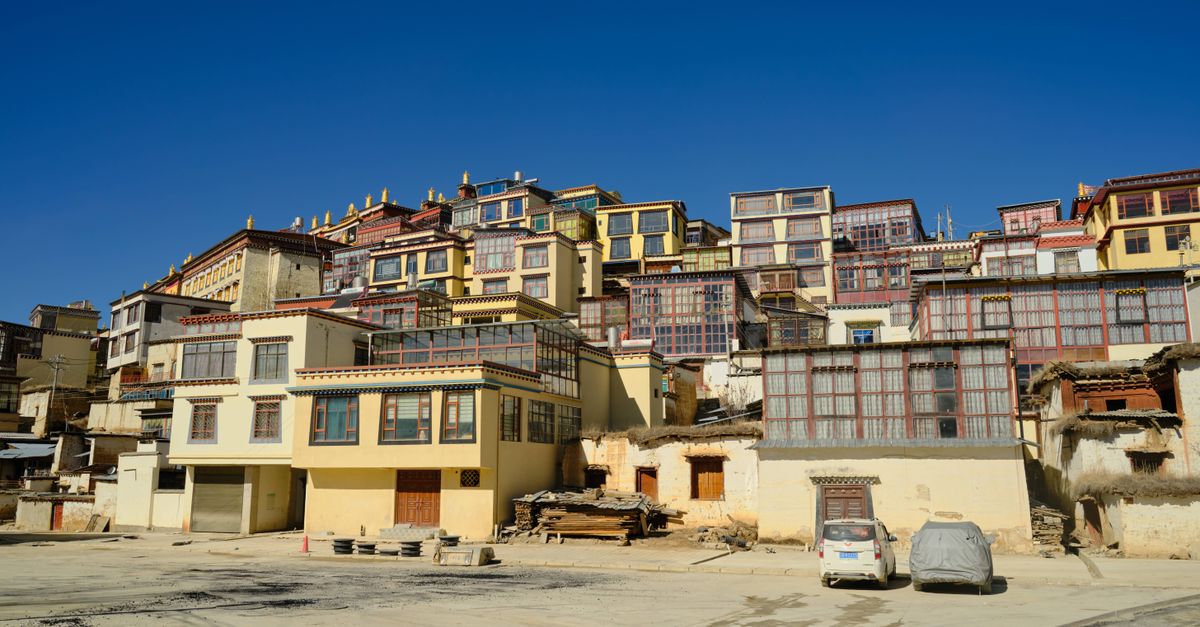
Dzongs & Buddha Point
Morning: Visit Tashichho Dzong (free on weekends, guided tour required weekdays during government hours). The magnificent whitewashed fortress-monastery serves simultaneously as the seat of Bhutan's government and the summer headquarters of the religious establishment. The proportions, intricate woodwork, and painted courtyard murals are magnificent examples of traditional Bhutanese architectural craftsmanship. The dzong is most photogenic at golden hour viewed from across the Wang Chhu River.
Afternoon: Drive to Buddha Dordenma (free), a 51-meter gilded bronze Buddha statue overlooking the entire Thimphu valley from a hilltop throne. Inside the massive statue are 125,000 smaller Buddha figures. The surrounding Kuensel Phodrang nature park offers peaceful walking trails through blue pine forest with panoramic views across the valley to the mountains. Photography opportunities are exceptional in the clear highland light.
Evening: Explore Norzin Lam, Thimphu's main commercial street. Bhutanese citizens wearing traditional gho (men's knee-length robe) and kira (women's ankle-length dress) fill the shops and offices. Dinner at Babesa Village Restaurant (BTN 500-1,200) for traditional Bhutanese cuisine — the fiery ema datshi (fresh green and red chilies cooked in melted yak cheese) with nutty red rice and steamed momos is the beloved national dish. Warning: Bhutanese food is genuinely very spicy.
Markets, Museum & Crafts
Morning: Visit the Weekend Centenary Farmers Market (Saturday-Sunday mornings). Farmers from across western Bhutan sell mountains of fresh chili peppers (Bhutan's most consumed food), dried yak cheese, wild forest mushrooms, fragrant betel nut, and handwoven textiles (BTN 1,000-20,000 per piece). Dried yak meat strips and packets of premium Bhutanese chili powder are popular portable purchases for visitors.
Afternoon: Explore the Folk Heritage Museum (BTN 150) — a faithfully restored 19th-century three-story farmhouse demonstrating traditional Bhutanese rural domestic life with original kitchen implements, weaving looms, and Buddhist altar rooms. The National Textile Museum (BTN 200) showcases Bhutan's extraordinarily complex handweaving traditions. A single traditional kira garment can take a skilled weaver months of daily work to complete by hand.
Evening: Visit the ancient Changangkha Lhakhang temple perched on a ridge overlooking the valley — Thimphu's oldest active temple where Bhutanese parents bring their newborn babies to receive auspicious names and blessings from the presiding lama. Prayer flags flutter in the mountain wind around the temple. Evening stroll along the Wang Chhu river walking path is peaceful with mountain views in every direction.
Motithang & Cheri Monastery
Morning: Visit Motithang Takin Preserve (BTN 200). The takin — Bhutan's beloved national animal, a bizarre-looking goat-antelope hybrid found only in the eastern Himalayas — roams a fenced hillside enclosure in a natural forest setting. The preserve was originally a small zoo but the Buddhist king ordered the animals released, believing caging sentient beings contradicted Buddhist values. Remarkably, the takins chose to remain voluntarily.
Afternoon: Hike to Cheri (Chagri) Monastery (approximately 1 hour moderate uphill hike from the road). Founded in 1620 by Zhabdrung Ngawang Namgyal, this peaceful hilltop monastery in a pine and rhododendron forest was the first in Bhutan to establish an organized monastic community. The trail follows a clear mountain stream past prayer wheels and mani walls carved with Buddhist mantras. Resident monks may invite you to share salty butter tea and conversation.
Quick Tips
- Bhutan charges a mandatory Sustainable Development Fee (SDF) of USD 100 per person per night for all international tourists — factor this significant cost into your budget planning from the outset.
- All foreign visitors must book through a licensed Bhutanese tour operator who arranges permits, accommodation, guide services, transport, and most meals. Fully independent travel is not permitted for international visitors.
- April through June and September through November offer the best visiting weather with clear mountain skies. Winter (December-February) is cold but clear with snow on the higher mountains and dramatic blue skies.
Practical Information
Paro International Airport (1.5 hours from Thimphu) is Bhutan's only international airport with flights from Bangkok, Delhi, Kathmandu, and Singapore. Thimphu has no airport. Transport within Thimphu is by taxi or on foot — the city is compact and walkable. Your tour operator provides a vehicle and driver throughout your stay. ATMs in Thimphu accept international cards but carry US dollars as backup. English is widely spoken.
Best Times to Visit & Budgeting
The Sustainable Development Fee makes Bhutan more expensive than neighboring countries. The fee supports free healthcare, education, and environmental conservation. Peak seasons (March-May and September-November) have the best weather and coincide with major festivals. The Thimphu Tshechu (September/October) features spectacular masked dances. Budget accommodation (tourist-class hotels) is included in packages. Upgraded luxury lodges (Amankora, Six Senses) are available at additional cost.
| Travel Style | Daily Cost (BTN) |
|---|---|
| Budget | BTN 5,000-8,000 |
| Mid-Range | BTN 10,000-15,000 |
| Luxury | BTN 20,000-40,000 |
Local Culture & Etiquette
Bhutan's cultural protocols are not mere suggestions — they reflect deeply held Buddhist values and royal decree. Understanding them transforms a visit from tourism into genuine cultural exchange. The most visible rule is the national dress code: all Bhutanese citizens must wear traditional dress (gho for men, kira for women) inside government buildings, dzongs, religious sites, and formal offices. As a visitor you are exempt, but dressing modestly — covered shoulders and knees — is expected everywhere and shows respect the Bhutanese genuinely notice and appreciate.
Photography near dzongs requires attentiveness. The Tashichho Dzong in Thimphu prohibits interior photography during government working hours. At all religious sites, walk clockwise around chortens (whitewashed stupas), mani walls (prayer-stone walls), and prayer wheels — this is the direction of dharma and deviating runs counter to deeply held ritual convention. Spin prayer wheels clockwise with your right hand as you pass. At monasteries, ask before photographing monks or sacred statues.
Ema datshi (the eye-wateringly spicy chili and cheese dish) is both the national dish and a cultural test — Bhutanese people consider their food's heat level moderate and will watch your reaction with affectionate amusement. Decline politely if you cannot manage chili, but trying it earnestly earns warm approval. Suja (salty butter tea made from yak butter, black tea, and salt) is served as hospitality in homes and monasteries — accepting a cup and drinking it with grace, even if the flavor is challenging, is the culturally correct response.
The concept of Gross National Happiness (GNH) actively shapes Bhutanese attitudes toward commerce and hospitality. Haggling aggressively at market stalls is considered bad form. Shopkeepers set fair prices and expect them to be respected. Similarly, tipping is not customary at restaurants but is appreciated for guides and drivers who facilitate meaningful experiences. Your licensed tour guide is both your cultural interpreter and practical facilitator — their local knowledge about which festivals, farming seasons, and archery tournaments are happening during your visit is invaluable.
Day Trips from Thimphu
Thimphu's position in the Wang Chhu valley at 2,334 metres above sea level places it within striking distance of some of western Bhutan's most rewarding sites. Your licensed tour operator is required to arrange all transportation and permits, but knowing which destinations are worth requesting gives you greater influence over how your days are structured.
Punakha Dzong, 75 kilometres east of Thimphu over the Dochula Pass (3,100m), is arguably the most beautiful dzong in the entire kingdom — a slender fortress-monastery built at the confluence of two rivers, the Pho Chhu (Father River) and Mo Chhu (Mother River), where the colours of blue water, white walls, and golden rooftops create a composition of extraordinary elegance. The drive over Dochula is itself worthwhile: the pass holds 108 memorial chortens (BTN 50 entry) and on clear days the panorama includes Gangkhar Puensum (7,570m), the world's highest unclimbed peak, hanging above the Bhutanese Himalaya. The full Punakha day trip takes six to seven hours including travel; negotiate this into your itinerary from the outset as it consistently ranks as visitors' single most memorable experience in Bhutan.
Paro, where your international flight lands, warrants its own dedicated half-day separate from arrival logistics. The valley's paddy fields and farmhouses represent the most archetypal Bhutanese landscape, and the National Museum of Bhutan (BTN 300) housed in the Ta Dzong watchtower above Rinpung Dzong has the country's finest collection of thangka paintings, ancient armour, and Himalayan natural history exhibits. Kyichu Lhakhang temple (BTN 100), one of the 108 temples built by the Tibetan emperor Songtsen Gampo in the 7th century to pin down a demoness threatening Buddhist expansion, remains an active place of worship visited by Bhutanese pilgrims daily — the small grove of orange trees in the courtyard has produced fruit continuously since the temple's founding, according to local belief.
Closer to Thimphu, the road north up the Wang Chhu valley toward Jigme Dorji National Park passes through Begana village (20 kilometres, 30-minute drive) where the Begana Archery Ground hosts informal practice sessions most weekend mornings. The traditional Bhutanese bow (made from bamboo and sinew) shoots at targets 140 metres distant — an astonishing range that makes the regular bull's-eyes even more impressive. Watching competitors in full gho robes, accompanied by supportive singing from teammates and cheerful ribbing from opponents, costs nothing and is arranged through your guide on the morning.
Tiger's Nest Monastery (Paro Taktsang, BTN 1,000 entry) is technically on the Paro day trip but deserves special mention as the single most iconic site in Bhutan. The monastery clings to a sheer granite cliff at 3,120 metres, accessible via a 2.5-hour uphill hike from the valley floor. The monastery is built around the cave where Guru Rinpoche meditated for three months in the 8th century — the founding event of Vajrayana Buddhism in Bhutan. The hike is moderately strenuous and the altitude affects some visitors; your guide will set a sustainable pace. Horses are available for the lower half of the trail (BTN 600 one way) if needed.
Explore more Thimphu travel guides →


