
Thessaloniki is Greece's secret capital of food — a port city of Byzantine churches, Ottoman markets, a legendary waterfront promenade, and a culinary tradition enriched by centuries of Greek, Turkish, and Sephardic Jewish influences. Livelier and more affordable than Athens.
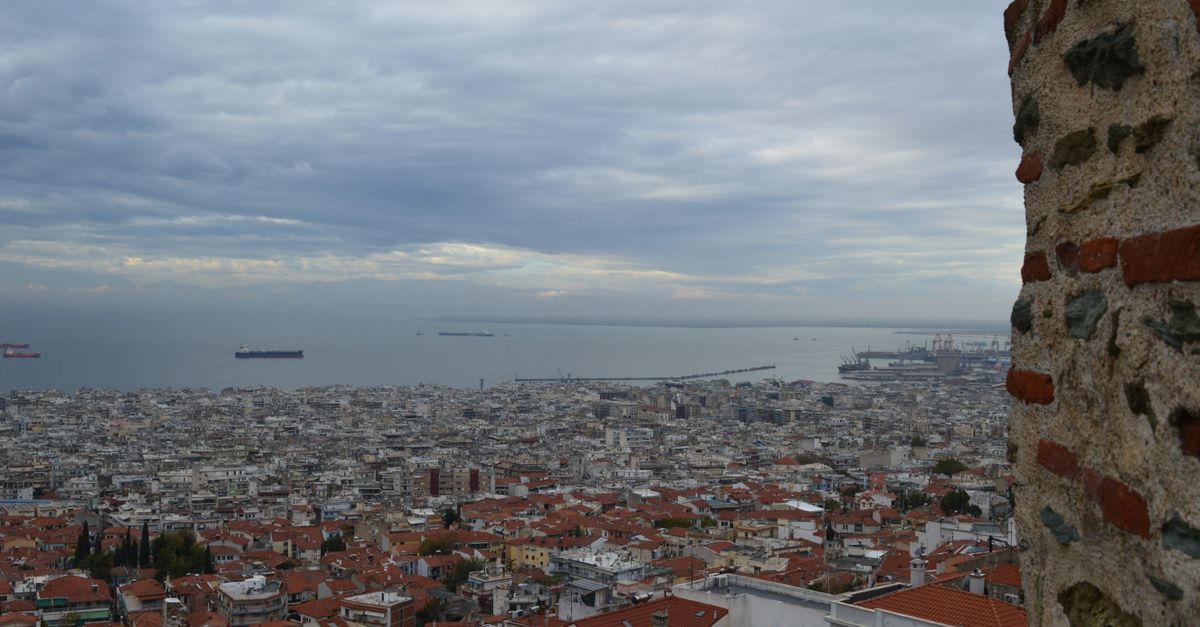
White Tower, Ano Poli & Roman Ruins
Morning (9:00 AM): Start your exploration of Thessaloniki with a visit to White Tower. Take time to absorb the atmosphere and historical significance of this landmark, which defines the character of the city. The architecture and setting reward slow, attentive observation — bring a camera and comfortable shoes for the walking ahead.
Mid-Morning (11:00 AM): Continue to Rotunda, one of the area's most compelling attractions. The cultural depth here is considerable, and you will want at least an hour to appreciate what is on offer. Local guides can provide invaluable context for understanding what you are seeing and its significance to the region.
Lunch (1:00 PM): Head to Arch of Galerius for an authentic local meal. Regional cuisine here is distinctive and affordable — expect to pay €8-14 for a satisfying main course with local flavours. Ask your server for recommendations and try the house speciality, which typically features seasonal ingredients sourced from nearby producers.
Afternoon (2:30 PM): Explore Ano Poli upper town, where the pace slows and the city reveals its more intimate side. This area rewards wandering without a strict plan — the best discoveries come from turning down unexpected side streets, peering into courtyards, and stopping at any cafe that catches your eye.
Evening (6:30 PM): As the light softens, find a spot for an aperitivo or early evening drink with views. Then settle in for dinner at a locally recommended restaurant where traditional recipes are prepared with care. A full dinner with wine runs €15-25 per person and represents excellent value for the quality.
Archaeological Museum & Modiano Market
Morning (9:00 AM): Dedicate the morning to Archaeological Museum. This is one of the region's standout experiences, combining cultural significance with genuine beauty. The collections and exhibits here are thoughtfully curated and deserve at least two hours of unhurried attention. Early arrival means smaller crowds and better photographs.
Mid-Morning (11:00 AM): Walk to Modiano Market, shifting the day's pace toward exploration and discovery. The streets in this area have a character distinct from the main tourist zones — more residential, more authentic, and often more architecturally interesting. Small shops and local businesses give a genuine sense of daily life here.
Lunch (12:30 PM): Eat at Ladadika, where the food scene shows its depth. Markets and local restaurants here serve dishes that showcase regional ingredients and cooking traditions passed down through generations. Budget €8-12 for a satisfying lunch with a drink.
Afternoon (2:30 PM): Spend the afternoon at gardens and parks. This is an ideal time for a more relaxed pace — whether that means sitting in a park, browsing local shops, or visiting a gallery. The afternoon light transforms the architecture and landscape, creating ideal conditions for photography and quiet appreciation.
Evening (7:00 PM): Tonight, venture beyond the tourist centre for dinner. The best restaurants are often in residential neighbourhoods where locals eat — look for places with full tables and handwritten menus. Expect to spend €12-20 for dinner with local wine or beer, and savour the slower rhythms of evening dining culture here.
Waterfront Sunset & Chalkidiki Beaches
Morning (9:00 AM): Use your final morning for Waterfront sunset, which offers a different perspective on the region. Whether this involves a short journey out of the centre or a deeper exploration of an area you passed through earlier, the change of scenery provides fresh context for everything you have seen in the previous two days.
Mid-Morning (11:00 AM): Continue to Chalkidiki beaches. The views and experiences here are among the most memorable the area offers, and the timing — late morning, with the sun high and the light clear — shows everything at its best. Take your time and resist the urge to rush through to the next thing.
Lunch (12:30 PM): Settle in for a proper taverna crawl. This is your last chance to sample the local cuisine, so order generously and try anything you have been meaning to taste. Local specialities run €8-15 for main courses, and the relaxed midday atmosphere encourages lingering over an extra coffee or glass of wine.
Afternoon (2:30 PM): Spend the afternoon revisiting favourite spots or exploring anything you missed. Every city and region has layers that reveal themselves only on the third day — return to the places that moved you most, or seek out the quiet corners that guidebooks overlook. The best travel memories often come from these unplanned final hours.
Evening (6:30 PM): A farewell dinner at a special restaurant caps the trip. Choose somewhere that represents the best of local cuisine and ambiance — a place where the food, setting, and service combine to create a lasting memory. Budget €20-30 for a memorable final meal with wine, and toast to a destination that deserves a return visit.
Budget Breakdown (Per Person, 3 Days)
| Category | Budget (€) | Mid-Range (€) | Luxury (€) |
|---|---|---|---|
| Accommodation (3 nights) | €50 | €150 | €400 |
| Food & Drinks | €35 | €90 | €230 |
| Transport | €5 | €15 | €40 |
| Activities & Entry Fees | €10 | €30 | €70 |
| Total 3 Days | €100 | €285 | €740 |
Local Culture & Etiquette
Thessaloniki moves at a pace shaped by centuries of layered civilisation — Byzantine, Ottoman, Sephardic Jewish, and modern Greek — and understanding a few local rhythms makes the difference between a tourist visit and a genuine encounter with the city. The kafeneio (traditional coffee house) is still the heartbeat of neighbourhood life. Men of all ages gather here over a freddo espresso or Greek mountain tea for hours, with no expectation to order more. Sitting and doing nothing productive is considered entirely acceptable, even virtuous.
The evening volta — a slow promenade along the waterfront between the White Tower and Aristotelous Square — is a ritual, not a tourist activity. Join locals between 7 PM and 10 PM and you will find families, teenagers, couples, and elderly residents walking the same stretch back and forth. Nobody is hurrying anywhere. The appropriate attitude is unhurried curiosity.
Thessaloniki's food culture demands respect. The city considers itself the gastronomic capital of Greece, a claim that Athenians dispute but most visiting food writers confirm. Meze dishes are ordered slowly across a long table, not rushed through. Bougatsa (warm custard pastry dusted with icing sugar and cinnamon) is a morning food eaten standing at the counter of shops like Bougatsa Bantis on Komninon Street, where a full portion costs around €2.50. Ordering it after noon will raise eyebrows. Similarly, seafood is a lunch food at the Modiano and Kapani markets — by evening, the freshest catches are gone.
The city's Byzantine and Ottoman heritage sits side-by-side without obvious tension, which is itself remarkable. Hagios Dimitrios basilica, the city's patron saint church, welcomes visitors in modest dress — cover shoulders and knees. The Bey Hamam (15th-century Ottoman bathhouse) and Rotunda mosaic panels are open as cultural monuments, not active religious sites. Photography is generally permitted but always ask before photographing Orthodox priests or worshippers inside churches.
Greeks operate on Southern European social time. Lunch begins no earlier than 2 PM and dinner rarely before 9 PM. Tavernas are at their liveliest after 10 PM on weekends. Reservations are considered polite for dinner but are seldom strictly enforced — arriving without one is never truly a problem. Tipping is appreciated but not obligatory: rounding up the bill or leaving 10% is standard. Never summon a waiter by snapping fingers — catch the eye and give a slight nod.


