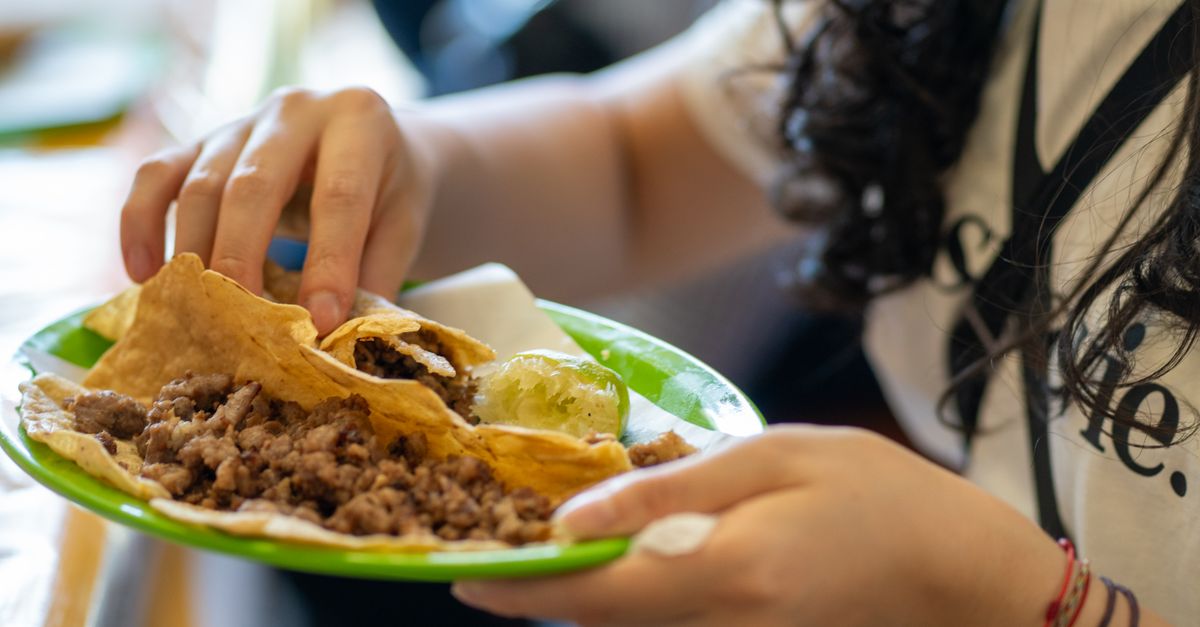
Mérida is the capital of Mexico's Yucatán Peninsula and the guardian of what many food historians consider the most distinctive and least-understood regional cuisine in Mexico — a cooking tradition that draws on ancient Maya techniques and ingredients, Moorish-Spanish colonial influences, and a specific set of local produce (annatto seed/achiote, habanero chilli, sour orange, chaya leaves, cochinita from slow-roasted Yucatecan pigs) that cannot be replicated with substitutes anywhere else on earth.
The food culture of Mérida operates on a paradox: it is simultaneously one of Mexico's most sophisticated regional cuisines (complex, historically layered, technically demanding) and one of its most accessible (served everywhere from corner markets to village roadside stands, invariably cheap, always honest). The marquesitas vendors at night markets on Paseo de Montejo, the cochinita pibil sold at dawn from ancient roadside pits, the papadzules assembled in ten minutes by elderly cooks at the Lucas de Gálvez market — all represent the same culinary tradition at different points on the accessibility spectrum.
The only mandatory rule in Mérida is to eat cochinita pibil before noon on your first day. It is cooked overnight and sold until it runs out — which happens by midday. Everything else you discover can be in any order. But the cochinita will establish the flavour logic of Yucatecan cooking that makes every subsequent dish comprehensible.

10 Must-Try Dishes in Mérida
1. Cochinita Pibil (Achiote-Marinated Pit-Roasted Pork)
Cochinita pibil is the most celebrated dish of Yucatecan cuisine and one of the world's genuinely great preparations of slow-cooked pork. A whole pig or pork shoulder is marinated overnight in a paste of achiote (annatto seed ground with sour Seville orange juice, garlic, cumin, black pepper, and other spices), wrapped tightly in banana leaves, placed in an underground pit (pib), and cooked overnight over smouldering coals. The banana leaf wrapping traps steam, the achiote paste infuses the meat, and the overnight low-temperature cooking renders the collagen, fat, and muscle into extraordinarily tender, deeply flavoured, vibrantly red-orange pulled pork.
The flavour of cochinita pibil is unlike any other pork preparation — the achiote provides an earthy, slightly floral bitterness; the sour orange (naranja agria) adds citrus acidity that cuts the pork fat; the spice mixture provides warmth and depth without dominating. The meat is always served with curtido (pickled red onion in sour orange juice, brilliant magenta-pink), habanero salsa (fiery, fruity, and intense), and either tortillas, bolillos (rolls), or panuchos. The combination is one of the world's great food assemblies.
El Merci on Calle 62 near the Central Market is one of Mérida's most beloved traditional cochinita establishments — open from 6am until the pork runs out (often by 11am), serving cochinita in torta (sandwich), taco, and plato (plate) forms from a kitchen that has operated in the same manner for decades. La Chaya Maya on Calle 55 also serves excellent cochinita alongside other Yucatecan specialities throughout the day. Calle 62 is in the historic centre, a 5-minute walk from the Zócalo (main plaza).
A cochinita pibil taco with curtido and habanero at a market stall costs MXN$15–$30 (€0.75–€1.50). A full plate with rice, beans, and tortillas at a traditional restaurant runs MXN$80–$160 (€4–€8). Tourist restaurant versions cost MXN$150–$280. The street stall and market versions are invariably better than restaurant interpretations — the high turnover means the pork is always freshly from the pit. Arrive before 9am for the freshest, most tender cochinita of the day.
2. Papadzules (Pumpkin Seed Sauce Enchiladas)
Papadzules are among the oldest dishes in the Maya culinary canon — corn tortillas filled with hard-boiled egg, rolled, and bathed in two contrasting sauces: a thick, rich green pumpkin seed (pepita) sauce on the bottom and a tomato-habanero sauce drizzled over the top. The colour contrast of bright green beneath and deep red above, with the pale egg filling visible in the cross-section, makes papadzules one of Mexican cuisine's most visually striking dishes — and one of its most technically demanding to make correctly.
The pepita sauce is the critical element: green pumpkin seeds are toasted, ground, and combined with epazote herb, a small amount of habanero, and the liquid wrung from fresh chaya leaves (a Yucatecan leafy vegetable with protein-rich nutritional content) into a green sauce of remarkable richness and depth. The technique of extracting the natural oil from the pepita paste by wringing the mixture creates a sauce with a specific smooth-dense texture unlike anything in other Mexican regional traditions. The egg filling provides mild, creamy contrast to the bold sauces.
La Chaya Maya on Calle 55 serves what many consider Mérida's finest papadzules in a traditional setting with excellent attentive service — this is the restaurant that many chefs and food writers direct visitors to first for introduction to Yucatecan cuisine. The Lucas de Gálvez market has several traditional comedor (market restaurant) stalls serving papadzules as part of a full Yucatecan breakfast plate. Lucas de Gálvez market is on Calle 67 between 62 and 60, directly behind the Cathedral.
A serving of two or three papadzules costs MXN$70–$120 (€3.50–€6) at a traditional restaurant. Market stall versions run MXN$40–$70. The dish is a breakfast or lunch preparation — traditionally eaten in the morning. The delicate green of the pepita sauce oxidises quickly once prepared, so papadzules should be eaten immediately after assembly. Leftovers do not preserve the dish's character. This is a food of immediacy — order it and eat it without delay.
3. Sopa de Lima (Yucatecan Lime and Chicken Soup)
Sopa de lima is one of Yucatan's most essential and elegant soups — a clear chicken broth scented with the juice and zest of the Yucatecan lima (a fragrant, sweet-tart citrus variety distinct from the standard lime), garnished with shredded chicken, fried tortilla strips, and the aromatic herb hierba santa. The soup is simultaneously warming and refreshing — the citrus provides acidity and fragrance that lifts the chicken broth, and the tortilla strips add textural contrast while absorbing the flavour of the soup.
The Yucatecan lima (Citrus limetta) is a key ingredient that cannot be replicated by standard lime or lemon — it has a distinctly fragrant, almost floral quality with less sourness than a standard lime. The soup made with genuine lima has an aromatic character that haunts you after the bowl is finished. When ordering sopa de lima outside Yucatán, accept that the version made with standard limes is a different, lesser dish. In Mérida, the real thing is available everywhere from market comedores to fine dining restaurants.
Restaurante El Tucho on Calle 60 serves excellent sopa de lima in a casual, bustling dining room with traditional Yucatecan decor. The Lucas de Gálvez market comedores serve it as a standard item throughout the day at market prices. For a more refined version, Apoala restaurant on the Parque Santa Lucía serves a modern interpretation of sopa de lima with excellent technique. Calle 60 runs north from the main plaza — El Tucho is approximately 3 blocks north, easily walkable.
A bowl of sopa de lima at a market comedor costs MXN$45–$80 (€2.25–€4). At a traditional restaurant, MXN$90–$150. At an upscale establishment, MXN$150–$250. The soup is available at all times of day — it is simultaneously breakfast, lunch, and restorative snack in Mérida's food culture. A bowl before or after visiting the archaeological sites (Chichén Itzá and Uxmal are both day trips from Mérida) is one of the most thoughtful post-ruins eating experiences in Mexico.
4. Panuchos (Fried Tortilla with Black Bean and Turkey)
Panuchos are Yucatán's unique fried tortilla preparation — a thick corn tortilla that is partially cooked, inflated with steam, stuffed with black bean paste inside the puffed interior, then fried until crispy and golden. The stuffed, fried tortilla is then topped with shredded turkey or chicken (cochinita pibil is also common), curtido (pickled red onion), avocado slices, and tomato. The result is a construction of multiple textures and flavours in a single handheld piece: crispy exterior, creamy bean interior, acidic pickled onion, creamy avocado, and rich shredded meat.
The black bean paste inside the panucho is the element that distinguishes this from a simple tostada — the beans are cooked with epazote, lard, and salt into a smooth, savoury filling that fuses with the corn of the tortilla during frying. The fried bean-and-corn combination has an almost addictive depth that makes panuchos one of the most satisfying street foods in all of Mexico. The quality depends enormously on the freshness of the tortilla and the richness of the bean filling.
Street vendor panuchos are found at every Mérida market and at evening food stalls throughout the historic centre. The cluster of vendors on Parque Santa Lucía on Thursday evenings (the Serenata Yucateca — free outdoor concert event) serve panuchos alongside salbutes (a similar preparation but without the bean filling). For a sit-down version, La Chaya Maya and El Tucho both include panuchos in their full Yucatecan breakfast plate. Parque Santa Lucía is on Calle 60, three blocks north of the Zócalo.
A panucho from a street vendor costs MXN$20–$40 (€1–€2) each. At a restaurant as part of a set plate, a serving of three runs MXN$80–$140. This is finger food in the most literal sense — Mérida natives eat panuchos standing at a market stall, one in each hand, with habanero salsa on the side. Do not attempt to be elegant about it. The correct eating method involves getting the curtido on your fingers and the avocado on your chin.
5. Poc Chuc (Grilled Marinated Pork with Sour Orange)
Poc Chuc is Yucatán's take on grilled pork — thin slices of pork (loin or leg) marinated in sour Seville orange juice with salt and spices, then grilled over charcoal until lightly charred and tender. The name comes from the Maya words for "grill" and "embers," and the dish's simplicity belies its flavour depth — the sour orange marinade tenderises the pork and gives it a distinctive citrus character that is then intensified by the charcoal caramelisation. It is served with tomato and onion salsa, black beans, and tortillas.
The Seville orange (naranja agria) used in poc chuc is a Yucatecan essential — a bitter, sour orange variety introduced by Spanish colonisers that has become fundamental to Yucatecan cuisine. It cannot be substituted by sweet orange or standard lime without dramatically altering the dish's character. The combination of citrus marinade and charcoal in poc chuc is one of the region's simplest and most successful flavour pairings. The pork should be lightly marbled — lean pork becomes dry and unpleasant on the grill without the fat to baste itself.
Restaurante El Tucho is one of the best places for poc chuc in Mérida — their version uses high-quality Yucatecan pork and maintains the dish's traditional proportions. Los Dos cooking school on Calle 68 occasionally features poc chuc in their Yucatecan cooking classes, which also offer context for the sour orange's role in regional cooking. Calle 68 runs north-south through the historic centre, west of the main Zócalo.
A poc chuc plate at a traditional restaurant costs MXN$120–$200 (€6–€10). The simplicity of the dish makes it an ideal pairing with the local Montejo beer (the Yucatán Peninsula's own lager brand, named after the Spanish conquistador and brewed in Mérida since 1899). A poc chuc plate with a cold Montejo costs MXN$160–$250 — one of Mérida's most satisfying and culturally specific lunch combinations.
6. Queso Relleno (Stuffed Edam Cheese)
Queso relleno — stuffed cheese — is one of Yucatán's most unusual and most historically fascinating dishes, a direct product of the 19th-century Dutch trading connections that brought Edam cheese to the Yucatecan table. A whole or half Edam cheese has its interior hollowed out, stuffed with a ground pork mixture (picadillo) seasoned with spices, raisins, olives, and capers, then the lid replaced and the whole assembly steamed or baked until the cheese softens and melts into the filling. It is served with a clear chicken broth sauce (k'ool, thickened with corn masa) and a tomato sauce, creating a dish that is simultaneously Spanish, Dutch, and Maya in its cultural components.
The flavour combination is baroque and extraordinary — the salted, slightly waxy Edam cheese melting into the sweet-savoury-spiced pork filling, the clear broth sauce providing lightness, and the tomato sauce adding acidity. This is a special occasion and Sunday lunch dish in Mérida's food culture, not something found at street stalls. It represents the most complex and historically layered dish in Yucatecan cooking and the most explicit evidence of the region's colonial food history.
Restaurante Pancho's on Paseo de Montejo is one of the best places to find queso relleno served properly. Hacienda Teya restaurant (25km from Mérida in the neighbouring hacienda village of Teya) serves a legendary version in a beautifully restored colonial hacienda setting — this is the most atmospheric and most historically appropriate context for the dish. Hacienda Teya is reached by taxi from Mérida in approximately 30 minutes.
Queso relleno at a restaurant costs MXN$180–$350 (€9–€17.50). At Hacienda Teya, the full hacienda lunch experience with multiple courses runs MXN$400–$600 per person. This is a dish that repays seeking out specifically — it is not universally available and not every version is well-made. When properly executed, queso relleno is one of the most remarkable eating experiences in Mexican regional cuisine, a single dish that encapsulates five centuries of Yucatecan food history.
7. Marquesitas (Rolled Waffle Cookies with Cheese)
Marquesitas are Mérida's signature street dessert — thin, crispy waffle-style cookies rolled into a tube shape on a hot iron plate, then filled with grated Edam cheese (the same Dutch cheese that features in queso relleno), caramel, Nutella, or jam combinations. The original and definitive version is simply the waffle tube with grated Edam and caramel — the combination of the crispy, slightly sweet waffle, the salty Edam, and the sweet caramel creates a flavour harmony that sounds wrong and tastes completely right. They are Mérida's evening dessert street food par excellence.
The waffle batter is poured onto a round hot iron, cooked until golden, then immediately rolled around a wooden rod while still pliable to create the tube shape. The technique requires speed — the waffle hardens within seconds of leaving the iron. The Edam is grated directly into the tube while warm; the caramel or other filling is added last. The whole assembly must be eaten immediately — within five minutes the waffle tube has hardened to a crispy shell that shatters dramatically at first bite, sending filling in multiple directions. This is intentional and is part of the joy.
The Parque de Santa Lucía and the Paseo de Montejo boulevard have marquesita vendors operating every evening from around 7pm. The most atmospheric marquesita experience in Mérida is walking the illuminated Paseo de Montejo under the historical mansions at night, marquesita in hand. The vendors are family-operated and the recipes are guarded fiercely — each family claims the definitive version. The Edam-and-caramel combination is the original; the Nutella version is popular with children and tourists.
A marquesita costs MXN$35–$65 (€1.75–€3.25). The Edam-caramel version is always the best choice for a first marquesita. Eat immediately, outside, in the warm Mérida evening air. This is Mérida's most joyful food experience — sticky, a little messy, absolutely delicious, and available only in this city and its immediate environs. This one specific dessert has made grown adults cry at the airport when leaving Mérida.
8. Habanero Salsa and Chile Culture
The habanero chilli is Yucatán's definitive flavour element — a small, lantern-shaped pepper (orange when ripe, green when young) with a fruity, citrus-floral aroma and a ferocious heat level (100,000–350,000 Scoville heat units) that is approximately 100 times hotter than a jalapeño. In Yucatecan cooking, habanero is used with precision — a small amount of fresh salsa alongside dishes rather than cooked into everything, allowing the diner to calibrate their own heat exposure. The fruity quality of the habanero makes it unlike other hot chillies: it burns, but it also perfumes.
Mérida's habanero culture is specific and codified. The salsa de habanero asado (roasted habanero sauce) — made by fire-roasting habaneros and tomatoes before blending — has a smoky depth alongside the heat. X'nipek (pronounced "shni-pek," meaning "dog's nose" in Maya — cold as a wet dog's nose) is the fresh salsa of chopped habanero, tomato, onion, and sour orange that accompanies cochinita pibil. The dried and powdered habanero used in some regional salsas has a completely different, more concentrated character.
The habanero salsa table condiment at any Mérida restaurant is the immediate reference point for the local heat level. The Mercado Lucas de Gálvez has vendors selling fresh habaneros, dried habaneros, habanero paste in jars, and every possible variation of habanero-based condiments at absurdly cheap prices. For habanero hot sauce to take home as a souvenir, El Herbolario natural food shop on Calle 59 stocks artisan producers alongside medicinal herbs and regional spices.
Fresh habaneros at the market cost MXN$20–$40 per kilogram (€1–€2). A jar of artisan habanero salsa costs MXN$60–$150 (€3–€7.50). This is among the most concentrated edible souvenirs available anywhere — a small jar of excellent Yucatecan habanero salsa will last months and elevate every plate of eggs, tacos, or grilled meat it touches. The customs declaration will require honesty about the chilli content if bringing it across international borders.
9. Salbutes (Fried Tortilla with Shredded Poultry)
Salbutes are panuchos' lighter sibling — smaller, thinner fried tortillas (without the bean filling inside) topped with shredded chicken or turkey, lettuce, tomato, avocado, and pickled red onion. They are faster to make and eat than panuchos, and they are the standard snack at Mérida's evening events, Serenata Yucateca concerts, and market stalls. Where panuchos are filling and substantial, salbutes are lighter and more suited to sequential eating — buying three or four across an evening's wandering through the historic centre is the correct approach.
The fried tortilla of a salbute should be freshly cooked — the puff of steam that inflates the tortilla during frying is what creates the light, slightly chewy texture beneath the crispy exterior. Old or reheated salbutes are significantly inferior. The topping of shredded turkey (pavo) is traditionally more Yucatecan than chicken, though both are common. The pickled onion provides the essential acidity that balances the fried base and the avocado's richness.
Salbutes appear alongside panuchos at all the same vendors and restaurants in Mérida. The evening markets at Parque Santa Lucía and in the market area around Calle 65 are the best casual settings. A plate of three salbutes and three panuchos at a market stall is one of Mérida's best-value snack combinations — six pieces of different Yucatecan street food for under MXN$150 covers the full spectrum of fried tortilla culture.
A salbute costs MXN$20–$35 (€1–€1.75) each at a market stall. At a restaurant table-service, a serving of three salbutes runs MXN$70–$120. Order them in combination with panuchos for the full comparative experience — the structural difference between the two preparations (bean-stuffed vs. plain tortilla) becomes immediately apparent even to first-time visitors. Habanero salsa on the side is non-negotiable; avocado on top is essential.
10. Xtabentún (Mayan Anise and Honey Liqueur)
Xtabentún (pronounced "eshtaaben-toon") is Yucatán's traditional liqueur — made from fermented honey of bees that feed on the xtabentún flower (Turbina corymbosa, a morning glory variety considered sacred in Maya cosmology) and flavoured with anise seed. The resulting liqueur is golden-amber, sweet but not cloying, with a floral honey character and the herbal warmth of anise. It has been produced in Yucatán since before the Spanish conquest — the Maya used a fermented xtabentún honey beverage called balché in ritual and ceremony.
The modern Xtabentún liqueur ranges from very sweet (the standard version) to drier and more complex (artisan versions with higher anise and lower sugar content). It is typically served neat over ice as an after-dinner drink, drizzled over vanilla ice cream, or mixed into cocktails with tequila or mezcal. The combination of the floral honey sweetness, the anise warmth, and the pale amber colour makes Xtabentún one of the most beautiful and most regionally specific digestifs in the Americas.
Xtabentún is available at every Mérida liquor shop, souvenir store, and market. The best artisan version is from D'Aristi, the most established producer, available at their own shop on Calle 61. Casa de los Venados on Calle 60 also stocks artisan regional spirits including higher-end Xtabentún alongside Yucatecan handicrafts. A glass of Xtabentún on the rocks in the colonial interior of a Mérida casa hotel after dinner is one of the city's most civilised pleasures.
A bottle of standard D'Aristi Xtabentún costs MXN$200–$350 (€10–€17.50) in a liquor shop. Artisan small-production versions cost MXN$350–$600. A glass at a restaurant bar runs MXN$80–$150. This is Mérida's most exportable and most unique souvenir — a liqueur literally rooted in Maya religious culture and impossible to find outside Mexico. Take two bottles home minimum. One will be gone within a week of explaining it to friends.

Mérida's Essential Food Neighborhoods
Historic Centre (Centro Histórico) is Mérida's food heart — a walkable grid of colonial streets around the main Zócalo where traditional market comedores, street food vendors, and established restaurants like La Chaya Maya and El Tucho all operate within a few blocks of each other. The Lucas de Gálvez market on Calle 67 is the essential morning market visit; the Cathedral-adjacent streets have multiple breakfast vendors serving traditional Yucatecan plates from early morning. The Thursday evening Serenata Yucateca at Parque Santa Lucía (free outdoor traditional music and dance performance) draws the best concentration of evening street food vendors in the city — the combination of traditional music, marquesitas, and panuchos under the illuminated colonial arches is one of Mexico's most memorable food-culture experiences.
Paseo de Montejo, Mérida's grand 19th-century boulevard modelled on the Champs-Élysées, is the upscale restaurant corridor — lined with the mansions of Yucatecan henequen-era aristocracy now converted to hotels, galleries, and restaurants. The restaurant strip here features Mérida's most ambitious fine-dining interpretations of Yucatecan cuisine alongside international options. Apoala, Kuuk (Mérida's Michelin-recommended restaurant from chef Pedro Evia), and Rosas & Xocolate hotel restaurant are the flagship establishments. Evening marquesita vendors and craft beer bars along the boulevard provide the democratic bookend to the upscale dining options.
Santiago neighbourhood and Mercado San Benito, slightly west of the historic centre, is Mérida's most local-feeling food district — the area where the families who work in the markets and restaurants actually live and eat. The neighbourhood Mercado San Benito is a functional, un-touristed market with excellent food stalls serving working Mérida's daily lunch menu. The street food around the Santiago church plaza is particularly good on weekend mornings. This is the Mérida that visitors rarely reach but should — real prices, real food, real connection to Yucatecan food culture as it exists outside the tourist framework.
Practical Eating Tips for Mérida
Mérida is one of Mexico's best food-value cities — the combination of exceptional cuisine and low prices makes it a destination where eating well on a budget is entirely achievable. Market food costs MXN$20–$80 per dish. A full traditional restaurant lunch runs MXN$100–$200 per person all-in. Upscale restaurant dinners at Kuuk or Apoala cost MXN$600–$1,200 per person with wine — expensive by Mérida standards but world-class value by any international measure. Fresh-squeezed tropical fruit juices from market vendors cost MXN$15–$25. A bottle of cold Montejo beer (local lager) at a cantina costs MXN$25–$40.
The habanero heat in Yucatecan cuisine is genuine and pervasive — request "sin picante" (without chilli) or "poco picante" (a little chilli) at market stalls and comedores if heat-sensitive. The habanero salsa at the table is always optional and should be used according to tolerance. Dietary restriction note: Yucatecan traditional cuisine uses lard in many preparations including tortillas, beans, and pastry — vegetarians should ask specifically about preparation methods. The increasing vegetarian restaurant scene in Mérida's tourist area offers workable alternatives. Tap water in Mérida is not recommended for drinking — bottled water is inexpensive (MXN$10–$15 per litre) and universally available.