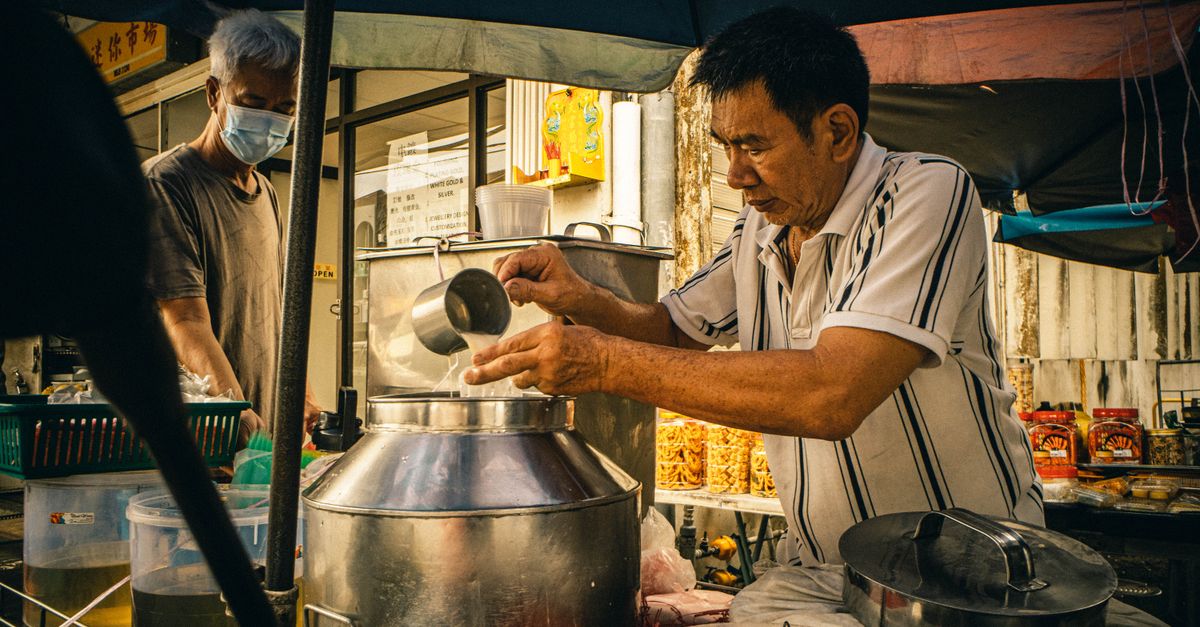
Malacca's food culture is the most historically layered in all of Malaysia — a living record of five centuries of trade, colonisation, intermarriage, and cultural fusion that produced a cuisine unlike any other in Southeast Asia. Chinese Hokkien merchants who settled here in the 15th century married local Malay women and created the Peranakan (or Nyonya) culture, with its own language, textile tradition, and most importantly its own complex, deeply spiced cuisine that blends Chinese technique with Malay aromatics in ways that are still being explored today.
The food culture layers don't stop with Peranakan. Portuguese colonisers who arrived in 1511 left behind a Eurasian community in the Ujong Pasir neighbourhood whose descendants still prepare dishes blended from Iberian and local ingredients. Indian Muslim traders brought their own spice traditions. The British added layers. And the indigenous Malay community's own rich culinary heritage sits beneath all of it, still distinctly itself. Eating in Malacca means eating five centuries of history in a single day.
The dish you must eat first is chicken rice balls — not because it is the most complex dish in the city, but because it is uniquely Malaccan, because every local family has a favourite stall, and because the combination of silky Hainanese chicken, fragrant rice formed into spheres, and the chilli-ginger sauce is one of Southeast Asia's most perfectly calibrated flavour systems. Find it at Chung Wah on Jalan Hang Jebat and everything else will make sense.

10 Must-Try Dishes in Malacca
1. Chicken Rice Balls (Hainanese Nasi Ayam Bola)
Chicken rice balls are Malacca's most famous and iconic dish — a local evolution of Hainanese chicken rice in which the fragrant rice is compressed into small spheres (the size of a golf ball) rather than served loose, making eating with the fingers natural and the rice-to-chicken ratio consistent in every bite. The Hainanese community that settled in Malacca adapted their homeland's chicken rice tradition to local tastes, and the rice ball format became so identified with Malacca that it has been successfully exported to the rest of Malaysia as "Malacca chicken rice."
The chicken is poached whole in a broth of garlic, ginger, and pandan leaf until just cooked through — the flesh remains silky and barely set, the skin gelatinous and perfumed. The rice is cooked in the same chicken broth with pandan leaf and sometimes shallot oil, producing grains of extraordinary fragrance that hold their shape when compressed into balls. The dipping sauce trio — dark soy, chilli-ginger paste, and a clear ginger sauce — allows each ball to be dressed differently, creating variety within a simple framework.
Chung Wah Restaurant on Jalan Hang Jebat (Jonker Street) is the oldest and most famous chicken rice ball establishment in Malacca, with queues forming before the 11am opening on weekends. Hoe Kee Chicken Rice Ball on the same street is the primary rival, also excellent. Both establishments are in the heart of Chinatown, a five-minute walk from the Dutch Square (Stadthuys). Weekday visits involve shorter waits and fresher chicken from a less hectic service.
A full chicken rice ball set (three rice balls, two pieces of chicken, soup, and sauces) costs RM12–RM18 (€2.40–€3.60). This is extraordinary value for the quality. Arrive before 11:30am to guarantee a table — the queues at both restaurants routinely extend 30–40 minutes at peak lunch hours on weekends. Take-away bags of rice balls are available for those who want to eat at Jonker Street rather than in the restaurant.
2. Cendol (Pandan Jelly and Coconut Milk Dessert)
Cendol is one of Southeast Asia's great desserts and in Malacca, it reaches particular excellence — a bowl of shaved ice topped with green pandan-flavoured rice flour noodles (the cendol itself), drizzled with thick coconut milk, and finished with a generous pour of dark gula melaka (Malaccan palm sugar syrup) that runs in amber rivers through the white ice and green noodles. The contrast of temperatures and textures is perfect: cold ice, silky coconut milk, chewy noodles, and the bitter-caramel punch of the palm sugar.
The gula melaka from Malacca is particularly prized in Malaysian cooking — made from the sap of locally grown coconut palms, it has a deep, complex flavour with notes of caramel, vanilla, and something almost smoky that distinguishes it from lighter palm sugars. The Malaccan cendol tradition uses this gula melaka generously — almost aggressively — which gives the dessert its characteristic intensity. Some vendors add red beans, sweet corn, or jackfruit as additional toppings.
Jonker 88 on Jalan Hang Jebat is the most celebrated cendol stall in Malacca, with queues that form quickly even on weekday afternoons. The stall operates from a shophouse with outdoor seating and has been serving cendol for decades. For a slightly less crowded alternative, the night market vendors along Jonker Walk on Friday and Saturday evenings sell freshly made cendol at competing quality levels. The entire Jonker Street area is walkable from the Dutch Square.
A bowl of cendol costs RM3.50–RM6 (€0.70–€1.20). Add extra gula melaka (more palm sugar syrup) at no charge by simply asking. Eat immediately — the shaved ice melts quickly and the texture changes within a few minutes. This is best as an afternoon treat between the heat of midday sightseeing and the early evening food exploration. Avoid eating it in air conditioning if you can find outdoor seating — the heat is part of the experience.
3. Nyonya Laksa (Peranakan Coconut and Tamarind Noodle Soup)
Nyonya laksa from Malacca is distinct from the two other famous Malaysian laksa variants — Penang's asam laksa (all tamarind, no coconut) and Singapore's curry laksa (all coconut, no tamarind). Malacca's Nyonya laksa navigates between the two: a coconut milk-based broth with a significant tamarind undertow that creates a sour-sweet-rich-spicy complexity that neither pure coconut nor pure tamarind can achieve alone. It is a soup that takes 20 different ingredients to balance and still manages to taste harmonious.
The broth base begins with a rempah (spice paste) of dried chillies, shallots, garlic, galangal, lemongrass, candlenuts, and dried shrimp, fried in oil until the paste "splits" (the oil separates from the solids, indicating full flavour development). Coconut milk is added in stages with tamarind water, then balance is adjusted with sugar and salt. The noodles are thick, round, white rice noodles (laksa noodles) topped with prawns, fish cake, bean curd puffs, bean sprouts, laksa leaf (Vietnamese coriander), and sambal belacan.
Nancy's Kitchen on Jalan Hang Lekir in the Chinatown area is one of the most respected Peranakan restaurants in Malacca for authentic Nyonya cooking including laksa. For a more street-food setting, the hawker stalls at Glutton's Corner (Medan Selera Bukit Cina) near Bukit Cina Chinese hill cemetery serve reliable Nyonya laksa from early morning. Bukit Cina is a 15-minute walk east of the Dutch Square.
A bowl of Nyonya laksa costs RM8–RM15 (€1.60–€3) at a hawker stall or casual restaurant. The higher price at dedicated Nyonya restaurants like Nancy's Kitchen (RM18–RM28) is justified by the superior depth and balance of the broth, made from a multi-day recipe rather than a batch process. This is Malacca's most complex and rewarding food — a soup that rewards slow eating and demands you finish every drop of broth.
4. Beef Rendang (Slow-Braised Dry Spiced Beef)
Beef rendang in Malacca is prepared in the traditional Minangkabau style brought by Sumatran traders centuries ago, then localised with Peranakan and Malay spice variations. It is a slow-braised beef curry cooked in coconut milk with a paste of galangal, lemongrass, turmeric leaf, kaffir lime leaves, dried chilli, and kerisik (toasted grated coconut) until all the liquid has evaporated and the beef is deeply dark, tender to the point of falling apart, and coated in a thick, caramelised dry paste of concentrated spice and coconut oil.
The colour of a proper rendang is near-black, the flavour is intensely complex — coconut, chilli, lemongrass, and the near-caramelised richness of long-cooked beef creating something that is spicy, savoury, sweet, and aromatic simultaneously. The texture contrast is crucial: the beef should be yielding but not mushy, and the caramelised kerisik coating should have a slight grainy crunch. Rendang is traditionally prepared for Eid celebrations and major family gatherings — cooking it properly takes 4–6 hours minimum.
Restoran D'Zaki on Jalan Bendahara in Malacca's Malay quarter serves excellent traditional rendang as part of their nasi padang (rice with multiple Malay and Padang dishes) selection. The Kampung Hulu area near the Malay historical mosques has several family-run Malay restaurants serving rendang and other traditional Malay rice dishes at lunch. Take a taxi to Kampung Hulu from the Dutch Square — it is 10 minutes north.
A rendang portion with rice costs RM12–RM20 (€2.40–€4). At a dedicated Peranakan restaurant serving the Nyonya interpretation, prices range from RM20–RM35. This is a lunch dish in Malaysian food culture — rendang vendors at hawker stalls often sell out by 2pm. Eat it with plain steamed rice and a simple vegetable dish to balance the richness. The leftover rendang reheated the next day is considered even better — the flavours deepen overnight.
5. Portugese-Eurasian Devil's Curry (Kari Debal)
Kari debal — Devil's Curry — is the most distinctive dish of Malacca's Portuguese-Eurasian community in the Ujong Pasir settlement east of the city. This is a fiercely hot curry made from yesterday's leftover meats (typically a combination of chicken, sausage, and sometimes pork) in a sauce of dried and fresh chillies, mustard seeds, vinegar, and aromatic spices. It was traditionally made the day after Christmas or Easter using feast leftovers — the acidity of the vinegar preserved the meat, and the chilli heat was corrective for a hangover morning.
The flavour of kari debal is unique in Malaysian curry culture: the vinegar creates an acidic brightness absent from coconut-milk curries, the mustard seeds add a pungent, almost European note, and the combination of chilli types creates a layered, complex heat rather than a single-note burn. The sauce is thinner than rendang but has tremendous depth from the long-simmered meat. The sausage — often a smoked Portuguese-style chouriço analogue — adds a smoky, meaty dimension that unifies the dish.
San Pedro Fish Head Restaurant in Ujong Pasir (also written Ujong Pasir) serves kari debal alongside other Portuguese-Eurasian specialities in a setting that maintains the historical character of the settlement. Ujong Pasir is a 15-minute taxi ride from the Dutch Square, south along the coast road. The Portuguese Settlement Heritage Museum and Cultural Village in the same area provides context for this unique community's history and food culture.
A portion of kari debal costs RM18–RM30 (€3.60–€6) at a Portuguese-Eurasian restaurant. The settlement's restaurants operate primarily for dinner (from 6pm) and are closed some weekdays — call ahead to confirm. This is one of Malaysia's rarest and most historically significant dishes — a direct culinary link to 16th-century Portuguese colonialism filtered through five centuries of local adaptation. Order it with roti bread or rice, and a cold local beer (Anchor or Tiger) to manage the heat.
6. Asam Pedas (Sour and Spicy Fish Curry)
Asam pedas — literally "sour spicy" — is the Malay fish curry tradition that is particularly well-developed in Malacca, where the proximity to the sea and access to tamarind from local groves produces one of the region's most vibrant fish dishes. Fresh fish (typically stingray, catfish, or snapper) is cooked in a tamarind-based sauce with chilli, shallots, galangal, lemongrass, and okra — the vegetable absorbing the sour-spicy broth and becoming as important as the fish itself. The dish is bracingly acidic, warming from the chilli, and deeply satisfying.
The tamarind level in a good Malaccan asam pedas is assertive — the sourness should make you blink slightly while still tasting balanced by the chilli warmth and the natural sweetness of the fresh fish. Stingray (pari) cooked in asam pedas is the Malaccan speciality: the wing meat stays firm and the cartilage gives the sauce an additional body. Okra becomes silky from the sauce immersion, providing texture contrast.
Restoran Pak Putra on Jalan Syed Abdul Aziz in the city centre is one of Malacca's most respected Malay restaurants for traditional asam pedas among other classic preparations. The hawker stalls at Bukit Cina's Glutton's Corner also feature asam pedas from several competing vendors — this is the best location for a quick, inexpensive comparison of different cook styles. Open from mid-morning through the afternoon at hawker centres.
A portion of asam pedas at a Malay restaurant costs RM15–RM25 (€3–€5). The hawker version runs RM8–RM15. Eat with plain rice — the broth is the sauce and should be absorbed into the rice between bites of fish. Asam pedas is best eaten fresh and hot — it loses its brightness as it sits, so order it only when you are ready to eat rather than as a sharing dish left in the middle of the table.
7. Jonker Walk Night Market (Weekend Street Food)
The Jonker Walk night market — held on Jalan Hang Jebat every Friday and Saturday evening from around 6pm to midnight — is Malacca's most comprehensive street food experience and one of the best night markets in Malaysia. The market transforms Chinatown's main street into a kilometre of food stalls, souvenir vendors, and live music, drawing both tourists and locals for an evening of eating that covers Peranakan, Chinese, Malay, Indian Muslim, and creative fusion street food simultaneously.
Standout food items at the market include grilled satay, Nyonya kueh (bite-sized rice flour cakes in dozens of varieties), popiah (fresh spring rolls with jicama, prawns, and egg), char kway teow (wok-fried flat rice noodles), sotong bakar (grilled squid), fresh coconut water, and an evolving roster of creative vendors selling modern Malacca-inspired snacks. The quality varies between stalls — follow the queues rather than the appearance, and the best vendors will find you.
Jonker Walk runs the length of Jalan Hang Jebat in Chinatown — enter from the Dutch Square end for the densest concentration of food stalls in the first 200 metres. The market operates regardless of weather. Friday evenings are slightly less crowded than Saturday. Arrive by 6:30pm to secure a table at the open-air seating areas in the middle of the street before the Saturday evening peak fills them. Budget RM30–RM60 (€6–€12) for a comprehensive tasting evening per person.
Individual stall dishes cost RM3–RM12. A full evening of eating across multiple stalls should cost RM40–RM80 per person including drinks. The market is best explored with a strategy of buying small portions from multiple stalls rather than one large dish from one stall — the variety is the point, and this is the most efficient way to eat across five centuries of Malacca food history in a single evening.
8. Nyonya Kueh (Peranakan Bite-Sized Cakes)
Nyonya kueh — the elaborate bite-sized rice flour cakes of the Peranakan tradition — are one of the most technically demanding and visually beautiful pastry traditions in Southeast Asia. These small, jewel-coloured confections come in dozens of varieties: kueh dadar (pandan-green crepe rolls with coconut-palm sugar filling), onde-onde (pandan balls with exploding palm sugar centres, rolled in grated coconut), kueh bengka (baked tapioca cake), kueh lapis (multi-layered, multi-coloured steamed rice cake), and ang ku kueh (red tortoise-shaped cakes with sweet peanut or mung bean filling).
The technical complexity of nyonya kueh production involves precise ratios of rice flour, tapioca flour, and glutinous rice flour; careful control of coconut milk concentration; natural food colouring from pandan leaf extract, blue pea flower, and butterfly pea; and steaming techniques that require exact timing. The flavour profile across the range is sweet-coconutty-floral, with palm sugar providing the primary sweetness. Each kueh is a miniature marvel of precision and tradition.
Kim Fong Nyonya Kueh on Jalan Hang Kasturi near the Chinatown area is a long-established specialist in Nyonya kueh production — the shop opens early morning and sells out by midday. Puteri Nyonya Kueh on Jalan Tukang Besi is another specialist. Both shops are a 5–10 minute walk from the Dutch Square. For the greatest variety, visit the Jonker Walk market on Friday and Saturday evenings when a dozen vendors compete with their speciality kueh.
Individual kueh pieces cost RM1–RM3 each. A mixed box of 12 assorted kueh costs RM15–RM25 — an excellent gift or self-indulgent breakfast. Kueh should be eaten the day it is made — they do not keep longer than 24 hours. Buy in the morning for immediate eating or as a gift to share within the day. The colour and visual artistry makes nyonya kueh one of the most Instagram-worthy food subjects in Malaysia, though they deserve to be eaten rather than simply photographed.
9. Otak-Otak (Spiced Fish Cake in Banana Leaf)
Otak-otak is one of Malacca's and Johor's most beloved street foods — a mixture of fish paste, coconut milk, egg, and a rempah spice paste of lemongrass, galangal, chilli, and kaffir lime leaf, wrapped in banana leaf parcels and grilled or steamed until the mixture sets into a firm, aromatic cake. The name means "brains" in Malay, referring to the soft, slightly wobbly texture of the cooked fish paste. Despite the name, it is one of Southeast Asia's most elegant street food preparations.
The version grilled over charcoal produces lightly charred banana leaf edges that perfume the fish cake underneath with a vegetable smokiness. The interior fish paste is silky and intensely aromatic — the lemongrass and kaffir lime give it a citrus fragrance, while the coconut milk provides richness and the chilli adds heat. The fish used is typically wolf herring (ikan parang) or Spanish mackerel — both oily enough to hold their moisture during cooking and flavourful enough to carry the spice paste.
The hawker stalls along Jonker Walk and at the weekend market sell otak-otak grilled to order from early evening. For the best Malacca-style otak-otak during the day, the stalls at Pasar Besar Semabok market (Malacca's main wet market, 15 minutes north of the Old Town) prepare it fresh each morning. Bus services from the Dutch Square to Semabok run regularly throughout the day.
A banana leaf parcel of otak-otak costs RM2–RM4 each. Buy three or four parcels for a snack serving — they are small enough to eat in two or three bites. Eat immediately after grilling while the banana leaf is still smoking slightly and the interior is hot through. Otak-otak also makes an excellent accompaniment to rice — unwrap and place atop a bowl of rice with a side of sambal for a complete, inexpensive meal.
10. Durian and Tropical Fruits
Malacca and the surrounding state are among Malaysia's premier durian-producing regions — the Musang King variety grown in the Raub and Malacca hinterland is considered one of the finest in the world, with a deep yellow, bittersweet flesh that is simultaneously rich, custardy, and powerfully aromatic in the way that divides the world into passionate devotees and polite refusers. Durian season in Malacca peaks June through August and again in December, when roadside stalls appear throughout the region selling fruit opened to order.
Beyond durian, Malacca's tropical fruit culture includes rambutan, mangosteen, jackfruit, cempedak (a more intense relative of jackfruit), and the extraordinary salak (snake fruit) from nearby Javanese markets. The Mercado de los Lavradores equivalent in Malacca is Pasar Semabok, where the fruit vendors display seasonal produce in spectacular pyramids and the durian section in peak season requires both appetite and courage to navigate. The fragrance is, as they say, memorable.
Durian stalls appear throughout Malacca during season — the most concentrated cluster is along Jalan Padang Temu on the outskirts of the city, 15 minutes by taxi from the Old Town. The stall operators will open multiple fruits for you to smell and taste before buying — this is expected, not presumptuous. In town, the Jonker Walk vendors sell durian ice cream, durian pancakes, and durian puffs year-round for visitors who want the flavour without the whole fruit commitment.
Fresh Musang King durian costs RM50–RM90 per kilogram in season (one fruit typically weighs 2–4kg). Off-season prices double. Durian at a stall is typically sold after opening, by portion — one "cell" (a lobe of fruit with its seed) costs RM8–RM15. Budget RM30–RM50 for a satisfying first durian experience at a roadside stall. Durian ice cream at a Jonker Walk vendor costs RM5–RM8 and is an excellent entry point for the sceptical.
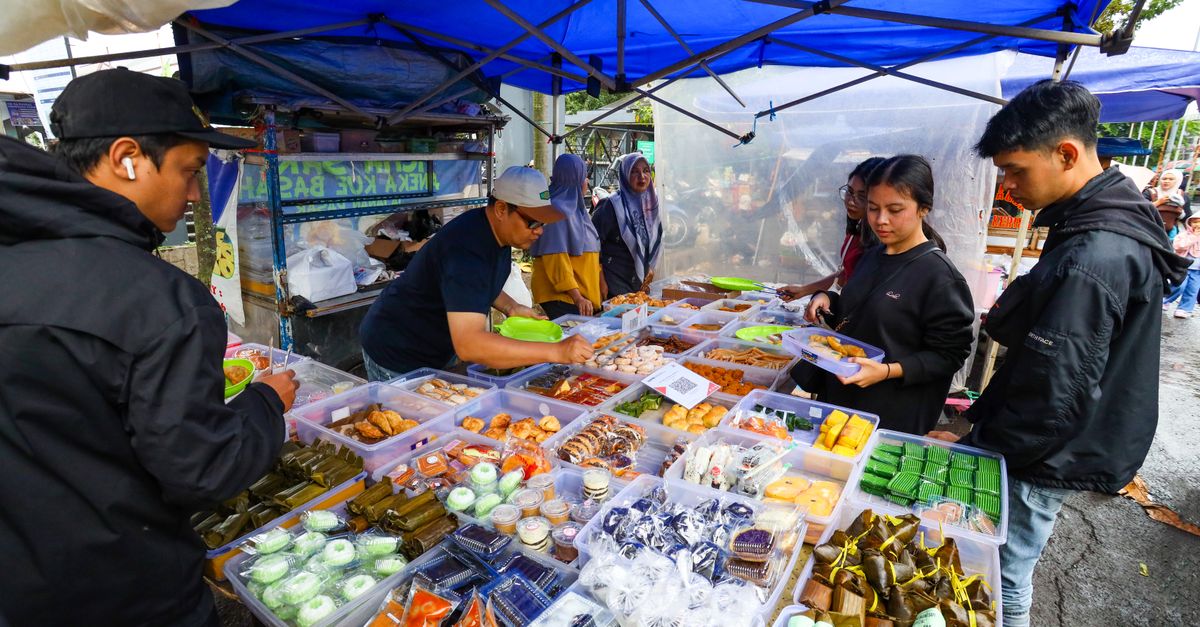
Malacca's Essential Food Neighborhoods
Chinatown (Jalan Hang Jebat / Jonker Street Area) is the undisputed food heart of Malacca — the cluster of prewar shophouses between the Dutch Square and Jalan Hang Lekiu where Chinese Peranakan culture is most concentrated and most edible. Chicken rice ball restaurants, Nyonya kueh specialists, cendol stalls, and Peranakan fine dining restaurants like Nancy's Kitchen all operate within a few streets of each other. This is where to spend the most time eating in Malacca, anchored by the weekend Jonker Walk market that transforms the street from historic quarter to festival of food every Friday and Saturday night. Walkable from every Old Town accommodation and a 10-minute walk from the main bus terminal.
The Malay Quarter (Kampung Hulu and surroundings), north of the Old Town around the Kampung Hulu Mosque and the traditional Malay village areas, is Malacca's most authentic Malay food district. The restaurants here serve nasi padang-style Malay rice with multiple accompaniments, asam pedas, beef rendang, and the full range of traditional Malay vegetable and fish dishes in a setting unchanged by tourist development. Prices are notably lower than Chinatown equivalents. The morning market in the area begins at 6am and is the best place in Malacca to observe everyday Malay food culture — the fresh fish counters and sambal paste vendors tell the story of local cooking more clearly than any restaurant menu.
Ujong Pasir (Portuguese Settlement), 4km southeast of the Old Town, is Malacca's most historically unique food neighbourhood — a fishing village-turned-settlement where the descendants of 16th-century Portuguese colonists maintain their Kristang language, Catholic faith, and unique Eurasian cuisine. Weekend evenings at the Portuguese Square food court bring out stalls selling kari debal, sugee cake (semolina and almond cake), seafood preparations in the Portuguese style, and pang sus (fried yam dumplings). The atmosphere is community rather than tourist — the food reflects genuine cultural continuity rather than heritage performance. Take a Grab taxi from the Old Town (10 minutes); the return is easy from the settlement's main square.
Practical Eating Tips for Malacca
Malacca is excellent value for food across all price points. Hawker stalls and market food costs RM5–RM15 per dish. Mid-range restaurants charge RM20–RM40 for a full meal. Fine dining Nyonya restaurants (Nancy's Kitchen, Baba Charlie) serve three-course meals for RM60–RM120 per person — still affordable by international standards. Muslim halal food is the majority offer at Malay and Indian Muslim restaurants; non-halal Chinese-operated restaurants serve pork dishes and alcohol. The distinction is clear — look for halal certification stickers at Muslim establishments. All major restaurants accept credit cards; market stalls are cash only. Bring small-denomination ringgit for market eating.
Heat management is the primary practical concern for visitors unused to Malaysian food — the chilli levels at local warungs and hawker stalls are calibrated for local palates, which means significantly hotter than tourist-modified versions. Ask "boleh kurang pedas?" (can you make it less spicy?) at any stall — the answer is almost always yes, and the quality is maintained. Drink isotonic drinks (100Plus is the local standard) rather than very cold water if overheated — the electrolytes manage chilli heat more effectively than cold water. Malacca's humidity peaks in the afternoon; plan your heaviest eating for morning and evening, with a rest and lighter snacking during the 2–5pm period when the heat is most intense.