
Luxembourg City's food scene is one of Europe's best-kept secrets — a small, wealthy capital at the intersection of French culinary tradition, German Gemütlichkeit, and Belgian beer culture, producing a cuisine that is confidently its own. This is a city where Michelin stars per capita exceed many larger European capitals, where the local markets stock produce from Luxembourg's pristine farmland, and where the wines of the Moselle River valley — white wines of genuine quality made from Rivaner, Auxerrois, and Riesling grapes — deserve far more international attention than they receive.
The food culture here has a contradictory quality: unpretentious and hearty at its traditional core (smoked pork and broad beans, tripe sausages, bean soups), yet sophisticated and internationally influenced at its surface, shaped by the city's outsized international community of EU bureaucrats, lawyers, and financial sector workers who demand quality and are willing to pay for it. Luxembourg City eats extremely well across the entire price spectrum.
The single dish you must eat is judd mat gaardebounen — smoked collar of pork with broad beans in a cream sauce — the national dish of Luxembourg and one of Central Europe's most satisfying warm-weather meals despite being made entirely of winter comfort food ingredients. Order it with a glass of Pinot Gris from the Moselle and experience Luxembourg's food identity in a single plate.
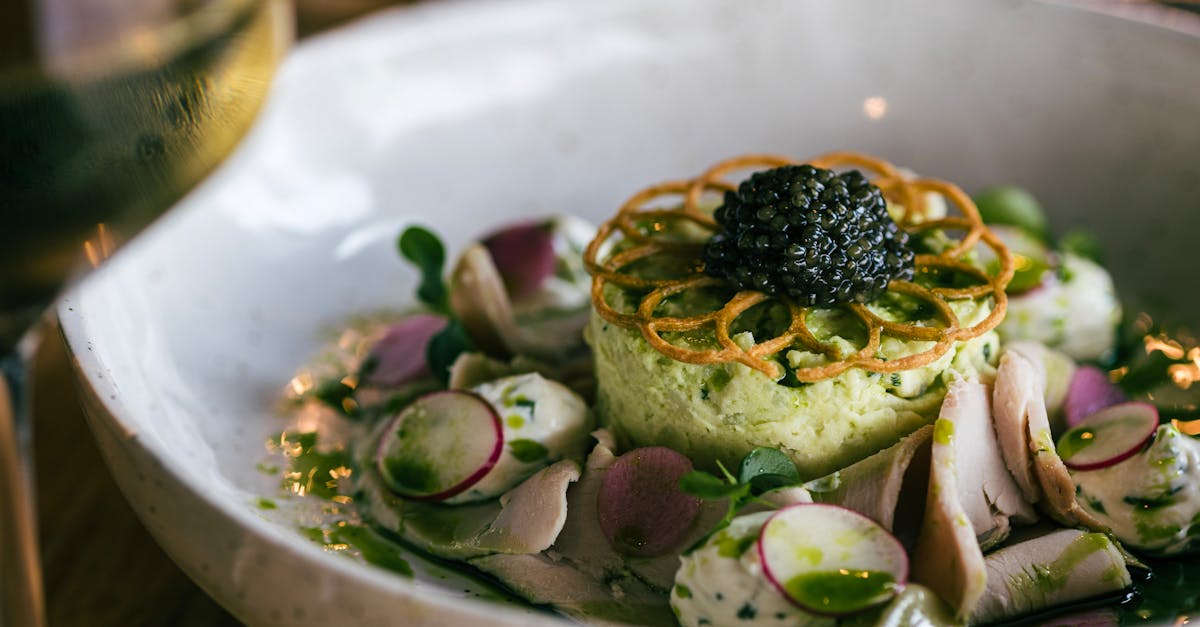
10 Must-Try Dishes in Luxembourg City
1. Judd mat Gaardebounen (Smoked Pork with Broad Beans)
Judd mat Gaardebounen is Luxembourg's national dish — and unlike many national dishes that have become faded symbols rather than genuine daily food, this one is still eaten with enthusiasm and frequency. "Judd" refers to the smoked collar of pork (Kasseler in German, échine fumée in French) — a cut cured in salt brine then cold-smoked over beechwood. "Gaardebounen" are broad beans (also called garden beans locally), cooked in a cream and herb sauce. The combination is simple, filling, and deeply satisfying.
The smoked pork has a complex saltiness with a mild smoke character — milder than German smoked ham, closer to the Belgian Ardennes tradition. The broad beans are cooked with savory (Saturei — an aromatic herb essential to this dish), cream, and often a splash of white wine. The dish is typically finished with fried cubed potatoes on the side. The combination of fatty smoked meat, creamy legumes, and crispy potatoes covers every textural and flavour base simultaneously.
Café Chiggeri on Rue du Nord in the Ville Haute (Upper City) district serves an excellent version of judd mat gaardebounen in a warm, wood-panelled dining room that feels appropriately Luxembourg. Brasserie Wengler near the Place Guillaume II is another landmark for this dish. Rue du Nord is in the historic centre of Luxembourg City, walkable from the Grand Ducal Palace in 10 minutes.
A main course of judd mat gaardebounen costs €18–€26. The dish is a lunch and dinner staple — available year-round at traditional Luxembourg brasseries and cafés. It is best eaten in late spring when fresh broad beans from Luxembourg farms are in season (May–June), though the frozen-bean version served year-round is perfectly acceptable. Pair with a glass of Luxembourg Pinot Gris from Caves Bernard-Massard for a classic regional combination.
2. Bouneschlupp (Green Bean Soup)
Bouneschlupp — green bean soup — is Luxembourg's most beloved everyday soup and appears on lunch menus across the country from spring through autumn. The soup is made from fresh green beans, potatoes, onions, and a smoked piece of pork or bacon, all simmered in a clear broth that concentrates the vegetable sweetness. Some versions add cream for richness; others finish with a splash of wine vinegar for brightness. Chopped savory (the same herb that appears in judd mat gaardebounen) is always added at the end.
The flavour is clean and deeply vegetable-forward — the smoked pork provides a background richness without dominating. The soup is substantial enough to serve as a full lunch with bread, which is how most Luxembourgers eat it. The addition of savory gives it a distinctive aromatic note — herbal and slightly peppery — that distinguishes it from simple vegetable soups. This is comfortable, unhurried cooking at its most accomplished.
Kamakura restaurant in the Ville Haute area serves bouneschlupp alongside a full range of traditional Luxembourg dishes. Most market restaurants and brasseries in the Old City area will have it on their daily blackboard (ardoise du jour). The weekly market at Place Guillaume II on Wednesday and Saturday mornings has vendors selling prepared bouneschlupp to take away in containers for immediate eating on the market square.
A bowl of bouneschlupp at a restaurant costs €8–€14 as a starter or €12–€16 as a lunch main. Market versions cost €5–€8 in a take-away container. This is Luxembourg's most accessible traditional dish — mild in seasoning, vegetable-heavy, and gentle enough for any palate. Order it before the judd mat gaardebounen for a complete traditional Luxembourg lunch experience.
3. Gromperekichelcher (Potato Pancakes)
Gromperekichelcher — Luxembourg's potato pancakes — are a street food institution: grated potato mixed with egg, flour, onion, and parsley, formed into rounds and fried until golden and crispy. They appear at every Luxembourg market, fair, and festival, sold from griddle stands that fill the surrounding air with the supremely attractive smell of potato caramelising in oil. In Luxembourg, they are the definitive street food, eaten standing at a market with fingers, sometimes with a side of apple sauce or sour cream.
The texture is everything: a crispy exterior shell giving way to a fluffy, potato-dense interior with the sweetness of cooked onion and the freshness of parsley. The pancakes are larger than Swiss rösti and less dense than German Kartoffelpuffer — a specifically Luxembourg proportion that is more pancake than fritter. They are best eaten the moment they leave the griddle, before the crust softens, which is invariably how they are consumed at market stands.
The Christmas market at Place d'Armes in the Old City is the most atmospheric setting for gromperekichelcher — stands operate from late November through the end of December and draw enormous queues. The weekly market at Place Guillaume II has a vendor year-round. The Schueberfouer — Luxembourg's massive annual fair held in late August — has dozens of stands competing for the best gromperekichelcher in the grand duchy.
A serving of gromperekichelcher costs €3–€6 at a market stall. They are always cash transactions at traditional market stands — bring coins. Eat them with a jar of local apple sauce (available at the market fruit stalls alongside) for the most Luxembourgish possible experience. These are not diet food; they are pure, unrepentant carbohydrate joy.
4. Moselle Valley Wines (Rivaner, Auxerrois, Riesling)
Luxembourg's wine region along the Moselle River on the country's eastern border with Germany produces white wines of genuine quality that suffer primarily from obscurity — virtually unknown internationally, consumed almost entirely within Luxembourg and Belgium. The main grape varieties are Rivaner (Müller-Thurgau, producing the lightest, most approachable style), Auxerrois (uniquely characteristic of the Luxembourg Moselle, producing wines of real flavour and texture), Elbling (an ancient variety with bracingly high acidity), and Riesling (producing the region's most serious wines).
Luxembourg Moselle wines are characterised by elegance, freshness, and mineral precision — the cool climate and limestone-clay soils produce wines with natural acidity that pairs brilliantly with the region's pork-and-bean-heavy cuisine. Crémant de Luxembourg (méthode traditionnelle sparkling wine) has become the grand duchy's unofficial national aperitif and is genuinely excellent — comparable to good Crémant d'Alsace at a lower price point.
Vinoteca on Rue du Curé in the Old City is an excellent wine bar specialising in Luxembourg and European wines, with knowledgeable staff and a strong by-the-glass selection. The Caves Bernard-Massard winery in Grevenmacher on the Moselle offers tours and tastings 50km east of Luxembourg City — an essential day trip for wine enthusiasts. The cellars house some of Luxembourg's best Crémant production.
A glass of Luxembourg white wine at a restaurant costs €5–€9. A bottle from a restaurant wine list runs €22–€45 for Luxembourg Moselle wines. The Caves Bernard-Massard tour including tasting costs €8–€12. Buying wines directly from producers along the Moselle Route touristique offers the best value — producers sell direct from their cellars at €8–€15 per bottle for wines that represent excellent value by any European standard.
5. Träipen (Black Pudding / Blood Sausage)
Träipen is Luxembourg's traditional black pudding — blood sausage made with pig's blood, pork fat, onions, and a distinctive spice blend that typically includes allspice, cloves, and marjoram. It appears primarily in autumn and winter at Luxembourg's traditional restaurants and at the country's famous fairs. Unlike the wet, soft British black pudding, träipen has a firmer texture and a more complex spicing — closer to the French boudin noir or Belgian bloedpens but with Luxembourg's own herbal signature.
Träipen is traditionally served fried in butter until the casing crisps and the interior heats through — the exterior develops a slight char while the filling remains moist and richly flavoured. It is typically accompanied by fried apple slices (the sweet-acid fruit cutting through the blood's richness), onion compote, and potato purée. This combination of blood sausage, apple, and potato is one of Central European food culture's great triumvirates.
Brasserie Clairefontaine on Place de Clairefontaine near the Grand Ducal Palace serves seasonal Luxembourg dishes including träipen in its autumn and winter menu — the restaurant occupies a beautiful historic building and maintains serious standards. Place de Clairefontaine is in the heart of the Ville Haute, five minutes from the Grand Ducal Palace. Restaurant Mosconi on Rue Münster in the Grund district below the Old City is Luxembourg's top-rated restaurant and occasionally features refined träipen preparations.
A träipen plate at a traditional brasserie costs €15–€22. At fine dining level, prepared as a refined amuse or starter, expect €12–€18 for a smaller portion. Träipen is seasonal — most reliably available October through February. The Schueberfouer fair in August has a vendor famous for fresh-made träipen sandwiches that are worth the queue. Do not miss this if visiting during the fair period.
6. Rieslingspaschtéit (Veal and Pork Pâté in Riesling Pastry)
Rieslingspaschtéit — the name comes from a combination of Riesling wine and pâté en croûte — is Luxembourg's most distinctive and celebratory dish: a raised pastry case filled with a combination of veal, pork, and sometimes game forcemeat, flavoured with Moselle Riesling and aromatic herbs, baked in a pastry coffin and finished with a Riesling wine-and-stock gelée poured through a chimney hole in the pastry lid. It is Luxembourg's equivalent of a British game pie — technically demanding, festive in character, and extraordinary when made well.
The flavour combines the richness of the pork-veal filling with the brightness of the Riesling, the herbal aromatics, and the buttery pastry exterior. The gelée — the set wine-and-stock mixture that fills the air pockets inside the finished pie — adds an elegant, slightly winey note to every slice. This is Luxembourg's Sunday lunch centrepiece and its most sophisticated traditional preparation.
Traditional charcuteries and delicatessens across Luxembourg City sell rieslingspaschtéit whole or by the slice — look in the covered market Les Halles at Hollerich or at Boucherie Schmit near the Glacis park. For restaurant versions, Café de Paris on Place d'Armes and Restaurant Mosconi both feature the dish on special occasion menus. Les Halles is at Hollerich, south of the Old City, accessible by bus or tram.
A slice of rieslingspaschtéit at a charcuterie costs €8–€14. A whole pâté en croûte from a quality charcuterie costs €35–€65 depending on size and filling. This is an excellent dish for a picnic at Luxembourg's Pétrusse Valley park — buy a slice, add local cheese and a bottle of Luxembourg Crémant, and eat on the grass above the ancient fortifications.
7. Kachkéis (Cooked Spreadable Cheese)
Kachkéis — cooked cheese — is one of Luxembourg's most idiosyncratic traditional foods: a processed-style spreadable cheese made by melting quark or fromage blanc with butter, salt, and caraway seeds into a silky, pale yellow paste with a distinctive sharp-sour flavour. It is technically the world's oldest processed cheese — a traditional method of preserving excess dairy that predates industrial cheese processing by centuries. Luxembourgers spread it on bread, eat it with Moselle wine, and consider it a national comfort food.
The flavour of kachkéis is stronger than it looks: tangy and slightly funky from the fermentation stage of the quark base, rich from the butter, and aromatic from the caraway. The texture is smooth and spreadable, slightly stringy when warm. It is Luxembourg's version of fromage fort — the French tradition of blending leftover cheese scraps with wine and salt. Paired with dark rye bread and a glass of Auxerrois white wine, kachkéis is one of Luxembourg's most complete snack experiences.
Kachkéis is sold at supermarkets throughout Luxembourg (look for the Luxlait brand) and at artisan cheese stalls at the Place Guillaume II market. Traditional Luxembourgish brasseries serve it as a cheese course or standalone snack. The Wednesday and Saturday markets at Place Guillaume II are the best places to try artisan versions made from raw milk with superior flavour to supermarket varieties.
Supermarket kachkéis costs €3–€5 for a container sufficient for several servings. Artisan versions at the market cost €5–€9. A kachkéis plate at a brasserie runs €7–€12 with bread and wine accompaniments. This is Luxembourg's best snack and its most exportable food product — it travels well and makes an excellent souvenir for cheese-loving friends back home.
8. Crémant de Luxembourg (Luxembourg Sparkling Wine)
Crémant de Luxembourg is the grand duchy's most celebrated wine category and its finest contribution to European sparkling wine culture. Made by the traditional method (secondary fermentation in bottle, just like Champagne) from Pinot Blanc, Auxerrois, Pinot Gris, Riesling, and Pinot Noir grapes grown along the Moselle, Luxembourg Crémant achieves a finesse and complexity that consistently surprises those encountering it for the first time. The best producers — Caves Bernard-Massard, Domaines Vinsmoselle, Sunnen-Hoffmann — make wines that compete comfortably with fine Crémant d'Alsace.
The typical style is elegant rather than powerful: fine, persistent bubbles, green apple and citrus aromas, a creamy mousse, and a clean, mineral finish. Prestige cuvées from top producers develop brioche and yeast complexity with additional ageing. Luxembourg Crémant is served as an aperitif at virtually every formal dinner in the grand duchy and as a celebratory drink at weddings, state events, and restaurant milestone occasions.
Vinoteca on Rue du Curé has the best selection of Luxembourg Crémant by the glass in the city. Supermarkets throughout Luxembourg stock national brands at accessible prices for self-purchase. For the best Crémant experience, visit the Caves Bernard-Massard in Grevenmacher (50km east, on the Moselle) where the tour includes a museum, cellar visit, and a tasting of their full Crémant range.
A glass of Crémant at a restaurant costs €7–€12. A bottle from a restaurant list runs €25–€45. Supermarket prices for Luxembourg Crémant brands average €9–€15 per bottle — extraordinary value for the quality level. The Caves Bernard-Massard's export label wines are available in some specialist wine retailers in Belgium, Germany, and occasionally the UK — worth seeking out to relive the Luxembourg experience at home.
9. Wäinzoossiss (Wine Sausage)
Wäinzoossiss — wine sausage — is Luxembourg's delightfully specific contribution to the sausage canon: a fine-ground pork sausage flavoured with Moselle white wine and aromatic spices including nutmeg and white pepper. It is lighter in colour and flavour than a standard Bratwurst, with the wine giving it an aromatic brightness that sets it apart from German and Belgian sausage traditions. It appears at markets, fairs, and traditional restaurants throughout the grand duchy.
The wine in the sausage is not a gimmick — it genuinely lightens the pork fat and adds a fragrant, slightly acidic quality that works brilliantly when the sausage is grilled over charcoal. The Maillard reaction chars the exterior while the interior stays succulent and aromatic. Served in a bread roll with Luxembourg mustard (milder and slightly sweeter than German Senf), this is Luxembourg's street food pinnacle — a genuine regional variation on a Central European classic.
Wäinzoossiss are sold at market stands across Luxembourg City, most visibly at the Place Guillaume II market and the Schueberfouer fair. Traditional charcuteries including Boucherie Gantenbein in Limpertsberg (north of the Old City, accessible by bus) make their own versions. The market sausage stands are typically open from 9am to 6pm on market days.
A wäinzoossiss in a roll at a market stand costs €4–€7. Raw sausages from a charcuterie for home cooking cost €3–€5 for two sausages. Pair with a glass of Luxembourg Rivaner — the lightest and most food-friendly of the Moselle whites — for a perfectly calibrated regional pairing. This is Luxembourg's most democratic food — enjoyed equally by schoolchildren and EU commissioners.
10. Quetschentaart (Plum Tart)
Quetschentaart — damson plum tart — is Luxembourg's most beloved seasonal dessert, appearing in pastry shops and home kitchens from August through October when the deep purple quetsch (damson) plums ripen in Luxembourg's orchards. The tart is typically made with a shortcrust or enriched yeast dough base, topped with halved damsons arranged in overlapping rows, sprinkled with cinnamon-sugar, and baked until the plums collapse slightly and caramelise at the edges. It is both beautiful and deeply flavoured.
The flavour of damson plums is distinctly more complex than sweet plums — slightly tart, more jammy, with a floral stone-fruit quality that is enhanced by the heat of baking. The cinnamon adds warmth; the sugar draws out the plum juices into a sticky, toffee-like glaze. Served warm with a spoonful of crème fraîche or a scoop of vanilla ice cream, quetschentaart is Luxembourg's answer to French tarte Tatin — humble in construction, extraordinary in the eating.
Every pastry shop (patisserie) in Luxembourg City makes quetschentaart during plum season. Pâtisserie Namur on Rue du Curé in the Old City is consistently praised for their version. The Saturday market at Place Guillaume II has a fruit and preserves stall that also sells ready-made tarts in September and October. September is the optimal month — the plums are at peak ripeness and every café in the country is serving a version.
A slice of quetschentaart at a café costs €4–€7. A whole tart from a patisserie costs €18–€30 depending on size. Quetsch jam (available year-round in Luxembourg supermarkets) makes an excellent edible souvenir. Luxembourg's Confiture de Quetsche is one of the grand duchy's most distinctive products — a deeply coloured, intensely flavoured preserve unlike any other European plum jam.
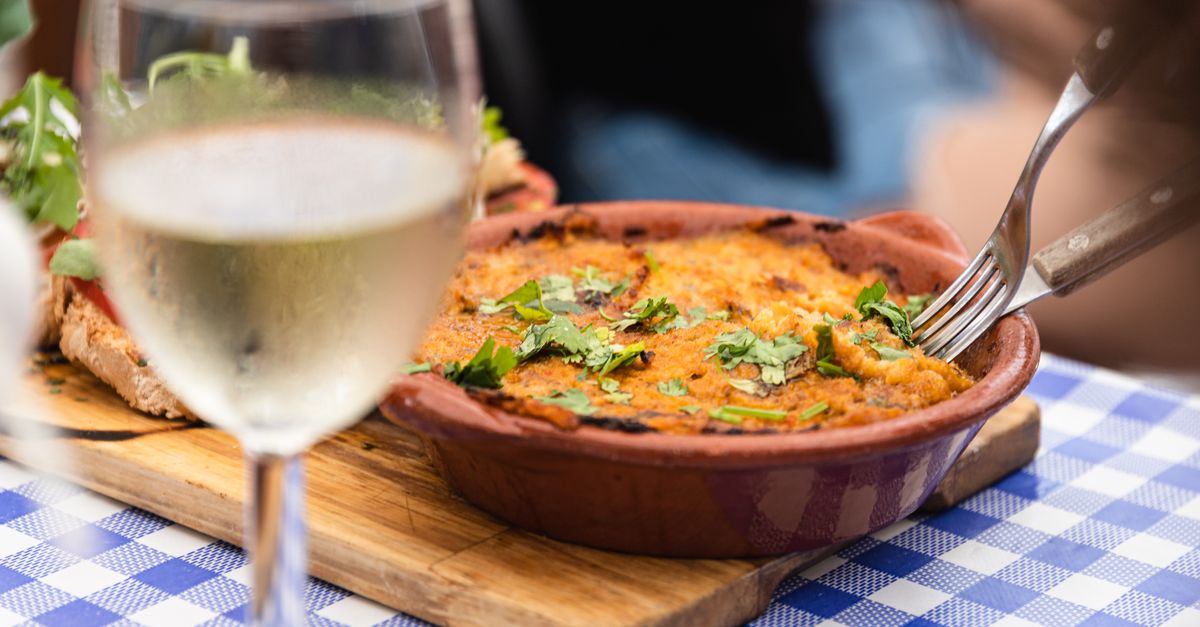
Luxembourg City's Essential Food Neighborhoods
Ville Haute (Upper City / Old Town) is the historic, elevated centre of Luxembourg City where the Grand Ducal Palace and the most elegant restaurants and wine bars are concentrated. Place d'Armes and Place Guillaume II are the twin hubs — surrounded by brasseries, patisseries, and cafés that range from the tourist-oriented to the genuinely excellent. Café Chiggeri, Brasserie Wengler, and Pâtisserie Namur all operate within 10 minutes' walk of each other in this area. This is also where the weekly market sets up on Wednesday and Saturday mornings — the most atmospheric food shopping in the grand duchy. The Ville Haute is pedestrianised in its historic core and easily explored on foot from the central bus station.
Le Grund (the Grund District), below the Old City in the Alzette River valley, is Luxembourg's most charming neighbourhood — medieval stone buildings along the riverside, a former industrial area now home to galleries, bars, and restaurants. Restaurant Mosconi (Luxembourg's only two-Michelin-star establishment) is here, as are several excellent casual wine bars and bistros. The Grund is reached by elevator from the upper city (a free public lift operates from Rue Münster) or by walking the Alzette valley path. Evening eating in the Grund, with the city's illuminated fortifications visible above, is one of Europe's most dramatically beautiful restaurant settings.
Limpertsberg and Hollerich, north and south of the Old City respectively, are Luxembourg City's residential-commercial food districts where locals actually shop and eat daily. The covered market Les Halles at Hollerich has artisan food producers, a cheese counter, wine merchant, and a handful of small restaurant stalls. Limpertsberg's Avenue de la Faïencerie has a concentrated strip of neighbourhood restaurants and wine bars without tourist pricing. The tram from the Old City to both districts takes 5–10 minutes — these are the neighborhoods that show Luxembourg eating from the inside rather than from the tourist exterior.
Practical Eating Tips for Luxembourg City
Luxembourg City is one of Europe's most expensive capitals for food and drink — budget €60–€100 per person per day if eating out at a mix of casual and mid-range restaurants. A beer at a brasserie costs €4–€6; a glass of wine €6–€10; a main course €20–€35. The market visits and self-catering at the supermarkets (Cactus is the premium Luxembourg chain) can significantly reduce costs — a quality self-assembled charcuterie and wine picnic at Pétrusse Valley park costs €15–€25 per person and rivals any restaurant experience. Luxembourg is multilingual — menus are typically in French, German, and sometimes Luxembourgish; English is spoken universally. Service charge is not standard — tip 10–15% if satisfied.
Eating seasonally is particularly rewarding in Luxembourg — the country's small size means seasonal produce at the market genuinely reflects what was picked that week from Luxembourg's own farms. Asparagus season in May, broad beans in June, plums in September, game in October — each marks a shift in what the best restaurants are serving. Luxembourg's food culture rewards those who visit with a specific seasonal dish in mind and plan accordingly. The grand duchy is small enough to reach the Moselle wine country from the city in under an hour — pairing a restaurant dinner with an afternoon winery visit is a completely practical itinerary and one of the most pleasurable ways to spend a day in Luxembourg.

