Portuguese food is the great underrated cuisine of Europe. While the world obsesses over French technique and Italian ingredients, Portugal has been quietly perfecting a culinary tradition built on the Atlantic Ocean, five centuries of global spice trade, and a national character that treats eating as a communal act of love rather than a display of sophistication.
Lisbon is where this tradition concentrates and intensifies. A city where a €1.40 custard tart can be a transcendent experience, where dried cod has been elevated into an art form with supposedly 1,001 recipes, and where the humblest neighborhood tasca serves grilled sardines and house wine at prices that make visiting Parisians quietly furious.
This guide covers the essential dishes, the markets and neighborhoods where Lisbon eats best, and the practical knowledge that will help you eat extraordinarily well on a modest budget.

Essential Lisbon Dishes
1. Pastéis de Nata
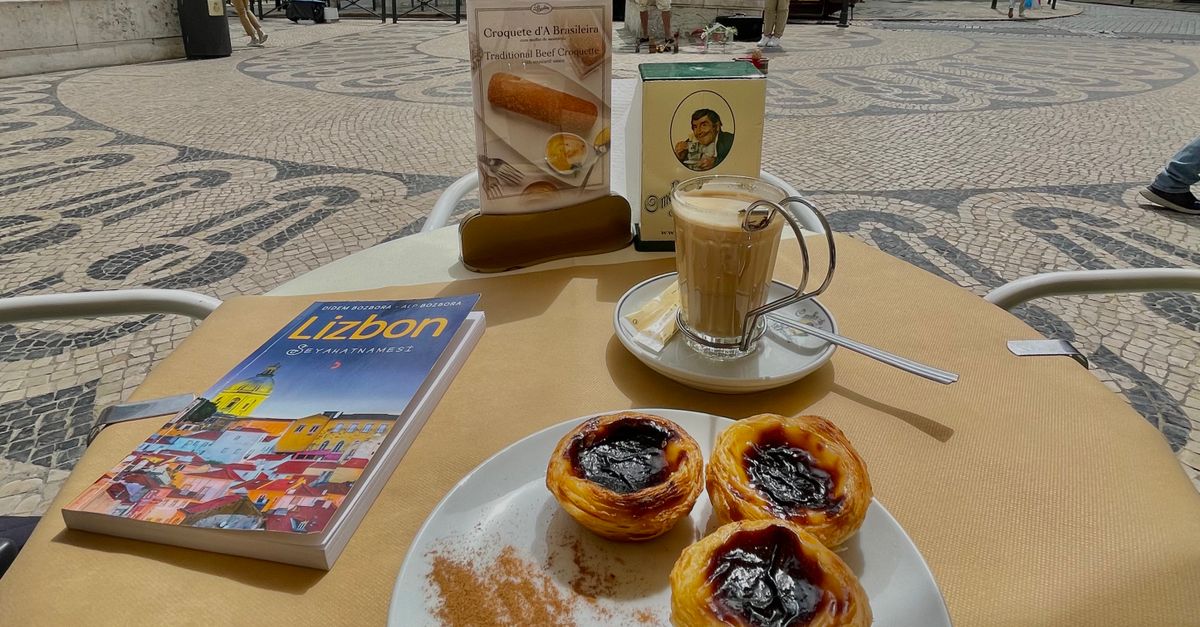
The custard tart that has conquered the world — but nowhere makes them better than Lisbon. A thin shell of flaky, shatteringly crisp puff pastry filled with rich egg custard, baked at extreme heat until the top blisters with dark caramelized spots. Eaten warm, dusted with cinnamon and powdered sugar, preferably standing at a bakery counter with a strong espresso (bica) alongside.
The definitive version is at Pastéis de Belém (Rua de Belém 84-92), which has made them using the original 1837 monastery recipe since forever. They cost €1.40 each. Eat at least two — one to taste, one to confirm. For excellent nata closer to the center, Manteigaria (Rua do Loreto 2, Chiado) bakes them continuously behind a glass window and serves them scorching hot for €1.50.
2. Bacalhau (Salt Cod)
Portugal's obsession with dried, salted cod borders on the religious. The Portuguese have been fishing cod in the North Atlantic since the 15th century and preserving it in salt for the long voyages home. The result is a national ingredient with supposedly 1,001 recipes — meaning you could eat a different bacalhau dish every day for nearly three years.
The essential versions: Bacalhau à Brás — shredded cod scrambled with eggs, matchstick fries, onions, and olives. Simple, golden, and addictive. Bacalhau com natas — cod baked in cream with potatoes. Pastéis de bacalhau — deep-fried cod and potato croquettes, served as a snack with beer (€1.50-2 each). Bacalhau à lagareiro — a thick cod steak roasted with olive oil, garlic, and roasted potatoes.
A bacalhau dish at a traditional restaurant costs €10-16. Cervejaria Ramiro serves excellent bacalhau alongside their famous shellfish. For the everyday version, any tasca in Alfama or Mouraria will have at least two bacalhau preparations on the daily menu.
3. Bifana
Lisbon's ultimate street sandwich — thin slices of pork marinated in garlic, white wine, and paprika paste, flash-fried and stuffed into a crusty roll. The bread soaks up the spicy, garlicky pork juices and the whole thing costs €3-4. Some places add mustard or piri-piri sauce. Eaten standing at the counter with a beer (€1.50-2) for the full experience.
As Bifanas do Afonso (Praça da Figueira) serves one of Lisbon's most celebrated versions. O Trevo in the Intendente neighborhood is a local favorite. Any cervejaria (beer hall) with a counter will serve a decent bifana. This is Lisbon's answer to fast food — cheap, delicious, and available everywhere.
4. Ginjinha
A sour cherry liqueur that is Lisbon's signature drink — sweet, potent (about 20% ABV), and served in tiny glasses or, better, in small edible chocolate cups. The ritual: step up to the counter of a tiny ginjinha bar, pay €1.50, choose "com" or "sem" (with or without the macerated cherries at the bottom), and drink it in one or two sips standing at the bar.
A Ginjinha (Largo de São Domingos 8) has served nothing but ginjinha since 1840 from a bar barely wider than a doorway. The queue moves fast. Ginjinha Sem Rival across the square is the competition, equally good. Two or three ginjinhas and you are feeling warmly Portuguese.
5. Sardines
Portugal consumes more sardines per capita than any other European country, and June (the month of the Santos Populares festivals) is sardine season — the entire city smells of charcoal-grilled fish. Fresh sardines are grilled whole over charcoal, served on a slice of bread that soaks up the smoky, oily juices, and eaten with your hands.
A plate of grilled sardines costs €8-12 at a restaurant, less at a tasca. O Velho Eurico in Time Out Market serves them beautifully. During the Santo António festival (June 12-13), the streets of Alfama fill with makeshift grills and the entire city eats sardines outdoors — it is Lisbon's most authentically joyful tradition.
Time Out Market (Mercado da Ribeira)
Lisbon's most famous food hall, housed in the renovated 1892 Ribeira Market in Cais do Sodré. The Time Out concept — food editors curate the best chefs under one roof — works brilliantly here. Twenty-six restaurants and eight bars serve everything from Michelin-starred dishes at market prices to traditional Portuguese comfort food.
Must-try stalls: Henrique Sá Pessoa (creative Portuguese, dishes €8-15), O Prego da Peixaria (fish sandwiches, €7-9), Marisqueira Azul (fresh seafood, €10-18), and Marlene Vieira (modern Portuguese, €8-14). The communal tables are lively, the quality is consistently high, and the prices — while slightly above neighborhood restaurants — are fair for what you get. The traditional market still operates on the other side of the building — visit in the morning for fresh fish, produce, and flowers at local prices.
Where to Eat by Budget
| Meal | Budget (€) | Mid-Range (€) | Splurge (€) |
|---|---|---|---|
| Breakfast | €2-4 (nata + bica) | €6-10 (brunch cafe) | €15-25 (hotel brunch) |
| Lunch | €5-8 (bifana/tasca) | €10-16 (restaurant) | €25-40 (seafood) |
| Dinner | €8-12 (tasca) | €15-25 (restaurant) | €40-80 (fine dining) |
| Snacks | €1.50-3 (nata/croquette) | €4-6 (petiscos) | €8-12 (cheese plate) |
| Drinks | €1-2 (beer/ginjinha) | €3-5 (wine) | €8-12 (cocktails) |
Neighbourhood Food Map
Alfama
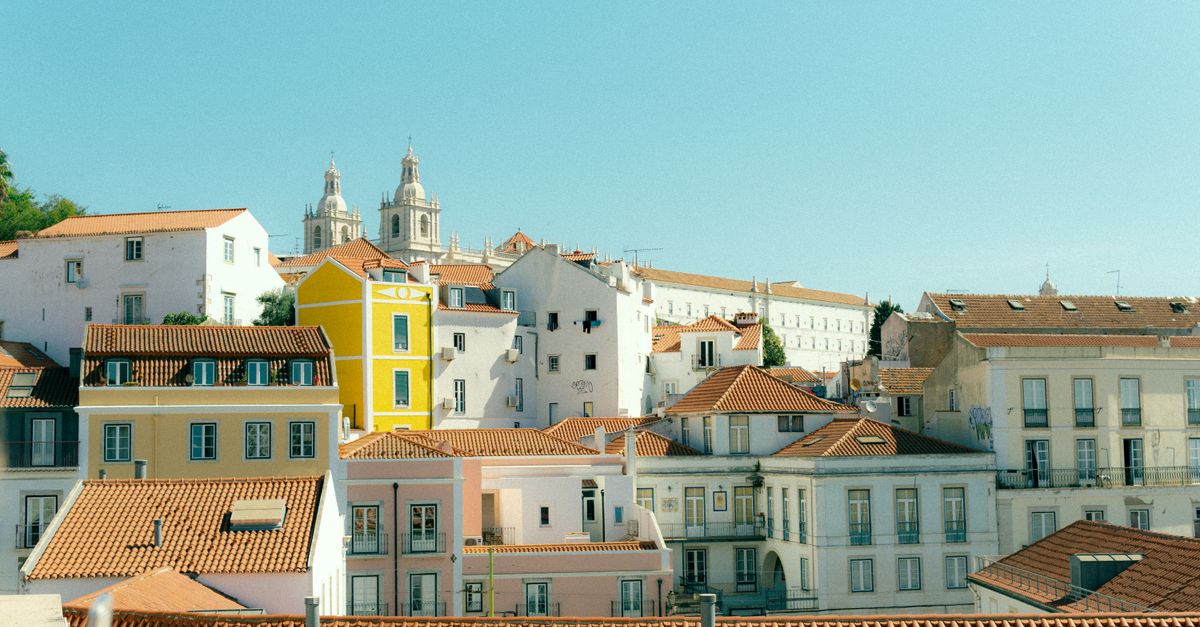
Traditional tascas and fado restaurants. The most authentic dining in Lisbon — tiny rooms, handwritten menus, and grandmotherly cooking. Taberna da Rua das Flores is the most famous, but you need reservations days ahead. Walk the back streets and follow the locals — if a tiny restaurant has three tables, a Portuguese grandmother in the kitchen, and no English menu, you have found gold.
Cais do Sodré
Time Out Market and the surrounding streets have made this the nightlife and food hub. Cervejaria Ramiro is nearby for legendary shellfish. Sol e Pesca (Rua Nova do Carvalho 44) is a former fishing tackle shop that now serves tinned fish (conservas) — beautifully packaged sardines, tuna, and mackerel opened at your table with bread and wine for €4-8 per tin.
Mouraria
The multicultural neighborhood behind Alfama — Lisbon's hidden food district with the best non-Portuguese food in the city: Indian curries, Chinese dim sum, Mozambican chicken, and Cape Verdean stews alongside traditional Portuguese tascas. Less polished than Alfama, more real.