Lijiang is simultaneously one of China's most popular tourist destinations and one of its most genuinely distinctive food cities — a fact that should be impossible but is explained by the depth and specificity of the Naxi culinary tradition. The Naxi people, who have inhabited this corner of northwestern Yunnan Province for over a thousand years, developed a cuisine shaped by the surrounding landscape of the Jade Dragon Snow Mountain, the Tiger Leaping Gorge, and the ancient Tea Horse Road trade routes that connected Yunnan to Tibet and beyond. The food here carries all of that geography and all of that history in every bite.
What makes Lijiang's food extraordinary is the altitude-shaped ingredient quality and the convergence of culinary traditions along the ancient trade routes. At 2,400 meters, the temperature range produces exceptional vegetables — the brassicas, root vegetables, and herbs that grow in the cool highland climate have an intensity of flavor that lowland varieties lack. The Yunnan mushrooms that appear at Lijiang's markets are among the finest in a province renowned for its fungi. And the Naxi BBQ tradition — outdoor meat cooking over wood fires — represents a direct connection to the nomadic herding cultures of the north that passed through this trade route hub for centuries.
The old town of Lijiang (Dayan — the UNESCO World Heritage Site section) is heavily touristed and its restaurant strip has been adjusted accordingly. The real eating happens in Shuhe Ancient Town three kilometers to the north, at the morning market in the new town area, and at the family-run restaurants in the residential alleys of Dayan that have survived between the souvenir shops. Walk until the smell of roasting meat over wood smoke tells you that you have found the right place.

10 Must-Try Dishes in Lijiang
1. Naxi BBQ (纳西烤肉 — Nàxī Kǎo Ròu)
Naxi BBQ is the most direct and most kinetic eating experience in Lijiang — an outdoor grilling tradition where meat (typically yak, pork, and chicken, along with vegetables and tofu) is cooked over wood and charcoal fires in the open air, often by the roadside or in the courtyard of traditional Naxi wooden buildings. The tradition is rooted in the nomadic and semi-nomadic herding cultures that moved along the Tea Horse Road, where long-distance travelers cooked whatever they had over whatever wood was available. It has become formalized as a restaurant experience but maintains its direct, uncompromising character.
The meat for Naxi BBQ is typically marinated in a sauce of local fermented soybean paste (douchi), chili, garlic, Sichuan pepper, and local herbs before grilling. The marinade penetrates the meat during the extended marination period and caramelizes over the fire's direct heat, producing a char that is sweet, spiced, and smoky simultaneously. Yak meat grilled this way has an intensity that beef cannot match — the leaner, more muscular tissue of the highland yak crisps on the exterior while remaining moist inside when properly handled, carrying the fermented soybean paste's deep umami throughout.
The BBQ restaurants in Shuhe Ancient Town's southern end are considered superior to those in Lijiang's main old town, where the tourist density has pushed quality toward the commercial middle. In Shuhe, several family-run BBQ operations maintain wood-fire cooking and source their yak and highland pork from local farms. The most atmospheric setting for Naxi BBQ is the outdoor courtyard restaurants that operate from mid-afternoon into the evening, where the fire's heat also provides warmth as the highland temperature drops after sunset.
Naxi BBQ costs CNY 60–150 per person for a full meal with multiple meat and vegetable options. Individual skewers or prepared meat portions at street BBQ vendors cost CNY 10–40. The most important consideration is fire quality — wood fire BBQ (柴火, cháihuǒ) versus charcoal versus gas produces dramatically different results. Ask specifically for wood fire cooking; the smoke flavor is an essential component that the other methods cannot replicate.
2. Steam Pot Chicken (汽锅鸡 — Qìguō Jī, Lijiang Style)
Steam pot chicken appears in Lijiang as a version closely related to the Kunming preparation described in that city's guide, but with specific highland Yunnan variations that reflect the ingredients available at this altitude. The Lijiang version frequently incorporates local alpine mushrooms (the Yunnan fungi that are more abundant and more diverse above 2,000 meters), locally harvested matsutake from the forests of the Jade Dragon Snow Mountain range, and highland herbs including lemon thyme and wild mountain herbs that grow along the snowmelt streams feeding the valley.
The steam pot technique is identical to the Kunming version — the specially designed clay vessel with a central chimney that channels steam from below through the chicken pieces, cooking from within and without simultaneously, producing a broth of extraordinary clarity and intensity. At Lijiang's altitude (2,400m compared to Kunming's 1,900m), the water boils at approximately 90°C rather than 93°C, which means the cooking process takes slightly longer but produces an identical result. The altitude affects the cook time but not the quality of the finished dish.
The Lijiang night market and the streets around Shuhe Ancient Town have restaurants serving steam pot chicken as a daily feature. For the Matsutake mushroom version (considered the finest expression of the dish in this region), the specialized mushroom restaurants in the Lijiang old town market area serve it during the June–September mushroom season at premium prices that reflect the extraordinary cost and rarity of the Matsutake ingredient. During off-season, the highland wild mushroom version using other species is excellent and significantly more affordable.
Steam pot chicken in Lijiang costs CNY 80–180 per pot (serves two) for standard versions. The Matsutake version costs CNY 300–600+ during mushroom season. The correct eating approach is to serve the chicken pieces into individual bowls, then pour the extraordinary broth over them to fill the bowl halfway. Eat the chicken first, then drink the broth directly from the bowl. The remaining broth in the pot after the meal should be drunk hot — it concentrates as the evening progresses and represents the dish's deepest flavor.
3. Yunnan Mushroom Hot Pot (云南野生菌火锅)
The wild mushroom hot pot at Lijiang's specialist mushroom restaurants during the June–September peak season is one of the most compelling food experiences in the entire Yunnan province — a communal cooking vessel of mild chicken or pork bone broth into which an extraordinary variety of fresh wild mushrooms are added sequentially, each species contributing its specific flavor profile to the accumulating, increasingly complex broth. The mushrooms available in the Lijiang markets during this period include boletus, chanterelles, oyster mushrooms, milk caps, and the precious matsutake and truffle varieties from the nearby mountain forests.
The wild mushroom season in the Jade Dragon Snow Mountain region typically begins with the first significant summer rains in late June and reaches its peak in August when the mushroom diversity and volume is at maximum. During this period, early morning mushroom markets operate in the Lijiang new town area where highland villagers bring fresh specimens picked before dawn. The quality and variety at these morning markets is staggering — dozens of species displayed in bamboo baskets, each with different colors, textures, and fragrance profiles that represent the full diversity of the montane forest ecosystem above the city.
Yunnan Kuaichao (云南快炒) restaurant near the Lijiang main old town has been praised for their mushroom hot pot during season. For the morning mushroom market experience, the market in the new town area near the Lijiang Bus Station operates from 5:30am and has mushroom vendors from the surrounding mountain villages. Several restaurants adjacent to this market buy directly each morning and serve what arrived — the most honest connection between the forest ecosystem and the table.
Mushroom hot pot per person costs CNY 80–200 depending on the mushroom selection. The matsutake addition costs significantly more. During the height of the season (July–August), the mushroom restaurants fill rapidly for dinner service; reservations or early arrival (5:30pm) is advisable. Always ask the serving staff which mushrooms can be eaten raw as sashimi (a few species permit this), which require longer cooking (boletus should be cooked thoroughly), and which are the season's most exceptional specimens — the staff knowledge is the most accurate guide to what arrived fresh that day.
4. Baba Flatbread (粑粑 — Bābā)
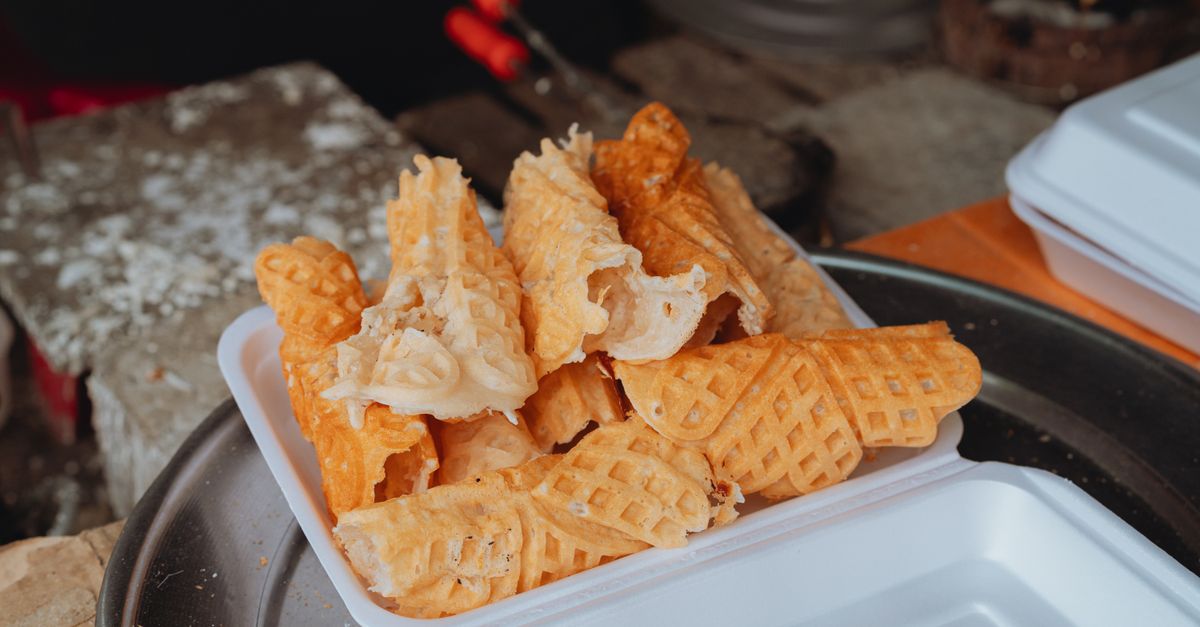
Baba is Naxi flatbread — a thick, round bread made from wheat or rice flour, fried in local sesame oil or lard until golden on both sides. The surface crinkles and crisps while the interior remains soft and slightly chewy. It is Lijiang's most ubiquitous street food, the snack that appears at every market, every Naxi household breakfast, and every roadside stall along the Tea Horse Road trails. The baba tradition is so central to Naxi culture that it appears in the ancient Dongba pictographic scripts — one of the world's few living pictographic writing systems — as a representation of the daily meal.
Baba comes in two main varieties: savory (salty baba with sesame seeds, sometimes with a filling of dried meat or pickled vegetables inside the dough before frying) and sweet (sweet baba brushed with honey or brown sugar after frying). The savory version is eaten as a meal; the sweet version is eaten as a snack or breakfast. Both versions should be eaten immediately from the frying vessel — the crispiness of the exterior degrades rapidly as the bread cools and absorbs its own steam.
Baba vendors operate throughout Lijiang's old town and market areas from morning through early evening. The most traditional version is found at the early morning market in the new town area where Naxi women sell baba from portable frying stations to the early-rising market workers and pilgrimage community. The old town baba stalls near the Mu Tu Square in the Dayan area are convenient and reliable, though priced slightly higher than market area equivalents.
Baba at a market stall costs CNY 5–15 depending on size and filling. A sweet baba with honey and sesame makes an excellent breakfast with strong tea or Yunnan coffee. A savory baba with dried meat filling works as a substantial morning snack or light lunch. The frying oil matters — baba cooked in quality sesame oil has a nutty, fragrant character that lard or vegetable oil cannot replicate. Ask the vendor what oil they use; the answer reflects the kitchen's quality orientation.
5. Yunnan Rice Noodles (米线 — Mǐxiàn, Lijiang Style)
The rice noodle soup culture of Yunnan reaches Lijiang in a form somewhat different from the Kunming standard — the altitude and the specific Naxi food traditions produce a rice noodle soup that uses highland-specific toppings and broth preparations. Lijiang-style rice noodles (Lijiang mixian) typically feature a richer, more intensely flavored pork and mushroom broth than the lighter Kunming versions, with wild highland mushrooms, dried yak meat, and fresh herbs from the surrounding mountain farms added to the standard Yunnan noodle format.
The noodle itself — fresh-pressed rice noodles made from Yunnan's short-grain highland rice varieties — has a slightly different texture from the Kunming version due to the specific rice varieties grown at this altitude. The noodles are slightly firmer and hold their shape better in the rich broth, which is appropriate because the heavier broth would dissolve a more delicate noodle. The combination of mountain mushroom broth, firm highland rice noodles, and the dried yak meat topping represents the Naxi adaptation of the broader Yunnan noodle culture to the specific resources of the highland environment.
The rice noodle shops in Lijiang's old town open from 7am for the breakfast crowd. The highest quality versions are found in the residential alleys behind the main Sifang Street tourist square, where shops serving local families rather than tourists make fresh noodles each morning and maintain broth from genuine bone cooking rather than commercial powder base. The difference is immediately apparent in the broth's color, texture, and depth of flavor.
Lijiang rice noodles cost CNY 12–25 at local noodle shops. Tourist-facing restaurants in the old town charge CNY 25–45 for essentially the same preparation. The local shops near the morning market are the most practically appropriate choice — the freshest noodles, the best broth, and the actual working population eating alongside you rather than a table of visitors negotiating a foreign-language menu. Eat it with the accompanying bowls of chili sauce, fermented bean paste, and fresh coriander that arrive automatically.
6. Fried Goat Cheese (Yunnan Rubing, Lijiang Style)
The Yunnan goat cheese (rubing) tradition described in the Kunming food guide reaches a specific local form in Lijiang, where the highland goats graze on the alpine herbs and grasses of the Jade Dragon Snow Mountain terrain and produce a milk of distinctive character. The Lijiang version of rubing has a slightly more complex flavor than the Kunming valley version — a faint herbal quality from the goat's mountain diet that is absent from lower-altitude milk production. This specificity makes the Lijiang fried goat cheese worth seeking even for visitors who have already eaten rubing elsewhere in Yunnan.
The frying preparation is identical throughout Yunnan: the fresh cheese block is sliced into thick pieces, sometimes coated with a thin cornmeal or breadcrumb layer, and pan-fried in sesame oil or lard until the exterior is deeply golden and slightly crisp while the interior remains soft and barely melted. It is served with chili salt (a mixture of ground chili, Sichuan pepper, and salt) that provides the seasoning contrast the mild cheese requires. Adding the chili salt to the fried surface rather than dipping is the traditional technique — the heat of the cheese softens the salt and draws the chili flavor into the surface layer.
Fried rubing vendors operate throughout Lijiang's old town market area and Shuhe Ancient Town. The stalls at the Sifang Street market square serve it from large flat pans throughout the day. For the most directly Naxi-traditional preparation, the family restaurants in the residential alleys near Mu Tu Square use cheese from small local producers who supply families rather than tourist restaurants. The quality difference between locally-sourced highland rubing and the commercially produced lowland version is immediately apparent in both flavor and texture.
Fried rubing at a street stall costs CNY 8–20 per portion. The portion is typically three to four slices — sufficient as a snack, two portions make a light lunch. Pair it with a glass of Lijiang's local Yunnan wine from the small winery in Shuhe or with a cup of strong pu'er tea from the tea houses of the old town. The cheese and tea combination appears throughout the Yunnan-Tibetan cultural zone and makes practical sense as the dairy fat and the tea's tannins interact beneficially.
7. Naxi Pork (纳西火腿 — Nàxī Huǒtuǐ)
The Naxi preserved pork tradition — air-dried and smoked pork products similar to but distinct from the famous Yunnan ham of the province — reflects the Tea Horse Road's requirement for travel-stable protein that could sustain traders and pilgrims on the demanding Lijiang–Lhasa route. The Naxi version uses a specific curing method combining salt, Sichuan pepper, local herbs, and a wood-smoking step that produces a preserved pork with a flavor profile between Yunnan ham and Tibetan dried meat — smoky, herbal, and intensely savory with a richness from the pork fat that the leaner yak and goat preparations lack.
The preserved pork appears in Lijiang's cooking as both a featured ingredient and a background seasoning. It is stir-fried with local vegetables (highland brassicas, ferns, and the bitter mountain greens that grow wild on the surrounding slopes), incorporated into rice noodle broth as a flavoring agent, and served cold as part of cold platter starters at traditional Naxi restaurants. The thin-sliced cold version, served with pickled chili and fresh scallion, is the most direct expression of the preserved pork's character without the interference of cooking transformation.
Naxi preserved pork is sold at the Lijiang old town market area by vendors who cure their own product from local highland pigs. The products here range from short-cured (two to four weeks) fresh-tasting versions to long-cured (four to six months) intensely flavored preparations. For the most direct eating experience, the restaurants in Shuhe Ancient Town serve it as a standard cold platter item alongside rubing and pickled vegetables. The combination of these three — fried cheese, preserved pork, and pickled vegetables — constitutes a complete traditional Naxi starter spread.
Naxi preserved pork at a market vendor costs CNY 60–120 per kilogram. At restaurants as a cold platter component, CNY 25–50 for a serving of four to six thin slices. The most intensely flavored versions are the longer-cured ones, identifiable by their darker color and firmer texture. Tasting before buying at market vendors is standard practice and expected — vendors will offer small samples unprompted to serious buyers. Never buy preserved pork without tasting; the variation between producers is significant enough that the taste is the only reliable quality indicator.
8. Dongba Tea Culture (东巴茶 — Dongba Chá)
The Naxi Dongba tradition — the ancient shamanic religion of the Naxi people encoded in their pictographic Dongba script — incorporates tea as a ceremonial and daily substance with an importance that parallels the role of tea in Tibetan Buddhist practice. Lijiang's position on the Tea Horse Road made it one of the most important tea trading stations in all of China — pu'er tea from the Xishuangbanna region south of Kunming was traded north through Lijiang on its way to Tibet, and the city developed a profound tea culture as a result of this trade function.
The tea served in Lijiang's traditional tea houses reflects this trade route history — pu'er tea (both sheng and shou varieties) is the most commonly offered, alongside local Yunnan highland teas from the surrounding mountain tea gardens. The Dongba-influenced tea ceremony differs from the more formalized Chinese gongfu tea ceremony in its directness and its emphasis on the tea as a social lubricant rather than an aesthetic performance. Tea is offered at arrival, at departure, and at every significant conversational pause in a Naxi home.
The tea houses on the ground floor of traditional Naxi wooden buildings in both Dayan and Shuhe are the best settings for Lijiang tea culture — the architecture provides both visual context and the practical function of keeping the tea warm against the highland cool. Several tea houses near the Shuhe Ancient Town entrance specialize in the tea varieties that were historically traded through Lijiang, including aged pu'er cakes from the 1990s and early 2000s that provide a direct connection to the trade route era. Tasting an aged pu'er in a Naxi tea house is an act of historical eating as much as sensory pleasure.
Tea house sessions in Lijiang cost CNY 30–80 per person for a traditional tasting. Aged pu'er tea tastings at specialist tea houses cost CNY 100–400 per person depending on the age and rarity of the teas presented. A 357g cake of quality aged pu'er to take home costs CNY 200–2,000+ depending on vintage and producer. The tea experience in Lijiang is most meaningful when the vendor provides historical context alongside the tea — the best tea houses employ staff who can explain the specific trade route connections of each tea they serve.
9. Lijiang Black Bean (丽江黑豆 — Lìjiāng Hēidòu)
Lijiang's highland black beans — a local variety grown in the cooler mountain climate of the surrounding valleys — are one of the region's most distinctive agricultural products and are used in preparations ranging from a simple stewed black bean accompaniment to a fermented black bean paste (dòuchǐ) used as a universal seasoning ingredient in Naxi cooking. The highland variety is smaller, denser, and more intensely flavored than lowland black beans, with a slightly nutty bitterness that distinguishes them from the sweeter lowland equivalents.
The fermented black bean paste (douchi) made from Lijiang black beans appears in the marinade for Naxi BBQ, as a seasoning in rice noodle toppings, and as a condiment served alongside fried rubing and preserved pork at traditional Naxi tables. The fermentation process — which involves salt-curing and air-drying the beans for months — concentrates the proteins into a deeply umami substance that functions similarly to Japanese miso or Korean doenjang but with a distinctly Yunnan flavor character from the local bean variety and the local fermentation environment.
Lijiang black beans and the douchi paste made from them are sold at the morning market in the new town area and at the old town market stalls. For the most direct eating experience, the stewed black bean preparation served as a simple side dish at traditional Naxi restaurants demonstrates the bean's own character most honestly. The fermented paste is better understood as a seasoning element than as a standalone dish — taste it carefully at a market vendor before deciding how to incorporate it into your own cooking.
Stewed black beans as a side dish at a Naxi restaurant cost CNY 8–20. Lijiang black beans at market stalls cost CNY 15–30 per kilogram. Fermented douchi paste costs CNY 10–25 for a 200g jar. The beans are most interesting in the context of a full Naxi meal where their earthiness provides a grounding counterpoint to the more intensely flavored main dishes. As a standalone curiosity, the fermented paste is more interesting than the plain stewed bean — but the context of the full table is where both find their proper role.
10. Yunnan Coffee with Local Variations
As noted in the Kunming food guide, Yunnan Province produces China's most significant arabica coffee in the high-altitude valleys of the province. In Lijiang, the third-wave coffee culture that has developed in Kunming reaches its highland expression in a city where the coffee shop aesthetic and the Naxi architectural tradition create one of Asia's more distinctive café environments. The combination of 1990s-era Naxi wooden buildings, traditional courtyard design, and specialty coffee prepared with Yunnan single-origin beans produces a coffee culture that is simultaneously modern in technique and ancient in setting.
Lijiang's independent coffee shops — concentrated in Shuhe Ancient Town and the quieter residential sections of Dayan old town — have developed a coffee culture that specifically features Yunnan beans while incorporating the highland herb and botanical tradition into flavored preparations. Lijiang honey lattes made with highland wildflower honey, cold brew prepared with local spring water from the Jade Dragon Snow Mountain snowmelt, and pour-over preparations that allow the Yunnan arabica's chocolate and caramel notes to express clearly are all distinctive to this specific coffee landscape.
Coffee shops in Shuhe Ancient Town and the quieter streets of Dayan are open from 9am to 9pm. The Naxi wooden building settings are among the most photogenic café environments in China, which has attracted a creative community of young coffee professionals who have relocated from Kunming and Chengdu to operate in this distinctive context. The coffee quality is consistently good; the setting amplifies it into something remarkable.
Specialty coffee at Lijiang cafés costs CNY 30–60 per cup. Cold brew costs CNY 35–55. Yunnan single-origin beans for home purchase cost CNY 80–200 per 100g at specialty roasters. The honey latte variation — espresso with highland wildflower honey and steamed milk — is the most locally specific preparation and the appropriate first-order choice for visitors wanting to understand what Lijiang's coffee culture adds to the broader Yunnan tradition.

Lijiang's Essential Food Neighborhoods
Shuhe Ancient Town (束河古镇): Three kilometers north of Lijiang's main old town and accessible by shuttle bus or bicycle, Shuhe is the quieter, less touristed alternative with superior food quality and more genuine Naxi character. The cobblestone streets have fewer souvenir shops and more family restaurants, the BBQ courtyard operations are maintained by actual local families rather than commercial tour operators, and the morning tea house culture is more intimate and more authentic than in the main old town. Shuhe is where Lijiang's most serious food exploration should be centered.
Dayan Old Town Market Area (大研古镇市场): The market sections of Lijiang's main old town — concentrated around the vegetable market behind the main tourist Sifang Street area — provide the best access to local ingredients, vendors selling Naxi preserved products, and the cooking supply chain that feeds the city. Walking through the market in the morning before the tourist crowds arrive reveals a working food economy that the tourist-facing restaurants depend on but that visitors rarely see. The rubing vendors, the mushroom sellers, and the dried herb stalls are in this market zone.
New Town Morning Market (新城早市): The working-class morning market near the Lijiang Bus Station area is where the highland agricultural communities interact with the urban food economy at the most elemental level. Mushroom pickers from the Jade Dragon Snow Mountain villages, highland vegetable farmers from the valleys above Lijiang, and dairy producers from the surrounding grazing communities all bring their morning production here before 7am. This is not a tourist destination — it is a functional market — but attentive visitors are welcomed and the food culture it represents is the most authentic available.
Practical Eating Tips for Lijiang
Budget guidance: Lijiang's food costs vary widely between tourist-facing old town restaurants and the authentic eating available in markets and local neighborhoods. Tourist restaurant meals in Dayan old town cost CNY 80–200 per person. Local Naxi restaurant meals cost CNY 40–80. Morning market food — baba, rice noodles, stewed beans — costs CNY 10–25. Total daily food spend for a mix of authentic market eating and one proper sit-down meal is CNY 80–150 per day — reasonable by any standard for the quality available.
Seasonal considerations: Lijiang's mushroom season (June–September) transforms the food landscape dramatically. During this period, mushroom markets, mushroom restaurant menus, and the mushroom-cooking street vendors all operate at maximum intensity, and the variety and quality of fungi available is the finest in Yunnan. Outside mushroom season, the food is still excellent but lacks this specific seasonal peak. Winter (November–February) brings snow to the surrounding mountains, fewer tourists, lower prices, and the warming soups, stewed meats, and hot pot preparations that cold weather makes most appropriate.
Getting beyond the tourist strip: The most important practical advice for eating well in Lijiang is to leave the main old town tourist strip. Two blocks from Sifang Street in any direction reveals a different food economy — less English on menus, lower prices, and considerably more authentic cooking. Shuhe Ancient Town three kilometers north is the most accessible alternative. The commitment of fifteen minutes' additional travel time to Shuhe produces a noticeably better eating experience for the same budget. Rent a bicycle for the most flexible exploration of both old towns and the surrounding villages where the highland food ingredients are actually produced.