
The food of La Paz is not a sidebar to the travel experience — it is the main event. Every dish carries the weight of tradition and the personality of the cook who prepared it. Prices are remarkably accessible, and the gap between a cheap meal and an expensive one is narrower than you might expect.
What makes eating in La Paz special is the depth of local food culture. Dishes have been refined over generations, with recipes passed through families and neighborhood institutions that measure their history in decades, not Instagram followers. The street-side dish can be as memorable as the restaurant plate.
This guide covers the essential dishes, the best places to find them, and the strategies that will help you eat like someone who has lived here for years.
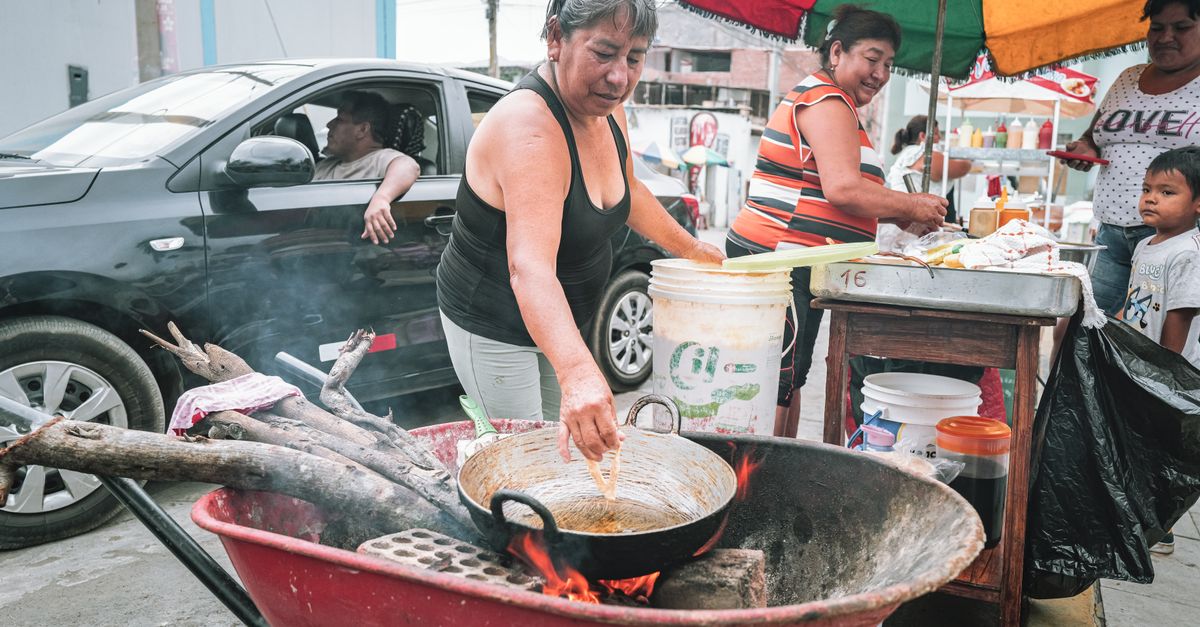
Must-Try Dishes in La Paz
1. Salteña
The dish that defines La Paz's culinary identity — the one locals argue about and visitors remember long after leaving. The best versions deliver a depth of flavor suggesting hours of preparation in each bite, with contrast between crispy and soft, rich and bright. The preparation varies from place to place, but consistency of quality across the city speaks to how seriously this dish is taken. Expect to pay BOB 8. Order this on your first day as a benchmark for every version you encounter afterward.
2. Pique a lo macho
Deceptively simple. The ingredients are straightforward, but the technique to balance them perfectly is not. The best versions achieve that rare quality where every element is individually identifiable yet inseparable from the whole. Street vendors often outperform restaurants because repetition-honed skill produces consistency no recipe guarantees. Expect to pay BOB 35. Ask locals where their favorite version is served and follow their directions without hesitation.
3. Anticucho de corazón
Comfort food elevated to culinary art. Bold flavors without aggression, generous portions without excess. Rooted in home cooking that grandmothers perfected and street vendors democratized by making it available to anyone with a few coins and an appetite. The satisfaction is both immediate and lasting. Expect to pay BOB 10. Pairs exceptionally well with local beverages, creating a combination greater than the sum of its parts.
4. Api con pastel
A dish that divides first-time visitors — some love it immediately, others need a second attempt before the flavors register correctly on a palate calibrated to different cuisines. By the third bite, most are converts. The seasoning achieves an intensity that Western cooking rarely approaches, using ingredients commonplace here but exotic elsewhere. Expect to pay BOB 10. Trust the dish. It survived centuries of culinary evolution because it works.
5. Silpancho
The dish you will crave three months after leaving La Paz. It has that addictive quality — a combination of flavor, texture, and memory that lodges in your subconscious. The local version is impossible to replicate at home — the technique, heat source, and atmosphere all contribute something no kitchen can reproduce. Expect to pay BOB 20. Eat it more than once during your stay. You will be glad you did.
6. Tucumana
Every family in La Paz has their own variation. The street version tends to be more robust and unapologetically seasoned than restaurant interpretations, which are often smoothed out for broader palates. Both are valid, but the street version is the one to try first — it gives you the unfiltered flavor profile that defines the dish in its most honest form. Expect to pay BOB 8. The aroma alone is worth the trip across town.
7. Llajwa salsa
A dish that rewards patience. The slow transformation of simple ingredients into something complex and deeply satisfying cannot be rushed. When it arrives, the color should be rich and inviting, the surface properly charred or glossed, and the aroma should make you lean in involuntarily. This is food that takes itself seriously. Expect to pay free with meals. Order it at the most traditional-looking establishment you can find.
8. Chicha corn beer
What locals order when they want to treat themselves — not because it is expensive, but because it represents the pinnacle of local tradition. Requires fresh, high-quality ingredients and careful preparation. A rushed version is immediately recognizable and deeply disappointing. When made right — and in La Paz, it usually is — it justifies an entire trip. Expect to pay BOB 5. Ask your server which version they personally prefer.

Where to Eat in La Paz
Mercado Lanza
Mercado Lanza is the epicenter of La Paz's food culture — tourists and locals overlap in productive chaos, and quality ranges from good to extraordinary. Walk the entire area before committing, and eat where the local queue is longest. Prices are fair, portions generous. Most spots open from late morning through late evening, with peak energy at lunchtime and after sunset. Come twice if your schedule allows — daytime and nighttime experiences are meaningfully different.
Calle Sagárnaga eateries
The food at Calle Sagárnaga eateries reflects La Paz's identity in concentrated form — local flavors, traditional preparation, prices calibrated for regulars rather than one-time visitors. The best places have operated for years, sometimes decades, with menus refined through daily judgment by people who know exactly what each dish should taste like. Sit at the counter if possible — watching the preparation is half the experience, and cooks tend to be more generous with portions when they see genuine interest.
Sopocachi restaurants
Sopocachi restaurants represents the evolving face of La Paz's food scene — traditional recipes alongside contemporary interpretations, veteran cooks beside young chefs, honoring the past without being imprisoned by it. The atmosphere is energetic, the crowd a mix of food-savvy locals and informed travelers. Prices are slightly higher than pure street food but quality justifies the premium. Reservations recommended for dinner at popular spots, but lunch is usually walk-in friendly.
Food Tips for La Paz
Dietary Considerations
Vegetarian options exist throughout La Paz, though not always labeled. Ask directly — most kitchens accommodate requests. For allergies, carry a written card in the local language stating your restrictions.
Food Safety
Eat where turnover is high, cooking is visible, and locals are eating. Cooked food from busy stalls is almost universally safe. Bottled water recommended. Raw preparations require more caution in warmer months.
Tipping & Payment
Check whether service is included at restaurants before tipping. Cash remains king at smaller establishments — carry small denominations. Credit cards work at most restaurants but rarely at market stalls.
Sweet Treats & Desserts in La Paz
Bolivia's sweet pantry reads like an altitude-adapted inventory of Andean ingredients: purple corn, cacao from the Yungas lowlands, quinoa, and freeze-dried chuño potato that appears even in confectionery. La Paz's dessert culture is unpretentious, deeply local, and largely invisible to visitors who stick to restaurant menus — most of the best sweet things in the city are found standing up, outside, in markets, for BOB 3-8 per piece.
Api morado is the morning drink-dessert that Paceños reach for on cold Andean dawns. Made from purple corn, cinnamon, clove, and orange peel, it arrives in a ceramic mug the color of dark grape juice, thick as loosely cooked porridge, sweetened with raw cane sugar. Every vendor's version tastes slightly different depending on their cinnamon-to-clove ratio. The Plaza Pérez Velasco and the upper entrances to Mercado Lanza have api sellers from 6 AM; a large mug costs BOB 6. The canonical pairing is a pastel — a deep-fried pastry stuffed with cheese or sweet potato, BOB 4 — which you dip into the api until it softens.
Humintas are the sleeper sweet of La Paz. They look like ordinary tamales — corn dough wrapped in corn husks — but the sweet version is filled with fresh cheese, raisins, and anise, then steamed until the dough develops a faintly caramelized bottom. They appear at Sunday markets in Villa Fatima and around Calle Illampu from roughly 9 AM to noon, BOB 5 each, and they disappear quickly. The cheese inside is Bolivian fresh cheese (queso fresco), which melts into the dough in a way that makes the distinction between sweet and savory academic.
For proper pastry, the best destination is the Confitería Club de La Paz on Calle Camacho, operating since the 1940s in a high-ceilinged salon of cracked leather chairs and deliberate slowness. The torta de manzana (apple cake, BOB 18) and the keke inglés — a Bolivian riff on British seed cake flavored with anise and citrus — (BOB 12) are the house specialties. Go mid-afternoon when the light hits the tall windows at the right angle and there is no urgency to leave.
Tunta postre — a dessert made with tunta (white freeze-dried potato) soaked and cooked in sugared syrup with cinnamon — sounds alarming to foreign palates and tastes revelatory. It is found almost exclusively at traditional Bolivian restaurants rather than tourist spots; ask specifically for it at Nayjama on Calle Sagárnaga or at any market restaurant advertising comida típica. The tunta absorbs the syrup like a sponge and develops a creamy, almost panna cotta-like texture. BOB 8-12. Order it without overthinking the potato part.
Continuing through the Andes? Read our Cusco 3-Day Itinerary for more food adventures.


