
Kota Kinabalu is one of Southeast Asia's most underrated food cities — a Bornean capital with a fishing tradition as old as the coast itself, a Chinese immigrant culinary legacy that rivals any in Malaysia, and the indigenous Kadazan-Dusun and Bajau cooking traditions that produce dishes found nowhere else on earth. The Sabah Cultural Village might explain the island's cultures, but the waterfront seafood market will tell you everything worth knowing about what living here actually feels like.
What makes Kota Kinabalu's food extraordinary is the convergence. The South China Sea delivers fresh seafood to the waterfront market daily. The highland farms above the city produce Sabahan vegetables and the wild jungle tubers and herbs that indigenous cooking depends on. The Chinese Hakka and Hokkien communities that settled here in the 19th century created a fusion food culture — Sabah laksa, for example, is a distinctly Bornean interpretation of the noodle soup tradition that you will not find in Peninsula Malaysia. And the Muslim Bajau sea people bring a coastal cooking tradition rooted in centuries of living from the sea rather than the land.
The food streets of KK operate until midnight most nights, the night market at the waterfront draws both locals and visitors on equal terms, and the seafood at the Filipina Market and the waterfront is priced at a level that makes eating well essentially effortless financially. Come hungry, come often, come back for the hinava.
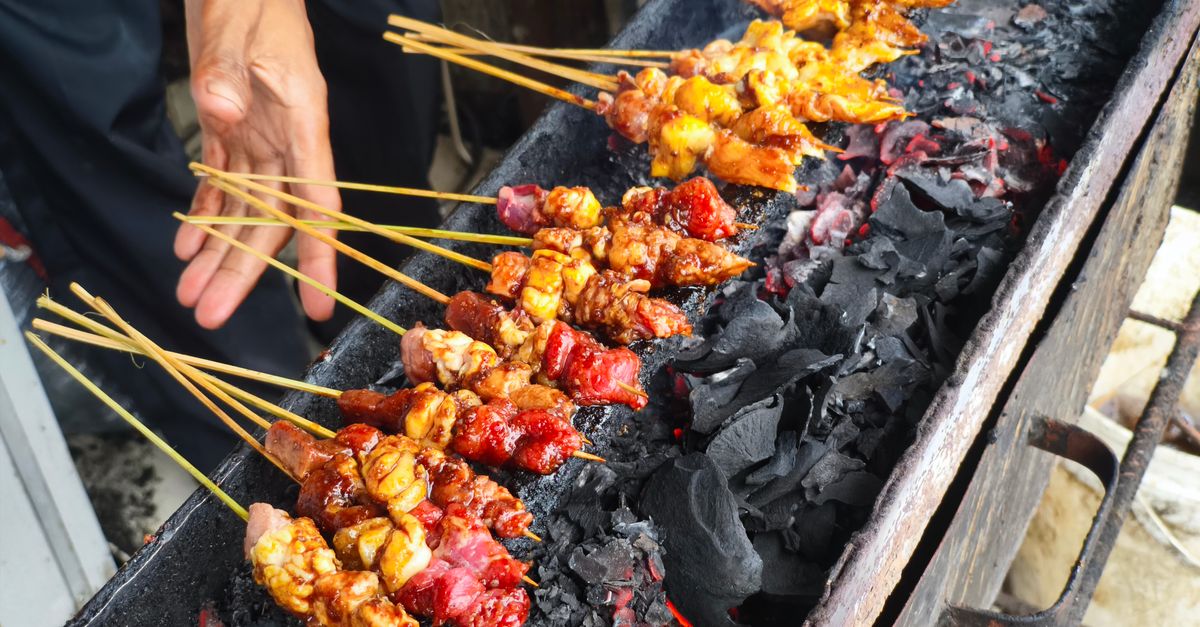
10 Must-Try Dishes in Kota Kinabalu
1. Sabah Laksa (沙巴叻沙)
Sabah laksa is the definitive noodle soup of this city and arguably the most significant Sabahan contribution to Malaysian food culture. Unlike Penang laksa (sour, mackerel-based, tamarind-forward) or Sarawak laksa (rich coconut milk, sambal belacan, complex paste), Sabah laksa occupies a middle ground that reflects Borneo's specific culinary identity: a clear-to-lightly-spiced coconut milk broth, rice noodles (beehoon), and a garnish combination of fresh prawns, shredded chicken, bean sprouts, hard-boiled egg, and fried tofu puffs, finished with sambal and fresh lime.
The broth of Sabah laksa is its most distinctive element — lighter in coconut milk than Sarawak laksa, less aggressively sour than Penang laksa, and seasoned with a spice paste that includes lemongrass, galangal, dried shrimp, and chili in proportions unique to the Sabah preparation. The result is something warm, fragrant, slightly coconut-sweet, and generously spiced without being overwhelming. The fresh lime squeezed over at the table brightens everything simultaneously.
The essential address for Sabah laksa is the hawker centers of Gaya Street and the stretch of food stalls between Centre Point Mall and the waterfront. Kedai Kopi Fatt Kee on Jalan Gaya has been serving what many local food writers call the city's finest Sabah laksa since the 1980s. For the most traditional version, the laksa stalls inside the Filipino Market area serve a version that is more heavily spiced and less tourist-adjusted than the coffee shop versions on the main street.
A bowl of Sabah laksa costs MYR 6–12 at hawker stalls. The serving comes with the sambal and lime on the side — always add both before eating rather than waiting until you feel the dish needs adjusting. The lime is a flavor component, not an optional garnish. Eat it at breakfast or early morning when the laksa stalls are freshest and the queues have not yet built. A Sabah laksa morning is the correct way to begin eating in KK.
2. Seafood at the Waterfront (Api-Api Waterfront)
The Kota Kinabalu waterfront along the harbor at Api-Api is one of the finest al-fresco seafood eating settings in Southeast Asia — a stretch of open-air restaurants serving live tank seafood (the live crabs, lobsters, and grouper are visible in tanks at the restaurant entrance) with Mount Kinabalu visible on clear days behind the city. The freshness is verified rather than assumed: you select from the tank, agree on a cooking method, and what was swimming thirty minutes ago is on your table.
The range of seafood available reflects the South China Sea's extraordinary biodiversity: flower crab (ketam bunga), mud crab (ketam batu), tiger prawn, mantis shrimp, giant grouper (kerapu), sea bass (siakap), barracuda, squid, and the occasional lobster. Cooking methods include steaming with ginger and scallion, stir-frying with salted egg yolk, black pepper, butter, and chili, or the simple grilling over charcoal that allows the freshness to speak without interference. The butter-and-salted-egg treatment on fresh crab is one of the waterfront's signature preparations.
Sri Selera at the waterfront has been the most consistently recommended local restaurant for live seafood for decades. The Jalan Pantai area restaurants operate in a similar format at slightly lower prices because they are marginally further from the main tourist promenade. For the most direct experience, the Filipina Market's waterfront section has smaller vendors who cook to order at prices noticeably below the organized restaurants, though with less table service infrastructure.
Live crab at the waterfront costs MYR 60–120 per kilogram depending on species. A full seafood dinner for two (crab, prawns, vegetables, rice) costs MYR 150–300 at a mid-range restaurant. The Filipina Market vendors charge MYR 80–150 for the equivalent food. Cook choice matters — ask specifically for the black pepper or butter salted egg preparations rather than defaulting to the generic "steamed" that requires less skill to produce but is less interesting.
3. Hinava (Sabahan Ceviche)
Hinava is the Kadazan-Dusun indigenous people's most celebrated culinary contribution — a raw fish preparation that predates the term "ceviche" by centuries and achieves similar results through identical chemical processes. Fresh mackerel (tongkol) is thinly sliced and marinated in lime juice until the acid denatures the protein and the flesh firms and turns opaque. The marinade also includes sliced shallots, sliced red chili, finely sliced bitter gourd (peria), and grated fresh bambangan — a Borneo wild mango relative with a distinctive sour-bitter profile that gives hinava its uniquely Sabahan character.
Bambangan (Mangifera pajang) is the ingredient that separates hinava from all other acid-marinated fish preparations globally. This wild mango, found only in Borneo, has a flesh that is simultaneously sour, slightly astringent, and faintly fruity — not sweet like conventional mango but complex and textured in a way that adds depth to the already well-seasoned ceviche base. Finding bambangan outside Sabah is nearly impossible; this is an ingredient so specific to its homeland that eating hinava here is experiencing something irreplaceable.
Hinava is found at Sabahan traditional restaurants and at the Gaya Street Sunday Market, where indigenous vendors sell it alongside other Kadazan-Dusun food preparations. Restoran Bilal at Jalan Gaya serves it as a starter with traditional Kadazan rice wine (tapai). For the most traditional preparation, the kadazan food stalls at the Tamu Kianggeh weekly market in Kota Belud (ninety minutes from KK by bus) offer the most authentic highland Kadazan version with freshly made bambangan pickle.
Hinava at a KK restaurant costs MYR 15–30 per serving. It is served cold, as a starter, and should be eaten with white rice as a flavor contrast to moderate the lime acidity. The bitter gourd should be present in noticeable quantity — it provides the bitterness that balances the overall sweetness of the fish and the sourness of the lime. Hinava without bitter gourd is a simplified version; the full traditional preparation includes it as a structural element, not optional garnish.
4. Singang (Sabahan Sour Prawn Soup)
Singang is Sabah's version of the sour fish or prawn soup tradition that appears throughout Southeast Asia (sinigang in the Philippines, tom yum in Thailand, sambal asam in Peninsula Malaysia) — a broth made tart with local sour fruit, typically the jungle sour fruit kembayau or the more accessible fresh tamarind, with fresh prawns or fish as the protein and a variety of local vegetables including okra, eggplant, and tomato. The Sabahan version uses kembayau — a small, intensely sour forest fruit — which gives singang a specific tartness that differentiates it from any other sour soup tradition.
The broth should be clear and bright — a murky singang has been overcooked or over-vegetables have been added at the wrong time. The sourness should be forward and clean, the prawns perfectly cooked (just pink and opaque, not rubbery), and the vegetables still holding their structure rather than having dissolved into the broth. This is a soup where restraint in seasoning allows the kembayau's natural flavor to speak without competition from excess fish sauce or chili.
Singang appears at Sabahan-owned restaurants throughout KK that specifically serve traditional cooking rather than the Chinese-influenced hawker food that dominates the city's casual eating. Restoran Puteri Sabah near Wawasan Plaza serves singang as part of a comprehensive traditional Sabahan menu that also includes hinava and other indigenous preparations. For the most authentic version, the weekend Tamu (open market) that operates in various KK neighborhoods features Kadazan food vendors who sell singang alongside other traditional preparations.
Singang at a traditional Sabahan restaurant costs MYR 20–40 per serving. Eat it with white rice, using the rice to absorb the sour broth in the same way you would eat a Portuguese caldeirada or a Vietnamese canh chua. The sour broth over rice is the meal's true core; the prawns and vegetables are protein and texture additions rather than the star. Do not waste the broth by leaving it in the bowl — it is the part of singang that cannot be replicated.
5. Butod (Sago Worm)
Butod — the larva of the Asian Palm Weevil raised in sago palm trunks by the Rungus and Kadazan-Dusun indigenous communities of Sabah — is not the most comfortable food recommendation to make, but it is the most authentically Bornean. The larvae are harvested from sago palms, cleaned, and eaten live (the most traditional preparation) or grilled or fried until crispy. Live butod has a mild, slightly nutty flavor with an almost sweet creaminess; grilled butod develops a crispy exterior and a more intensely savory, almost bacon-like interior flavor from the rendering fat.
Butod is genuinely nutritious — high in protein, fat-soluble vitamins, and energy-dense in a way that makes it appropriate for the forest-living context where it originates. The indigenous communities who include it in their diet consider it a delicacy and a marker of food culture connection to the forest. Experiencing butod — even if only the fried version, which is less confronting than live — is an act of genuine cultural engagement rather than mere tourist adventurism.
Butod is sold at the Gaya Street Sunday Market by Rungus vendors from the interior communities, at traditional Tamu markets throughout Sabah, and at the Sabah Cultural Village restaurant near Sutera Harbour. The Sunday Market is the most accessible and reliable source in KK. Look for the vendors in the indigenous produce section who display the larvae in sago palm sections — the presentation is both traditional and spectacularly unusual for any visitor unfamiliar with forest food culture.
Butod at a market vendor costs MYR 5–15 for a small portion. The fried version costs slightly more than the live version at the same vendor. Eating the live version requires commitment and should be followed immediately — they do not wait patiently. The grilled version is more approachable for first-timers and provides a more honest flavor experience than raw without the psychological barrier of the live form. Try it alongside hinava as part of a Kadazan food tasting morning at the Sunday Market.
6. Sabah Char Kway Teow (炒粿條)
Sabah's version of char kway teow — the wok-fried flat rice noodle dish that is one of Malaysia's most beloved food exports — has its own distinct character compared to the Penang and Kuala Lumpur versions. The Sabah interpretation uses larger, thicker flat rice noodles, incorporates fresh local seafood (cockles, prawns, and sometimes fresh squid from the South China Sea), and uses a slightly different soy sauce ratio that produces a darker, more savory result than the sweeter Penang version. The lard and lap cheong (Chinese sausage) that are traditional in Penang char kway teow appear in KK's Chinese Hokkien community version; the Muslim version substitutes other fats.
The wok technique is everything in char kway teow: the noodles must be stir-fried in a blazingly hot wok with enough oil to prevent sticking while developing the characteristic charred flavor (wok hei) on the noodle surface. A poorly managed wok produces steamed noodles in sauce; a properly managed wok produces noodles with crispy edges, caramelized soy notes, and the slightly smoky wok character that is the dish's most essential quality. Experienced char kway teow cooks work single-wok operations and manage one batch at a time for maximum heat focus.
The hawker centers along Jalan Gaya and the food court at Centrepoint Mall have multiple char kway teow stalls. A well-established stall in the Sinsuran area food court has been operating for over thirty years and is cited by local food writers as producing the city's most technically correct version. In the evening, the wet market area at Jalan Gaya has street-level vendors serving fresh batches from dusk onward.
Char kway teow costs MYR 5–10 at hawker stalls. The cockle version costs MYR 1–2 more than the plain version. Eat it immediately at the stall — the char kway teow must be hot enough that the surface is still slightly crackling for the experience to be complete. Taking it away in a styrofoam box and eating it ten minutes later produces a steam-softened version that is considerably less satisfying than the fresh-from-wok original.
7. Mee Goreng Sabah (Sabah Fried Noodles)
Mee goreng in Sabah uses fresh yellow egg noodles stir-fried with local seafood — shrimp, squid, and often fresh crab meat — in a sauce of oyster sauce, dark soy, and a sweetened spice base that includes chili and shallots. The Sabah version is distinguished by its relative sweetness compared to Peninsula Malaysian mee goreng, the consistent incorporation of fresh local seafood, and the use of the broad, flat fresh yellow noodles that are made locally rather than dried packaged noodles. The noodle texture is springy and substantial, handling the seafood and sauce without becoming waterlogged.
Crab mee goreng — a Sabahan speciality not found elsewhere in Malaysia — incorporates fresh crab meat tossed into the fried noodles during the final minute of cooking. The crab meat adds a natural sweetness and a complex seafood flavor that transforms a standard noodle stir-fry into something considerably more interesting. The crab must be fresh and the meat must be added at the right moment — too early and it overcooks and toughens; too late and it doesn't warm through properly.
The hawker centers throughout central KK serve mee goreng as a daily staple. For the crab version specifically, look at the hawker stalls near the night market who specialize in seafood noodles and typically have fresh crab available before the meat runs out in the early evening. The stalls at the Luyang night market area, operating Thursday through Saturday evenings, serve crab mee goreng alongside other seafood noodle preparations as part of a broader evening food circuit.
Mee goreng costs MYR 5–8 at hawker stalls. The crab version costs MYR 10–18 depending on crab quantity. Eat it with a squeeze of lime and sambal belacan on the side — both are available at the condiment tray at any proper hawker stall. The lime adds acidity that cuts through the oyster sauce richness; the sambal adds heat and the shrimp paste's umami depth. Without these additions, the dish is good; with them, it is excellent.
8. Pineapple Prawn (Udang Nenas)
Pineapple prawn (udang nenas) is a distinctly Sabahan preparation that reflects the state's extraordinary fruit abundance — fresh pineapple, cut into chunks, stir-fried with tiger prawns in a sauce built from chili paste, shrimp paste (belacan), sugar, and a hint of tamarind. The pineapple's sweetness and acidity provide the balance that the rich, savory prawn and the pungent belacan need; the resulting dish is simultaneously sweet, sour, spicy, and intensely savory in a combination that makes it irresistible rather than merely pleasant.
Sabah's pineapple is not ordinary pineapple — the local variety grown in the interior districts is smaller, more fragrant, and considerably less acidic than the commercial Smooth Cayenne variety exported globally. The lower acidity and higher natural sweetness mean it caramelizes beautifully when cooked and provides a fruity counterpoint without overwhelming the dish with tartness. If you have eaten pineapple only in its exported commercial form, the Sabahan local variety will surprise you with its mango-like complexity.
Pineapple prawn is found at Sabahan seafood restaurants and at the hawker stalls in the night market that specialize in wok-cooked seafood. The Friday-night food market at Jalan Gaya has several stalls serving pineapple prawn as part of their seafood menu. For the most generous portions and the freshest local pineapple, restaurants that specifically advertise Sabahan cooking rather than generic Malaysian cooking are the most reliable source.
Pineapple prawn costs MYR 20–40 at a restaurant. At a hawker stall, MYR 12–25. It is a shared dish, eaten with rice as part of a multi-dish meal rather than as a standalone plate. Order it as one of three shared dishes alongside steamed fish and a vegetable stir-fry — the combination provides the full range of flavors that makes a proper Malaysian meal coherent rather than just a single intense preparation eaten alone.
9. Tapai (Kadazan Rice Wine)
Tapai is the Kadazan-Dusun indigenous fermented rice wine — brewed from glutinous rice using a specific yeast culture (imported in a dried ball called ragi tapai), fermented in sealed clay jars for two to three days, and consumed as a slightly fizzy, mildly alcoholic, sweet-sour drink that tastes of rice, fruit, and the specific wild yeast culture used in each family's brewing tradition. Every Kadazan family maintains their own ragi tapai culture, and the specific character of each family's tapai is considered a matter of cultural identity and quiet pride.
The alcohol content of tapai varies by fermentation time and yeast culture — typically between 5–8% at the three-day point — but the flavor is the more significant variable. Good tapai is simultaneously sweet (from residual unconverted rice starch), sour (from lactic acid produced by fermentation), and mildly alcoholic, with a distinctive funky-fruity character from the specific ragi culture. Bad tapai is either still primarily sweet (under-fermented) or vinegary (over-fermented). The correctly fermented window is remarkably short.
Tapai is served at traditional Kadazan events, festivals, and increasingly at restaurants that specifically showcase Kadazan culture. The Sabah Cultural Village restaurant near Sutera Harbour serves tapai as part of their cultural dining experience. The Gaya Street Sunday Market has tapai vendors from Kadazan communities. The most authentic version comes from family producers who sell from their homes in the Penampang district — KK's residential Kadazan suburb — on weekends. Asking a local Kadazan friend to take you to a family tapai producer is the optimal approach.
Tapai at a cultural restaurant costs MYR 10–20 per small glass. Market vendor tapai in a small bottle costs MYR 5–15. The rice wine culture in Sabah is legally produced and sold — unlike some other indigenous fermented beverages in Malaysia — because Sabah's ethnic diversity laws protect Kadazan-Dusun cultural practices. Drink it cold if possible, which improves the flavor balance, and eat it with hinava or other traditional Kadazan food for the most coherent cultural tasting experience.
10. Cendol (Popular Malaysian Dessert)
Cendol is Malaysia's most beloved traditional dessert — green rice flour jelly noodles (colored with pandan leaf) served in a bowl of coconut milk and shaved ice, drizzled with palm sugar (gula melaka) syrup. In Sabah, cendol receives the same local character treatment as every other dish here — the coconut milk is freshly pressed from local coconuts rather than canned, the palm sugar is from the local nipah palm rather than the Peninsular variety, and the pandan used to color the jelly noodles is fresh-pressed rather than using artificial coloring.
The quality of gula melaka (palm sugar) is the cendol's critical variable. Palm sugar from Sabah's nipah and sago palms has a deeper, more complex flavor than the lighter coconut palm sugar from Peninsula Malaysia — a smokier, more robust sweetness that stands up to the coconut milk and provides genuine complexity rather than flat sweetness. The combination of this specific palm sugar with fresh coconut milk and fresh pandan-flavored rice jelly produces a dessert that is genuinely distinctive from the Penang or Malacca version sold in most international Malaysian restaurants.
Cendol stalls operate throughout KK's hawker centers. The stalls at the waterfront night market near Api-Api serve a well-made version with fresh-pressed coconut milk. For the finest version in the city, the cendol stall inside the Gaya Street hawker area that sources gula melaka directly from a Sabahan nipah palm producer has maintained the most authentic local version for years. The stall is unmarked beyond a handwritten price board — look for the queue.
Cendol costs MYR 3–6 at hawker stalls. It is a dessert and afternoon snack — not a morning food or an evening main. The ice should be fine-shaved (not crushed) so it melts gradually into the coconut milk rather than watering it down immediately. Eat it quickly in the KK heat before the ice has fully melted into a warm, watery puddle. The first five minutes of a properly made cendol are the definitive experience; the last five minutes are merely finishing it politely.
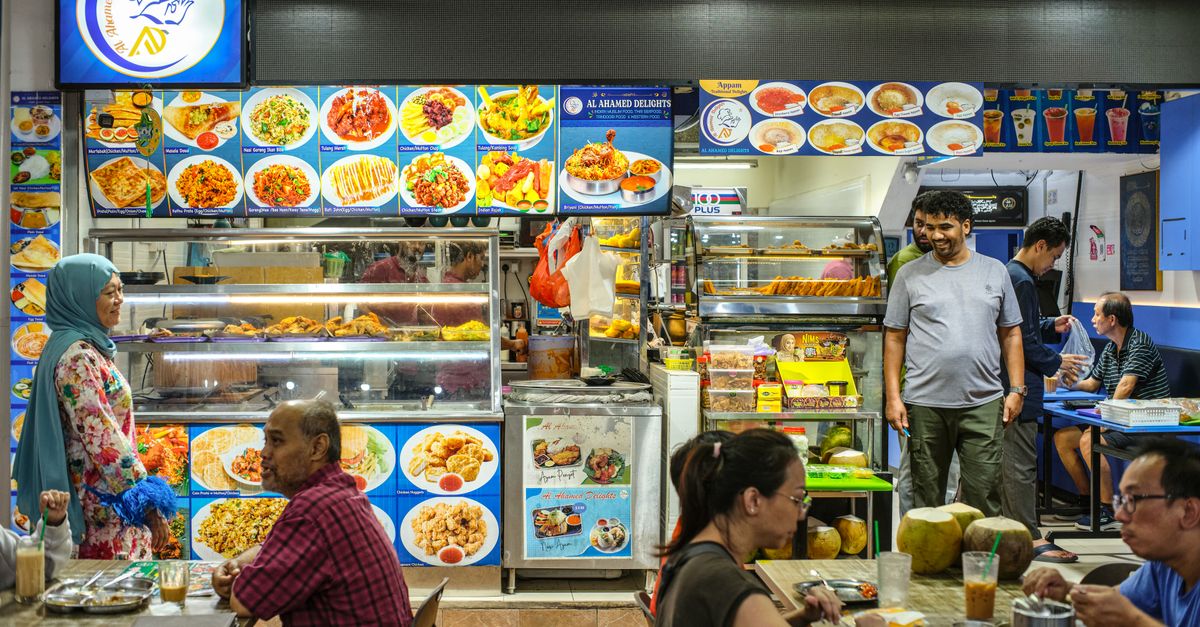
Kota Kinabalu's Essential Food Neighborhoods
Jalan Gaya / Gaya Street: The colonial-era commercial heart of KK is the city's food epicenter — hawker centers, coffee shops, char kway teow stalls, and the Sunday Market all concentrated within a few blocks. The hawker center at the Sedco Square food court (Jalan Gaya end) serves until late and has one of the widest selections of Sabahan dishes in a single location. Morning eating on Gaya Street is particularly rewarding — the fresh batches before the lunch rush are noticeably better than the pre-lunchtime food.
Waterfront and Filipina Market: The waterfront area from Api-Api Waterfront down to the Filipina Market (Filipino immigrants who have been trading here for generations — most of KK's fresh produce arrives through this market) is the city's seafood and fresh produce center. The night market here operates from approximately 5pm and sells grilled corn, satay, fresh seafood, and Sabahan snacks to a mixed local and tourist crowd. The Filipina Market itself, despite its name, sells the freshest fish, vegetables, and seafood ingredients in the city at the lowest prices.
Luyang and Lintas (Residential Districts): The local residential neighborhoods ten to fifteen minutes from central KK by car have authentic Chinese kopitiam (coffee shops) and Sabahan restaurants that serve a primarily local customer base at local prices. The quality is high precisely because these establishments are not on tourist itineraries and must maintain standards for repeat customers who live in the neighborhood. Warung Makan Tradisi Sabah in the Luyang area is one of several traditional Sabahan restaurants in these neighborhoods worth seeking out.
Practical Eating Tips for Kota Kinabalu
Budget guidance: KK is excellent food value. Hawker stall breakfast or lunch costs MYR 5–12. A full seafood dinner at the waterfront costs MYR 60–120 per person for live crab, prawns, fish, and rice. Traditional Kadazan restaurant lunch costs MYR 20–40 per person. Total daily food spend for comfortable, adventurous eating is MYR 40–80 per person — approximately USD 10–20, which is extraordinary value for the quality and variety available.
Halal and non-halal eating: KK's population is roughly split between Muslim and non-Muslim communities, and the food scene reflects this clearly. Halal food (mostly Malay, Bajau, and some Chinese Muslim preparations) is available everywhere. Non-halal food (including pork dishes like bak kut teh and char siu) is available at specifically non-halal Chinese establishments that are clearly marked. The two food cultures coexist without conflict; understanding which type of establishment you are entering determines what is on the menu.
Cultural context for indigenous food: Eating indigenous Kadazan-Dusun food (hinava, singang, tapai, butod) with respectful curiosity and genuine interest is received warmly by the communities that produce it. These are living culinary traditions with cultural significance beyond their nutritional value. Asking vendors about preparation methods, origins, and ingredients shows respect that is noticed and appreciated. The Sunday Tamu Market is the best context for these conversations.


