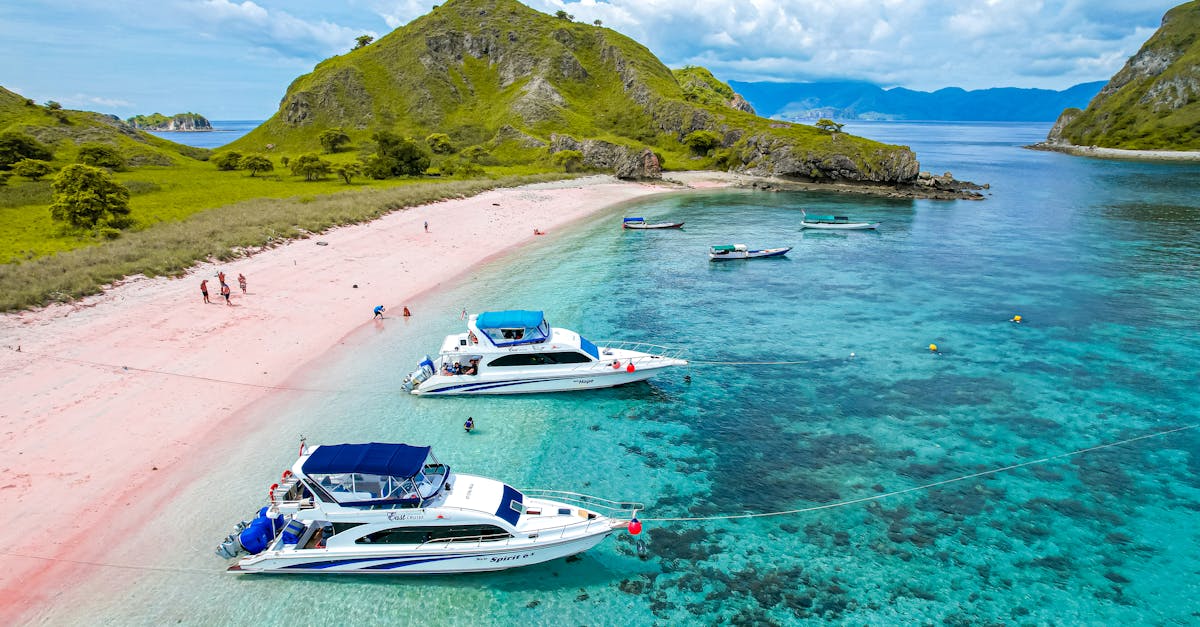
Labuan Bajo is the jumping-off point for the Komodo archipelago — a small but rapidly developing harbor town on the western tip of Flores island that has transformed from a fishing village into one of Indonesia's most sought-after travel destinations in the span of a decade. The dragons draw the visitors, but the food is increasingly the reason to extend the stay. Labuan Bajo sits at the intersection of Manggarai ethnic cooking traditions, the Muslim fishing culture of the Bajo sea people, and the fresh abundance of the Flores Sea — one of the most biodiverse marine environments on earth.
What makes Labuan Bajo's food interesting is its rawness and authenticity relative to more established Indonesian tourist destinations. The food scene is not yet polished or catering to international expectations — the best eating here happens at the harbor market, at family warungs (small Indonesian eating houses) that serve the local fishing community, and at the boat operators who cook fresh-caught fish on liveaboard vessels between diving the Komodo marine national park. The Manggarai people of Flores have their own distinct cuisine — different from Javanese, Balinese, or Sumatran cooking — and tracing these differences is one of the most rewarding food experiences in eastern Indonesia.
Come with the understanding that Labuan Bajo is not Bali. The infrastructure is less developed, the ingredient supply is more limited, and the cooking is more direct. What it offers in return is seafood of extraordinary freshness, cultural authenticity that mass tourism has not yet smoothed away, and the particular pleasure of eating in a place where the food is still shaped primarily by what the sea provides each day.
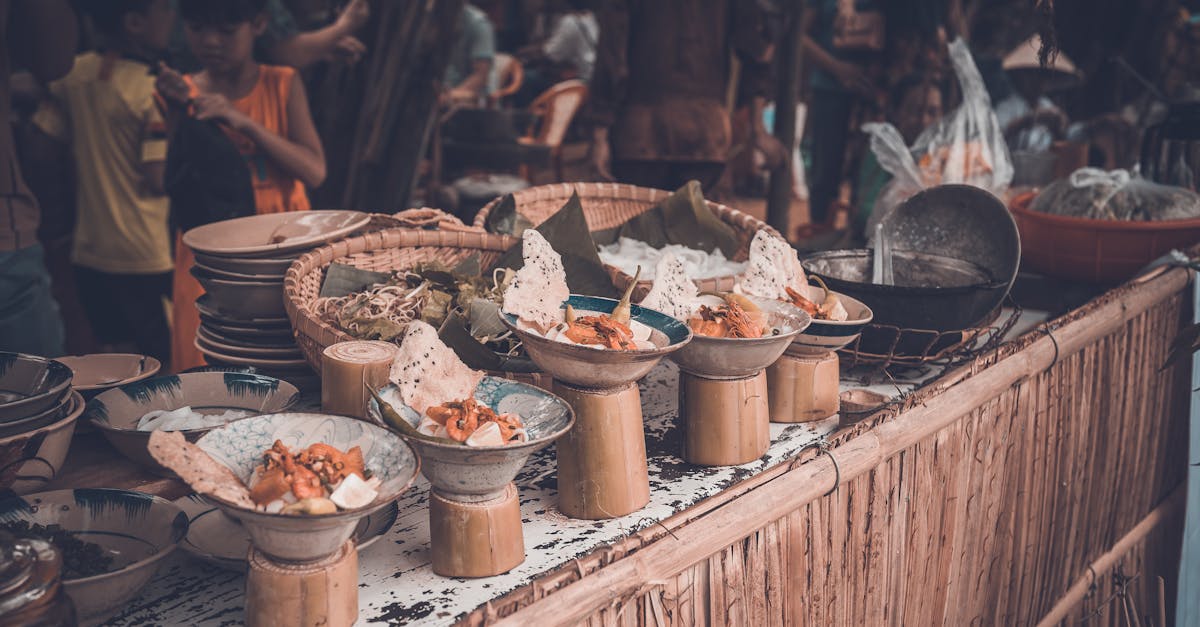
10 Must-Try Dishes in Komodo / Labuan Bajo
1. Grilled Fish at the Harbor Market (Ikan Bakar)
Ikan bakar — grilled fish in Indonesian — is the foundational eating experience in Labuan Bajo, and the harbor front fish market where the boats unload each morning is where the best version starts. The market operates from approximately 4am as the fishing boats return from overnight trips in the Flores Sea and Komodo National Park waters. Barracuda, tuna, grouper, snapper, and a rotating cast of reef fish are unloaded, weighed, and sold to the restaurants and warungs that line the harbor by breakfast time.
The grilling technique for ikan bakar is straightforward but requiring: the whole fish is cleaned, scored deeply to allow marinade penetration, rubbed with a spice paste (bumbu) of shallots, garlic, turmeric, galangal, and chili, then grilled over coconut shell charcoal that burns hotter and more cleanly than wood charcoal. The result is charred on the exterior — the fish skin crisping and sometimes blackening slightly — while the interior steams in its own fat and the marinade's aromatics. It is eaten with steamed white rice, sambal (chili condiment), and fresh limes.
The harbor-front warungs serving ikan bakar are the most essential eating destinations in Labuan Bajo. Warung Mama on the harbor strip opens by 7am and sources directly from the morning market. For the most atmospheric experience, the restaurants built on stilts over the harbor water serve ikan bakar with a view of the fishing boats moored below — the food is the same quality as the inland warungs but the setting adds context that enhances the meal.
A whole grilled fish costs IDR 50,000–150,000 depending on species and weight. At local warungs, the price is at the lower end; at tourist restaurants with harbor views, at the higher end. Eating fish priced at IDR 50,000–80,000 at a local warung is reliably excellent and significantly more authentic than the tourist-premium version. Rice is additional at IDR 3,000–5,000; sambal is included. Buy extra sambal — it will always run out before the fish does.
2. Manggarai Cuisine (Masakan Manggarai)
The Manggarai people are the indigenous inhabitants of western Flores island, and their cuisine is one of the least documented but most distinctive in Indonesia. Manggarai cooking is characterized by the use of lontar palm products (palm sugar, palm wine called sopi, and palm heart), tubers and root vegetables from the highland farm culture above Labuan Bajo, and the bold use of turmeric and ginger in savory preparations. The traditional diet is primarily root vegetable and grain-based rather than rice-centric, which makes it feel notably different from the rice cultures of Java and Bali.
Manuk kakar — grilled chicken with a Manggarai spice paste — is the most commonly encountered traditional preparation. The paste combines fresh turmeric, ginger, garlic, shallots, and bird's eye chili into a marinade that permeates the chicken during extended marination before grilling. The result is a more intensely flavored, more deeply colored grilled chicken than the standard Indonesian equivalent — the turmeric in particular gives both the skin and the marinade residue a vivid golden color that stains everything it touches including your fingers and the plate.
Traditional Manggarai cooking is found in home kitchens and at the local pasar (market) rather than in tourist restaurants. The Thursday and Sunday market in Labuan Bajo town has food vendors serving Manggarai preparations to the highland farming community that descends for market days. Asking guesthouse owners with Manggarai backgrounds whether their family cooks traditional food — and whether you might join for a meal for a fee — is the most direct path to the authentic preparation.
Traditional Manggarai food at a market stall costs IDR 20,000–40,000 for a full plate. The restaurant version of manuk kakar costs IDR 60,000–120,000. The highland Manggarai villages accessible by motorbike or car north of Labuan Bajo (a one to two-hour drive on challenging roads) have warungs serving traditional food at village prices — IDR 15,000–30,000 for a complete meal — surrounded by the lontar palm-dotted landscape that produces the culinary culture.
3. Sopi (Palm Wine)
Sopi is the traditional Manggarai palm wine — a fermented and sometimes distilled spirit made from the sap of the lontar or sugar palm tree, collected each morning from tapped palm flowers into bamboo containers, and fermented for varying periods depending on whether the intended product is the fresh, lightly effervescent fresh palm wine or the more potent distilled version. It is deeply embedded in Manggarai ceremony and social life and remains the drink of choice for cultural events, traditional ceremonies, and informal socializing.
Fresh sopi (palm wine, toddy) is cloudy, slightly sweet, milky-looking, and mildly alcoholic — collected in the morning and consumed within hours before it sours significantly. The fermented version consumed the following day has developed more alcohol and more complexity, with a slightly sour, funky character that develops over continued fermentation. The distilled version (arak Flores) is considerably more potent and has a harsher, more spirit-like character. Each form serves different social purposes.
Sopi is not openly sold at tourist establishments due to legal ambiguities around palm wine production and sale. It is offered by local hosts, sold informally at market stalls in Manggarai villages, and available at the traditional food warung on the outskirts of Labuan Bajo that cater primarily to local Manggarai residents. Approaching sopi as a cultural experience rather than a tourist novelty — trying it when offered in a social context rather than seeking it out as a souvenir — produces both better sopi and better understanding of what it means to the community.
Fresh sopi offered in a social or market context costs IDR 5,000–15,000 per small cup. The distilled arak version at a local warung costs IDR 20,000–50,000 per glass. Approach the distilled version with respect for its potency — it is not flavored or diluted, and the alcohol content is variable between batches. Traditional etiquette requires accepting a cup when offered and drinking fully before the next offering arrives.
4. Seafood Liveaboard Cooking (Masakan di Kapal)
For visitors doing multi-day liveaboard diving or boat trips through the Komodo National Park, the boat kitchen produces some of the most satisfying eating of the entire trip. The liveaboard operators source fresh fish and seafood at each port stop — Komodo Island, Rinca Island, and the smaller anchorages in between — and the boat cook prepares meals with an intimacy and freshness that no restaurant on land can match. The fish cooked on a liveaboard was often caught by the boat's own crew during surface intervals between dives.
Liveaboard cooking in this region typically includes: ikan bakar from morning catches, nasi goreng (fried rice) for breakfast, simple vegetable stir-fries with tofu or tempeh for the vegetarian passengers, and fresh fruit from the island stops. The best liveaboard operators source local ingredients at each stop rather than loading everything in Labuan Bajo before departure — a boat cook who disappears into a village market at each stop and returns with fresh ingredients is practicing a form of culinary improvisation that produces the most interesting results.
The major liveaboard operators — Komodo Resort, Wakatobi-operated vessels, and the independent locally-owned boats through agencies like Wunderpus and Uber Scuba Komodo — all provide meals as part of the package. The quality varies by operator investment in kitchen infrastructure and cook quality. Budget liveaboards (USD 80–150 per day) typically provide adequate but simple food. Premium operators (USD 300–600 per day) invest in professional cooks and quality ingredients. The food difference is meaningful but not the primary selection criterion unless you are genuinely more interested in eating than diving.
The best liveaboard meal is always the fish grilled immediately after catching — the crew catches bonito, tuna, and mackerel by trolling as the boat moves between dive sites, and the freshness of fish caught and cooked within an hour is a benchmark experience for anyone who loves food and the sea simultaneously. No restaurant meal in Labuan Bajo can replicate it.
5. Coto Makassar (Beef Offal Soup)
Coto Makassar — a rich, dark soup of beef offal (tripe, heart, and lung), beef, and roasted rice in a complex spiced broth — arrived in Labuan Bajo with the Bugis and Makassar traders and sailors who have been crossing between Sulawesi and Flores for centuries. It is one of Indonesia's most culturally significant dishes — the food of Sulawesi's great maritime trading people — and its presence in Labuan Bajo is a direct product of the trade route culture that has connected eastern Indonesian islands for over a millennium.
The broth of coto Makassar is its most exceptional element — made from roasted peanuts, roasted rice, and a complex spice base that includes lemongrass, galangal, turmeric, coriander, and cumin, then cooked for hours until the roasted ingredients dissolve into a deep, brown, richly aromatic liquid. The offal is cooked separately and added to the broth with the beef, giving the soup a range of textures from tender muscle meat to the distinctive chewiness of properly prepared tripe. It is eaten with burasa (compressed rice wrapped in banana leaf and coconut milk) rather than loose rice, which distinguishes it from most other Indonesian rice dish accompaniments.
Coto Makassar is available at the Bugis-owned restaurants and food stalls in Labuan Bajo, particularly near the harbor where the Bugis seafaring community has concentrated. Several warungs on the harbor road serve it as a breakfast and brunch item — the spiced broth is warming and protein-rich, making it appropriate for the early morning hours when fishing boats return and their crews eat. Look for hand-painted signs reading "Coto Makassar" near the harbor area.
A bowl of coto Makassar costs IDR 25,000–60,000 at a warung. The burasa (rice cake) is additional at IDR 5,000–8,000 per piece; order two minimum. The broth should be dark and opaque from the roasted peanuts — a pale, clear broth indicates the peanuts were not roasted enough and the full flavor development was not achieved. This dish is deeply alien to Western palates on first encounter; approach with genuine curiosity and a willingness to experience unfamiliar organ textures.
6. Ikan Kuah Kuning (Yellow Fish Soup)
Ikan kuah kuning — fish in yellow turmeric broth — is the most universally available fish preparation in eastern Indonesia and Labuan Bajo's most accessible introduction to the local fish cooking tradition. The broth is simple: shallots, garlic, turmeric, ginger, galangal, and bird's eye chili sautéed in coconut oil, diluted with water or light coconut milk, and simmered until fragrant. Fresh whole fish or fish pieces are added and cooked briefly until just done. The result is a light, aromatic, slightly sour soup with the fish perfectly cooked rather than aggressively seasoned.
The turmeric gives the soup its characteristic golden-yellow color and its gently bitter, earthy undertone. The bird's eye chili provides heat that is present but not dominant. The fish — whatever came in fresh that day — provides the primary flavor and protein. The preparation is intentionally non-aggressive: this is everyday eating, the baseline that allows the fish to speak rather than being subsumed by the seasoning. A cook who makes this well has mastered the principle of not getting in the ingredient's way.
Ikan kuah kuning is served at warungs throughout Labuan Bajo as a daily staple, especially at lunch when the day's catch has been sorted and allocated. The harbor-adjacent warungs serve the freshest version because they are closest to the market and have the highest turnover. The version served at homestays in the local community of Kampung Ujung (the local Labuan Bajo neighborhood rather than the tourist harbor strip) is made with the day's catch for the household's own consumption — a genuine daily food rather than a tourist presentation.
Ikan kuah kuning at a warung costs IDR 30,000–60,000 for a fish and rice lunch. The soup comes separately from the rice in the Indonesian style — pour it over the rice or eat it alongside, consuming the broth with a spoon. The rice absorbs the yellow broth beautifully and the combination of rice, fish, and golden soup is the complete expression of what east Indonesian everyday cooking achieves at its best.
7. Nasi Campur Flores (Mixed Rice, Flores Style)
Nasi campur — mixed rice, the Indonesian format of a rice plate surrounded by small portions of multiple dishes — takes a distinctly Flores character in Labuan Bajo. The specific combination of dishes surrounding the rice reflects the Manggarai and Bajo food cultures: a piece of ikan bakar, a small portion of vegetables stir-fried with turmeric, a spoonful of sambal, a piece of fried tempeh, and perhaps a piece of braised chicken or beef in a spiced broth. No single element dominates; the meal is conceived as a balance of flavors and textures rather than a single focal dish.
The Flores version differs from Balinese nasi campur (which tends toward sweeter preparations and more complex compound condiments) and from Javanese nasi campur (which often includes peanut-based sauces and more complex tempeh preparations) by its directness and its reliance on fresh fish as the central protein. The sambal on a Flores nasi campur plate tends to be simpler than its Balinese equivalent — fresh ground chili with shallot and salt rather than complex cooked sambal — but more intensely spiced because the fresh chili quantity is higher.
Nasi campur is the standard lunch format at warungs throughout Labuan Bajo. You walk up to the glass display case, choose from the prepared dishes, and the assembled plate arrives immediately. The prepared dishes are made fresh each morning and maintained at room temperature throughout the lunch service — a convention that is normal in Indonesian warung culture and safe when turnover is high. Choose from a busy warung with multiple dishes visible and a steady stream of local customers for the best combination of freshness and quality.
Nasi campur at a local warung costs IDR 25,000–50,000 for a complete plate. Tourist restaurants serve a similar format at IDR 60,000–100,000. The warung version is better value and usually more authentically calibrated. The appropriate quantity is one plate per person; Indonesian portions at warungs are substantial, and the full plate with all its components is designed to be consumed rather than shared. Order extra sambal separately at IDR 2,000–5,000 per small dish.
8. Bebek Goreng (Fried Duck)
Fried duck (bebek goreng) is one of Indonesia's most satisfying preparations — a whole duck (or individual pieces) marinated in complex spice paste, slow-braised until completely tender, then deep-fried until the skin achieves a shattering, dark-golden crispness while the flesh remains moist and intensely flavored from the long cooking. The two-stage process (braise then fry) is what makes Indonesian bebek goreng different from simple fried poultry: the braising drives the spice flavors throughout the meat, and the subsequent frying creates the textural contrast that a single cooking method cannot produce.
In Labuan Bajo, bebek goreng appears at Javanese and Balinese-influenced restaurants run by migrants who brought their home cooking traditions to the rapidly developing tourist town. The preparation is less commonly associated with Manggarai indigenous cooking, making it a culinary marker of the migration patterns that have followed tourist infrastructure investment throughout eastern Indonesia. That cultural context aside, it is excellent wherever it is properly made.
Several restaurants on the main tourist strip in Labuan Bajo serve bebek goreng as a specialty. For the most authentic version with the full Javanese spice treatment, look for restaurants with Java or Surabaya specifically mentioned in their name or signage — these are run by migrants from Java's bebek goreng heartland. The Balinese-owned restaurants serve a slightly different version with less spice complexity but equally impressive crispness.
Bebek goreng costs IDR 70,000–150,000 for a full portion at a sit-down restaurant. It comes with steamed rice, lalapan (fresh raw vegetables — cucumber, tomato, basil, and cabbage), and sambal. The raw vegetable accompaniment is essential — the crispy, richly spiced duck needs the fresh, cool contrast of the raw vegetables to prevent the meal from becoming overwhelming. The sambal goes on the duck rather than the rice.
9. Fresh Lobster (Lobster Segar)
The Flores Sea's reef ecosystem supports a lobster population that is accessible to the local fishing community and, through them, to the restaurants of Labuan Bajo. The spiny lobster (lobster batu) found here lacks the large claws of its Atlantic relatives but has extensive, meaty tail flesh with a sweet, clean flavor that is exceptional when simply grilled or steamed without complex saucing. Labuan Bajo's tourist restaurants have recognized this and several now offer fresh lobster as a premium catch-to-table experience.
The live lobsters are kept in tanks at harbor-front restaurants and priced by weight — a transparent system that allows you to see exactly what you are buying and how much it weighs before any cooking begins. The standard preparation in Labuan Bajo is half-and-half: one half grilled with butter and garlic, the other half steamed with ginger and scallion, served together on a single plate with a sweet-sour dipping sauce on the side. This split preparation allows you to compare how the same lobster expresses differently under different heat and seasoning approaches.
The harbor-front seafood restaurants in Labuan Bajo that keep live tanks are the appropriate address for fresh lobster. Several restaurants on Jl. Soekarno Hatta (the main harbor road) have been serving live tank seafood to tourists since the early phase of Labuan Bajo's tourism development and have established reliable supply relationships with lobster fishermen. Booking a live lobster dinner in advance (by morning) ensures the largest specimens are available by evening.
Fresh spiny lobster in Labuan Bajo costs IDR 300,000–600,000 per kilogram at tourist restaurants, with a typical serving weighing 600–900 grams. This is significantly cheaper than equivalent quality lobster in most international tourist destinations and reflects the direct fishing community supply chain that eliminates most intermediaries. A full lobster dinner for two with rice and drinks costs IDR 500,000–900,000 — a premium by Indonesian standards but excellent international value for live-tank lobster of this quality.
10. Pisang Goreng (Fried Banana)
Pisang goreng — fried banana — is Indonesia's most universal street food and one of the most perfect snacks in Southeast Asian culinary culture. A ripe plantain or cooking banana is dipped in a batter of rice flour, coconut milk, sugar, and a pinch of salt, then fried in coconut oil until the batter is golden and the banana inside has softened and caramelized slightly. The result is crispy, sweet, and starchy in a combination that satisfies in a way that no other single ingredient preparation quite manages.
The choice of banana variety matters: plantain (pisang kepok) produces a starchier, more substantial result with a mild flavor that lets the batter and caramelization speak; the sweet Cavendish-type banana (pisang ambon) produces a sweeter, more aromatic result that is the standard at most warungs. In Labuan Bajo, the small, intensely flavored local banana varieties (pisang mas — golden banana) produce the finest version — deeply sweet, with an almost honey-like intensity that no import variety approaches.
Pisang goreng vendors operate throughout Labuan Bajo from mid-morning through the evening. The morning market has vendors selling them fresh from the fryer from approximately 8am. The harbor-front food stalls serve pisang goreng throughout the afternoon. Several warungs include it in their dessert offerings alongside black rice pudding (bubur ketan hitam) and sweetened jackfruit.
Pisang goreng costs IDR 3,000–8,000 per piece at warungs. A plate of five or six pieces costs IDR 15,000–30,000. They are best eaten immediately from the fryer; the batter softens and the caramelized interior cools within minutes and the experience degrades significantly with waiting. The smell of coconut oil and caramelizing banana from a warung fryer is one of the most welcoming food signals in Indonesian culture — follow it.

Komodo / Labuan Bajo's Essential Food Neighborhoods
Harbor Front (Jl. Soekarno Hatta): The main harbor road is Labuan Bajo's culinary center of gravity for both local and tourist eating. The fish market operates early in the morning; the harbor-view restaurants serve lunch and dinner; the warungs integrated between the restaurants serve local workers at local prices. The harbor front is also where the live seafood tank restaurants and the ikan bakar specialists operate. Evening is spectacular here — the harbor lights, the fishing boats, and the smell of charcoal grilling create an atmosphere that matches the food quality.
Kampung Ujung (Local Neighborhood): The traditional Labuan Bajo community neighborhood behind the tourist harbor strip is where the island's permanent residents actually live and eat. The warungs here are smaller, cheaper, and less experienced with tourist requirements but more authentically representative of local daily eating. Walking ten to fifteen minutes from the harbor into the residential streets reveals a different food economy. Friendly, curious, and worth the minor navigation effort.
Jl. Wae Cico (Restaurant Row): The street running parallel to the harbor behind the main tourist strip has developed into a concentration of mid-range restaurants serving the growing tourist population. Several of these — particularly the locally-owned ones rather than the Bali and Java-invested chain operations — offer good-quality Indonesian cooking at more reasonable prices than the harbor front premium addresses.
Practical Eating Tips for Komodo / Labuan Bajo
Budget guidance: Labuan Bajo food costs span a wide range. Local warung lunch costs IDR 25,000–50,000. Mid-range tourist restaurant meal costs IDR 80,000–200,000 per person. Live lobster dinner costs IDR 300,000–600,000 per person. Liveaboard packages include meals. The daily food budget for travelers eating one local warung meal and one tourist restaurant meal per day is IDR 150,000–350,000 per day — modest by international standards, moderate by Indonesian tourist destination standards.
Halal status: Flores has a mixed religious population — the highlands are predominantly Catholic (one of the few Catholic majorities in Indonesia) while the coastal communities are predominantly Muslim. The fishing community culture means that in Labuan Bajo, halal food is the standard at most local warungs and harbor restaurants. Pork is generally not served at harbor-front establishments; it appears at restaurants specifically catering to Chinese-Indonesian diners or Western tourists and will be clearly indicated. Alcohol is available at tourist restaurants and bars but not at traditional warungs.
Water and food safety: Stick to bottled water, cooked food, and freshly grilled seafood rather than raw preparations. The ice supply in Labuan Bajo comes from an ice factory and is generally safe; the drinks vendors use commercially produced ice. Fresh fruit juices at reputable restaurants are safe; juice from market stalls where the handling is less controlled carries more risk. The ikan bakar standard of grilling fresh fish over high charcoal heat is entirely safe and the safest and most enjoyable eating practice in the region.