
Kaohsiung is Taiwan's second city and its most underestimated food destination — a working port metropolis where the food is big, bold, and unashamedly abundant in a way that Taipei's more polished dining scene rarely achieves. The harbor brings in fresh seafood daily; the surrounding flatlands produce exceptional tropical fruit; and the Hakka and Hoklo communities who settled this southern city generations ago created a food culture that values intensity, variety, and sheer quantity over refinement or subtlety.
What makes Kaohsiung distinct from Taipei's food culture is its southern Taiwanese character. The climate is warmer, the seafood is different (milkfish, grouper, and oysters rather than the northern Pacific varieties), and the flavor palette leans slightly sweeter and more tropical than the Taipei standard. The night markets here — Liuhe and Ruifeng — are legitimately excellent rather than tourist performances, and the breakfast culture (Taiwanese breakfast is one of Asia's finest early-morning eating traditions) is as developed as anywhere on the island.
Come to Kaohsiung with a plan to eat eight to ten times per day. The food here demands that commitment. Breakfast until 10am, a small snack at 11, lunch at noon, afternoon bao or milk tea at 3, early dinner at 5, and then the night market from 8pm onward until midnight or beyond. This is how the city actually eats. Everything else is just tourism.

10 Must-Try Dishes in Kaohsiung
1. Taiwanese Breakfast (台式早餐 — Tái Shì Zǎocān)
Taiwanese breakfast is one of the world's great morning food traditions — a category of dishes so specific and so well-developed that dedicated breakfast shops (早餐店, zǎocān diàn) operate from 5am to 10am exclusively and then close for the rest of the day. The menu centers around a handful of iconic preparations: dàn bǐng (egg crepe rolled around rice, soy sauce, and sometimes vegetables), shāo bǐng yóutiáo (sesame flatbread with deep-fried cruller inserted), fǎn tuán (sticky rice wrapped around fillings), and warm soy milk (dòujiāng) that is the definitive morning drink.
The egg crepe (蛋餅, dàn bǐng) is Kaohsiung's most beloved breakfast item — a thin wheat crepe cooked on a flat griddle with a beaten egg spread across its surface, then rolled around a filling of corn, ham, cheese, or tuna before being sliced into rounds and served with a sweet soy dipping sauce. The exterior should be slightly crispy where the egg has crisped against the griddle; the interior should be soft and steam-fragrant. The filling is secondary to the crepe technique.
Kaohsiung's breakfast shop density is extraordinary. The streets around Zuoying, Sanmin, and Lingya districts have breakfast shops every two to three blocks, each operating their own slight variation on the core menu. Yong He Dou Jiang (永和豆漿) franchise shops are reliable and ubiquitous — the 24-hour locations near major transit hubs serve the early-morning commuter trade. For more artisan breakfast, the independently operated shops around Cianjhen District often produce noticeably better egg crepes and sesame flatbreads.
Breakfast costs NTD 25–80 per item. A full Taiwanese breakfast — egg crepe, warm soy milk, and a sesame flatbread — costs NTD 60–120 and is one of the best value meals in the city. Eat at 7am when the first rush has passed, the griddles are perfectly seasoned from the morning's first batches, and the queue is manageable. Everything here is made to order; budget five to eight minutes from ordering to eating.
2. Milkfish (虱目魚 — Shīmù Yú)
Milkfish is Kaohsiung's most important fish — a bony, rich, distinctly flavored freshwater-saltwater fish that has been farmed in the tidal ponds of southern Taiwan for over three centuries and is now so deeply embedded in the regional food culture that it appears in some form at virtually every meal. The fish has a distinctive fatty layer just under the skin, an intensely savory flesh, and a milky, slightly sweet flavor profile that distinguishes it from all other fish in Taiwan's aquatic repertoire.
The challenge with milkfish is its bones — the fish has an extraordinarily complex bone structure, and eating a whole milkfish requires either considerable bone-picking skill or a deboned (去刺, qù cì) version that restaurants increasingly provide for comfort. The classic preparations: congee (稀飯, xīfàn) with milkfish belly in the morning — the fat of the belly renders into the porridge, making it milky and intensely flavored; milkfish stomach (虱目魚肚, shīmù yú dù) braised with soy and ginger; and the whole grilled milkfish served at lunchtime with soy dipping sauce.
Zuoying district is the center of milkfish culture in Kaohsiung. Liu's Milkfish at Zuoying Night Market has been serving milkfish congee to generations of locals since the 1950s and maintains an early morning service from 5:30am for commuters and fishermen. Milkfish specialty restaurants near the Zuoying wetlands serve the full range of preparations and often have tanks of live fish visible from the dining room as a freshness indicator.
A bowl of milkfish congee costs NTD 60–120 at local breakfast spots. A full milkfish belly preparation at a restaurant costs NTD 150–300. The congee version is the most essential first experience — the fat from the belly distributed through the porridge creates a flavor that is impossible to achieve with any other fish. Order it at 6am if you are capable of waking at that hour; the first batches are made with the freshest fish of the day.
3. Oyster Vermicelli (蚵仔麵線 — É Zǐ Miànxiàn)
Oyster vermicelli (蚵仔麵線, é zǐ miànxiàn) is one of Taiwan's most beloved comfort foods and Kaohsiung's most consistent night market staple — thin rice vermicelli cooked in a thick, starchy broth with fresh oysters (and sometimes pig intestine) until the noodles have absorbed the broth and the whole preparation becomes a unified, deeply savory soup-stew of remarkable complexity. The broth's thickness comes from sweet potato starch added during cooking, which gives it a slightly viscous, silky quality that coats both the noodles and the oysters perfectly.
The oysters in Kaohsiung's version come from the nearby coastal aquaculture ponds of the Zuoying and Kaohsiung harbor areas — they are small, intensely flavored, slightly briny, and plumper than the Pacific oysters used in other preparations. The key to a great é zǐ miànxiàn is the balance between the oyster's brininess and the sweet starch of the broth, seasoned with black vinegar and fresh coriander added at the table. The noodles should be slightly soft — not al dente — and the broth should be thick enough to cling to the spoon when lifted.
At Liuhe Night Market, multiple vendors specialize in oyster vermicelli and the competition for quality is fierce. The stall at the market's northern entrance run by a family from the Tainan region since the 1970s consistently produces the most balanced version. Zhongzheng Road night market in Zuoying has a vendor who uses locally farmed Kaohsiung oysters that are perceptibly fresher and more flavorful than anything at Liuhe.
Oyster vermicelli costs NTD 40–80 per bowl at night market stalls. Add the black vinegar and coriander before your first bite — these additions are not optional garnishes but essential flavor components that were left off the bowl specifically for you to add. Do not skip them. Eat it from the bowl at the stall with a Chinese ceramic spoon — the experience of eating hot miànxiàn from a paper cup while walking is a degraded version of a genuinely excellent dish.
4. Braised Pork Rice (滷肉飯 — Lǔ Ròu Fàn)
Braised pork rice (滷肉飯, lǔ ròu fàn) is Taiwan's most debated comfort food — the question of which city, which district, or which restaurant makes the definitive version is a matter of genuine passion for Taiwanese food culture. Kaohsiung's version tends toward a richer, slightly sweeter sauce than the northern Taiwan standard, with pork belly rather than ground pork as the protein and a more generous quantity of sauce per rice portion. The pork is braised for hours in soy sauce, rice wine, sugar, star anise, and sometimes five-spice until the fat renders completely and the sauce reduces to a thick, deeply savory glaze.
The rice under the braised pork is almost as important as the pork itself — it needs to be slightly stickier than average white rice to carry the sauce properly, and it must be freshly cooked. Cold rice with lǔ ròu is a restaurant's biggest tell. The classic accompaniment is a soft-boiled egg that has been marinated in the same braising liquid (滷蛋, lǔ dàn) until the white has turned a deep amber and the yolk is just barely set. The marinated egg alone is worth ordering.
Stalls dedicated to lǔ ròu fàn are found throughout Kaohsiung's three major night markets and in dedicated rice bowl shops open throughout the day. Ruifeng Night Market has a braised pork rice vendor near the eastern entrance that has been operating for over forty years and uses a recipe unchanged since the shop opened. The bowl is small by design — order two and consider it one proper serving.
Braised pork rice costs NTD 30–60 per bowl at street stalls. Add a braised egg for NTD 10–20 and a side of blanched greens with oyster sauce for NTD 20–40. The total cost for a complete lǔ ròu fàn meal with egg and greens is NTD 60–100 — one of the best and cheapest meals available anywhere in Taiwan. Order two bowls per person unless you are genuinely not hungry.
5. Papaya Milk (木瓜牛奶 — Mùguā Niúnǎi)
Papaya milk is Kaohsiung's signature fruit drink — fresh ripe papaya blended with whole milk (not oat milk, not soy milk, not almond milk — whole cow's milk, full stop) into a thick, pale orange, lightly sweet shake that is simultaneously breakfast, dessert, snack, and the definitive refreshment for the subtropical Kaohsiung climate. The version here is thicker and more concentrated than elsewhere in Taiwan because the local papayas, grown in the warm southern climate, are sweeter and more richly flavored than their northern counterparts.
The quality of papaya milk depends entirely on the ripeness and quality of the papaya. The best shops source papayas that are on the edge of overripeness — deep orange, almost too soft, extremely sweet and fragrant. A slightly underripe papaya produces a thin, starchy, slightly bitter shake that is a pale shadow of the real thing. The best papaya milk shops hang their fruit in the window to show ripeness and change their stock daily based on what came in from the farms.
Liu's Papaya Milk (劉家木瓜牛奶) in Zhongzheng First Road near Xinxing District is considered the city's definitive papaya milk destination — a single-product shop that has been doing exactly one thing for decades and doing it magnificently. The queue is constant but moves quickly. Liuhe Night Market has several papaya milk vendors but the Liu's standard is higher than any of them.
A glass of papaya milk costs NTD 40–80. At Liu's, the medium size is enough for one person; the large will keep you going through two hours of night market eating. Do not add any sweetener — the ripe papaya contains sufficient natural sugar that additional sweetening produces something cloying. Drink it immediately; the blend separates within fifteen to twenty minutes and the freshly blended version is in a different category from the separated, re-stirred one.
6. Stinky Tofu (臭豆腐 — Chòu Dòufu)
Stinky tofu (臭豆腐, chòu dòufu) is Taiwan's most aggressively aromatic food — fermented tofu that smells, to the uninitiated, like a combination of aged cheese, old gym clothes, and something indeterminately organic. This description makes it sound unappealing. It is not. Once you commit to the first bite, the flavor is extraordinarily complex: deeply savory, slightly sour from fermentation, with a crispy outer layer and a soft, custard-like interior, eaten with a sweet and spicy kimchi-style cabbage topping and a drizzle of chili sauce. The flavor bears no relationship to the smell.
The Kaohsiung version of stinky tofu is deep-fried rather than steamed or in soup (the other main preparations), and the frying creates a crispy exterior shell that both contains the soft interior and provides textural contrast. The fermentation continues inside the tofu even after frying — you can sometimes see the tofu puffing slightly as the residual gases expand in the heat. This is a feature, not a defect. It means the fermentation is active and the flavor will be properly developed.
Ruifeng Night Market has the highest concentration of stinky tofu vendors in Kaohsiung and the quality is consistently high due to the competition. A vendor near the market's main entrance has been making it since the 1960s and maintains a fermentation culture that is decades old — older fermentation cultures produce more complex, more deeply flavored tofu. First-timers should start with the fried version (easier to eat) before attempting the soup version.
Stinky tofu costs NTD 50–100 for a serving of four to six pieces. Eat it standing at the stall rather than taking it away — the crispy exterior softens within five minutes and the textural contrast that defines a great piece of stinky tofu disappears. The vendor who made it best is typically surrounded by the most locals eating it on the spot; follow that crowd.
7. Coffin Bread (棺材板 — Guāncai Bǎn)
Coffin bread (棺材板, guāncai bǎn) is one of Taiwan's most dramatically named dishes and one of its most satisfying — a thick slab of white toast bread, deep-fried until golden, hollowed out like a little box, filled with a creamy milk and corn chowder (or sometimes curry, or seafood bisque), and sealed with the toasted bread lid. The "coffin" shape gives it the name and the preparation gives it an unusual combination of crispy, oil-rich exterior and silky, warming interior filling that is genuinely excellent.
The dish was reportedly invented in Tainan in the 1940s and spread throughout southern Taiwan as a street food novelty that proved to have genuine culinary merit beyond its theatrical appearance. The bread must be fried quickly at high temperature to achieve the right exterior while maintaining the internal softness — underfrying produces a pallid, soft piece with no textural interest; overfrying produces a brittle shell that shatters when the filling is added. The corn chowder filling in the standard version is mild, slightly sweet, and creamy.
Kaohsiung's night markets carry coffin bread as a standard offering. Liuhe Night Market has several vendors; the one at approximately the market's midpoint is consistently cited by locals as the most technically correct version. The filling should still be steaming when the lid is replaced — cold filling in a coffin bread means it was assembled too far in advance.
Coffin bread costs NTD 60–120 per piece. One piece is a substantial snack but not quite a full meal — pair it with oyster vermicelli for a satisfying night market dinner combination. Eat it immediately on purchase, using the bread lid as a combination of handle and final bite once the filling has been mostly consumed from inside.
8. Shaved Ice (剉冰 — Cuò Bīng)
Taiwanese shaved ice (剉冰, cuò bīng) is in a different category from the syrup-doused ice cones found elsewhere in Asia — the ice is shaved so finely that it dissolves almost instantly in the mouth, creating a texture closer to freshly fallen snow than to ice. The base is plain shaved ice, piled into a mountain, then topped with a combination of toppings chosen from a vast list: red bean (紅豆), mung bean (綠豆), taro balls (芋圓), sweet potato balls (地瓜圓), fresh mango, strawberry, condensed milk, matcha jelly, and dozens of other options depending on the shop and the season.
Kaohsiung's proximity to the mango-growing heartland of southern Taiwan makes mango shaved ice (芒果剉冰, mángguǒ cuò bīng) the essential summer preparation here. Fresh local mangoes — the Irwin and Aiwen varieties that grow in southern Taiwan's warm climate — are among the finest in the world: bright orange, intensely sweet, and fragrant with a tropical richness that imported mangoes cannot approach. A bowl of fine shaved ice topped with fresh mango and condensed milk in Kaohsiung in July is one of Asia's definitive dessert experiences.
Ruifeng Night Market has excellent shaved ice vendors. For the finest mango shaved ice specifically, the shops around Cianjhen and Fengshan Districts that source directly from mango farms operate from May through August with mango at its peak. Ice Monster chain (冰館) has a Kaohsiung branch that uses high-quality local fruit and maintains the shaving technique at a consistent standard.
Shaved ice costs NTD 50–120 depending on toppings and size. The mango version commands the higher end of that range in peak mango season (June–August). Order the largest size available — the mountain of fine ice looks intimidating but melts quickly in the Kaohsiung heat, and eating it fast defeats the meditative pleasure of working through a perfectly cold bowl on a hot evening.
9. Bubble Tea (珍珠奶茶 — Zhēnzhū Nǎichá)
Taiwan invented bubble tea and Kaohsiung drinks it with the same commitment as Taipei, except with slightly different regional variations. The standard preparation — black tea brewed strong, sweetened, mixed with milk, and loaded with chewy tapioca pearls (boba) — is available at literally thousands of shops throughout the city. The regional variations worth noting: tiger milk tea (虎紋奶茶) with its brown sugar syrup stripes, fresh fruit tea (水果茶) with fresh-squeezed citrus, and the taro milk tea that uses locally grown taro with more complexity than the purple food coloring used elsewhere.
The quality of bubble tea depends primarily on three things: the tea base (too-weak tea produces a thin, watery drink; properly brewed strong tea holds up against the milk and ice), the freshness of the tapioca pearls (fresh pearls are soft but chewy; old pearls are hard or mushy), and the sweetness calibration (most shops offer a sweetness scale from 0% to 100%). Most experienced Taiwanese bubble tea drinkers order at 50–70% sweetness — anything above 80% becomes cloying over a full large cup.
Chun Shui Tang (春水堂) is credited with inventing bubble milk tea and has a Kaohsiung branch that provides the historical context for what you are drinking. Tiger Sugar (老虎堂) originated in Taichung but has strong Kaohsiung branches and makes the finest brown sugar tiger milk. For fresh fruit teas, the local independent shops near Kaohsiung Main Station consistently outperform the major chains on fruit freshness and tea quality.
Bubble tea costs NTD 55–120 for a medium cup. The large size is worth the NTD 10–20 premium only if you plan to drink it within thirty minutes — tapioca pearls begin to harden after forty-five minutes to an hour in the cold drink. Ask specifically for "fresh pearls" if ordering at a busy chain — many pre-cook large batches and the difference between freshly cooked and two-hour-old pearls is immediately apparent.
10. Barbecued Squid (烤魷魚 — Kǎo Yóuyú)
Grilled squid on a stick (烤魷魚, kǎo yóuyú) is the quintessential Taiwan night market food — fresh squid threaded onto a bamboo skewer, grilled over charcoal until the surface caramelizes and chars in spots while the interior remains tender and slightly translucent, then brushed with a glaze of sweet soy sauce, basil oil, and chili before serving. The entire preparation takes about three minutes and the result is one of the most satisfying things you can eat while walking through a night market at 10pm.
Kaohsiung's proximity to the harbor and the fishing industry means the squid at night markets here is frequently genuinely fresh — not the dried and rehydrated squid used at inland markets, but fresh whole squid that arrived that day from the boats. The difference is immediately apparent: fresh squid is pale pink-white when raw and cooks to an ivory white with a texture that is tender rather than rubbery; dried and rehydrated squid is thicker, chewier, and has a slightly fishy overtone that fresh squid lacks entirely.
Liuhe Night Market's grilled squid vendors near the market's southern entrance are consistently cited for freshness. Cijin Island — connected to Kaohsiung by a five-minute ferry ride — has seafood restaurants and market vendors that serve just-caught squid grilled on the spot, surrounded by actual fishing boats. Cijin is the most authentic seafood eating experience accessible from central Kaohsiung and absolutely worth the ten-minute journey.
Grilled squid at night market stalls costs NTD 80–200 depending on size. The medium squid (about 15cm body length) is ideal for eating while walking. Order it with the sweet chili sauce on the side rather than pre-applied — the sauce sweetness can overpower the squid's own flavor if applied too liberally in advance. Cijin Island squid at a sit-down restaurant costs NTD 200–400 but is significantly fresher than anything at Liuhe.
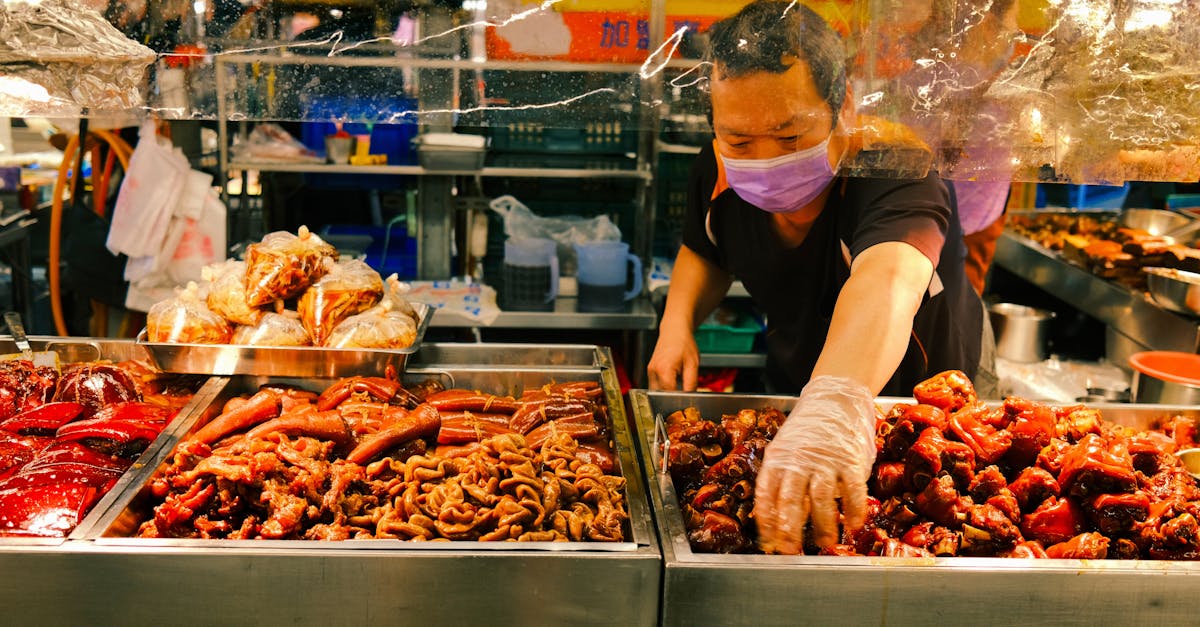
Kaohsiung's Essential Food Neighborhoods
Liuhe Night Market (六合夜市): Kaohsiung's most famous night market and one of Taiwan's most visited, Liuhe runs for approximately 600 meters along Liuhe 2nd Road in central Kaohsiung. Despite its tourist reputation, the food quality is genuinely high — the market's fame has made vendors competitive rather than lazy. The stalls closest to the Zhongshan Road end tend to be slightly less touristed and slightly more local in orientation. Open daily from approximately 6pm to midnight.
Ruifeng Night Market (瑞豐夜市): Kaohsiung's most popular neighborhood night market and the one that locals prefer when avoiding Liuhe's tourist density. Open Thursday through Sunday from 6pm, Ruifeng has a higher proportion of local families, lower average prices, and food that skews more toward daily eating rather than spectacle. The milkfish preparations, braised pork rice, and fruit vendors here are excellent. Take the MRT to Kaohsiung Arena Station.
Zuoying (左營): Kaohsiung's northern district is where milkfish culture and the traditional fishing industry are most concentrated. The Lotus Pond area has lakeside seafood restaurants serving freshwater fish alongside the famous dragon and tiger pagodas. The streets near the Zuoying train station (Kaohsiung HSR station) have excellent traditional breakfast shops serving early-rising commuters — among the finest egg crepes and milkfish congee in the city.
Cijin Island (旗津): A five-minute ferry ride from the Gushan Ferry Terminal delivers you to a narrow island spit with the most concentrated fresh seafood eating experience in Kaohsiung. The main street (旗津老街) is lined with seafood restaurants, clam chowder stalls, and grilled seafood vendors who source directly from the fishing boats moored nearby. Lunch on Cijin Island followed by the ferry back and an afternoon in the Pier-2 Art District is one of Kaohsiung's finest days.
Practical Eating Tips for Kaohsiung
Budget guidance: Kaohsiung is exceptional food value. Street breakfast costs NTD 60–120. A night market dinner of three to four dishes costs NTD 150–250. A proper restaurant lunch costs NTD 150–350. The most expensive meal you are likely to have — a full seafood dinner at a Cijin Island restaurant — costs NTD 500–900 per person. Total daily food spend is NTD 400–800 for enthusiastic eating without significant splurging.
Climate and timing: Kaohsiung is hot and humid from April through October, with typhoon season from June through September. Night market eating is most comfortable in the October–February period when temperatures drop to the high 20s. Summer eating requires commitment — the heat at 9pm is still intense, and choosing the right outdoor eating context (near fans, under awnings, close to the ocean breeze on Cijin) makes a meaningful difference. Mango shaved ice is the heat's reward — no other season produces it at peak quality.
Language: In Kaohsiung, English is less prevalent than in Taipei, and menus are predominantly in Chinese. The most practical strategy at night markets: point at what looks good, indicate quantity with fingers, and pay what is asked. Most vendors have pricing written clearly in Chinese numerals. Learning to recognize the numbers 0–9 in Chinese (零一二三四五六七八九) is the single most useful twenty minutes of preparation for eating in Kaohsiung's markets.


