
Jerusalem is one of the world's oldest and most contested cities — sacred to Judaism, Christianity, and Islam, with a walled Old City that contains some of humanity's most significant religious sites within a single square kilometer — and the food scene reflects this diversity.

Must-Try Dishes
1. Hummus — ILS 20-35
Jerusalem's hummus scene rivals Tel Aviv's. Lina in the Christian Quarter (ILS 25-35) and Abu Shukri on Via Dolorosa (ILS 20-30) are the legendary spots. Served warm with fresh pita, fuul, and falafel.
2. Kanafeh — ILS 15-25
Warm cheese pastry soaked in orange blossom syrup — the Arab Quarter's most famous sweet. Jafar Sweets near Damascus Gate serves fresh kanafeh on large trays (ILS 15-25). The cheese stretch is dramatic.
3. Jerusalem Mixed Grill — ILS 30-45
Chicken hearts, spleens, and liver grilled with onion and served in pita — a uniquely Jerusalem street food from Machane Yehuda market. HaShchena (ILS 30-45) is the famous spot. More delicious than it sounds.
4. Shawarma — ILS 25-40
The Old City's shawarma stands serve excellent lamb and chicken versions (ILS 25-40). The Muslim Quarter stalls are generally better value than the Jewish Quarter.
5. Musakhan — ILS 40-60
Palestinian roasted chicken on taboon bread with caramelized onions, sumac, and pine nuts. Rich, aromatic, and deeply satisfying. Available at Palestinian restaurants in East Jerusalem (ILS 40-60).
6. Knafeh Nabulsieh — ILS 10-20
The Palestinian version of kanafeh — stringy cheese pastry with a syrup soak. Different from the Lebanese version and arguably superior. Available in the Muslim Quarter for ILS 10-20.
Where to Eat
City Center — Tourist-Friendly
The main tourist area has the most accessible restaurants with English menus and familiar service styles. Prices are 20-30% higher than local neighborhoods but convenience is worth it for first-time visitors.
Local Neighborhoods — Authentic & Budget
Venture 10-15 minutes from the tourist center to find where locals eat. Prices drop significantly and authenticity rises. Language barriers exist but pointing at dishes and smiling works universally.
Markets & Street Food — Best Value
The city's markets and street food areas offer the cheapest and often the best eating experiences. Follow the queues, eat what locals eat, and budget for multiple small dishes rather than one large meal.
Dining Tips for Jerusalem
The best food in any city comes from specialists — restaurants and stalls that have perfected a single dish over years or decades. The cramped stall with the longest queue of locals invariably serves better food than the spacious restaurant with the bilingual menu and zero customers. Follow the crowds, eat what locals eat, and budget for multiple small meals rather than one large dinner.
Street food is safe when the vendor is busy — high customer turnover means food is cooked fresh and doesn't sit at dangerous temperatures. Avoid pre-cooked items that have been sitting under heat lamps for hours. Steaming, sizzling, and smoking are signs of freshly prepared food. Morning markets and evening food stalls typically offer the freshest options.
Local markets are the most affordable and authentic eating experience in any Asian city. Visit the main market early in the morning when vendors set up — the energy, the colors, and the breakfast food reveal the city's character more effectively than any museum or monument. Budget 60-90 minutes for a market visit including breakfast.
Dietary restrictions and allergies can be communicated with a few prepared phrases in the local language. Download Google Translate's offline language pack before your trip. Most Asian food cultures are accommodating of preferences when communicated clearly. Vegetarian options are available nearly everywhere, though the definition varies — fish sauce and shrimp paste appear in many 'vegetarian' Southeast Asian dishes.
Planning Your Food Exploration
The most rewarding food experiences come from planning meals around the local eating schedule rather than forcing your own rhythm onto a foreign city. Most Asian cities eat early — breakfast stalls open at dawn and close by 9 AM, lunch service peaks at noon and ends by 2 PM, and dinner starts at 5-6 PM. Night markets and street food stalls offer the best evening options, typically running from 6 PM until 10 PM or later.
Budget allocation matters. Spend 30-40% of your food budget on one memorable meal — a signature local restaurant, a cooking class, or a fresh seafood dinner. Allocate the rest to street food, markets, and casual local restaurants where the authentic flavors live. This strategy ensures you taste both the refined and the everyday versions of the local cuisine without breaking the bank.
Photography etiquette at food stalls and small restaurants varies by culture. In most of Asia, photographing your food is completely normal and even expected. Photographing the cook or the stall itself — ask first with a smile and gesture. Most vendors are flattered; a few prefer not to be photographed. In sit-down restaurants, photograph freely but be discreet about photographing other diners.
Food allergies and dietary restrictions require preparation. Write your restrictions in the local language (Google Translate helps) and show the note at each restaurant. Common allergens like peanuts, shellfish, and gluten appear in unexpected places — soy sauce contains wheat, fish sauce is in many Thai and Vietnamese dishes, and peanuts appear in Indonesian, Malaysian, and Chinese cooking. Communicate clearly and ask about ingredients rather than assuming from the menu description.
The single best food investment in any Asian city is a cooking class. For 5-50, you'll visit a local market, learn 4-6 dishes hands-on, and gain techniques that let you recreate the flavors at home. The market tour alone — learning to identify local herbs, spices, and produce — transforms your understanding of the cuisine for every subsequent meal during your trip.
Street Food & Markets in Jerusalem
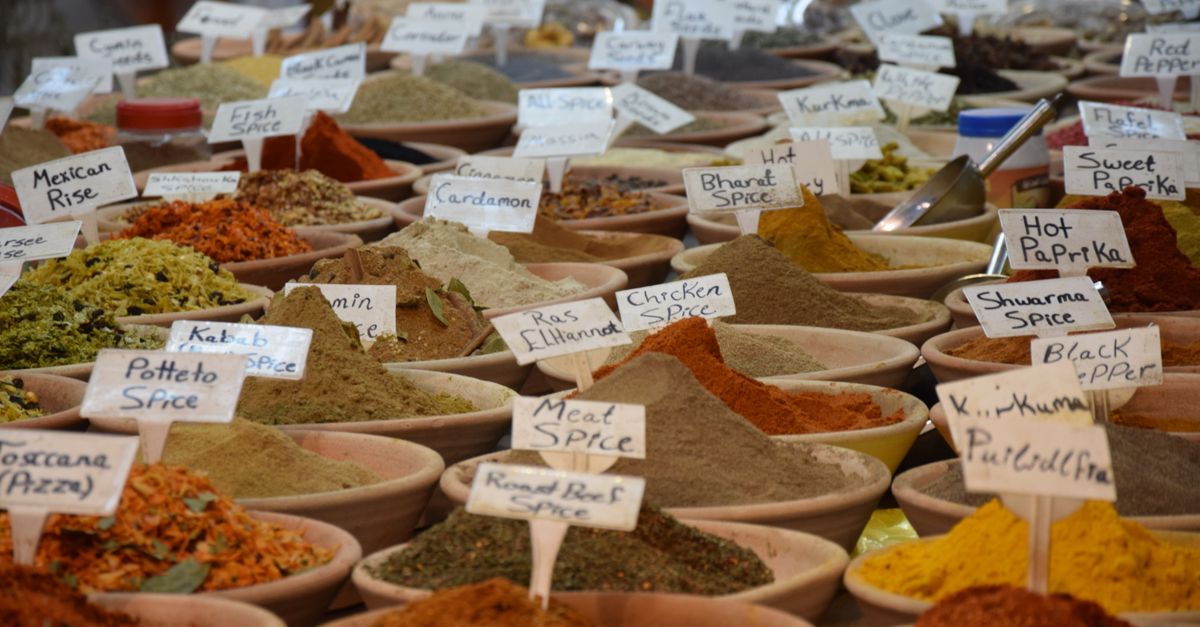
Machane Yehuda Market — the shuk — is the beating heart of Jerusalem's food culture and one of the most atmospheric markets in the Middle East. Stretching along two parallel covered streets between Agrippas Street and Jaffa Road in West Jerusalem, its 250-odd stalls operate at full intensity from Sunday through Friday morning, selling everything from fresh Jaffa citrus and creamy labneh balls to spice mountains of za'atar, sumac, and harissa that perfume the entire neighbourhood. Arrive between 8 and 10 AM for the full sensory overload of vendors calling out prices, housewives negotiating, and the smell of freshly baked ka'ak bread rings being sold from wooden trays.
Friday morning before Shabbat is the market's dramatic climax: prices drop sharply in the final hours before vendors close for the Jewish day of rest, and the crowd density approaches the genuinely overwhelming. Bring cash — many stallholders still work cash-only — and smaller bills (NIS 20-50) to avoid problems with change. The inner covered lane has the highest concentration of prepared food, including Marzipan Bakery (ILS 8-12 per rugelach), which produces arguably Israel's best rugelach in its perpetually crowded corner shop, and Azura (ILS 35-55), a legendary Sephardic restaurant serving Jerusalem-mixed grill, slow-cooked haminados eggs, and meaty stews from a kitchen that opens at 8 AM and closes when the food runs out.
The Muslim Quarter of the Old City delivers an entirely different market experience. The Arab souk running from Damascus Gate along Al-Wad Road to the Church of the Holy Sepulchre contains dozens of street food vendors operating from cart-width stalls. Knafeh is pressed fresh onto hot trays at Jafar Sweets near Damascus Gate (ILS 15-20 per portion, eat immediately while the cheese still pulls). Fresh-squeezed pomegranate juice vendors appear at every major intersection (ILS 5-8 per glass). Ka'ak bread rings stuffed with za'atar and sesame paste are sold by walking vendors who carry entire stacks on their heads for ILS 5-8 each — the correct way to eat them is torn and dipped into hummus purchased from one of the nearby sit-down spots.
Mahane Yehuda at night has transformed over the past decade into a bar and restaurant corridor where the same stalls that sell produce by day pull down their shutters and reopen as wine bars, cocktail spots, and casual restaurants serving modern Israeli cuisine. Machneyuda restaurant (reservation essential, ILS 120-180 per person) pioneered this transformation and remains the standard-bearer for creative cooking built on shuk ingredients. The night market atmosphere on Thursday and Friday evenings is festive, loud, and distinctly younger than the daytime market — worth experiencing as a separate visit even if you explored the daytime version earlier.


