
Granada, Nicaragua is Central America's oldest colonial city and one of its most rewarding food destinations — though you would be forgiven for not knowing this, given how thoroughly the city's pastel-painted churches and volcanic backdrop dominate the travel narrative. The food culture here is rooted in pre-Columbian indigenous ingredients and techniques that survived the Spanish colonial period by being absorbed into it rather than replaced, producing dishes that are simultaneously ancient and uniquely Nicaraguan: vigorón built on yuca and chicharrón, nacatamal wrapped in banana leaves and steamed for hours, and the everyday rice-and-beans combination called gallo pinto that is the country's true national dish.
Nicaraguan cooking is the least internationally known of the Central American cuisines, which means it has been subject to neither the commercialization nor the dilution that affects more famous food cultures. What you eat in Granada's comedores (local diners) and at the Parque Central food stalls is essentially the same food that has been eaten here for generations — unchanged by Instagram, uninfluenced by food tourism trends, and all the more genuine and satisfying for it. The ingredients are local (Nicaragua grows exceptional corn, yuca, plantain, cacao, and tropical fruit), the techniques are indigenous and colonial hybrid, and the prices are among the lowest in the Americas for food of this quality.
The honest setup: Granada is a small city. The restaurant scene is limited and most of the best eating happens at street stalls and market comedores rather than in formal restaurants. The few international restaurants targeting backpacker tourism are forgettable. The local food is not. If you eat at the Mercado Municipal, at the Parque Central evening stalls, and at the family comedores on the streets south of the park, you will eat exceptionally well for less than USD 10 per day. This is the only food strategy in Granada that makes sense.
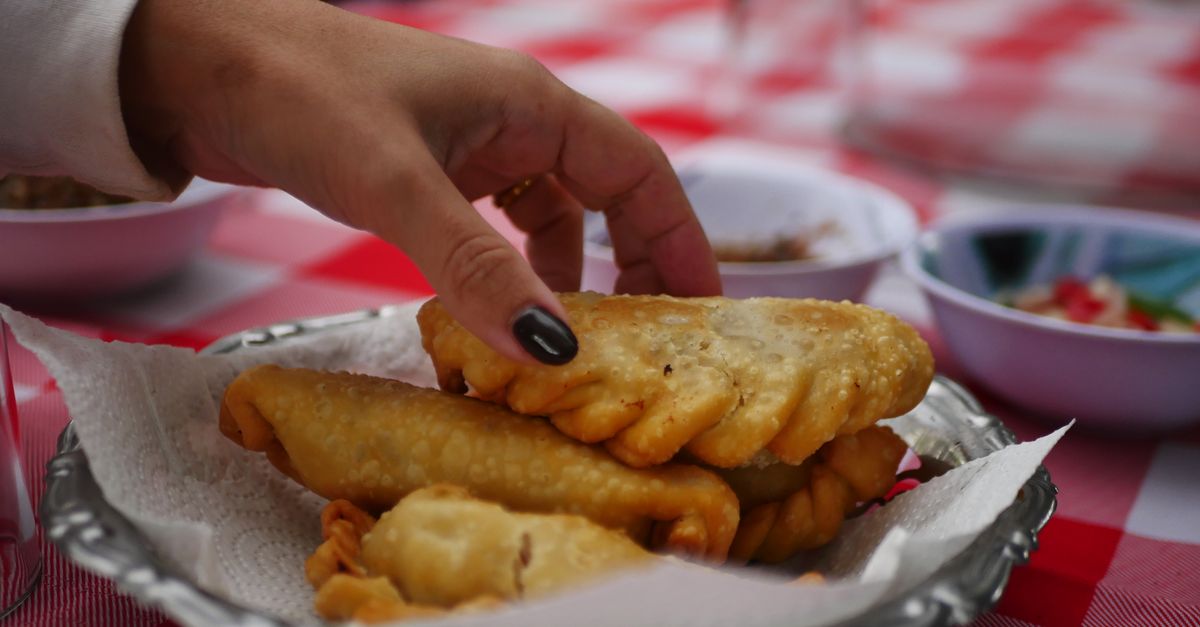
10 Must-Try Dishes in Granada
1. Vigorón (Yuca with Chicharrón and Slaw)
Vigorón is Granada's most iconic dish — a simple, powerful preparation that manages to be completely satisfying with just three components. Boiled yuca (cassava root, cut into large chunks, cooked until soft and slightly waxy) is arranged on a banana leaf, topped with a generous portion of chicharrón (crispy fried pork skin and bits of pork fat), and covered with curtido — a pickled cabbage and tomato slaw dressed with vinegar, salt, chili, and sometimes orange juice. The combination of starchy yuca, crunchy pork, and sharp pickled vegetable is nutritionally complete and texturally extraordinary.
The chicharrón used in vigorón is not the American commercial pork rinds product — it is real fried pork, including skin, cartilage, and some meat, cooked slowly until the fat renders and the exterior turns golden and crispy while some inner sections remain soft and yielding. The curtido's acidity cuts through both the richness of the pork and the starchiness of the yuca, performing the same function as sauerkraut in German cooking or kimchi in Korean — the fermented/pickled element that makes rich food digestible and interesting over a full serving.
Vigorón is sold primarily at street stalls and market vendors rather than restaurants. The vendors at the Parque Central (particularly the women who set up from early afternoon) serve the definitive version — Granada has been the home of vigorón since the dish was invented here in the early twentieth century, and the local preparation is the most authentic available anywhere in Nicaragua. Look for the banana-leaf display rather than a menu — the dish identifies itself visually.
A serving of vigorón costs C$50 to C$80 (approximately USD 1.40 to USD 2.20) at the market stalls. This is a complete meal for one person. Eat it immediately while the chicharrón is still crispy — it deteriorates quickly as the pork absorbs moisture from the slaw. The banana leaf serving is functional as well as traditional: the leaf keeps the food from sliding and imparts a very faint vegetal fragrance to the yuca. What to avoid: vigorón at tourist restaurants that serve it as a "Nicaraguan specialty" on a ceramic plate — they typically use pre-made commercial chicharrón that lacks the texture and flavor of fresh-fried pork.
2. Nacatamal (Nicaraguan Tamale)
The nacatamal is Nicaragua's version of the Mesoamerican tamale — but more elaborate, more festive, and more distinctive than the Mexican versions most internationally known. It is made from masa (nixtamalized corn dough) mixed with lard and seasoned with recado (a sauce of tomato, onion, garlic, and spices), wrapped around a filling of pork, rice, potato, prunes, sweet peppers, mint, and chili, then sealed in banana leaves and tied with string into a rectangular parcel before being steamed for four to six hours.
The complexity of the filling — the combination of savory pork and rice with sweet prunes, fresh mint, and aromatic peppers — is the distinctly Nicaraguan element. This is not a simple tamale of masa and meat; it is a miniature feast in leaf form, where the long steaming time allows the masa to absorb the juices from the pork and the aromatics from the banana leaf, producing a deeply fragrant, moist preparation that is simultaneously familiar (corn, pork) and surprising (prunes, mint, the specific Nicaraguan recado). The nacatamal is weekend food — made Saturday evening for Sunday breakfast throughout Nicaragua.
Nacatamales are sold at the Mercado Municipal in Granada on Saturday evenings and Sunday mornings, when women set up temporary stalls selling them by the piece. The correct breakfast context is a nacatamal with sweet coffee, eaten at a table outside a comedor in the morning light. Several families near the market sell them from their homes on weekend mornings — ask your guesthouse owner who makes the best nacatamales in the neighborhood and they will direct you.
A nacatamal costs C$40 to C$70 (USD 1.10 to USD 1.90) at a market stall. The size is substantial — one nacatamal is a complete meal for one person. Open the banana leaf carefully at the table; the folded leaf contains all the steam from the cooking and opening it slowly releases the fragrance without scalding your hands. Eat with the accompanying sauce or plain — the nacatamal has enough internal seasoning to stand alone.
3. Gallo Pinto (Rice and Beans)
Gallo pinto — "spotted rooster," named for the mottled appearance of red kidney beans mixed with white rice — is the national breakfast of Nicaragua and one of the most complete, satisfying, and economical foods in the Americas. Cooked rice and cooked red beans are fried together in a pan with onion, garlic, bell pepper, and Worcestershire sauce until the beans begin to break down slightly and the rice absorbs their color and flavor. Served with eggs (scrambled, fried, or mixed in), a small piece of white cheese (queso seco), a plantain, and sour cream (crema), it is a breakfast that sustains a person through hours of manual labor in tropical heat.
The proportion of rice to beans is important — roughly two to one in favor of rice — and the final color should be a mottled purple-brown rather than the individual separated colors of the components. The beans must give some of their liquid to the rice during frying, creating a slightly cohesive mixture rather than a dry pile. Worcestershire sauce (salsa inglesa) is the surprising ingredient that gives Nicaraguan gallo pinto its distinctive savory depth; no substitute produces the same result.
Every comedor in Granada serves gallo pinto at breakfast. The version at Comedor Vanessa near the Mercado Municipal is particularly good — simple, generously portioned, and served with properly ripe plantain and fresh queso seco from local dairy producers. The price is C$60 to C$90 (USD 1.70 to USD 2.50) for the full breakfast spread.
The gallo pinto served at tourist restaurants (often with bacon, avocado, and other additions) is a more expensive interpretation that loses the essential simplicity of the dish. The C$70 comedor version is the correct one. Eat gallo pinto every morning — after two days it will become genuinely preferred over whatever hotel breakfast you might otherwise have considered.
4. Fritanga (Nicaraguan Grill)
Fritanga is the Nicaraguan evening street food institution — a home or semi-permanent grill setup where various cuts of pork, chicken, and beef are charcoal-grilled and sold by the plate alongside yuca, plantain, gallo pinto, and ensalada (a simple salad of shredded cabbage, tomato, and white cheese). The word refers to the style of cooking and the informal setting rather than a specific dish — a fritanga is defined by its charcoal, its smoke, its outdoor location, and the crowds of Nicaraguans eating at plastic tables around it.
The most common fritanga proteins are costillas de cerdo (pork ribs, charcoal-grilled until the fat renders and the exterior chars), pollo a la plancha (butterflied chicken, flattened and grilled over the coals), and chuleta (pork chops, marinated in garlic and citrus). The accompaniments — yuca, plantain, rice — are served in generous portions that establish this as a substantial, satisfying dinner rather than a snack. The charcoal smoke is part of the flavor, not incidental to it.
The fritanga zone in Granada concentrates around the Parque Central in the evening from around 5 PM onward. The smoke from multiple grill setups creates a fragrant haze over the park by 6 PM, drawing the city's residents for their evening meal. The best fritanga in Granada is operated by Doña Carmen, who has occupied the same corner position since before current travelers were born — her marinated pork ribs are the standard other fritanga operators are measured against.
A full fritanga plate with two proteins, yuca, plantain, and salad costs C$100 to C$150 (USD 2.80 to USD 4.20). Eat at one of the plastic tables set up around the fritanga operator rather than taking it away — the food cools and the experience loses something important when removed from the charcoal proximity. The combination of evening air, charcoal smoke, and a C$30 Toña beer is the most complete version of Granada evenings available.
5. Indio Viejo (Ancient Indian Stew)
Indio Viejo — "Old Indian" — is one of Nicaragua's most ancient dishes, directly linked to the indigenous Nahuatl and Maya-Chorotega cooking traditions of pre-Columbian Central America. It is a thick stew made from shredded beef (or chicken) cooked in a sauce of ground dried corn (masa), tomato, onion, garlic, chili, naranja agria (sour orange), and mint or hierba buena. The masa thickens the sauce to a porridge-like consistency as it cooks, and the result is a stew that is simultaneously the texture of polenta and the flavor of a complex meat braise.
The specific combination of masa with meat in a sauce — the corn absorbing the meat juices and the meat flavoring the corn — is one of the oldest cooking techniques of Mesoamerica, predating the Spanish conquest and continued in the Nicaraguan kitchen without interruption. The sour orange (naranja agria) provides the acid element that would otherwise be absent and gives the dish a brightness that prevents the masa from tasting heavy. The fresh herb (mint or hierba buena) added at the end is essential — without it the stew closes in on itself.
Indio Viejo is found at comedores throughout Granada and at the Mercado Municipal. Comedor El Viejo on Calle La Libertad is one of the few places that makes it well consistently — the stew must be made to order or freshly prepared, not held in a pot for hours where the masa continues to absorb liquid and the texture becomes gummy. Ask if it is "recién hecho" (freshly made) before ordering.
A bowl of Indio Viejo with rice costs C$70 to C$100 (USD 2 to USD 2.80). The dish is substantial enough to be a complete lunch. It is generally better in the rainy season (May to October) when the sour orange trees are producing heavily and the freshest naranja agria is available — the sourness of the orange is the element that varies most with freshness. What to avoid: indio viejo from tourist restaurants that make it sweet rather than sour — this is a misreading of the dish's character and produces something that has the texture but not the essence of the original.
6. Quesillo (Nicaraguan String Cheese Sandwich)
Quesillo is the most uniquely Nicaraguan street food — a simple construction that is greater than the sum of its parts. Warm, freshly pulled string cheese (queso Nicaragua, a mild, slightly salty stretched-curd cheese) is rolled into a piece of thin tortilla with a spoonful of sour cream and pickled onions, then doused with a dark, sweet, slightly tart drink called "vinagre" (actually a concentrated sweetened vinegar-based drink). The whole assembly is handed to you in a plastic bag, the drink pooling around the tortilla bundle, and eaten immediately with your hands.
The quesillo is the dish that makes no sense until you eat it and then makes complete sense. The warm cheese and tortilla provide the starch and protein base; the sour cream adds dairy richness; the pickled onions cut through with sharp acidity; the sweet-tart vinagre — drunk separately or used to further saturate the tortilla — ties everything together in a way that is simultaneously sweet, sour, salty, and deeply savory. It is complete food in a plastic bag, and it costs less than a dollar.
Quesillo vendors are found throughout Granada but the city of La Paz Centro (on the highway between Granada and León, accessible as a day trip) is the quesillo capital of Nicaragua — the village exists primarily to make and sell quesillos, and the product there has a freshness and quality that the Granada versions sometimes approximate but rarely match. In Granada itself, the vendors near the Parque Central from afternoon onward sell acceptable versions.
A quesillo costs C$20 to C$35 (under USD 1). Two is a light meal; three is a substantial one. The correct eating method is to hold the plastic bag and eat through the opening, drinking the vinagre liquid that accumulates at the bottom after the solid components are consumed. This is not a dignified eating experience and does not need to be. Nicaragua's best foods are not dignified. They are, however, delicious.
7. Vaho (Steamed Meat and Vegetable)
Vaho — from the Spanish word for steam — is a communal preparation typically made for Sunday family lunches: a large pot is layered with banana leaves, yuca, plantain, and pieces of beef (often flank steak or brisket) that have been marinated in citrus and garlic, sealed with more banana leaves, and steamed for two to three hours until the meat is fork-tender and the yuca and plantain are saturated with the meat's cooking juices. The steam cooking preserves moisture better than braising and infuses the banana leaf fragrance throughout.
Vaho is quintessentially communal — it is designed to feed a large group from a single cooking vessel, and the sharing of it is as important as the eating. The meat comes off the bone if bone-in pieces are used, the yuca is silky and richly flavored, and the whole preparation has a coherent identity from the long co-cooking in the sealed pot. Salt, lime, and chili are served alongside but are needed only sparingly — the vaho seasons itself from the marinade during steaming.
Vaho is primarily a home cooking tradition that appears at comedores as a Sunday special. Several restaurants in the neighborhoods south of the Parque Central serve it on weekends — ask at your guesthouse for which comedor is making vaho that Sunday. The preparation time means it cannot be made quickly for a last-minute visitor; planning ahead is essential.
A plate of vaho costs C$80 to C$130 (USD 2.20 to USD 3.60) at a comedor. This is always a substantial, filling meal that requires no additional ordering. The correct accompaniment is a Toña cerveza (the better of Nicaragua's two main beers, the other being Victoria) at C$30 to C$40 from the same comedor. Do not eat vaho from tourist restaurants — the preparation time and the communal character of the dish make it unsuitable for restaurant production, and what is served at tourist establishments is invariably a simplified, inferior version.
8. Pinolillo (Toasted Corn Drink)
Pinolillo is the national beverage of Nicaragua — a drink made from toasted, ground corn mixed with cacao, sugar, and spices (cinnamon, cloves), stirred into water or milk and consumed warm or cold. The toasted corn gives it a distinctive nutty, almost smoky flavor that has no close parallel in other cuisines. Nicaraguans call themselves "pinoleros" in cultural reference to this drink, which indicates how central it is to national identity.
The flavor of pinolillo is challenging to describe to someone who hasn't tried it — it is savory and sweet simultaneously (from the corn and cacao), slightly bitter from the toasted grain, and aromatic from the cinnamon. Cold pinolillo, served over ice in a tall glass, is one of the most refreshing drinks in tropical heat. Warm pinolillo, served thick, is the drink that Nicaraguan children are given and that adults consume throughout the day as a calorie-efficient, comforting beverage.
Pinolillo is sold from dedicated drinks vendors throughout Granada — women carrying thermos containers or sitting at small tables with large clay pots. The Mercado Municipal has several vendors. The best version is made with good-quality cacao from the Matagalpa region (which produces excellent cacao) rather than commercial cocoa powder — you can taste the difference immediately in the complexity and chocolate depth of the finished drink.
A glass of pinolillo costs C$15 to C$25 (approximately USD 0.40 to USD 0.70). This is the daily beverage of Nicaragua and should be consumed as such — repeatedly, at different vendors, to appreciate the variation in corn quality and cacao percentage. The "pinolillo artisanal" sold in tourist shops as a powder is generally good quality and makes an excellent gift — the version made from fresh-toasted corn at market vendors is better but not packaged for travel.
9. Cacao and Chocolate Products
Nicaragua is one of the world's finest cacao-producing countries and the region around Matagalpa (accessible as a day trip from Granada) grows some of the highest-quality fine-flavor cacao in the Americas. The Chocolatería Taza and small artisan producers in Granada have been making bean-to-bar chocolate from Nicaraguan cacao that is attracting international attention — the specific genetics and fermentation of Matagalpa cacao produce a complex, fruity flavor profile that distinguishes it from the flat, generic chocolate that constitutes most global production.
Cacao drinking (chocolate caliente, hot chocolate made from roasted cacao nibs ground with cinnamon and sugar) is the traditional form of cacao consumption in Nicaragua — a practice that predates the Spanish conquest and connects directly to the pre-Columbian Mesoamerican cacao tradition. The hot chocolate made at artisan producers in Granada from whole Nicaraguan cacao is dramatically different from any commercial hot chocolate product. It is less sweet, more complex, with distinct fruity and earthy notes from the cacao's regional character.
Café de los Sueños on Calle La Calzada sells excellent artisan Nicaraguan chocolate products including single-origin bars, cacao nibs, and fresh-made hot chocolate from local cacao. Choco Museo Granada (Calle La Calzada) offers both retail and chocolate-making workshops using Nicaraguan cacao that are worth the C$200 to C$300 entry fee for the education in cacao diversity alone.
Artisan chocolate bars from Nicaraguan cacao cost USD 5 to USD 12 at specialty shops — more expensive than commercial chocolate but dramatically better in quality and traceable to specific farms. A cup of traditional hot chocolate from cacao at an artisan café costs C$50 to C$80 (USD 1.40 to USD 2.20). This is the single best food souvenir available in Granada — authentic, local, genuinely excellent, and not available at similar quality anywhere except the origin countries.
10. Rosquillas (Corn Biscuits)
Rosquillas are Nicaragua's essential baked snack — small, ring-shaped corn biscuits made from masa (nixtamalized corn dough), white cheese (queso seco), egg, and a small amount of butter or lard, baked until crispy and dry. They are the snack that accompanies coffee, that appears in every market basket, and that Nicaraguans eat throughout the day as the portable, shelf-stable, protein-and-starch combination that sustains between meals in the heat. They have a chalky, slightly salty character from the queso seco and a subtle corn flavor from the masa.
Rosquillas de maíz are distinguished from the Venezuelan and Colombian versions (which are sweeter and more cake-like) by the prominent corn and cheese character rather than the sweetness. They are entirely unsweetened or only very lightly so, functioning as a savory biscuit rather than a sweet one. Eaten with strong, sweet coffee — the combination that constitutes the Nicaraguan mid-morning break — they demonstrate the same complementary dynamic as biscuits and gravy in American Southern food: the savory, slightly crumbly biscuit with the sweet, hot beverage producing something greater than either alone.
Rosquillas are sold at market stalls and bakeries throughout Granada. The vendors in the Mercado Municipal sell them fresh from the oven each morning — still warm, with the queso seco just set and the corn fragrance at its peak. They are also sold in bags at convenience stores throughout the city but these are always inferior to the freshly baked versions. Buy them in the morning when they are warm.
A bag of fresh rosquillas at the market costs C$20 to C$40 (under USD 1). They keep for three to four days in an airtight container without refrigeration. Bring a bag as a travel snack for bus journeys or lake tours — they travel well and provide genuine nutritional sustenance. A dozen rosquillas with a cup of café negro (black coffee with sugar) at a comedor is one of the best morning experiences in Granada and costs C$50 to C$70 total.
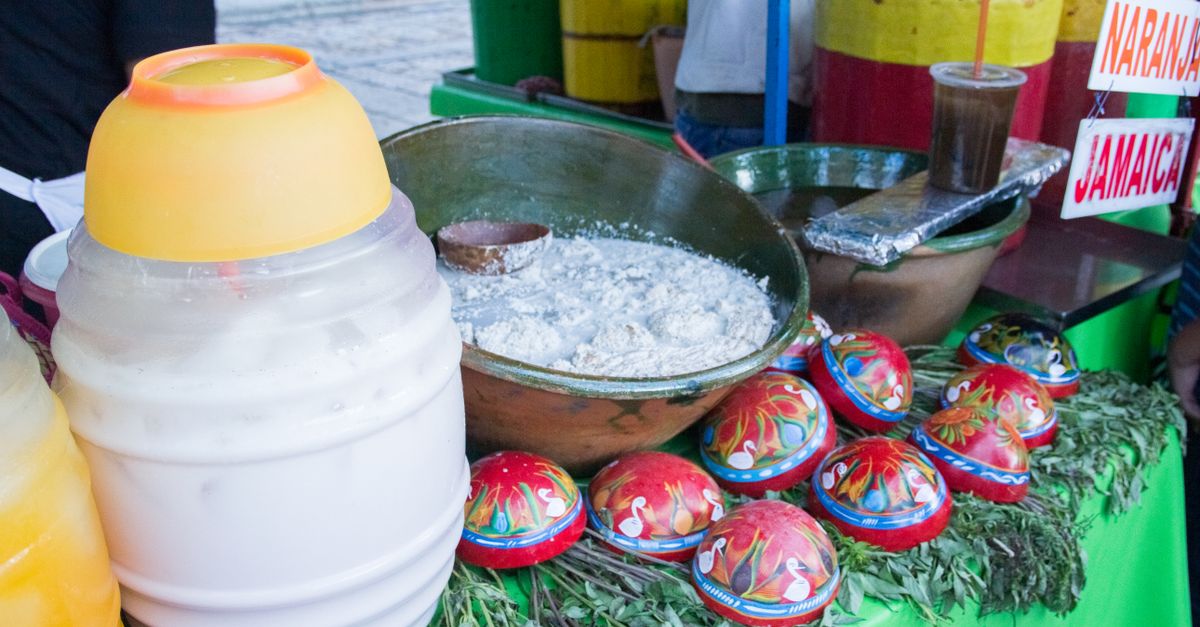
Granada Nicaragua's Essential Food Neighborhoods
Parque Central and surrounding blocks is the evening food hub — the fritanga vendors, vigorón sellers, and evening drink stalls cluster around the park from late afternoon. The cathedral-facing side of the park has the most established vendors; the side streets leading south have the more local-facing operations at lower prices. The combination of the park's colonial architecture and the food vendors' charcoal smoke creates the most atmospheric evening eating environment in Central America.
Mercado Municipal is the daily food center — the indoor market building on Calle Atravesada houses comedores, produce vendors, and specialty food stalls that serve the city's residents. The best breakfast and lunch eating in Granada happens here rather than at any restaurant. Navigate by smell and the presence of queuing locals — the most popular comedor stools are occupied by people who eat there every day by choice, which is all the recommendation required.
Calle La Calzada, the pedestrian street leading from the Parque Central toward the lake, has Granada's most tourist-facing restaurant concentration and several genuinely good artisan food shops (the Choco Museo, Café de los Sueños). The restaurants here are more expensive and less authentic than the market area but some are competently run and appropriate for an occasional evening meal when you want table service rather than a plastic stool. Avoid the restaurants with aggressive touts at the door — reliable quality comes from places that don't need to recruit customers from the street.
Practical Eating Tips for Granada Nicaragua
Daily food budget in Granada is remarkably low by any global comparison. Eating entirely at market stalls and comedores: USD 4 to USD 8 per day including breakfast, lunch, dinner, and drinks. Eating at a combination of local and tourist-facing restaurants: USD 12 to USD 25 per day. There is essentially no food experience in Granada that costs more than USD 20 per person per meal unless you are eating at one of the few international hotels with formal restaurants. This affordability is not reflected in food quality — the local cooking here is genuinely excellent by any standard. Dietary considerations: Nicaraguan cooking is heavily pork-based, which presents challenges for vegetarians and people avoiding pork. Gallo pinto (without the pork-lard version), vegetable soups, tropical fruit, and corn preparations are available everywhere and constitute a sufficient diet. Stating "sin carne, sin cerdo" (without meat, without pork) clearly at any comedor will produce a response ranging from confusion to a graceful bean and vegetable alternative depending on the establishment. The Lake Nicaragua context: Granada sits on the shore of Lake Nicaragua (Lago Cocibolca), one of the largest lakes in Central America. The lake fish — guapote (rainbow bass), mojarra, and the diminishing freshwater shark population — appears occasionally at restaurant menus near the lake shore. Freshwater guapote, grilled with garlic and lime, is worth seeking out as a distinctly regional protein that tourist-area restaurants rarely serve but lakeside comedores often have. Best season: the dry season (November to April) is when street food culture is most active outdoors, produce variety is highest, and the general eating conditions are most pleasant.

