
Florence Food Guide: Bistecca, Lampredotto & the Best Gelato
Florentine cuisine is deceptively simple. A few exceptional ingredients, minimal fuss, and centuries of tradition produce food that stops you mid-bite. This is not the rich, sauced cooking of Rome or the seafood of Naples — it's rustic Tuscan honesty on a plate.
Here's where to find the best of it, from street-side tripe carts to the city's most revered steakhouse.

Bistecca alla Fiorentina: The Sacred Steak
A true bistecca is cut from Chianina cattle, aged, and grilled over chestnut or olive wood. It arrives rare — ordering it well-done will get you politely refused. The steak is sold by weight, typically 1-1.2 kg (€45-60), easily enough for two people.
Trattoria Sostanza (Via del Porcellana 25r) has served the definitive bistecca since 1869. The tiny room, shared tables, and no-nonsense service are part of the experience. Their butter chicken is equally legendary. Cash only, no reservations — arrive at 7:30 PM opening.
Buca Mario (Piazza degli Ottaviani 16r) offers bistecca in a vaulted cellar dating to 1886. Prices are higher (€55/kg) but the atmosphere and consistency are impeccable. Perseus (Viale Don Minzoni 10r) outside the tourist center serves massive portions at better prices (€40/kg) to a mostly local crowd.
Lampredotto: Florence's Street Food Star
Lampredotto is the fourth stomach of a cow, slow-simmered in broth with tomato, onion, and parsley, then stuffed into a crusty roll. Before you recoil — this is one of the most delicious things you'll eat in Italy.
The trippaio carts scattered throughout the city are where Florentines grab lunch. The cart at Piazza dei Nervi (behind the Uffizi) is excellent. Da Nerbone inside Mercato Centrale has served lampredotto since 1872 — their sandwich (€4.50) comes with the roll dipped in the cooking broth (ask for "il pane bagnato").
Lampredotto sandwich at L'Antico Trippaio in Piazza dei Cimatori (€5) is another reliable choice. The vendor will add salsa verde (green herb sauce) and spicy oil. Say yes to both.
Schiacciata: Florence's Flatbread
Schiacciata is Florence's answer to focaccia — flatter, crispier, and drenched in olive oil. Every bakery makes it, and it's the foundation of the city's best sandwiches.
All'Antico Vinaio (Via dei Neri 74r) is the most famous schiacciata sandwich shop in Florence. The line wraps around the block, but it moves fast. Their focaccia stuffed with porchetta, pecorino, and artichoke cream (€5-7) is a religious experience. They now have four locations on the same street.
For schiacciata without the queue, try I Due Fratellini (Via dei Cimatori 38r). This tiny hole-in-the-wall has served panini since 1875. Sandwiches cost €3-5 and you eat standing in the street. The truffle cream and prosciutto combination is perfect.
Gelato: The Real Thing
Florence may have invented gelato — Bernardo Buontalenti allegedly created it for the Medici court. Today, bad tourist gelato lurks on every corner. Here's how to find the real thing.

Vivoli (Via dell'Isola delle Stinche 7r) has made gelato since 1930. Their crema (egg custard) and rice flavors are legendary (€3-5). No cones — cups only. This is purist gelato.
Gelateria La Carraia (Piazza Nazario Sauro 25r) near Ponte alla Carraia serves enormous portions at honest prices (€1.50 for a small). Their pistachio is outstanding. Gelateria dei Neri (Via dei Neri 9/11r) does excellent seasonal flavors — the ricotta and fig in autumn is transcendent.
Red flags for bad gelato: mountain-high mounds of bright unnatural colors (especially blue or neon green), banana that's bright yellow, and pistachio that's vivid green rather than brownish-green. Real gelato is stored flat in covered containers with muted natural colors.
Mercato Centrale: Florence's Food Cathedral
The Mercato Centrale (San Lorenzo) operates on two levels. The ground floor (7 AM-2 PM) is a traditional market where Florentines shop for meat, cheese, fish, and produce. Da Nerbone's lampredotto cart here is essential eating.
The first floor (10 AM-midnight) is a modern food hall with artisan vendors. Excellent options include the truffle station (truffle pasta €12), the Lampredotto stand, fresh pasta made to order (€8-10), and the pizzeria with wood-fired pies (€8-12). Quality is consistently high though prices are slightly above street-level.
Ribollita & Other Tuscan Classics
Ribollita is a thick bread soup made with cannellini beans, cavolo nero (black kale), and stale bread, reheated ("ribollita" means "reboiled") until it becomes almost solid. It's the most humble Tuscan dish and one of the most satisfying.
Trattoria Mario (Via Rosina 2r, near San Lorenzo) serves ribollita (€7) and other Tuscan classics at communal tables since 1953. Cash only, no reservations, lunch only. Arrive at 11:45 AM or face a serious wait. Their pork loin (€9) is superb.
Pappa al pomodoro — a similar bread soup but with tomatoes — is equally essential. Crostini di fegatini (chicken liver crostini, €5-7) appear as antipasto everywhere. And don't leave without trying cantucci (almond biscuits, €3-4 per bag) dipped in Vin Santo dessert wine at any trattoria. It's the traditional end to a Florentine meal.
Where to Drink
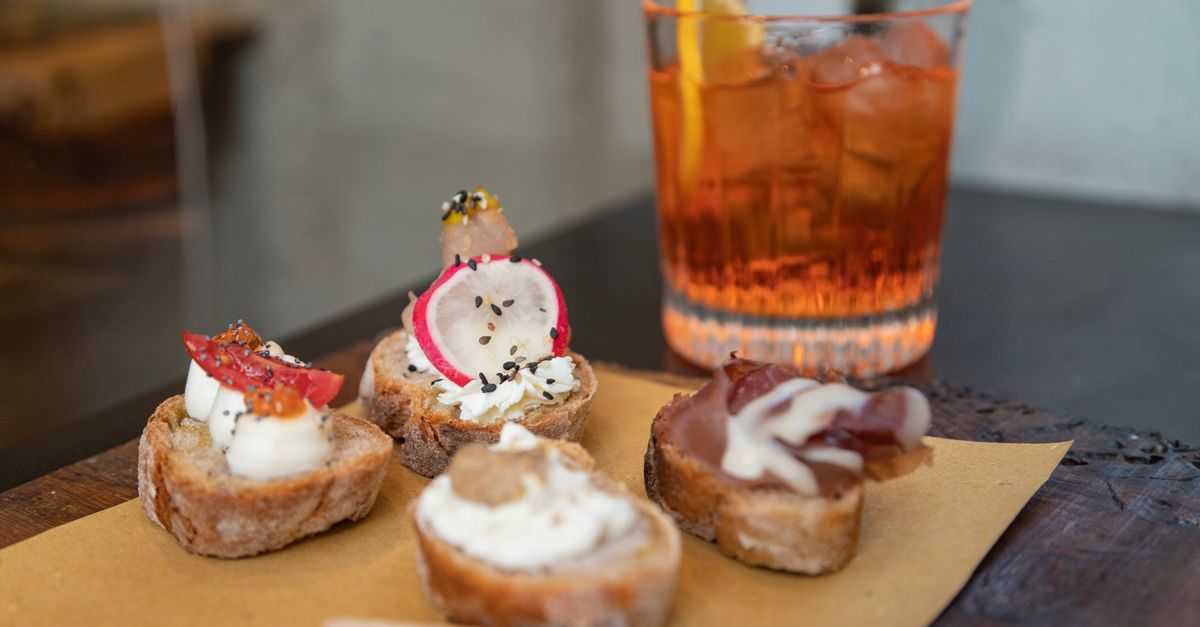
Enoteca Pitti Gola e Cantina (Piazza Pitti 16) faces the palace and has an outstanding wine list focused on small Tuscan producers. A glass of Chianti Classico costs €6-8, paired with taglieri (cutting boards) of cheese and salumi (€12-18).
For aperitivo, Le Volpi e L'Uva (Piazza dei Rossi 1r) is a tiny wine bar near Ponte Vecchio with wines by the glass from €5 and a curated selection of small Tuscan producers you won't find elsewhere. Volume Firenze (Piazza Santo Spirito 5r) in the Oltrarno combines a bookshop, café, and cocktail bar — their Negroni (€9) pays tribute to the drink that Count Negroni allegedly invented at Caffè Casoni in 1919 by asking a bartender to strengthen his Americano with gin instead of soda.
Tuscan olive oil deserves special mention. The extra virgin oil from the hills around Florence is peppery, green, and utterly different from the mild oils most visitors know. Drizzle it on bread (fettunta), over ribollita, or on a simple bruschetta with tomatoes. You'll taste why Florentines are so protective of their olive groves. Buy a bottle at the Mercato Centrale ground floor (€8-15 for quality oil) to take home.
Budget Food Summary
| Meal | Where | Price |
|---|---|---|
| Lampredotto sandwich | Any trippaio cart | €4-5 |
| Schiacciata sandwich | All'Antico Vinaio | €5-7 |
| Gelato (small) | La Carraia | €1.50-3 |
| Trattoria lunch | Trattoria Mario | €10-14 |
| Pizza | Gusta Pizza | €5-8 |
| Glass of Chianti | Any enoteca | €5-8 |
Florence doesn't need to try hard with its food. The olive oil is extraordinary, the bread is salt-free (a centuries-old tradition), and the simplest dishes are often the most memorable. Eat where Florentines eat, avoid the tourist menus, and let this ancient city feed you properly.
Sweet Treats & Desserts
Florence's dessert traditions run deep and wide. Beyond the city's well-documented gelato obsession lies an entire world of pastries, biscuits, tarts, and sweet wines that most visitors miss entirely because they are focused on the next scoop of stracciatella. Mornings in any Florentine bar begin with a cornetto — the Italian cousin of a croissant, lighter and less buttery, filled with plain cream, Nutella, or marmellata (jam) and dunked into a cappuccino (€2.50-3.50 for both). The ritual of standing at the bar for this combination is as Florentine as the Uffizi, and considerably cheaper.
Buca Mario and most traditional trattorias end meals with cantucci con Vin Santo — the almond biscuits are designed to be dipped into the amber dessert wine, softening just enough to meld the flavours without disintegrating entirely. A small glass of Vin Santo costs €4-6; the biscuits are often complimentary or cost €3-4 per portion. This is not a tourist gimmick but the genuine traditional end to a Tuscan meal, still practised in every family home across the region. Antinori and Frescobaldi produce excellent Vin Santo (€12-18 per bottle at the Mercato Centrale wine shop) if you want to take a bottle home.
Pasticceria Nencioni (Borgo degli Albizi 11r) is one of Florence's most respected traditional pastry shops, producing schiacciata alla fiorentina — a flat, orange-scented carnival cake dusted with icing sugar and stamped with the Florentine lily, available from January through Easter (€4-6 per slice). Their zuccotto (a dome-shaped frozen dessert of sponge cake soaked in Alchermes liqueur and filled with whipped cream and chocolate, €5-7) is a Florentine invention dating to the Renaissance. Dolce e Dolcezze (Piazza Beccaria 8r) in the Sant'Ambrogio neighbourhood makes arguably the city's finest torta al cioccolato (€4.50 per slice) — dense, bittersweet, and worth the ten-minute walk from the centre.
Caffè Rivoire on Piazza della Signoria (since 1872) makes Florence's most celebrated hot chocolate — thick enough to stand a spoon in, served in a small ceramic cup with a biscuit on the side (€5.50). The tourist premium on the piazza terrace is real, but standing at the bar inside costs the same as any neighbourhood café. For summer visits, their granita di caffè (iced coffee with whipped cream) is the city's most refreshing afternoon break at €4. Finish any Florence food journey with a glass of limoncello at any enoteca — the Florentine version uses Amalfi lemons and is slightly less sweet than the Neapolitan standard, a bright, sharp end to a meal that sends you back into the museum-filled streets with renewed energy.
Plan your 3-day Florence itinerary Florence on a budget


