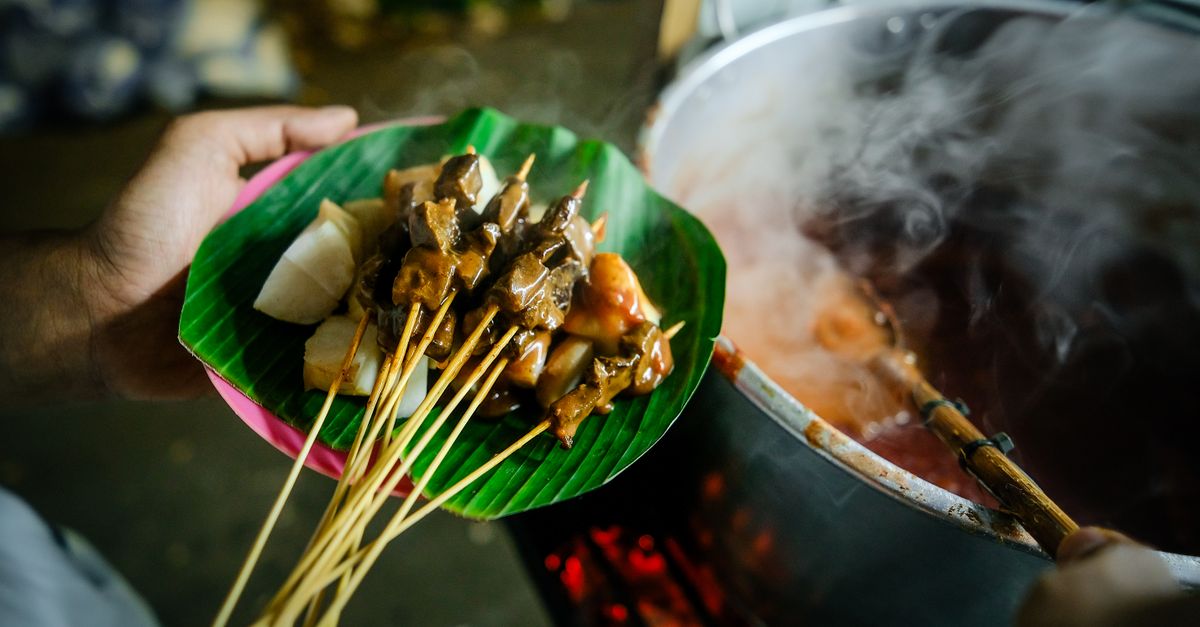
El Nido does not ease you into its food culture — it drops you in at the deep end, quite literally. The limestone karsts that tower over this northern Palawan town also shelter some of the most biodiverse waters in the Philippines, and that marine richness translates directly onto the plate. Fishermen bring their catch to shore before sunrise, and by the time the first island-hopping bangkas push off, the wet markets are already busy with the smell of fresh tuna, squid, and tiger prawns glistening in bamboo baskets.
El Nido sits at the tip of a peninsula that has been both isolated and celebrated for decades. Its relative inaccessibility kept industrial fishing boats away, meaning the reefs stayed intact and the seafood stayed exceptional. The town's food identity is shaped by the Cuyonon and Tagalog communities who have lived here for generations, as well as by a growing traveler culture that has brought in wood-fired ovens and craft cocktail bars without entirely displacing the turo-turo canteens and halo-halo stalls that matter most.
The honest truth about eating in El Nido is this: the best meals are almost never in the restaurants with the best views. The scenic cliffside spots serve passable food at inflated prices aimed at visitors who won't return. The real eating happens in the side streets off Real Street, in the market stalls open from five in the morning, and in the small family-run karinderias tucked behind the main drag. Go there. Eat there. Everything below will help you find your way.

10 Must-Try Dishes in El Nido
1. Kinilaw na Tanigue (Raw Fish Ceviche)
Kinilaw is the Filipino answer to ceviche, and in El Nido it reaches its finest expression. Tanigue — Spanish mackerel — is the fish of choice, diced into clean white cubes and "cooked" in native coconut vinegar called sukang tuba. The acid denatures the protein without heat, leaving the fish silky, firm, and tasting of the ocean at its cleanest.
What sets El Nido kinilaw apart from versions you'll find in Manila or Cebu is the addition of fresh coconut cream, called gata, which softens the vinegar's sharpness and gives the dish a tropical richness. Ginger, red onion, fresh chili, and calamansi juice round it out. Some cooks add a spoonful of coconut milk at the end, others add crispy garlic. Every batch is slightly different and almost always excellent.
The best kinilaw in town comes from Altrove Restaurant on Calle Hama, where the chef sources tanigue direct from the same fishing family daily. They serve it with a side of singkamas (jicama) slices and a cold San Miguel Pale Pilsen, which is the correct pairing.
Expect to pay around ₱280 to ₱350 for a generous serving. Ask for extra sukang tuba on the side — the house-fermented vinegar is addictive. Avoid ordering kinilaw at beachfront tourist restaurants; fish sitting in the heat loses its freshness fast and the vinegar can only do so much.
2. Tamilok (Woodworm)
Tamilok is the dish that separates the genuinely curious eater from the tourist who orders adventurously in theory. These are shipworms — Teredo navalis — long, pale, soft mollusks that live inside rotting mangrove wood and are harvested by splitting open waterlogged logs. They are served raw, immediately, with nothing but vinegar and chili to accompany them.
The texture is gelatinous and the flavor is briny, clean, and faintly sweet — not as aggressive as you might fear. Many people describe tasting tamilok as eating a very mild, silkier oyster. The key is absolute freshness. They must be consumed within an hour of harvesting or they deteriorate quickly.
The most reliable place to try tamilok in El Nido is at the small stalls near the Corong-Corong beach area, where vendors harvest from the mangroves just inland. Ask your guesthouse owner who is selling fresh tamilok that day — they will know. This is not a dish sold in restaurants; it belongs in the street.
A small serving costs around ₱80 to ₱120. Have your vinegar dipping sauce ready before you pick one up. If you are squeamish about the look of them, close your eyes for the first one — after that, most people order a second serving without hesitation.
3. Lechon Liempo (Roasted Pork Belly)
The Philippines is a lechon nation, and El Nido is no exception. While the full roasted pig requires advance ordering and a celebratory context, lechon liempo — whole pork belly rolled around aromatics and roasted over charcoal — is available daily and represents the dish's essential character without requiring a fiesta budget.
El Nido cooks stuff their lechon liempo with lemongrass stalks, garlic, spring onions, and crushed black pepper. The belly skin blisters into crackling so brittle it shatters at the touch of a fork. The meat inside stays moist because the fat layer bastes it from above during the hours-long roast. No sauce is needed, though lechon sauce made from liver and vinegar is always offered.
Go to Republica Sunset Bar & Restaurant on Calle Hama on a Saturday, when they do a full lechon liempo roast. Arrive before seven in the evening or it will be gone. Alternatively, the small carinderia called Manay's Lutuan near the wet market sells it by the kilo from noon on weekends.
Lechon liempo by the kilo runs ₱380 to ₱450 depending on the vendor. Order the skin-heavy end cut. If a restaurant is selling lechon every day of the week without any indication of where the pig came from, the quality will be inconsistent — those operations are reheating yesterday's batch.
4. Inihaw na Pusit (Grilled Squid)
Walk along El Nido's waterfront at sunset and you will smell it before you see it: squid on charcoal, stuffed with its own tentacles, tomatoes, onion, and ginger, the skin charring to a deep mahogany and the juices inside steaming. Inihaw na pusit is arguably the single most iconic beach food in the Philippines, and in El Nido the squid is caught that same day.
The squid used here are medium-sized — usually pusit or lumot — firm enough to hold their shape on the grill without turning rubbery. The stuffing absorbs the charcoal smoke while the body of the squid cooks, so every bite delivers both the clean marine sweetness of the cephalopod and the smoky, savory punch of the stuffing. Served with calamansi halves and a soy-vinegar dip called sinamak.
The best grilled squid setup in El Nido is at the roadside grill stalls that appear along Real Street from around 5 PM onward. Look for the vendor with the longest queue of locals. El Nido Cove Resort Restaurant also does an excellent version for those wanting table service, though you pay a premium for the view.
Expect ₱180 to ₱250 per squid at street stalls. The key ordering tip: specify that you want it fresh, not from a cooler. Most vendors have live squid in tanks and will grill to order. Wait the extra ten minutes. It is worth it every single time.
5. Coconut Crab (Taba ng Talangka Variant)
The Palawan coconut crab — called "uuok" locally — is an enormous land crab that climbs coconut palms and is among the most remarkable (and legally protected) animals in the archipelago. Because wild-caught coconut crab is restricted, most restaurants serve the related taba ng talangka: a paste made from the fat and roe of small shore crabs, intensely savory and deeply orange, used as a sauce over rice or stirred into scrambled eggs.
Taba ng talangka has the concentrated flavor of the sea distilled into something almost buttery. It is rich, salty, and umami-forward in a way that makes it addictive alongside plain steamed rice. Some cooks fry it briefly in oil before using it, which intensifies the flavor and adds a faint nuttiness from the crab fat rendering.
Kalui Restaurant in Puerto Princesa is the famous version, but in El Nido itself, look for taba ng talangka served over garlic fried rice at Sava Beach Bar — it appears on the breakfast menu and is one of the best ways to start a day before island hopping.
A jar of taba ng talangka for home costs ₱120 to ₱180 at the market and makes an excellent pasalubong (gift to bring home). In restaurants it is typically served as a topping or sauce component — ask specifically for it over garlic sinangag and a fried egg for the full experience.
6. Halaan Soup (Clam Broth)
Halaan are small saltwater clams harvested from the tidal flats around El Nido, and the soup made from them is one of the most restorative things you can eat after a full day on the water. The broth is clear, deeply mineral, and trembling with the flavor of the sea — ginger, spring onion, and occasionally miswa noodles are added, but the clam liquor itself needs no help.
This is hangover food, recovery food, the thing you eat when you have stayed too long in the sun and need your body to remember what good tastes like. The clams open in the broth and give up their liquid, then the whole pot is finished with a squeeze of calamansi that brightens everything without obscuring the brininess. It is essentially a perfect soup.
The best halaan soup in El Nido is served at the small canteen called Mama Lita's behind the tricycle terminal. She opens at six in the morning and sells until the pot is empty, which is usually by nine. Do not be late.
A bowl costs ₱65 to ₱80 and comes with rice. Bring cash — Mama Lita does not have a card machine, a menu, or a sign on the door. The locals will know where she is. Ask them.
7. Kare-Kare with Fresh Seafood
Traditional kare-kare is an oxtail and tripe stew in peanut sauce, but El Nido has adapted this Central Luzon classic by substituting the tripe with fresh lapu-lapu (grouper), tiger prawns, and green mussels. The peanut sauce — rich, golden, slightly sweet — clings to the seafood in a way that would surprise anyone who knows only the original version, and the result is a dish that feels entirely native to Palawan.
The peanut base is made from toasted ground peanuts, atsuete (annatto) for color, garlic, and onion, thickened to a consistency that coats a spoon. Banana blossom and long beans cook in the sauce alongside the seafood. The essential accompaniment is bagoong — fermented shrimp paste — spooned generously alongside, its sharp saltiness cutting through the richness of the peanut.
Artcafé El Nido on Hama Street serves a well-executed seafood kare-kare with fresh grouper on their rotating daily menu. Call ahead or check their Facebook page for the day's specials — it appears two or three times per week rather than daily.
Seafood kare-kare runs ₱380 to ₱480 for a serving that can be shared between two with rice. Order extra bagoong without hesitation — it is the element that makes the dish sing and most restaurants are conservative with the initial portion.
8. Halo-Halo
Halo-halo — the Filipino shaved ice dessert — translates simply as "mix-mix," which accurately describes the philosophy: a tall glass layered with sweetened beans, jelly cubes, coconut sport, nata de coco, ube (purple yam) jam, leche flan, and shaved ice soaked in evaporated milk, then crowned with a scoop of ube ice cream. In El Nido's heat, it is less a dessert than a survival mechanism.
The best versions achieve a balance between sweet components — the beans must be properly cooked, the jelly must have texture, the ube must be real rather than artificially colored. In El Nido, the tropical fruit additions make halo-halo exceptional: fresh mango, jackfruit, and sweetened young coconut strips that you won't find in city versions. The shaved ice must be very fine and very cold, packed tight so it doesn't collapse into a puddle immediately.
The definitive El Nido halo-halo is at Carinderia Dalampasigan on Real Street — a no-frills spot where the grandmother behind the counter has been making it the same way for thirty years. The ube jam is homemade, the flan is dense and eggy, and the mango is always ripe.
A full halo-halo costs ₱75 to ₱95. Do not stir it all the way down immediately — eat the toppings as the ice melts around them, then stir the sweetened milk through the remaining ice at the end. This is the correct method and produces a better experience than the American instinct to mix everything at once.
9. Pancit Palabok
Pancit palabok is a noodle dish of rice vermicelli drenched in an orange-tinged shrimp and pork sauce, topped with boiled eggs, tinapa (smoked fish flakes), chicharrón (pork crackling), green onions, and calamansi. It is celebratory food by tradition and comfort food by nature — the kind of thing Filipino families eat at birthdays, fiestas, and Sunday lunches.
The sauce is the heart of pancit palabok: it must be the color of amber, thick enough to coat the noodles without becoming gluey, and deeply flavored with shrimp heads that have been simmered down to extract every last bit of the sea from them. The achuete gives it the distinctive orange color. The toppings add textural contrast — the soft egg against the crispy chicharrón against the silky noodles.
The best palabok in El Nido is sold at Juicy's Restaurant near the public market, a casual eatery run by a local family that has been cooking for the community since long before the tourist boom. Their words-of-mouth reputation for palabok is formidable among locals.
A plate costs ₱120 to ₱150. Squeeze calamansi liberally before eating and eat it quickly — palabok gets sticky and dense as the noodles continue absorbing sauce. This is not a dish to photograph extensively before eating. Eat first.
10. Buko Pie (Fresh Coconut Pie)
Buko pie is the great pasalubong of Palawan — a creamy, mildly sweet pie filled with young coconut meat (buko) set in a lightly sweetened custard, encased in a flaky short-crust pastry. It is not an exciting-sounding dessert, but eating one made with genuinely fresh young coconut in El Nido, where the coconuts are harvested that morning, is a completely different experience from the commercial versions sold at airport stalls in Manila.
The young coconut meat in El Nido is soft, almost jelly-like, with a fragrance that smells like flowers and seawater simultaneously. When set into a custard with minimal sugar and baked in good pastry, it produces something clean and quietly magnificent. The best buko pies here are only slightly sweet — the coconut itself provides the flavor and the sugar is there only to support it.
Buy buko pie from the home bakery stall near the tricycle terminal run by Ate Rosario, whose family has been making them to order for decades. She bakes in the morning; arrive by 10 AM. Some guesthouses will order them for you in advance if you request it the night before.
A whole pie costs ₱180 to ₱220 and feeds four people as dessert. Individual slices are ₱45 to ₱55. Buy whole — the quality drops fast once cut. Eat at room temperature, not refrigerated; the cold hardens the custard and mutes the coconut flavor.
El Nido's Essential Food Neighborhoods
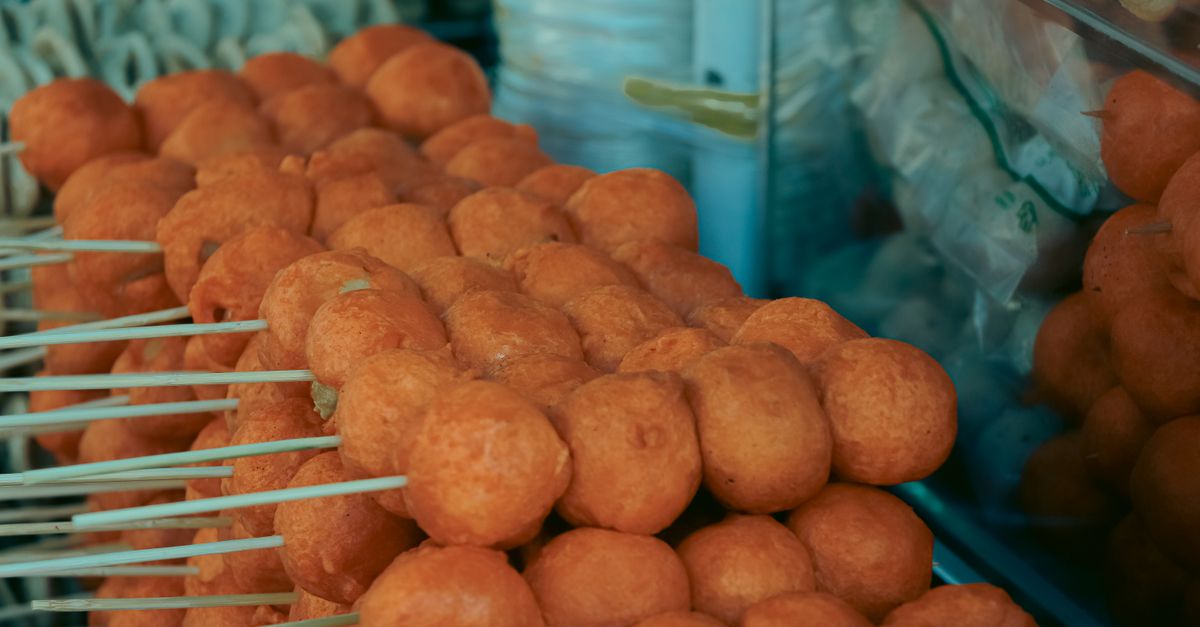
Real Street and the Wet Market Area is the authentic core of El Nido's food life. The wet market itself, open before dawn, sells fresh catch and tropical produce that most of the island's restaurants source from. The streets radiating from it host the oldest karinderias, the lechon vendors, the halo-halo stalls, and the turo-turo canteens where a full meal of three dishes and rice costs under ₱150. This is where locals eat every day. Tourists rarely venture here, which is their loss entirely.
Calle Hama is the slightly more developed strip where a handful of genuinely good restaurants operate — Altrove for kinilaw, Republica for lechon on weekends, Artcafé for creative Filipino cooking. It's priced higher than the market area but still reasonable by international standards, and the quality is consistently more reliable than the beachfront establishments. Good for a sit-down evening meal when you want cold beer and a table rather than a plastic stool.
Corong-Corong Beach Area, about two kilometers south of the town center, has a separate cluster of restaurants and food stalls catering to guests of the larger resorts in that direction. The seafood grills here are excellent in the evening, and the area has a more relaxed pace than the town center. The tamilok vendors work this area because of the mangroves nearby. Worth the tricycle ride for a sunset dinner.
Practical Eating Tips for El Nido
Budget roughly ₱400 to ₱600 per day for food if you are eating like a traveler with good taste rather than a tourist being managed. Breakfast from a market stall runs ₱60 to ₱80 for champorado (chocolate rice porridge) or tapsilog (cured beef, egg, garlic rice). Lunch from a carinderia is ₱120 to ₱160 with rice and two dishes. Dinner at a decent sit-down place with seafood and a beer is ₱350 to ₱500. The math is very kind if you eat where locals eat. Timing matters: island tours run from morning to late afternoon, so breakfast before 7 AM and dinner after 7 PM are the rhythms that work. Most karinderias close by 2 PM; the evening grills open at 5 PM. The gap in between is when overpriced tourist restaurants make their money — avoid this window by buying fruit at the market or grabbing a buko (coconut) from a street vendor for ₱35. Dietary notes: El Nido menus are very seafood and pork heavy. Vegetarians can eat reasonably well from market produce, ensaladang talong (grilled eggplant salad), and pinakbet (vegetable stew), but must specify clearly when ordering — "no meat" in Philippine cooking contexts sometimes means "no beef" rather than no animal products. Be specific.