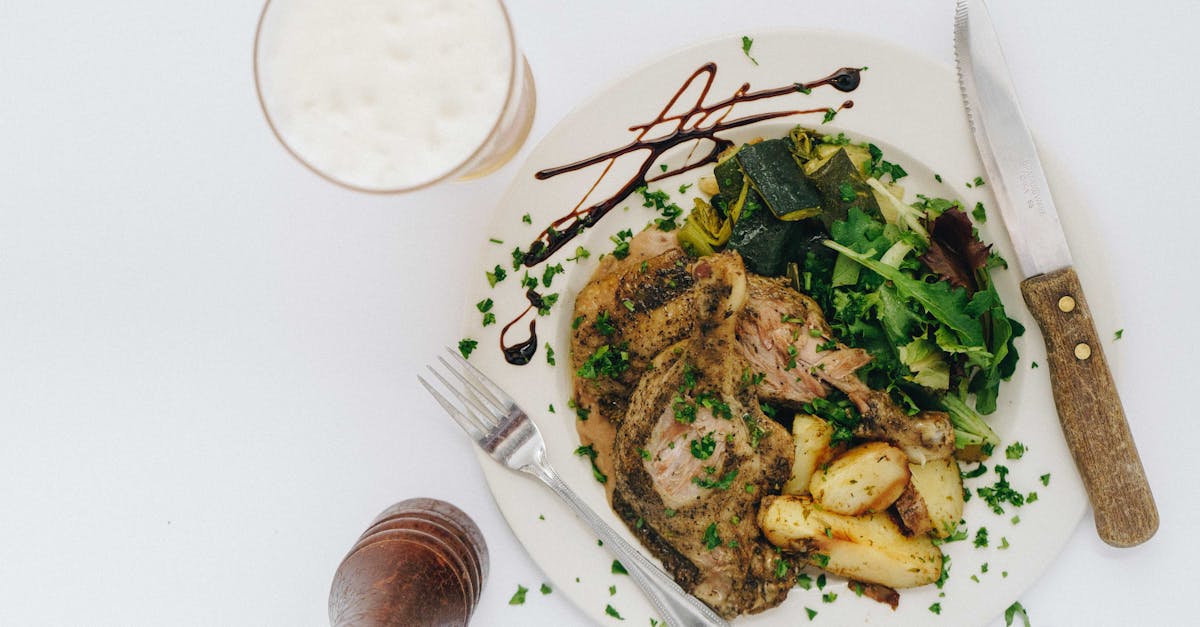
Corfu's food is a secret that the island's beauty — its Venetian arcades, its olive groves, its impossibly turquoise coves — has long overshadowed. Visitors come for the landscape and the architecture, and then they eat something in a harbourside taverna and realize they have been missing one of the most distinctively flavored cuisines in Greece. For while Corfu is unmistakably Greek in its ingredients and rhythms, its 400 years of Venetian rule (1386–1797) and subsequent French and British occupation left a culinary fingerprint that makes the island's cooking unlike anything else in the Aegean or Ionian.
The Venetian connection is not metaphorical. When the Serenissima ruled Corfu, Italian merchants brought with them culinary techniques, ingredient preferences, and a food culture that fused with the existing Byzantine-Greek tradition in ways still visible today: sofrito (a braised veal dish with garlic and white wine that is identical to Venetian sfumato techniques), pastitsada (slow-cooked rooster in spiced tomato sauce with pasta that echoes Italian pastasciutta), and bianco (white fish stew with garlic, lemon, and olive oil in the Venetian bianco tradition). These are dishes with Italian architecture and Greek soul, and they are found nowhere else.
Corfu also produces three ingredients of world significance: kumquat (introduced by the British in the 19th century and now grown in large orchards around Nymfes and Sgombou — Corfu is the only place in Europe where kumquats grow commercially), extraordinary olive oil from the island's estimated 3.5 million olive trees (one of the highest olive-per-capita ratios in the world), and exceptional local honey from bees working the wild thyme and sage of the hillside oregano. To eat in Corfu is to eat these ingredients in their home context, and there is no better place to eat them.

10 Must-Try Dishes in Corfu
1. Sofrito
Sofrito is the signature dish of Corfu — a thin-sliced veal (or beef) escalope, seasoned, floured, and pan-fried until golden, then returned to the pan with a generous quantity of crushed garlic, white wine, white wine vinegar, parsley, and white pepper, simmered briefly until the sauce reduces to a fragrant, slightly tart glaze around the meat. The name derives directly from the Italian soffritto (the aromatic vegetable base of Italian cooking), but the Corfiot dish has evolved independently into something uniquely its own: delicate, intensely garlicked, slightly acidic, pale in color (there are no tomatoes in traditional sofrito), and deeply satisfying.
The white wine and vinegar combination in the sofrito sauce is the Venetian fingerprint: the deliberate tartness that balances the richness of the veal and the pungency of the garlic. In Corfu the vinegar is typically white wine vinegar (the best local versions use barrel-aged local white wine vinegar), and the garlic is not sautéed first but added to the pan when the wine goes in, which keeps it sharp and assertive rather than mellowed. The resulting dish is more acidic and more pungently garlicked than any mainland Greek stew, and this precision is what makes it distinctive.
The finest sofrito in Corfu Town is at Venetian Well Restaurant (Kremasti Square, Campiello quarter) — a beautiful restaurant in a medieval courtyard around an actual Venetian well, serving traditional Corfiot cuisine with exceptional quality. Also outstanding at Etrusco in Kato Korakiana (14km from Corfu Town), regarded by many as the island's best restaurant — chef Ettore Botrini's version of sofrito is simultaneously the most traditional and the most skillfully executed.
A sofrito main course costs €18–28. Pair with Robola de Céphalonie (the Robiola grape white wine of the Ionian Islands, from neighboring Kefalonia — fresh, mineral, with notes of citrus and almonds) or with a Corfiot white wine from the Theotoki Estate or Fragkiskos winery. The acid in the wine echoes the vinegar in the sauce; the mineral freshness refreshes the palate between bites of garlic-rich meat.
2. Pastitsada
Pastitsada is Corfu's most beloved Sunday dish and one of the most Italian-influenced preparations in all Greek cuisine. A whole rooster or chicken (or, in the original, old-laying hen) is marinated and then slow-braised for 2–3 hours in a sauce of tomatoes, red wine, cinnamon, allspice, cloves, bay leaves, and a generous addition of Sofrito spice mixture — a proprietary ground spice blend sold throughout Corfu that contains cinnamon, allspice, nutmeg, cloves, cumin, and black pepper in proportions that are each cook's closely guarded secret. The braising sauce reduces to a fragrant, rust-colored glaze. The dish is traditionally served with bucatini pasta and a shower of grated kefalotyri cheese — the pasta is cooked separately, tossed through the sauce, and served with the braised meat atop.
The Sofrito spice mix that defines pastitsada is one of Corfu's most important culinary contributions — a complex, warm, slightly Oriental spice blend that derives from the Venetian spice trade through which Corfu was connected to the eastern Mediterranean. The combination of cinnamon and allspice with red wine and tomato creates a sauce that recalls both Italian ragù and Middle Eastern braising traditions without being identical to either. It is a genuinely creolized spice culture, grown from centuries of trade and cultural exchange.
Order pastitsada at Taverna Ninos in the old town area of Corfu Town — one of the most traditional tavernas in the city, serving pastitsada made from local free-range roosters. Also excellent at To Dimarchio (18 Plateia Dimarchou) — a Venetian-era building turned restaurant where the pastitsada is made to an old Corfiot family recipe. Avoid tourist-strip versions that use commercial chicken and simplify the spicing.
A pastitsada main course costs €16–24. Pair with a glass of local red wine — the Ionian Islands produce small quantities of red wine from Mavrodafni and Vertzami grapes, full-bodied and slightly rustic, that are the traditional pairing with this heavily spiced braised rooster. A light Xinomavro from Naoussa (mainland) also works beautifully with the cinnamon-spiced sauce.
3. Bianco
Bianco is Corfu's elegant white fish stew — one of the clearest expressions of the Venetian culinary inheritance on the island. A whole or sectioned white fish (scorpionfish/scorpina, sea bream, or grouper/sfyrida) is simmered with thinly sliced potatoes, garlic, lemon juice, Corfiot olive oil, fresh parsley, black pepper, and white pepper in a light fish stock, producing a broth of extraordinary delicacy — pale, fragrant, slightly lemony, perfumed with the garlic and oil but never heavy. The name (bianco = white) refers to the absence of tomato, which separates this from the tomato-based kakavia fish soup of mainland Greece.
The genius of bianco is its restraint. The olive oil and lemon provide richness and acid; the garlic provides depth without dominating; the white pepper adds warmth without heat. The fish must be fresh — bianco made with previously frozen fish has none of the fresh ocean sweetness that makes the dish distinctive. The potatoes absorb the fish-and-oil broth and become extraordinarily flavorful while remaining firm enough to hold their shape. It is a dish of complete nutritional and sensory logic.
Find the best bianco at Etrusco in Kato Korakiana (requiring advance booking — one of Greece's finest restaurants) or at Taverna Rex in Corfu Town (Kapodistriou 66) — a long-established family taverna with excellent fresh fish sourcing and a traditional bianco recipe. For the most atmospheric setting, try the small tavernas in the fishing village of Benitses (20km south of Corfu Town), where the fishing boats return each morning and bianco is made from whatever was caught.
A bianco main course costs €18–32 depending on the fish used. Pair with Robola de Céphalonie (the mineral Ionian white) or with Corfiot Vertzami white (if available — a rare variety, worth seeking out). The white wine's minerality and acidity amplify the lemony delicacy of the bianco perfectly. This is not a dish for red wine.
4. Bourdeto
Bourdeto is Corfu's most aggressively spiced dish — a fearlessly peppery fish stew (typically made with scorpionfish/scorpina or scorpena, though sometimes with rascasse or grouper) slow-cooked with onions, olive oil, tomatoes, and an extraordinary quantity of cayenne pepper or locally dried red peppers until the broth is brilliant orange-red and blazing with heat. It is the anti-bianco — where bianco is delicate and restrained, bourdeto is bold, warming, and completely unapologetic about its spice level. The name may derive from the French word for a confused situation (bordel) or from the Italian buridda fish stew, reflecting the island's multilayered cultural history.
The scorpionfish (scorpina) traditionally used for bourdeto is one of the finest fish in the Mediterranean for long, slow cooking — bony and somewhat ugly, but with dense, sweet flesh and gelatinous qualities that enrich the broth in ways that cleaner-fleshed fish cannot. The bones dissolve their collagen into the sauce during the slow simmer, creating a body and depth that is exceptional. The pepper is not a garnish or an afterthought but a structural component of the dish; a properly made bourdeto should be hot enough to make you take a breath between bites.
Order bourdeto at Taverna Spyros in Paleokastritsa (the famous west coast village, 26km from Corfu Town) — one of the oldest fishing family tavernas on the island, where the bourdeto is made from morning catch and the local red pepper is dried in the courtyard. Also excellent at To Dimarchio in Corfu Town's old town.
Costs €20–30. Pair with a glass of Corfiot retsina — the pine-resin-flavored wine that is Greece's most controversial and most misunderstood tradition, but which, drunk well-chilled alongside the fiery bourdeto, performs exactly the cooling, refreshing function it was designed for. Alternatively, ice-cold Mythos lager. The spice level demands something cold and simple alongside.
5. Savoro (Fried Fish in Vinegar and Raisin Sauce)
Savoro is one of Corfu's most ancient and most fascinating preparations — small oily fish (marides, sardines, or anchovy) fried until crisp and then marinated in a sweet-sour sauce of white wine vinegar, raisins, rosemary, and garlic for at least a day before serving at room temperature. The result is a dish with medieval flavor logic: the vinegar preserves the fried fish, the raisins provide sweetness to balance the acid, the rosemary adds herbaceous depth, and the combination over time mellows into something simultaneously tart, sweet, slightly funky, and deeply complex. It is a preparation with clear Venetian ancestry (see the Venetian saor — sweet-sour preserved sardines) and it is one of Corfu's most historically interesting dishes.
Savoro represents the pre-refrigeration food wisdom of a Mediterranean island: fried fish, preserved in acid and sugar, lasting several days without refrigeration while developing flavor complexity in the process. Eating it at room temperature with good bread and a glass of local wine is to eat the same thing that Venetian merchants and Corfiot fishermen's families ate for four centuries. It is not fashionable. It is irreplaceable.
Find savoro at traditional mezedhopolia (meze tavernas) in Corfu Town's old town — Venetian Well, To Dimarchio, and several smaller establishments serve it as a classic appetizer. Some of the best versions are homemade and sold at local markets; look for it at the Plateia San Rocco morning market in Corfu Town on Saturdays.
A portion of savoro costs €8–14 as a starter. Pair with cold Retsina (surprisingly appropriate with the vinegar-fish combination) or with a glass of Corfiot Petrokoritho — a white grape variety unique to Corfu with a slightly herbal, mineral character. Eat it slowly, at room temperature, with good bread that absorbs the sweet-sour marinade.
6. Corfiot Olive Oil
Corfu's olive oil is one of the great Italian regional olive oils relocated to Greek soil — a product of the island's estimated 3.5 million olive trees, primarily the Lianolia variety (a small, late-harvesting Ionian olive), cold-pressed to produce oil that is golden-green, slightly fruity, with a gentle bitterness and a peppery finish from the polyphenols. It is less assertively herby than Cretan oil, less bitter than Kalamata, with a characteristic gentleness that the Venetian olive cultivators who managed the island's trees preferred for their delicate flavor balance.
The olive oil culture in Corfu is maintained by dozens of small family estates (eleonas) that have farmed the same trees for generations. Some Lianolia trees on the island are estimated to be 500+ years old. The harvest (October–January) involves the whole family, tarps spread beneath the trees, hand-picking or gentle mechanical combing — the same method, essentially, as during the Venetian period. First cold-press, unfiltered oil from the October harvest is among the most complexly flavored in Greece.
Buy Corfiot olive oil at the Dafnis Olive Press and Museum (Sgombou, 15km from Corfu Town) — a working olive mill that produces unfiltered extra-virgin oil and offers tastings alongside their small museum of traditional olive cultivation. Also at the Saturday morning market at Plateia San Rocco in Corfu Town and at specialist food shops on Nikiforou Theotoki street in the old town.
A 500ml bottle of estate Corfiot olive oil costs €10–20. At the market, unfiltered from the press costs €8–12 per litre. No specific pairing needed — drizzle it over everything. On warm bread with sea salt, over bianco, on a plate of Corfiot honey and fresh cheese, or used aggressively in the cooking of every dish. Corfiot olive oil is the fundamental ingredient of the island's cuisine and should be experienced as such.
7. Kumquat Liqueur and Confections
Kumquats — the tiny, oval citrus fruits that are eaten whole (the skin is sweet, the interior is tart) — were introduced to Corfu by the British colonial administration in the 19th century, and the island has developed a unique kumquat culture that has no equivalent anywhere else in Europe. The humid microclimate of Corfu (the rainiest island in Greece) is ideal for kumquat cultivation; orchards around Nymfes and Sgombou produce the ripe fruits from November through March, and the island's confiserie producers transform them into liqueur (glykó), candied whole fruits (preserved in sugar syrup), marmalade, chocolate-covered confections, and a crystallized fruit-and-sugar preparation called koumkouat glyko.
The kumquat liqueur (kumquat Corfu liquer) is the most famous product — a sweet, intensely orange-flavored brandy-base liqueur that smells of the fresh fruit with a warming alcohol undercurrent. The best brands (Mavromatis, Nikos Spyros) are distilled on the island from fresh kumquat peel macerated in neutral spirit, and the quality is surprisingly high. Served cold as a digestif, drizzled over vanilla ice cream, or used in cocktails, it is one of Greece's more interesting local spirits.
Buy kumquat products at Mavromatis Kumquat (6A Nikiforou Theotoki, Corfu Town) — the island's most established kumquat producer, with a shop selling the full range of products. Also at the kumquat farm shop near Nymfes village (30km from Corfu Town, signposted from the main road) where you can taste before you buy and see the orchards in season.
Kumquat liqueur costs €12–25 per bottle depending on size and quality. A jar of candied kumquats costs €6–12. Pair the liqueur with a small piece of dark chocolate (70%+) — the kumquat's sweet-tart citrus note and the bitterness of the chocolate create a combination that is genuinely extraordinary and entirely unique to Corfu.
8. Corfiot Honey
The hills above Corfu's coastal strip — above 200 meters, where the wild thyme, sage, oregano, and heather grow undisturbed in rocky terrain too steep for olive cultivation — produce some of the most aromatic honey in the Ionian Islands. Corfiot thyme honey is honey in the Greek tradition: deeply aromatic, dark amber, with a warming, slightly medicinal quality from the wild mountain thyme that is the primary pollen source. Sage honey (from a smaller production area near the Pantokrator massif) has a slightly more herbal, silvery note. Pine honey, made in the fir forests of the island's interior, is darker and resinous.
The beekeeping tradition on Corfu is maintained by small family producers who move their hives seasonally between the sea-level orange orchards (producing a sweet, floral honey in February) and the high wild herb stands (producing the aromatic thyme honey from May through July). The variety of honeys from a single island reflects the extraordinary botanical diversity of Corfu — from sea level citrus to high mountain aromatic herbs, all within an island of 620 square kilometers.
Buy local honey at the farmers market, at local produce shops, or directly from beekeeping families — ask at your accommodation for the nearest beekeeper. Apitherapy Corfu (near Afionas) sells several varieties directly from their hives and welcomes visitors during the summer. The old town of Corfu has several shops (near the Liston arcades) selling local honey alongside Corfiot olive oil and kumquat products.
A jar of artisan Corfiot thyme honey costs €8–18 depending on size and variety. Eat it on bread with local soft cheese (anthotiro or manouri) and a drizzle of the island's own olive oil. The combination of honey, cheese, and oil — three of Corfu's finest products on a single piece of bread — is the island's most honest and most satisfying simple pleasure.
9. Tsigareli (Wild Greens)
Tsigareli is Corfu's most distinctly local vegetable dish — a preparation of wild leafy greens (typically including dandelion/radikia, wild chicory, fennel fronds, stinging nettles when young, and sometimes spinach or Swiss chard for bulk) slowly wilted in olive oil with garlic, spring onions, and a generous quantity of fresh chili peppers, until the greens become silky and intensely flavored. The result is simultaneously bitter (from the wild chicory), sweet (from the caramelized spring onions), spicy (from the chili), and deeply herbal. It is vegetable cooking of great simplicity and considerable power.
Tsigareli belongs to the pan-Mediterranean tradition of cooked wild greens — Italian misticanza, Greek horta, Cretan wild herb preparations — but the Corfiot version's use of fresh chili gives it a fire uncommon in mainland Greek wild greens preparations. The chili was another Venetian introduction to Corfu (from their American spice trade connections), and it transformed the island's vegetable cooking into something more assertive than the gentler mainland tradition.
Find tsigareli at traditional tavernas in the hill villages above Corfu Town — Pelekas, Doukades, Lakones — where wild greens are gathered from the surrounding hillsides and cooked simply for the taverna lunch. In Corfu Town, Venetian Well and To Dimarchio serve it as a seasonal side dish in spring and autumn when the wild varieties are at their best. Do not eat a tourist-strip version made from cultivated spinach; it is not the same dish.
Costs €8–12 as a side dish. Pair with local house wine (the rough, slightly resinous Corfiot table wine served in carafes at traditional tavernas — unrefined but honest and appropriate with robust vegetable dishes) or with a glass of Vertzami red — the indigenous Ionian grape variety producing deep-colored, rustic red wine with a peppery quality that suits the chili heat of the tsigareli.
10. Pasteli (Sesame and Honey Bars)
Pasteli — sesame seed bars bound with local honey — is Greece's oldest confection and one of its most nutritionally perfect: sesame seeds toasted in their own oil, mixed with heated honey, poured onto a marble surface, and cut into rectangles before the mixture sets. The result is simultaneously crunchy (from the toasted sesame) and sticky (from the honey), intensely flavored with the mineral depth of toasted sesame and the aromatic sweetness of Corfiot thyme honey. It is a confection that has been made essentially unchanged since ancient Greece and that represents the most elemental synthesis of the island's two great agricultural products.
Corfiot pasteli, made with the island's own thyme honey and sesame grown in the region, has a specific aromatic depth that commercial versions sold throughout Greece cannot approach. The thyme honey provides a warmth and complexity that commercial blended honey lacks; the sesame toasted in local olive oil develops a nuttier, richer flavor than seeds toasted in neutral oil. It is a simple confection that requires exceptional ingredients to be exceptional itself.
Buy pasteli at the old town sweet shops near the Spianada square and at the local food market on Plateia San Rocco. Nikiforou Theotoki street in the old town has several specialist food shops selling artisan pasteli alongside honey, kumquat products, and local olive oil. Look for the hand-made versions (thicker, uneven in size, fragrant with real honey) rather than the commercially manufactured variety.
A bar costs €1.50–3. No pairing needed — pasteli is its own complete pleasure. Eaten with a small cup of Greek frappe (the cold, frothy instant coffee beloved throughout Greece) or a glass of local sweet wine (Mavrodafni from Kefalonia), it is the ideal end to any Corfiot meal or the ideal afternoon snack between swimming and dinner.

Corfu's Essential Food Areas
Corfu Town Old Town (Campiello Quarter), the UNESCO-listed medieval district around the Old Fortress and the Venetian-era streets, contains the island's finest traditional restaurants — Venetian Well (Kremasti Square), Rex (Kapodistriou 66), and To Dimarchio (Plateia Dimarchou). These are the addresses for sofrito, bianco, pastitsada, and savoro in their most carefully prepared forms, in the most historically appropriate settings in the city.
Kanoni and Perama, the peninsula south of Corfu Town, is the tourist waterfront restaurant strip — beautiful setting, variable quality. Excellent views of the famous Mouse Island (Pontikonisi) are the main attraction; food quality ranges from genuinely good to tourist-trap mediocre. Choose carefully, avoid the menus with photos, and prioritize restaurants that have Corfiot specialties prominently featured rather than generic Greek tourist food.
Paleokastritsa, the dramatic west coast village 26km from Corfu Town, has several excellent fish tavernas directly on the fishing harbor — Taverna Spyros and the smaller family operations around the harbor serve excellent bourdeto and fresh grilled fish from the morning catch, with a setting of limestone cliffs and turquoise coves that makes any meal remarkable.
Kato Korakiana and the hill villages, accessible by winding mountain road from Corfu Town, are the home of Etrusco — Corfu's finest restaurant by most assessments — and the most authentic traditional tavernas on the island. Chef Ettore Botrini at Etrusco (book weeks in advance) brings extraordinary technique to Corfiot ingredients; the simpler tavernas in surrounding villages serve the same ingredients with generations of practice and zero pretension.
Practical Tips for Eating in Corfu
Corfu is moderately priced by Greek island standards — expensive relative to mainland Greece but affordable relative to the Aegean party islands. A full taverna meal (mezedes, main course, dessert, and local wine or beer) costs €25–45 per person. The finest restaurants (Etrusco, Venetian Well) cost €60–100 with wine. The best value is the village taverna fixed price "kleftiko" lunch — a set daily menu of two to three courses with house wine for €15–25.
Water is safe to drink throughout Corfu (one of the few Greek islands where tap water is reliably good quality, due to abundant rainfall and good aquifer management). Local wine is served by the carafe (karafa) at traditional tavernas — often a rough, honest, slightly resinous white or rosé that is drunk cold and is entirely appropriate with all Corfiot food. Major Greek wine producers (Boutari, Kourtakis) also supply the island. Fresh fish is expensive (€35–60/kg for premium varieties like sea bream and sea bass); order by weight and confirm the price before the fish goes to the kitchen to avoid bill shock.