Charleston, South Carolina is the American South's most important food city — a place where the culinary traditions of West Africa, the British colonial aristocracy, the Caribbean, and the Appalachian backcountry converged over three centuries to produce a cuisine of extraordinary depth and singularity. This is where Gullah Geechee food culture meets plantation-era prestige cooking, where rice was once worth more than cotton, where shrimping boats still come in each morning at Shem Creek, and where a generation of James Beard Award-winning chefs has built some of the most celebrated restaurants in America without leaving their home state.
Lowcountry cuisine — the food of the South Carolina and Georgia coastal plain — is a cuisine with deep African roots. The enslaved West Africans who built the rice economy of the Carolina Lowcountry brought with them cooking techniques, flavor principles, and specific crops (okra, black-eyed peas, field peas, benne seeds) that permanently transformed Southern American cooking. The one-pot rice dishes (perloo, purloo, pilau), the seasoning philosophy (long cooking, smoke, layers of pork fat), the use of every part of the hog — all of these trace their origin to the African traditions of the people who were brought here against their will and whose culinary genius outlasted the system that enslaved them.
Today's Charleston food scene is a conversation between past and present — the historic culinary heritage maintained by Gullah Geechee cooks and Lowcountry traditionalists alongside the forward-looking work of chefs like Sean Brock, Mike Lata, and BJ Dennis who have placed this cuisine in international conversation without losing its essential local character. To eat in Charleston is to eat at the intersection of history and innovation, and it is among the most compelling food experiences in America.

10 Must-Try Dishes in Charleston
1. She-Crab Soup
She-crab soup is Charleston's most famous dish and one of the great American regional soups — a rich, cream-based bisque made from blue crab (Callinectes sapidus, the Atlantic blue crab that dominates the estuary waters around Charleston) enriched with crab roe (traditionally from female crabs, hence "she-crab"), seasoned with mace, white pepper, and Worcestershire sauce, and finished with a generous splash of dry sherry. The roe (available only in female crabs) gives the soup its characteristic orange color and an intensely briny, oceanic depth that male-crab versions cannot replicate — though regulations on female crab harvesting now mean that roe-enriched versions are increasingly rare.
The dish was reportedly popularized at the William Washington Hotel in the early 20th century after an African American cook named William Deas added the roe as a way of stretching the soup for a dinner hosted for William Howard Taft. Whether or not the attribution is accurate, the dish has been inseparable from Charleston's food identity for over a century. At its best — made with freshly picked local blue crab, real crab roe, proper cream, and a finish of good amontillado sherry — it is extraordinary: silky, deeply savory, slightly briny, with the sherry providing a nutty complexity that ties all the elements together.
The definitive she-crab soup in Charleston is served at 82 Queen on Queen Street — one of the city's most historic restaurants, operating in an 18th-century courtyard, where the soup has been made from the same recipe for decades. Also excellent at Husk Restaurant (76 Queen Street) and at Slightly North of Broad (192 East Bay Street). Avoid any version that has no visible roe or that uses imitation crab.
A cup costs $12–18; a bowl costs $18–26. Pair with a glass of Fino Sherry — the same type of sherry that goes into the soup, served cold alongside it, creating a beautiful resonance between dish and drink. Alternatively, a glass of Albariño from Galicia (Spain) or a South Carolina white wine from Irvin House Vineyards in the Lowcountry works beautifully with the crab's sweetness.
2. Shrimp and Grits
Shrimp and grits is the signature dish of the South Carolina Lowcountry and has become one of the defining plates of contemporary Southern American cuisine. At its simplest: fresh-peeled Atlantic white shrimp sautéed with tasso ham (or andouille), mushrooms, garlic, scallions, and a splash of white wine in a single pan, then poured over a bowl of creamy stone-ground grits (cooked with butter, cream, and sharp cheddar until they are silky, rich, and deeply savory). The shrimp should be fat, sweet, and just barely cooked — overcooked shrimp is the single greatest error in Lowcountry cooking. The grits must be stone-ground; instant grits are not food.
The dish originated as a fisherman's breakfast — Charleston shrimpers ate shrimp over grits before heading out on the water, with no celebrity chef or restaurant in sight. It was James Villas's 1985 article in Food & Wine magazine that brought it to national attention, and it has been on every serious Southern food menu since. The contemporary versions range from the simple (just the shrimp and grits) to the baroque (with lobster, truffle oil, or all manner of elaboration), but the finest versions remain the simplest: exceptional shrimp, excellent grits, a pan sauce of real depth.
The benchmark shrimp and grits in Charleston is at Husk Restaurant (76 Queen Street) — Sean Brock's landmark restaurant committed entirely to ingredients grown, raised, or produced in the American South. The grits come from Anson Mills, the heritage grain mill that helped revive stone-ground corn processing in the Carolinas, and the shrimp are white shrimp from the ACE Basin estuary. Also outstanding at The Ordinary (544 King Street) and at Halls Chophouse (434 King Street).
Costs $22–38 depending on the establishment and the additions. Pair with a glass of southern-style Chardonnay (un-oaked or lightly oaked, with fresh apple and citrus) from Virginia or North Carolina, or with a cold Sweetwater 420 (the Atlanta craft brewery whose pale ale is ubiquitous on Charleston menus). The fat, sweet shrimp need nothing too complex alongside — a clean, fruit-forward white wine is ideal.
3. Hoppin' John
Hoppin' John — black-eyed peas (or field peas) cooked with smoked pork (ham hock, fatback, or smoked neck bones), rice, onion, and garlic — is the most symbolically important dish in Charleston's African-influenced Lowcountry food tradition. It is the dish eaten on New Year's Day for good luck (the peas represent coins; the cooked greens eaten alongside represent folding money; both together promise prosperity for the coming year). But Hoppin' John is also a year-round food culture: a one-pot rice-and-legume dish that reflects both the African cooking techniques of its originators and the specific agricultural history of the Carolina Lowcountry.
The African roots of Hoppin' John are now well-documented — the combination of legumes with grain is central to West African cooking, the specific use of black-eyed peas (vigna unguiculata) traces to Senegal and Sierra Leone, and the flavoring with smoked pork reflects the transformative role that enslaved Africans played in adapting their food traditions to available Lowcountry ingredients. Contemporary Gullah Geechee cooks make Hoppin' John with Sea Island red peas (the traditional variety) rather than the more common black-eyed pea, producing a dish with richer, more complex flavor.
The most authentic Hoppin' John in Charleston is at Rodney Scott's Whole Hog BBQ (1011 King Street) — the James Beard Award-winning pitmaster who serves a version made with Sea Island red peas alongside his extraordinary whole-hog barbecue. Also excellent at Bertha's Kitchen (2332 Meeting Street Road) — a legendary Gullah Geechee soul food institution operating in North Charleston since 1981, serving a daily changing menu that frequently includes Hoppin' John with rice and greens.
At a soul food restaurant, a full plate with Hoppin' John, collard greens, cornbread, and meat costs $12–18 — extraordinary value for food of genuine historical depth. Pair with sweet tea — the iconic Southern sweetened iced black tea that is the non-alcoholic default accompaniment to Lowcountry food — or with a Cheerwine (the cherry-flavored soft drink made in nearby Salisbury, NC, since 1917). No wine is appropriate here; this is food that asks for simplicity in its liquid accompaniments.
4. Lowcountry Biscuits
The biscuit — specifically the Southern flaky buttermilk biscuit — is one of the crowning achievements of American bread culture, and Charleston makes some of the finest in the South. A proper Lowcountry biscuit is made with White Lily flour (a soft winter wheat flour milled in Knoxville, Tennessee, with less gluten than all-purpose — essential for the tenderness), cold butter or lard cut into the flour until it resembles coarse sand, buttermilk added until the dough just comes together, patted (never rolled with a heavy rolling pin — the layers must not be compressed), cut, and baked in a hot oven until golden. They should tear apart in layers, steam rising from the interior, and be eaten immediately with butter and local Lowcountry honey or sorghum syrup.
Charleston's biscuit culture extends from the humblest diner to the finest restaurant table — the James Beard-nominated biscuit makers who have built reputations on their mastery of this deceptively simple bread include Mike Lata at FIG and the entire pastry team at Callie Hot Little Biscuit. What separates an extraordinary biscuit from a merely good one is: the fat-to-flour ratio (more fat means more tenderness), the temperature of the fat (must be cold — warm fat develops gluten), the handling (minimal — overworked biscuit dough is tough), and the freshness (biscuits deteriorate within an hour of baking).
The city's most celebrated biscuit destination is Callie Hot Little Biscuit (476 King Street) — a small, counter-service shop dedicated entirely to the Lowcountry biscuit, serving them with fillings ranging from fried chicken to country ham to pimento cheese. Lines form before opening. Also excellent at Hominy Grill (207 Rutledge Avenue) for brunch, where the biscuits are served with breakfast plates of real Southern depth.
A biscuit at Callie's costs $4–9 depending on filling. A biscuit with breakfast at Hominy Grill costs $3–5. Pair with black coffee from a good Charleston café (The Daily on Cannon Street for specialty coffee) or with sweet tea. No alcohol is appropriate for a morning biscuit — this is pure, uncomplicated, deeply satisfying bread culture that needs no embellishment beyond butter and local honey.
5. Boiled Peanuts
Boiled peanuts are the official state snack food of South Carolina and the most important roadside food experience in the Lowcountry. Raw green peanuts (just harvested, with higher moisture content than dried peanuts) are cooked for hours in highly salted water — sometimes with cayenne, other times plain — until the shells soften and the interior peanuts become tender, slightly gelatinous, deeply savory, and addictive in a way that no other peanut preparation achieves. The shell is squeezed to release the peanut and the brine simultaneously; both are consumed.
Boiled peanuts are sold from roadside kettles, convenience stores, gas stations, and market stalls throughout South Carolina and are available year-round (dried peanuts are used outside green peanut season). The Cajun-spiced version — with cayenne, Old Bay, and sometimes hot sauce added to the brine — is increasingly popular and genuinely excellent, though the plain salted version remains the Lowcountry standard. They are consumed warm, standing up, near the vehicle you parked to buy them, with the empty shells accumulating in a paper bag or on the ground beside you.
The finest boiled peanuts in Charleston are sold from the kettle stand at the Charleston Farmers Market (Marion Square, Saturdays April–November) by Gullah Geechee farmers from the surrounding Lowcountry. Also available at roadside stands on Highway 17 north toward Mount Pleasant and south toward Beaufort — follow the hand-painted signs and the smell of boiling saltwater.
A quart of boiled peanuts costs $4–8. Pair with an RC Cola (the South Carolina cola, owned by a North Carolina company, inexplicably right with boiled peanuts in a way Coca-Cola is not) or a cold PBR if you're at a tailgate. This is not wine food, not beer food, not cocktail food. It is Lowcountry roadside food, and the only correct pairing is a cold drink and a willingness to eat the entire bag.
6. Whole-Hog Barbecue
South Carolina whole-hog barbecue — a pig smoked for 12–14 hours over hardwood coals until it falls from the bone, then mixed by hand with the crisped, crackling skin and seasoned with one of four regional sauces (mustard-based in the Midlands, vinegar-and-pepper in the Pee Dee region, heavy tomato in the Upstate, or the light tomato sauce of the Lowcountry) — is one of the oldest and most technically demanding cooking traditions in American food culture. The practice traces directly to West African methods of pit-roasting whole animals, adapted by enslaved people in the Carolinas into the world's most complex barbecue tradition.
Rodney Scott, a native of Hemingway, SC, is the most celebrated practitioner of South Carolina whole-hog pit cooking and the 2018 James Beard Award winner for Best Chef Southeast. His restaurant on King Street in Charleston is the destination for understanding what whole-hog barbecue is at its highest expression. The pig is cooked overnight by Rodney's crew, who tend the pit through the night with Hemingway hardwood coals, mopping with a vinegar-red pepper sauce throughout, until the meat achieves a specific quality that Scott describes as "just right" — falling-tender, smoky, with crackling skin that has been chopped into the meat mixture for textural contrast.
Rodney Scott's Whole Hog BBQ at 1011 King Street is open Wednesday through Sunday for lunch and dinner. The recommended order: a plate of chopped whole hog with the house vinegar sauce, a side of Hoppin' John, collard greens, white bread (for the sauce), and a sweet tea. Nothing else is needed. Also excellent for a more contemporary presentation of Lowcountry barbecue: Lewis Barbecue (464 North Nassau Street), which serves Texas-style brisket alongside Carolina ribs and shoulder in a large, casual space.
A plate costs $14–22. Pair with sweet tea, Cheerwine, or a cold Coors Banquet (the pitmaster's beer of choice throughout South Carolina). Rodney Scott's does not serve alcohol; bring your own or buy a can from the gas station next door. The experience requires exactly zero refinement in its liquid accompaniment.
7. Oysters (Lowcountry Oyster Roast)
The Lowcountry oyster roast is one of America's great communal food traditions — an outdoor event (usually October through April, the traditional oyster season) where clusters of Atlantic oysters (Crassostrea virginica, the Eastern oyster native to the Carolina estuaries) are shoveled onto a metal sheet over an open fire and covered with wet burlap, steaming for 10–15 minutes until the shells barely open. They are then shoveled directly onto newspaper-covered tables and cracked open with gloved hands and oyster knives, eaten with saltine crackers, cocktail sauce with extra horseradish, and mignonette made with Apple Cider vinegar and shallots.
Charleston's surrounding tidal estuaries — the ACE Basin, the Cape Romain National Wildlife Refuge, Bulls Bay — produce some of the finest cluster oysters on the East Coast. Unlike the single, cupped oysters of the Pacific Northwest, Eastern oysters grow in clusters, their shells rough and asymmetrical, their flavor shifting dramatically between season, salinity, and specific estuary. The Edisto Island oysters (from the Edisto River estuaries south of Charleston) are particularly prized — briny, meaty, with a clean finish.
The best oyster experience in Charleston is at an outdoor roast during the season — the Lowcountry Oyster Festival (usually late January/early February at Boone Hall Plantation) is a public event worth attending. Year-round, excellent raw and roasted oysters are served at The Ordinary (544 King Street) — a converted 1927 bank building transformed into an extraordinary seafood hall by chef Mike Lata — and at Pearlz Oyster Bar (153 East Bay Street), which sources directly from regional estuary producers.
A dozen raw oysters costs $24–36 at a restaurant. At a communal outdoor roast, pricing is by the bushel (serves 4–6 people, $60–100). Pair with a cold crisp Muscadet (the classic French oyster wine) or with a local craft lager from Holy City Brewing or Westbrook Brewing — Charleston's excellent local craft breweries. Avoid tannic red wine with oysters; the iron notes in tannin clash with the brine.
8. Country Captain
Country Captain is one of the most fascinating and historically significant dishes in Charleston's food tradition — a chicken curry of sorts, made with cut chicken pieces braised in a tomato-based sauce seasoned with curry powder, sweet peppers, onions, raisins, and toasted almonds, typically served over rice. It arrived in Charleston via the spice trade routes that connected the city to India through British colonial networks in the 18th century, and it has been part of the city's aristocratic cooking tradition since at least 1838 (the first American cookbook mention is from Eliza Leslie's 1857 collection of recipes said to have come from a "country captain" sea officer).
Country Captain represents something essential about Charleston food: it is neither purely Southern nor imported, but a genuine creolization — a dish that absorbs the spice trade heritage of a port city into the Lowcountry cooking tradition of rice, slow braising, and sweet-savory balance. The raisins provide sweetness; the curry powder (typically a mild, British-style curry blend) provides warmth and exotic depth; the almonds give textural contrast; the tomato provides acidity. It is a dish that should be more famous than it is.
Country Captain appears occasionally on the menus of Charleston's historically-minded restaurants — Husk (76 Queen Street) has served it as a special, and it appears at Slightly North of Broad (192 East Bay Street) when the kitchen is in historical mode. For the most authentic version, look for it at Gullah Geechee cooking events and pop-ups by chef BJ Dennis, who has done more than any other cook to document and revive the African-influenced food traditions of the Lowcountry.
When available at a restaurant, costs $26–38. A Country Captain dinner at a private supper event costs $60–120 depending on format. Pair with a glass of Roussanne or Grenache Blanc from the Rhône valley — the mild curry warmth calls for a white wine with body and some exotic spice notes of its own. Alternatively, a cold Kingston Red Stripe (Jamaica) lager — the Caribbean connection is historically appropriate and works surprisingly well.
9. Pimento Cheese
Pimento cheese — a blend of sharp cheddar, cream cheese, Duke's mayonnaise, and diced pimento peppers — is called "the pâté of the South" with only slight exaggeration. In Charleston it is a fundamental condiment, spread on everything from crackers to celery to hamburger buns to hot biscuits. Made well, it is one of the great American spreads: sharp from the aged cheddar, creamy from the Duke's mayonnaise (non-negotiable — no substitute is acceptable to a serious Southerner), sweet from the pimentos, with black pepper and cayenne providing a gentle heat.
The distinction between good and mediocre pimento cheese is the quality of the cheddar and the mayonnaise. Good pimento cheese uses a sharp, aged cheddar (often Tillamook or Cabot Seriously Sharp) hand-shredded rather than pre-grated (the anti-caking coatings on pre-grated cheese prevent proper blending). Duke's mayonnaise — a Southern-made, no-sugar, egg-yolk-rich mayonnaise produced in Richmond, Virginia — creates a richness and tang that any other commercial mayo cannot replicate. Some Charleston versions add jalapeño, Old Bay, or hot sauce; the traditional version lets the three core ingredients speak clearly.
The finest pimento cheese in Charleston is at The Glass Onion (1219 Savannah Highway) — a neighborhood restaurant in West Ashley that takes its Southern ingredients with absolute seriousness and makes pimento cheese with Biltmore aged cheddar and house-made variations. Also excellent at Leon's Fine Poultry and Oysters (698 King Street) — a beloved Charleston casual spot where the pimento cheese burger is a local institution.
Pimento cheese at a restaurant (served as a spread with crackers) costs $8–14. The pimento cheese burger at Leon's costs $16–20. Pair with sweet tea or a cold Sweetwater 420 pale ale. Also remarkable on a biscuit at Callie's — the combination of hot, freshly baked biscuit and cold, sharp pimento cheese is one of those South Carolina flavor pairings that requires no explanation to anyone who has experienced it.
10. Charleston Red Rice
Charleston Red Rice is a direct descendant of Jollof rice — the West African tomato rice preparation that is arguably the most important rice dish in the world and the ancestor of both Spanish arroz rojo and Louisiana red beans and rice. Made in Charleston with parboiled Carolina Gold rice, diced tomatoes, smoked sausage or bacon, onion, garlic, and a seasoning of salt, black pepper, and cayenne, cooked together until the rice absorbs all the tomato-enriched liquid and becomes deeply flavored, slightly sticky, fragrant with pork smoke — it is both humble and magnificent.
The Carolina Gold rice variety, nearly extinct by the 20th century and revived by Anson Mills founder Glenn Roberts in the 1990s, is the historically appropriate grain for Charleston red rice and shrimp and grits alike. With its golden-hued, long-grain, slightly aromatic character, it performs differently in cooking than modern commodity rice — absorbing liquids more evenly, developing a slightly creamy quality without becoming mushy, and tasting noticeably more complex. The revival of Carolina Gold is one of the great achievements of American heritage food culture, and eating it in the city where it was cultivated by enslaved Africans for two centuries is a profound experience.
Charleston Red Rice appears on the menu at Husk Restaurant (76 Queen Street) as a side dish cooked with heritage Anson Mills Carolina Gold. More authentically, find it at Bertha's Kitchen (2332 Meeting Street Road) in North Charleston — the city's most important soul food institution — where the red rice is made from a Gullah Geechee family recipe unchanged for generations.
As a side dish, $5–10. A full plate at Bertha's Kitchen (meat, two sides, cornbread) costs $12–18. Pair with sweet tea or a glass of cold water with lemon. Charleston Red Rice asks for nothing elaborate alongside — it is self-sufficient, deeply satisfying food that has been feeding people in this city for three hundred years and needs no wine list or cocktail program to complete it.

Charleston's Essential Food Neighborhoods
The French Quarter and East Bay, the historic district between the Battery and Market Street, contains Charleston's most famous restaurant corridor — Husk, FIG, The Ordinary, 82 Queen, and Slightly North of Broad are all within walking distance of each other. These are excellent, often James Beard Award-associated establishments that execute Lowcountry cuisine at a high level. Expensive but worth it for at least one significant meal.
Upper King Street, from Calhoun Street north toward the Neck, is where the city's more casual but no less serious food culture operates — Leon's Fine Poultry, Callie Hot Little Biscuit, Rodney Scott's BBQ, Lewis Barbecue, and dozens of beloved neighborhood restaurants. More diverse, more locally attended, and generally less expensive than the historic district.
North Charleston and Meeting Street Road is where authentic Gullah Geechee food culture operates — Bertha's Kitchen, Martha Lou's Kitchen (for fried chicken and sides), and various church cooking events and pop-ups that represent the deepest roots of Charleston's food identity. Less visited by tourists but more important historically. Uber or drive; the area is not walkable from the historic center.
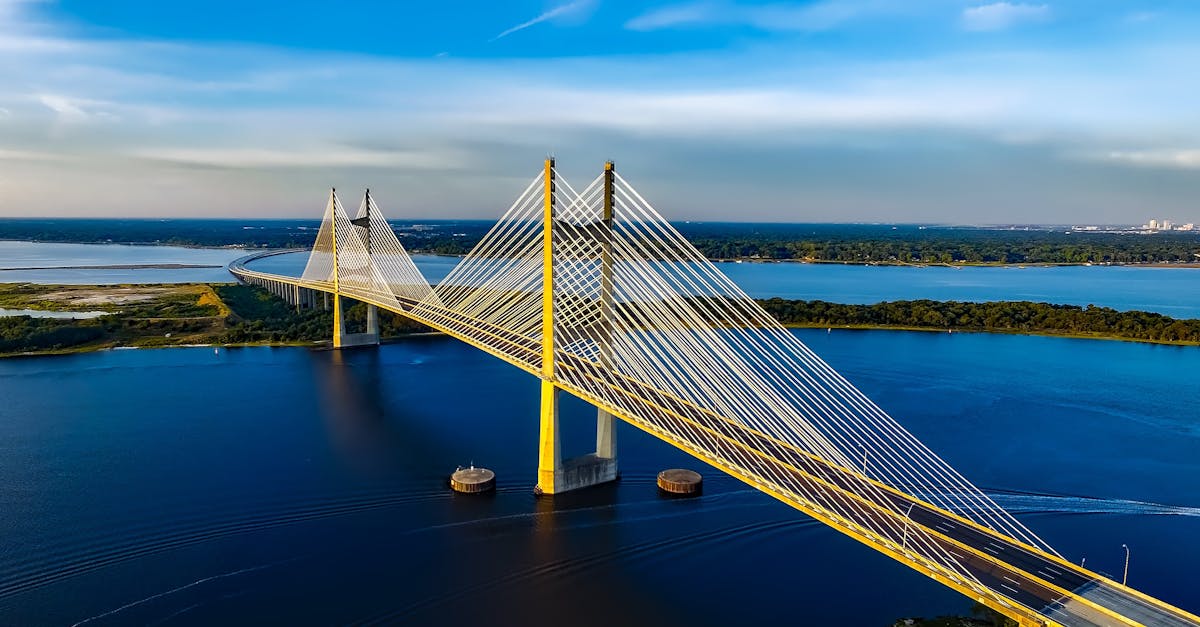
Shem Creek (Mount Pleasant), across the Arthur Ravenel Bridge east of Charleston, is where the commercial shrimp boats dock and where several excellent seafood restaurants cluster around the working waterfront. Watching shrimpers unload their catch in the morning and then eating fresh-off-the-boat shrimp at lunch is a Lowcountry food experience of great authenticity and simplicity.
Practical Tips for Eating in Charleston
Charleston is one of the more expensive restaurant cities in the American South — dinner for two with wine at a destination restaurant (Husk, FIG, The Ordinary) costs $120–200 with drinks and tip. Mid-range restaurants on King Street run $50–90 for two. Budget eating is excellent: a full meal at Bertha's Kitchen costs $12–18; a pile of boiled peanuts and sweet tea costs $6. The best value proposition in Charleston is the oyster roast or barbecue establishment: generous portions, communal atmosphere, $20–30 per person including beer.
Reservations are essential at Husk and FIG — book weeks in advance, particularly for dinner. The Ordinary is first-come, first-served (no reservations) and fills immediately. Many of the best Charleston food experiences require no reservation: Callie's biscuits, Rodney Scott's barbecue, the farmers market, and the roadside boiled peanut stands are all walk-up operations. The food scene is active year-round; January–February (oyster season, when crowds are lower) and September–October (cooler weather, full restaurant season) are the best times to visit for the combination of good weather and full menus.