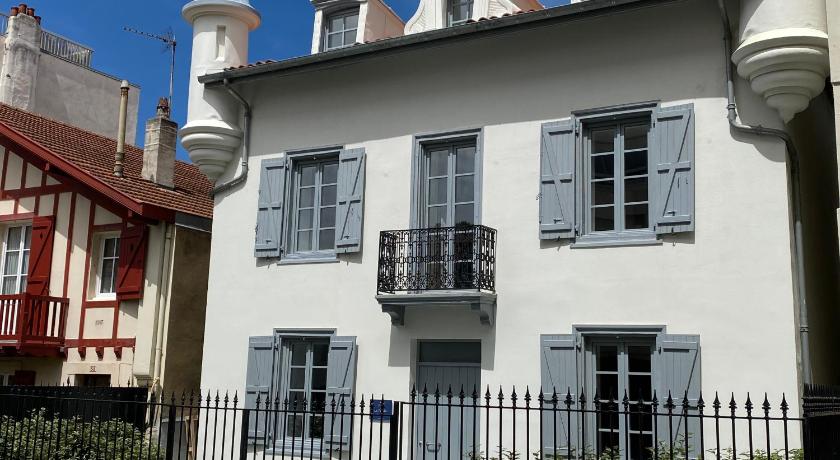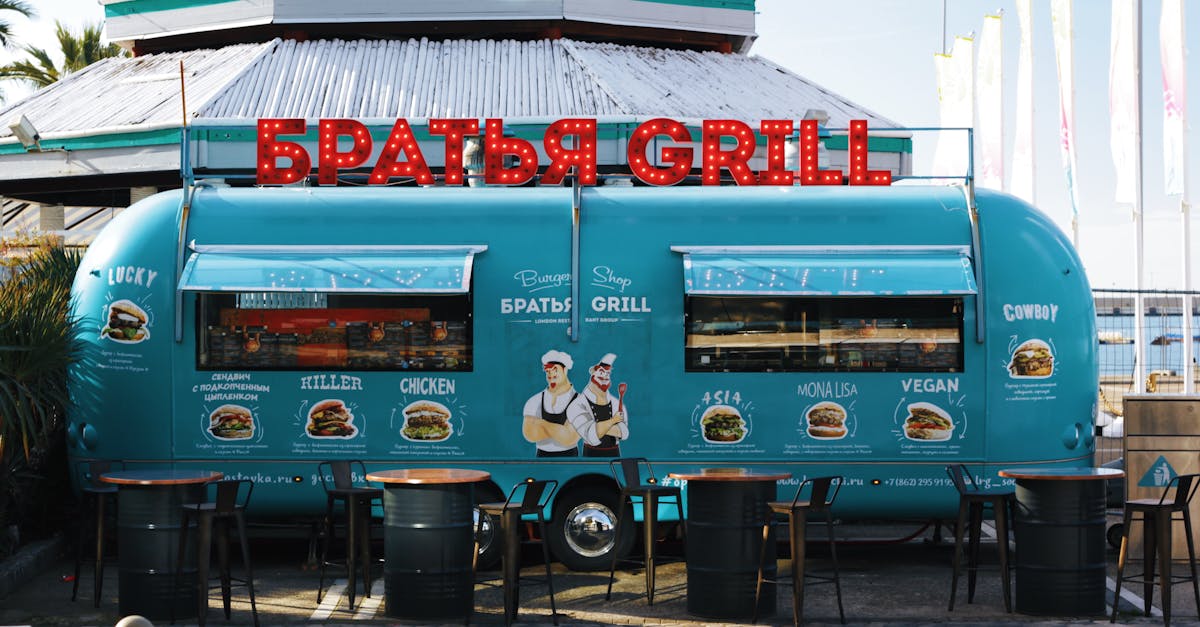
Biarritz is where the Basque Country meets the Atlantic, where the surf culture of the French coast encounters the ancient food traditions of one of Europe's most distinctive regional cuisines, and where fine dining restaurants sit within walking distance of the fishing harbor where the day's fresh tuna and anchovies are unloaded. The city has been attracting wealthy visitors since Napoleon III and Empress Eugénie made it fashionable in the 1850s, which has given it both the restaurant infrastructure to serve sophisticated appetites and the commercial fishing industry that has kept the Basque seafood tradition genuinely alive. The combination is unusual and excellent.
Biarritz food culture is Basque first and French second — this is the northern edge of the Pays Basque (Basque Country), and the food shares more with San Sebastián 45km south than with Bordeaux 200km north. Piment d'Espelette (the distinctively Basque dried red pepper grown in the nearby Espelette village), fresh tuna, Bayonne ham, local sheep cheese (Ossau-Iraty), and the gâteau Basque (the definitive Basque pastry) appear on every serious Biarritz menu as statements of regional identity. But the French influence is also real — the pastry shops, boulangeries, and brasserie culture reflect three centuries of French investment in this Atlantic resort town.
This guide navigates both identities — the Basque food traditions that give Biarritz its most distinctive food character, and the French elements that provide its most refined food infrastructure. The result is a food destination where you can eat a plate of fresh Atlantic tuna with piment d'Espelette at a harbor-side restaurant, then walk to a pâtisserie for the finest gâteau Basque in France, then stop at a pintxos bar for a glass of txakoli with anchovy pintxos. This combination exists nowhere else.

10 Must-Try Dishes in Biarritz
1. Thon Rouge Basque (Basque Bluefin Tuna)
The Basque fishing tradition has hunted Atlantic tuna in the Bay of Biscay for over a thousand years, and the tuna that arrives at Biarritz's fishing harbor (the Port des Pêcheurs, beneath the Grande Plage) is among the finest available in Atlantic Europe. The bluefin tuna (thon rouge) that appears at Basque restaurants and fish markets in summer represents the apex of the region's seafood culture — enormous, fat-marbled fish with the richest, most complex flavor of any tuna species. The yellowfin and bonito (germon and bonite à dos rayé) that appear in spring and autumn are more accessible in price but still extraordinary compared to the frozen tuna of non-coastal regions.
Biarritz restaurants prepare fresh tuna in the Basque tradition — primarily as a grilled whole steak ("tuna chop"), served pink-rare and accompanied by piment d'Espelette butter, a simple green salad, and excellent bread. The crucial instruction is always "saignant" (rare to medium-rare) — tuna cooked beyond medium becomes dry and loses the characteristic silky, fatty richness that makes fresh Basque tuna extraordinary. The Basque tuna confit preparation (slowly cooked in olive oil at very low temperature until just opaque) is equally excellent and produces an even silkier texture. Both preparations showcase the exceptional quality of the fish in minimalist, respectful ways.
Le Patio (Avenue Carnot 11) is a celebrated Biarritz restaurant with outstanding fresh tuna preparations. Chez Albert (Port des Pêcheurs) is the harbor-side institution where Biarritz locals have eaten fresh fish since 1952 — the tuna here arrives from the adjacent port and is prepared with simple excellence. Le Surfing (Boulevard du Prince de Galles) is famous for its ocean view but also for its excellent fresh tuna. For the most affordable excellent tuna, the Les Halles market (Rue de la Boucherie) fish counter has fresh tuna steaks for home cooking at reasonable prices.
Fresh tuna steak at a Biarritz restaurant: €22–€38. Tuna carpaccio starter: €14–€20. Fresh tuna from the market: €20–€35 per kilogram. The tuna season peaks June–September for bluefin, with bonito available April–October. Out of season, frozen tuna from the previous year's catch (which retains excellent quality when properly frozen immediately after landing) is served at most restaurants — ask about freshness status before ordering.
2. Gâteau Basque (The Definitive Basque Pastry)
The gâteau Basque is one of France's great regional pastries — a rich, buttery tart made from a shortcrust-meets-cake batter encasing a filling of either crème pâtissière (vanilla pastry cream) or cherry jam made from the black cherries of Itxassou (the Basque village 30km from Biarritz where the specific Itxassou cherry variety grows). The pastry has a golden exterior with a hand-scored geometric pattern (typically a Basque cross or flower motif), a slightly crispy outer layer, and a soft, yielding interior that merges seamlessly with the filling. It's simultaneously a tart, a cake, and a biscuit — a preparation that fits no standard category.
The crème pâtissière version is the most common — the vanilla cream sets inside the pastry during baking into a dense, smooth, eggy filling that is rich without being cloying. The cherry version is the more regional: the Itxassou cherries (a specific variety with an intense, slightly tart flavor that develops from the Basque microclimate) make a jam with complex character that is quite different from standard cherry jam. Both are excellent; the cherry version is the more uniquely Basque expression. The gâteau Basque is eaten at breakfast, for afternoon tea, or as a dessert — its richness makes it entirely appropriate at any meal position.
The finest gâteau Basque in Biarritz is at Maison Adam (Place Georges Clémenceau 6) — a pastry institution operating since 1922 that makes the benchmark version. Pâtisserie Miremont (Place Georges Clémenceau 1) is another historic establishment with excellent gâteau Basque. For the most regional version (made with Itxassou cherries), La Maison Ibarboure in nearby Bidart (15km south) and the village of Itxassou itself (30km south) have producers making artisanal versions with locally grown cherries. Buy one from Maison Adam, one from the village artisan, and compare.
Gâteau Basque slice: €4–€7 at a good pâtisserie. A whole cake: €18–€35 depending on size and pâtisserie. The whole cake travels well in a rigid box and keeps for 4–5 days at room temperature. This is the finest possible food souvenir from the French Basque Country — genuinely local, genuinely excellent, and unavailable anywhere outside the region in authentic form. Buy the cherry version if available from the artisan producers rather than the chain shops.
3. Pintxos Basques (Basque Bar Snacks)
Pintxos (pronounced "peen-chos" — the Basque spelling distinguishes from the Spanish "pinchos") are the Basque bar snack tradition — small pieces of toasted bread topped with sophisticated combinations of seafood, cured meats, cheese, and seasonal ingredients, often held together by a wooden skewer (txakurra). The tradition comes from across the border in San Sebastián and Bilbao, where the bar culture has elevated the format into a culinary art form, but Biarritz and the French Basque Country have their own pintxos culture that operates with distinctly French refinement applied to the Basque format.
French Basque pintxos typically feature: anchovy from the Bay of Biscay (the finest anchovies in Europe, hand-filleted and preserved in olive oil with subtle seasoning), Bayonne ham (the Basque equivalent of Serrano or Parma ham, cured in the Adour River valley with a specific saltiness and mild flavor), local cured txistorra (a thin Basque sausage), Ossau-Iraty sheep cheese with black cherry jam, and seasonal Basque seafood. The bread is toasted until crispy, the toppings are placed at the last moment to preserve freshness, and the assembly requires skill — a good pintxos bar changes its selection regularly based on what's freshest that day.
The pintxos culture in Biarritz is centered on the bars and restaurants around Rue de la Boucherie (the old butchers' street in the Halle area) and the Port des Pêcheurs neighborhood. Bar Jean (5 Rue des Halles) is a Biarritz institution for pintxos and txakoli. La Tantina de Burgos (Rue du Centre 18) has an excellent pintxos selection with txakoli pairing. For the full cultural experience, arrive at a pintxos bar at 7pm (aperitivo hour) when the selection is fresh and the atmosphere is at its most convivial.
Individual pintxos: €2–€5 each depending on the topping. A satisfying aperitivo selection of 4–6 pintxos with a glass of txakoli: €18–$30 per person. The pintxos culture is best experienced as pre-dinner rather than dinner — 3–4 pintxos and a glass or two of txakoli sets you up excellently for a later dinner at a restaurant. Budget pintxos as a daily ritual rather than an occasional treat; the cumulative experience of Biarritz's bar circuit is one of the city's great pleasures.
4. Jambon de Bayonne (Bayonne Ham)
Bayonne ham — jambon de Bayonne — is the Basque Country's most celebrated cured product, made from the hind legs of specific Basque pig breeds, salted with Adour valley sea salt, rubbed with piment d'Espelette, and air-cured for a minimum of seven months in the unique microclimate of the Adour valley (where the Atlantic winds from the Bay of Biscay meet the warm Pyrenean air to create ideal curing conditions). The result is a ham of distinctive Basque character: leaner than Italian Parma ham, more assertively flavored from the piment d'Espelette, with a clean, slightly smoky quality from the Atlantic air curing.
Bayonne ham is available in the supermarkets of all French supermarkets, but the genuine PDO-protected Bayonne ham from a quality producer is categorically different — the commercial version is made efficiently; the traditional version is made according to methods unchanged for centuries. The difference is apparent in the color (deeper rose-red in the traditional version), the texture (more delicate and yielding), and the flavor (more complex, with the piment d'Espelette adding distinctive aromatic depth rather than mere saltiness). At Biarritz's best charcuterie shops and at the local market, the high-quality Bayonne ham is sliced to order and eaten within hours of slicing.
Excellent Bayonne ham at Maison Montauzer (Rue des Halles 2, Biarritz) — a traditional Basque charcuterie that has been selecting and maturing Bayonne ham for generations. Les Halles market (Biarritz, Rue de la Boucherie) has multiple charcuterie vendors. For the best value, the Bayonne ham at the Bayonne market (30km north, 20 minutes by train) on Saturday morning is the definitive experience — Bayonne is the ham's home and the market has the greatest selection at producer prices.
Bayonne ham from a charcuterie: €8–€15 per 100g sliced to order. A whole jambon: €120–€280 depending on size and curing duration. 200g of ham with bread and good butter makes a complete lunch for €14–€20 from a market charcuterie. Take home vacuum-packed sliced ham (200–300g): €15–€25. The ham keeps refrigerated for 3–4 weeks once vacuum-packed — genuinely excellent food souvenir from the Basque Country.
5. Axoa de Veau (Basque Veal Hash)
Axoa (pronounced "ashoa") is a traditional Basque preparation of veal shoulder — the meat chopped fine (not minced) and cooked with peppers, onions, piment d'Espelette, and white wine into a tender, aromatic hash that is both hearty and elegant. It's the defining Basque meat preparation, appearing on every serious restaurant menu in the French Basque Country and representing the intersection of the French charcuterie tradition with the distinctly Basque love of pepper aromatics. The veal (from Basque pottok-breed cattle or from the specific Blonde d'Aquitaine variety of the region) is the traditional choice, though modern versions sometimes use pork or chicken.
The dish's success depends on the quality of the veal and the patience of the cooking — the meat must be properly chopped (never ground, which changes the texture), the peppers properly roasted to develop sweetness and remove the raw bitterness, and the piment d'Espelette added in sufficient quantity to perfume the entire preparation without overwhelming it. A good axoa is moist and yielding, the veal pieces distinct but tender, the sauce fragrant and slightly sweet from the peppers, with the Espelette's aromatic heat running through every bite. It's traditionally served with Basque piperade (a preparation of cooked peppers and tomatoes) and crusty bread for soaking the excellent sauce.
Axoa de veau appears on almost every traditional Basque restaurant menu in Biarritz. Chez Albert (Port des Pêcheurs) serves an excellent version alongside their seafood offerings. Restaurant Ithurria in nearby Ainhoa (25km south — a drive worth making for the Basque village setting and the cooking) is considered the benchmark Basque restaurant for axoa. Le Rosewood (Rue Gardères 18, Biarritz) makes a well-executed version in a more contemporary setting.
Axoa de veau at a Biarritz restaurant: €18–€28. With accompanying piperade and bread: €22–$32 for a complete meal. At a Basque countryside restaurant with the full experience: €25–$40 per person. This is not expensive by French restaurant standards — axoa is traditionally considered simple food, and the most authentic versions are found at modest price points rather than elaborate restaurants. Order it for Sunday lunch when the dish is at its most traditional and leisurely.
6. Chipirons à l'Encre (Squid in Black Ink)
Chipirons — small Basque squid (the word is Basque-origin, referring specifically to the small, tender squid caught in the Bay of Biscay) — cooked in their own black ink is one of the most distinctive and beautiful preparations in Basque seafood cooking. The small squid are cleaned, stuffed with a mixture of their tentacles, onion, garlic, and herbs, then braised in a sauce made from their own ink, tomatoes, white wine, and olive oil until tender. The resulting dish is dramatically black, intensely flavored, and deeply satisfying — the ink provides an oceanic, minerally depth that amplifies the squid's natural sweetness.
The dish exists in Spanish Basque and French Basque versions, with subtle differences in the stuffing and sauce preparation. The French Basque version typically adds Espelette pepper to the ink sauce and uses a lighter, more acidic tomato base than the Spanish version. Chipirons à l'encre should always be served immediately — the sauce continues to cook the squid if left in it, and the texture goes from perfectly tender to rubbery quickly. Eaten with excellent French bread for soaking up every drop of the black sauce, it's one of the most memorable and visually striking dishes available in Biarritz.
Chez Albert (Port des Pêcheurs) makes an excellent chipirons à l'encre when the squid harvest is good. Le Corsaire (Rue du Centre 24) features it as a regular menu item. For the Spanish version to compare, the pintxos bars along the border area near Hendaye (25km south) serve chipirons preparations. The squid season peaks June–September — outside this window, frozen squid may be substituted, which reduces quality significantly. Ask specifically about freshness before ordering.
Chipirons à l'encre: €18–$26. As a sharing starter: €14–$20 for a smaller portion. This dish requires comfort with dramatic presentation — the completely black plate is striking and the ink can stain teeth temporarily. Neither concern should prevent you from ordering it. Pair with a glass of cold Irouléguy white wine (the Basque Appellation wine made just south of Biarritz) for a classic regional pairing that is one of the most harmonious food-wine combinations in southwestern France.
7. Anchovies from the Bay of Biscay
The anchovies of the Bay of Biscay — particularly those from the Spanish town of Santoña and the Basque Coast — are considered the finest in the world, and Biarritz's proximity to these fishing grounds means the local restaurants have access to truly exceptional anchovies. The Basque anchovy (Engraulis encrasicolus bocartum) from the Bay of Biscay has a more pronounced, complex flavor than Mediterranean anchovies due to the colder, deeper water and the specific diet of the Cantabrian Sea. They're preserved in salt or olive oil using traditional methods that enhance rather than overpower their natural flavor.
At Biarritz pintxos bars, properly prepared anchovies — marinated in olive oil, perhaps with a touch of vinegar and fresh parsley, placed on toasted bread — are among the finest single-ingredient preparations available in the city. The quality gap between genuine Basque or Cantabrian anchovies and the generic canned anchovies used in most non-specialist restaurants is dramatic: the best examples have a clean, intensely savory flavor without the harsh saltiness or metallic tin character that inferior anchovies produce. Fresh anchovies (boquerones) marinated briefly in vinegar until the acid "cooks" them and then dressed with olive oil and parsley are also extraordinary — lighter and fresher than the preserved version.
The best Basque anchovy products at Maison Arostéguy (Rue Victor Hugo 5, Biarritz) — a gourmet food shop with exceptional selection of Basque products including premium anchovies. Bar Jean serves excellent anchovy pintxos. For the Spanish Santoña anchovies that many consider the world's finest, the specialty food shop Épicerie Fine du Pays Basque (Rue des Halles) stocks a selection. Canned Ortiz brand anchovies are widely available and represent the accessible standard for quality; the single-origin Basque anchovies at specialty shops are better still.
Fresh anchovy pintxos: €2–€4 each. A tin of premium Basque anchovies: €6–€15 depending on size and producer. Ortiz brand (excellent quality, widely available): €5–€9 for a 50g tin. Anchovies make excellent, lightweight food souvenirs from the Basque Country — properly tinned, they keep for 2–3 years and the quality of genuine Basque anchovies is immediately apparent to any cook who works with the inferior supermarket versions at home.
8. Txakoli (Basque White Wine)
Txakoli (pronounced "chah-KO-lee") is the Basque wine of the Bay of Biscay coast — a bone-dry, high-acid, slightly pétillant (lightly sparkling, from dissolved CO2 in the wine) white wine made from the Hondarrabi Zuri grape in the tiny AOC of Irouléguy (the French Basque wine region) and the Spanish AO of Txakolina. It's poured from a height into wide glasses to release the light effervescence and aerate the wine — the dramatic pouring technique is also theatrical and characteristically Basque. The flavor is clean, intensely tart, saline from the Atlantic influence on the vineyards, and bracingly refreshing — the perfect wine for the Basque seafood and pintxos tradition it accompanies.
Txakoli is emphatically not a wine for aging or contemplation — it's a wine for drinking cold, immediately, in quantity, with food. The pairings it achieves naturally with pintxos (particularly anchovy and seafood), fresh tuna, and the lighter seafood preparations of Biarritz's restaurant scene are remarkably harmonious — the wine's acidity and salinity amplifying the seafood's natural flavors rather than competing. It's low in alcohol (typically 10–11%), which makes it appropriate for the long Basque aperitivo culture where multiple glasses are consumed over an extended social hour.
Txakoli at Biarritz bars and restaurants: €5–€10 per glass. A bottle at a wine shop: €12–$22. The best selection of Irouléguy wines (the French Basque appellation) at Cave Les Halles (Rue de la Boucherie, Biarritz) and at the Irouléguy wine cooperative (Saint-Étienne-de-Baïgorry, 35km southeast). For the full cultural experience, have your txakoli poured at the bar by someone who does it properly — the pouring from height into the wide tumbler is not affectation but a specific technique for presenting this specific wine at its best.
For food travelers interested in Basque wine culture, a half-day trip to the Irouléguy wine region (the most southerly wine region in France, tucked into the Pyrenean foothills above the Nive valley) combines extraordinary mountain scenery with direct producer visits and tastings. The cooperative winery offers guided tours and tastings of both txakoli-style whites and the region's excellent Tannat-based reds. Book in advance for summer visits.
9. Ossau-Iraty (Basque Sheep Cheese)
Ossau-Iraty is the PDO-protected sheep cheese of the French Basque Country and Béarn — made from the milk of Manech and Basco-Béarnaise sheep that graze the mountain pastures of the Pyrenees from spring through autumn. It's a firm, pressed, uncooked sheep's milk cheese with a smooth, slightly oily natural rind and a paste that ranges from pale ivory to golden-yellow depending on season. The flavor profile is distinctly Pyrenean: clean, milky, with a characteristic sheep-milk richness and a slight herbal note that reflects the mountain pasture diet, developing more complexity and sharpness with aging.
The classic Basque cheese pairing — and one of the finest cheese-condiment combinations in France — is Ossau-Iraty with the black cherry jam of Itxassou (the same cherries used in gâteau Basque). The cheese's mild richness and slight saltiness against the jam's sweet-tart depth creates a combination that is genuinely greater than its parts. In Biarritz, this pairing appears on pintxos bars as a standard item, at restaurant cheese courses, and at market fromagerie stalls. It's also excellent with a glass of txakoli or a light Irouléguy red wine. Don't leave the French Basque Country without eating this combination at least once.
Les Halles market (Biarritz) has multiple fromagerie vendors selling Ossau-Iraty at all stages of ripeness — ask for the "farmhouse" (fermier) version for the most complex flavor. Fromagerie Pierre Oteiza (multiple locations in the Basque Country including Biarritz's market) is the prestige producer with exceptional affinéed cheeses. Maison Arostéguy stocks a good selection of aged Ossau-Iraty alongside the other Basque specialty products. Bring a vacuum pack of good Ossau-Iraty home alongside a jar of Itxassou cherry jam — the combination travels perfectly.
Ossau-Iraty from a fromagerie: €12–€18 per 250g. Aged fermier variety: €15–€25 per 250g. Itxassou cherry jam: €5–€9 per jar. A cheese-and-wine pairing of Ossau-Iraty with Itxassou cherry jam and a glass of Irouléguy at a Biarritz terrace: €12–$18 per person and one of the finest afternoon experiences in southern France.
10. Marmitako (Basque Tuna and Potato Stew)
Marmitako — from the Basque word marmita (cooking pot) — is the traditional Basque fisherman's stew of tuna, potatoes, peppers, tomatoes, onions, and piment d'Espelette, cooked in a single pot on the fishing boat during long Atlantic tuna voyages. The stew's origins are genuinely maritime — it was made with the lesser cuts of the tuna catch that weren't suitable for preservation or sale, cooked simply and quickly in whatever was available in the boat's galley. It has since become one of the most beloved preparations in Basque home cooking and appears on restaurant menus as a celebration of the fishing tradition that built the Basque coast.
The key to marmitako is the potato preparation — the potatoes are "broken" (rotured) rather than cut cleanly, which releases more starch into the cooking liquid and thickens the stew naturally. The tuna should be added near the end of cooking and barely cooked through — just opaque, still slightly pink at the center — to preserve the sweetness and texture that defines fresh Basque tuna. The piment d'Espelette adds its characteristic aromatic depth to the tomato-pepper base, and the finished stew should have a thick, fragrant broth that is outstanding absorbed with good bread.
Marmitako is typically a autumn preparation when the bonito (the smaller, more affordable tuna species) is in season. Le Corsaire and Chez Albert serve it during the season. Restaurant Ithurria in Ainhoa makes the most celebrated traditional version in the area. The preparation takes time and works best as a mid-week lunch on a rainy Atlantic day — which is to say, most days in Biarritz. A half-portion as a starter is usually available at restaurants that feature it.
Marmitako at a restaurant: €18–$28 as a main dish. The best version to cook yourself: a whole tuna steak from Les Halles fish market (€10–$15) with potatoes, peppers, and piment d'Espelette (total ingredients: €20–$28), feeds 2–3 people for a cost competitive with a single restaurant serving. Cooking marmitako in a Biarritz rental apartment with market ingredients is one of the finest possible culinary experiences in the French Basque Country.

Biarritz's Essential Food Neighborhoods
Les Halles and the Old Market Quarter: The covered market on Rue de la Boucherie and the surrounding streets form Biarritz's most important food destination — the weekly market (Tuesday and Saturday mornings, with a daily morning market for locals) provides Basque producers from the surrounding countryside with a direct selling opportunity. Ossau-Iraty from farmhouse producers, Bayonne ham, fresh fish from the harbor, Itxassou cherries in season, Espelette pepper products, and the local Irouléguy wines are all available here at market prices substantially below the tourist shops. Arrive by 8am for the freshest selection; the market winds down by noon.
Port des Pêcheurs and the Fishing Harbor: Biarritz's fishing harbor — tucked beneath the Grande Plage behind the Virgin Rock — is where the fishing boats unload and where the oldest fishing-culture restaurants operate. Chez Albert has been here since 1952. The harbor restaurants serve the freshest possible Basque seafood in settings that face the actual fishing boats rather than a tourist view. This neighborhood is a 10-minute walk from the city center but feels genuinely different — working fishing harbor rather than resort town, and the restaurants price accordingly.
Rue du Centre and the Pedestrian Zone: The main pedestrian shopping street of Biarritz has the most accessible concentration of pintxos bars, traditional brasseries, and the classic French pâtisseries (Maison Adam, Pâtisserie Miremont) that serve gâteau Basque, croissants, and French pastry. This is the commercial tourist center but with genuinely good food businesses mixed among the souvenir shops. The bars on and around Rue du Centre are the starting point for Biarritz's aperitivo culture — the 7–9pm pintxos and txakoli hour that bridges afternoon beach culture with late-evening dinner service.
Practical Tips for Eating in Biarritz
Biarritz food safety is excellent — France's rigorous restaurant inspection system and the freshness culture of Basque seafood mean food quality is consistently reliable. The fish market and pintxos bars operate at high turnover, ensuring freshness. One practical note: French restaurants expect advance booking for dinner in summer (July–August) — Biarritz is an intensely popular resort and restaurants fill by 8pm without reservations. For dinner at any serious restaurant in July or August, book at least a week in advance; for the best tables at celebrated restaurants (Ithurria, Le Patio), book 2–3 weeks ahead. Lunch requires less advance planning but still benefits from reservations at quality establishments.
Budget guide: Biarritz is a French resort town with resort-level prices. A pintxos and txakoli aperitivo: €15–$25 per person. A Les Halles market lunch (provisions): €12–$18 per person. A mid-range restaurant lunch: €25–$40 per person with wine. A mid-range dinner: €40–$65 per person with wine. A high-end restaurant dinner: €80–$120+. The most economical excellent eating is at the market (buy provisions), at pintxos bars (high quality at small-format prices), and at the harbor restaurants for simple grilled fish at lower prices than the main tourist drag. Budget €50–$80 per person per day for excellent eating across all meals at the local-to-mid-range level.