Bergen is Norway's most food-focused city and the self-declared gateway to the Norwegian fjords — a city where the extraordinary natural abundance of the surrounding seas, rivers, and mountains has produced a food culture of genuine depth and seriousness. The Bergen Fish Market, operating on the Bryggen wharf since the Middle Ages, is one of Europe's great seafood markets. The city's position as Norway's largest fishing port historically means that the freshest possible shellfish, fish, and marine products arrive here daily from the surrounding fjords and the North Atlantic. Bergen's restaurant scene has evolved considerably in the past two decades from traditional Norwegian comfort food into something more ambitious, while maintaining fierce loyalty to the exceptional local ingredients that make the food worth eating.
Bergen's food culture is built on two pillars: the seafood tradition of the fishing city (which operates on a timeline of millennia rather than decades), and the more recently developed café and restaurant scene that reflects Norway's growing prosperity and food consciousness. The classic Bergen fish soup (fiskesuppe) — cream-enriched, loaded with vegetables, dotted with shrimp and fresh fish — is what Bergen residents eat at home when they want something that tastes like the city itself. The fisketorget (fish market) experience — buying and eating fresh crab and prawns directly from vendors on the waterfront — is what visitors remember long after leaving. Both are equally authentic and equally excellent.
This guide covers the genuine Bergen food experience: the fish market in all its seasons, the specific Bergen preparations like klippfisk (salted dried cod) and the specific Bergen fiskesuppe recipe, the mountain food culture (the surrounding mountains produce game, berries, and mushrooms that appear on Bergen tables in autumn), and the craft beer scene that has developed strongly around the Bergen brewing tradition. Once you understand what Bergen's food is genuinely about, the city reveals itself as one of Scandinavia's finest food destinations.
10 Must-Try Dishes in Bergen
1. Bergen Fiskesuppe (Bergen Fish Soup)
Bergen fiskesuppe is the city's most beloved dish — a cream-enriched vegetable and fish soup that is simultaneously the simplest expression of Norwegian home cooking and one of the most satisfying soups in Scandinavian cuisine. The Bergen version is specifically distinguished from other Norwegian fish soups by its slight sweetness (a pinch of sugar or a small amount of cream adds a counterpoint to the fish and vegetable savory notes), its liberal use of butter and cream, and the specific combination of vegetables (carrots, leek, celeriac, and sometimes potato) that create a colorful, fragrant base for the seafood. The seafood components — prawns (reker), salmon, halibut, and cod — are added in the final minutes to preserve their delicate texture.
A proper Bergen fiskesuppe should be creamy but not heavy — the cream is used to round the flavors rather than dominate the soup, which should still taste primarily of the ocean. The fish stock base (made from the bones and heads of the previous day's fish catch) provides depth, while the fresh fish pieces and prawns added at service provide sweetness and texture. In Bergen's best restaurants, the soup is made fresh daily with whatever seafood is at its peak freshness from the morning's market. The Bergen fiskesuppe is served with excellent Norwegian bread (typically a dense, flavored rye or a lighter wheat-and-rye combination) and a pat of good Norwegian butter.
Enhjørningen Restaurant (Bryggen 29 — in one of the historic Hanseatic wooden buildings) is Bergen's most celebrated traditional restaurant and serves the finest fiskesuppe in the city, in a medieval atmospheric setting that connects directly to the centuries of fish trade that built Bergen. Fisketorget Restaurant (at the fish market, Fisketorget 2) serves a reliable version at more accessible prices. Bare Restaurant (Kong Oscars Gate 46) does a more contemporary version using exceptional local sourcing.
Bergen fiskesuppe at a restaurant: NOK 180–280 (approximately $17–$26). At the fish market: NOK 120–180. The homemade version using Bergen fish market seafood is the most satisfying form — the exercise of selecting your own prawns and fish, having them weighed and cleaned at the market, and cooking the soup yourself is one of Bergen's great food experiences. A self-cooked fish soup for two costs approximately NOK 200–350 in ingredients.
2. Fisketorget Fresh Crab and Prawns
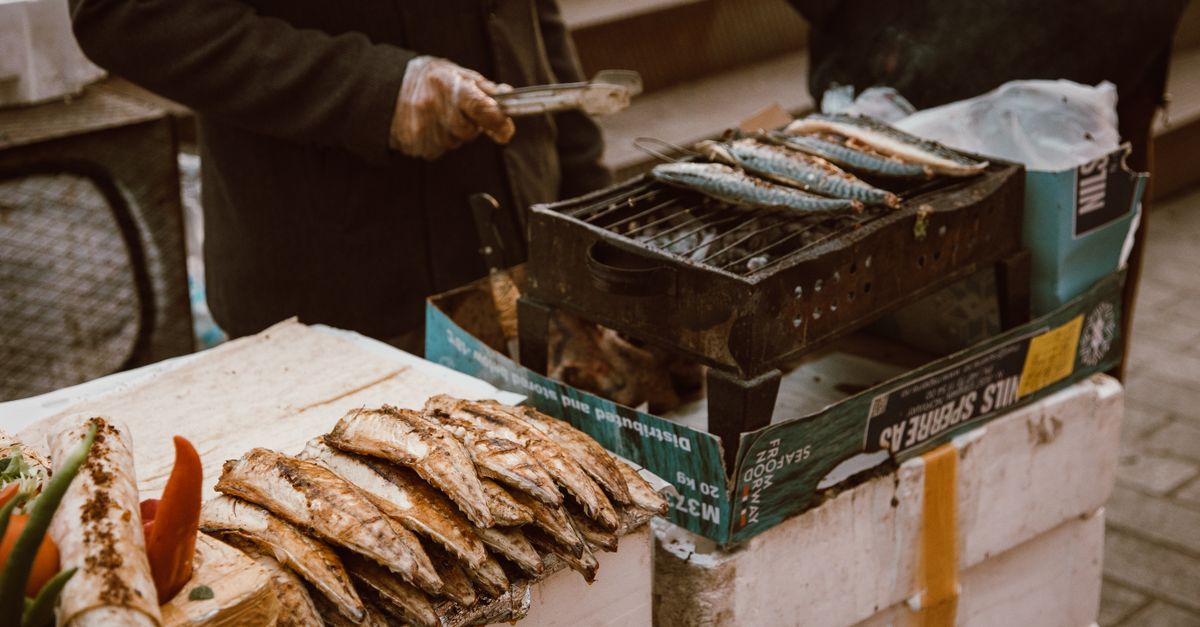
The Bergen Fisketorget (Fish Market) on the waterfront at Torget Square has operated as a seafood market since 1276, making it one of the world's longest continuously operating food markets. Today it's simultaneously a working fish market serving restaurant buyers and local households, and an accessible visitor experience where fresh seafood can be bought and eaten immediately at market tables. The king crabs, snow crabs, brown crabs, and fresh prawns (reker) displayed on beds of ice represent the finest accessible seafood experience in Scandinavia — the combination of Atlantic fjord quality and the immediate freshness of same-day delivery is extraordinary.
The Norwegian king crab — the same species as Alaska's red king crab, introduced deliberately into the Barents Sea in the 1960s by Soviet scientists and now proliferating throughout Norwegian Arctic waters — is the market's prestige item. It's sold live, whole-cooked, or as cracked pre-portioned legs, and the flesh has the same buttery richness and clean sweetness as its Alaskan cousin. The fresh fjord prawns (reker) are smaller and more intensely flavored than farmed tiger prawns, with a clean, briny sweetness. Bought fresh from a market vendor, peeled at a waterfront table, and eaten with good Norwegian mayonnaise and lemon, they're one of Europe's finest seafood experiences.
The Bergen Fisketorget (Torget Square, open daily except Sunday in winter, 7am–11pm in summer) has multiple vendors — Ålesund Fish Market and Fjordland are among the most reliable. The freshest product arrives early morning (7–10am) when the wholesale buying is done; by midday, quality is still excellent. Seafood can be bought to eat at market tables or taken away. For the most theatrical experience, buy whole prawns and crack them yourself at the market's outdoor tables overlooking the harbor.
Fresh prawns at the market: NOK 150–250 per 500g. King crab leg cluster: NOK 350–600. Brown crab: NOK 100–200 each. Prepared shellfish plates to eat at the market: NOK 180–400. This is not cheap by non-Norwegian standards but represents excellent value compared to restaurant prices for equivalent freshness. Budget NOK 300–500 per person for a substantial market seafood experience with bread and drinks included.
3. Klippfisk (Bergen Salt Cod Tradition)
Klippfisk — salt-dried cod that has been preserved by heavily salting and wind-drying on coastal rocks (klipp means "cliff" in Norwegian) — is Bergen's most historically significant food product and one of the most important Norwegian culinary exports in history. Bergen was the primary klippfisk trading center for centuries, distributing preserved cod throughout Catholic Europe (where the Friday fish prohibition created enormous demand) via the Hanseatic League trade network. The fish arrived from the Norwegian Arctic and Lofoten islands, was processed in Bergen, and shipped to Lisbon, Bilbao, Naples, and Brazil — where klippfisk as "bacalhau" remains the national dish today.
The Bergen tradition of eating klippfisk at home and in restaurants has survived the centuries and represents a living connection to the city's trading history. Klippfisk must be desalted (soaked in changing cold water for 24–48 hours) before cooking, which removes the excess salt while retaining the unique preserved quality that fresh fish cannot provide. The desalted fish has a firmer, more elastic texture than fresh cod and a concentrated flavor that survives aggressive cooking techniques. Traditional Bergen klippfisk preparations include klippfisk with potatoes, butter, and egg sauce (the classic Norwegian home preparation) and the more elaborate restaurant versions with aioli, pil pil sauce (from the Spanish influence on the Basque klippfisk tradition), or cream-based sauces.
Enhjørningen Restaurant features klippfisk as a specialty dish reflecting Bergen's historical trading identity. Pingvinen (Vaskerelven 14) is a beloved local bistro serving traditional Norwegian food including excellent klippfisk preparations. The Bergen Fisketorget vendors sell dried and pre-soaked klippfisk for home cooking. The Klippfisk Museum in Kristiansund (accessible as a day trip from Bergen) provides the most complete historical context for the product.
Klippfisk dish at a restaurant: NOK 280–420. Dried klippfisk to cook at home: NOK 150–250 per kilogram (yields approximately 3kg when rehydrated). The historical significance of eating Bergen's centuries-old preserved fish in one of the Hanseatic wooden buildings on the Bryggen wharf creates a food experience of unusual historical resonance — you're participating in a culinary tradition that shaped European food culture for 600 years.
4. Rakfisk (Fermented Trout — The Norwegian Challenge)
Rakfisk is Norway's most challenging traditional food — trout or char fermented for several months to years in brine, developing an intensely pungent, ammonia-adjacent aroma and a distinctly acquired taste that divides even Norwegians into passionate advocates and confirmed avoiders. The fish is gutted, dry-salted, then submerged in brine in sealed containers for anywhere from three months to two years (the longer the fermentation, the more intense the flavor). The result is a fish with extremely soft, almost liquid texture and a flavor of concentrated, funky, briny depth that is simultaneously revolting and compelling, depending on your palate history.
Rakfisk is typically served at room temperature on flatbread (lefse or crispbread) with sour cream, raw onion, and chives — the accompaniments modulate the intensity of the fish while providing contrasting freshness. The sour cream's tang and fat balance the fish's pungency; the raw onion adds a sharp counterpoint; the flatbread provides a neutral vehicle. Bergen's restaurant scene features rakfisk more prominently in autumn and winter, and the Rakfisk Festival at Valdres (150km east of Bergen, November) is the national celebration of this most polarizing of traditional Norwegian foods.
Rakfisk appears occasionally at Bergen's traditional restaurants and at the fish market. Pingvinen and Wesselstuen (Engen 14) — two of Bergen's most traditional Norwegian restaurants — feature it seasonally. The fish market sometimes stocks it in vacuum packs. Approach it with the same curiosity you'd bring to stinky tofu or surströmming — it's genuinely not for everyone, but experiencing a food that represents 1,000 years of Norwegian preservation culture is worth one honest attempt.
Rakfisk at a restaurant: NOK 180–280 for a starter portion. The serving is small because a small amount provides the full experience — it's not a portion-size food. One bite, taken deliberately and chewed slowly, gives you the complete rakfisk experience. If you enjoy it, order more; if you don't, the small serving means the experience is complete without being overwhelming.
5. Reindeer and Game Dishes
Western Norway's mountains and highlands produce reindeer, elk (elg), deer, and ptarmigan (a mountain grouse) that appear on Bergen's serious restaurant menus in autumn and winter. Norwegian reindeer — wild or semi-domesticated Sami herds from the mountain plateaus — has a lean, slightly gamey meat with a mild, pleasant character that is more accessible than venison but more complex than farmed animals. Elk (Norwegian moose — the largest member of the deer family) produces impressively large, dark red cuts with a rich, slightly sweet flavor from the animal's diet of birch leaves and forest plants.
Bergen's game traditions reflect the Norwegian love of outdoor life and hunting culture — the autumn hunt (elg jakt) is a significant social and culinary institution, and the game meat that comes from local hunters finds its way into Bergen's better restaurants. Traditional preparations include reindeer in juniper and cream sauce, elk medallions with autumn berries (cloudberry, lingonberry, and crowberry — the triumvirate of Norwegian wild berries) and roasted root vegetables, and slow-braised elk shoulder with root vegetable purée. The combination of dark, rich game meat with the bright, tart wild berries that accompany it is one of Norwegian cuisine's finest natural flavor pairings.
Lysverket Restaurant (Rasmus Meyers Allé 9 — at KODE Art Museum) is Bergen's most ambitious restaurant, with a tasting menu built on Norwegian ingredients including reindeer and elk in creative preparations. Enhjørningen features reindeer in traditional sauce preparations. Bryggeloftet og Stuene (Bryggen 11) is a more casual traditional restaurant with excellent game dishes in season. Bergen's game season runs September–January; outside this window, game meat at restaurants may be frozen rather than fresh.
Reindeer dish at a restaurant: NOK 320–460. Elk preparation: NOK 350–500. Lysverket tasting menu (the full creative Norwegian experience): NOK 900–1,400 per person. The tasting menu at Lysverket is Bergen's finest food experience and worth the significant investment once during a visit — it represents the best of what contemporary Norwegian cooking can achieve with genuinely exceptional ingredients.
6. Multebær og Vilbær (Wild Berries — Cloudberry and More)
Norway's wild berry culture is one of Scandinavia's great food traditions, and Bergen's proximity to the mountain moors and forests of Vestland county means exceptional access to the full range: cloudberries (multebær), lingonberries (tyttebær), crowberries (krekling), bilberries (blåbær — distinct from North American blueberries, smaller and more intensely flavored), and wild strawberries (markjordbær). These berries are harvested by foragers in late summer and early autumn and appear at Bergen's markets, in preserved forms throughout the year, and as essential accompaniments to game dishes and dairy preparations at Bergen's restaurants.
Cloudberries deserve special attention — they're the prestige wild berry of Norway, growing only in high mountain bogs and moors in summer, available for a brief 2–3 week window in late July to early August. Their flavor is unique: tropical and citrus-like with a slight tartness, more complex than any cultivated berry. Cloudberry jam (multejam) with waffles and sour cream is Norway's most celebrated comfort dessert. Fresh cloudberries served alongside ice cream or with soft goat cheese create a combination that is simultaneously simple and extraordinary. The berry's fragility (it deteriorates rapidly and cannot be commercially cultivated) means it's primarily available as jam, preserved, or fresh at markets during the brief harvest season.
Wild berries and preserves at the Bergen Torget Market (the open market adjacent to the fish market) and at Kjøttbasaren (the historic covered meat and food market, Øvre Ole Bulls Plass 4). Lysverket uses wild berries extensively in their seasonal tasting menu. To Kokker (Enhjørningsgården, Bryggen) serves dessert courses featuring cloudberry in creative preparations. Cloudberry jam and lingonberry jam to take home are the finest Norwegian food souvenirs: £8–£15 per jar at quality food shops.
Fresh cloudberries (if in season): NOK 80–150 per 250g punnet at the market — expensive but worth every krone. Cloudberry jam (Lerum or artisanal producer): NOK 80–150 per jar. These products are genuinely Norwegian in a way that plastic Viking helmets and Norwegian sweaters are not — take home several jars as gifts and the finest possible edible souvenirs from the Western Norway coastal landscape.
7. Norwegian Waffle Culture
Norwegian waffles — heart-shaped (made in a specific heart-sectioned waffle iron that produces five individual heart sections), light, slightly crispy, and made from a batter enriched with cardamom — are the universal Norwegian snack food and one of the most comforting things in the Norwegian food tradition. They appear at hiking cabins (hytte), ski resorts, ferry terminals, and simple cafés throughout Norway as the default afternoon snack, served with sour cream (rømme) and homemade berry jam (cloudberry or strawberry), and sometimes with butter and brown cheese (brunost — the distinctively Norwegian whey-based cheese with a caramel-toffee flavor).
The Bergen waffle culture is particularly warm — the city's perpetually rainy and cold climate makes a freshly made warm waffle with sour cream and cloudberry jam one of the most psychologically appropriate foods imaginable. The waffle should be hot from the iron, slightly crispy on the exterior while still soft in the center, fragrant with butter and cardamom, and eaten quickly before it cools and loses the textural contrast. The brunost (brown cheese) accompaniment — a distinctively Norwegian dairy product made from whey that has a slightly sweet, fudge-like quality and a flavor that is genuinely unlike any other cheese — is the most Norwegian topping option and worth trying specifically.
Waffles are available at most Bergen cafés and at specific waffle houses. Kaffistova (various Norwegian cities including Bergen) is a traditional Norwegian café chain that serves excellent waffles at fair prices. Godt Brød (Nedre Korskirkealmenningen 12) is an excellent artisan bakery that serves waffles alongside their bread and pastry selection. The Bergen Funicular (Fløibanen) station café at the summit of Fløyen mountain serves waffles with the best view in Bergen — worth the small premium for the setting.
A waffle with sour cream and jam: NOK 80–130. At the summit café: NOK 100–150. This is comfort food that transcends cultural context — the combination of warm pastry, cold sour cream, and bright berry jam is universally appealing. It's also one of the most affordable quality food experiences available in Bergen, making it an important tool for budget management in Norway's expensive food environment.
8. Skillingsbolle (Bergen Cinnamon Bun)
The skillingsbolle — Bergen's famous oversized cinnamon bun — is the city's most beloved baked good and the item that Bergen natives cite as the food they miss most when away from home. Unlike the Swedish kanelbulle (which uses cardamom-enriched dough) or the Danish snegl, the Bergen skillingsbolle is made from a richer, more buttery sweet dough with an intense cinnamon and sugar filling, rolled into a large spiral shape, and baked until golden with a soft, yielding interior. The name comes from "skilling" — an old Norwegian coin denomination — because the original bun cost one skilling, making it the affordable daily luxury of Bergen's working population.
The best skillingsboller are made fresh each morning and should be eaten within hours of baking — the dough's texture and the cinnamon filling's fragrance deteriorate rapidly as the bun cools and dries. At their peak (still slightly warm from the oven, the cinnamon sugar forming a sticky glaze on the surface), skillingsboller are genuinely outstanding: the dough is light and slightly sweet, the cinnamon filling runs through every layer of the spiral, and the size (much larger than most Norwegian baked goods) creates an indulgent eating experience that justifies the Bergen pride in this particular pastry tradition.
Godt Brød (Nedre Korskirkealmenningen 12) is widely considered the finest skillingsbolle bakery in Bergen — artisanal, using high-quality butter and locally milled flour. Kaffistova Bakeri and several traditional Norwegian bakeries throughout the city make excellent versions. Holbergstuen café (near the National Theatre) serves skillingsboller with coffee in a traditional café setting. Arriving at a Bergen bakery between 8–10am for a fresh skillingsbolle is the finest possible Bergen breakfast regardless of whatever else the day holds.
Skillingsbolle: NOK 30–55 at a good Bergen bakery. A coffee and skillingsbolle morning combination: NOK 70–120. This is the most accessible, affordable, and characteristically Bergensk food experience available — more specifically Bergen than the fish market (which is general Norwegian) and more affordable than any restaurant. Budget for one every morning of your stay.
9. Bergen Craft Beer (Vestlandet Brewing)
Bergen's craft beer scene has developed significantly over the past decade, with several excellent local breweries producing beers that take the cold, clean Vestlandet water as their primary ingredient and Norwegian food culture as their inspiration. The most notable are: Ægir Bryggeri (from Flåm, on the Sognefjord, 2 hours east of Bergen — accessible by the famous Flåm Railway) producing Viking-themed ales with genuine craft quality; Bergen Bryggeri (the original large Bergen brewery, now operated by the Hansa group but with craft-quality offerings); and a newer generation of small Bergen breweries including 7 Fjell Bryggeri (named for Bergen's seven surrounding mountains) that have received national recognition for quality.
Bergen's drinking culture has historically centered on aquavit (the Scandinavian caraway-and-dill spirit) and the somewhat thin Norwegian pilsner tradition, but the craft beer movement has given the city's more experimental food and bar culture something genuinely excellent to drink alongside its excellent seafood and game dishes. The 7 Fjell Bryggeri IPAs and seasonal specialties have been particularly well-received, and their tap room near the fish market is the best single place to sample the current Bergen craft beer range.
Apollon Bar (Ole Bulls Plass 8) is Bergen's best craft beer bar with the widest rotating selection of Norwegian craft beers. Landmark (Vetrlidsalmenningen 3) is a popular bar with good Norwegian craft selection. 7 Fjell Bryggeri tap room (Bontelabo, near the fish market) is the brewery's own pub. Norwegian craft beer by the pint: NOK 90–140 at a Bergen craft beer bar. A local aquavit shot: NOK 80–120. The aquavit pairing with freshly boiled prawns from the fish market is a genuinely excellent combination — the caraway and dill notes in the spirit complement the prawn's natural sweetness with Nordic precision.
Beer at a Bergen restaurant: NOK 90–130 per pint. Aquavit at a Bergen bar: NOK 80–120 per glass. The astronomical cost of alcohol in Norway is a consistent shock to visitors — budget accordingly or pre-purchase from the Vinmonopolet before evenings out. One pint of craft beer at Apollon Bar is a reasonable evening allowance; two is a commitment to a meaningful expenditure.
10. Brunost (Norwegian Brown Cheese)
Brunost — literally "brown cheese" — is Norway's most distinctive food product and the dairy item that most immediately identifies Norwegian food culture to the rest of the world. Made by boiling whey (the liquid byproduct of cheese-making) until the milk sugars caramelize and the liquid reduces to a thick, paste-like consistency that is then molded and cooled, brunost has a flavor quite unlike any other cheese: sweet, slightly caramel, fudge-like, with a savory dairy undercurrent and a texture that ranges from soft enough to spread to firm enough to slice. The most famous variety is Gudbrandsdalsost (made in the Gudbrandsdalen valley), but Bergen and Vestland have their own regional varieties.
Brunost is eaten on crispbread (knekkebrød), on Norwegian waffles with sour cream, as a sandwich filling, and increasingly as an ingredient in savory cooking where its sweet-savory character adds unexpected depth to sauces and gravies. The most famous culinary application is brunost sauce with game meat (particularly elk and reindeer) — the cheese's caramel quality creates a sauce with unusual complexity that pairs remarkably well with rich, dark game proteins. It's available at every Norwegian grocery store and is extraordinarily affordable — one of the cheapest quality food items in the expensive Norwegian market.
Brunost is available at all Bergen grocery stores (Rema 1000, Kiwi, Meny). The premium variety (Snøfrisk — a fresh goat brunost with cream added — is lighter and more delicate than the standard variety) is found at specialty food shops. The Bergen Fisketorget sometimes has artisanal brunost from regional producers. For a gift, the iconic Gudbrandsdalsost in its recognizable brown packaging is immediately recognizable as Norwegian and travels well without refrigeration for several weeks.
Standard brunost (Gudbrandsdalsost): NOK 40–70 per block (approximately 500g) at a Norwegian supermarket. Artisanal regional varieties: NOK 80–150 at specialty shops. Snøfrisk fresh goat brunost: NOK 50–80 per roll. These are exceptional value by Norwegian food standards — among the few genuinely affordable quality food items you'll encounter. Buy and eat immediately on crackers or waffles and you'll understand immediately why Norwegians consider leaving the country without brunost a minor form of cultural tragedy.
Bergen's Essential Food Neighborhoods
The Fisketorget and Bryggen (The Waterfront): Bergen's most important food zone centers on the Torget (central square) where the fish market operates, and the immediately adjacent Bryggen (the UNESCO World Heritage Hanseatic wharf). The fish market vendors, the waterfront restaurants, and the Enhjørningen and Bryggeloftet restaurants in the historic wooden buildings provide the full range of Bergen's seafood food culture within a 5-minute walk. This is where to begin any food day in Bergen — morning at the fish market, lunch at a Bryggen restaurant, afternoon coffee at a waterfront café.
Marken and the City Center: The commercial city center around Torgallmenningen (the main pedestrian boulevard) and the adjacent streets has Bergen's best cafés, bakeries (Godt Brød), and the accessible mid-range restaurants. The Pingvinen bistro and several other traditional Norwegian restaurants are in this zone. Kjøttbasaren — the historic covered market building at Øvre Ole Bulls Plass — is worth visiting for its food market atmosphere even if the specific products are geared more toward daily provisions than food tourism.
Nordnes (The Peninsula): The Nordnes peninsula, extending west into the harbor, is Bergen's most attractive residential neighborhood and home to some of the city's most interesting independent restaurants and wine bars. The harbor-side streets have several seafood-focused restaurants that are less tourist-facing than the Bryggen establishments. Bare Restaurant and several other contemporary Norwegian restaurants occupy this neighborhood, making it worth the 15-minute walk from the city center for visitors interested in Bergen's more creative food scene.
Practical Tips for Eating in Bergen
Bergen food safety is excellent — Norway has the highest food safety standards in Europe and Bergen's seafood in particular is handled with rigorous care from boat to table. The only practical concern is the fish market's prices, which can be shocking to visitors unaware of Norwegian food costs. Tap water in Bergen is excellent — some of Scandinavia's finest, filtered through the mountains of Vestland — and should always be drunk rather than bottled water, which is both expensive and environmentally unnecessary here. Bergen's perpetual rain (the city has the highest rainfall in Europe among major cities) means outdoor eating is weather-dependent — most good restaurants have covered or indoor seating as their primary dining space.
Budget guide: Norway is one of Europe's most expensive food destinations. A fish market prawn purchase for two: NOK 250–400. A skillingsbolle and coffee breakfast: NOK 80–130. A fiskesuppe lunch at a restaurant: NOK 200–320. A mid-range restaurant dinner: NOK 550–900 per person with one drink. A high-end tasting menu: NOK 900–1,400 per person without wine. Total daily food budget for conscious budget management (market breakfast, restaurant lunch, supermarket dinner): NOK 400–600 per person. Total for mid-range (café breakfast, restaurant lunch and dinner, one drink each): NOK 800–1,200 per person. Norway's prices are what they are — budget accordingly before you arrive, or your food budget will be your biggest travel shock.