
The Azores food story is one of the most unusual in Europe: a remote Atlantic archipelago 1,500 kilometers from mainland Portugal, geologically volcanic, climatically subtropical, and agriculturally self-sufficient in ways that have shaped a cuisine of remarkable originality. The signature dish — cozido das Furnas — is cooked underground, heated by geothermal volcanic vents. The local cheese — queijo da ilha — has been made on São Jorge island by the same family methods for generations. The lapas (limpet shellfish) are grilled in butter and garlic and taste like the North Atlantic itself. The fresh tuna, pulled from the deep blue waters that surround the islands, is served with a simplicity that borders on the sacred.
Azorean food culture is quiet, unhurried, and deeply local. These are islands where the populations of individual parishes can number in the hundreds, where families grow their own vegetables and raise their own cattle, and where the food on your plate may have traveled no more than five kilometers from field to table. The culture of self-sufficiency that made survival possible on these remote volcanic outcroppings has produced a food system that is, inadvertently, a model of the sustainable, locally-sourced cooking that urban food movements spend billions attempting to recreate. In the Azores, it's simply how people eat.
This guide covers all the essential Azorean food experiences — the Furnas geothermal stew on São Miguel, the limpets and wine on Terceira, the São Jorge cheese in all its stages of ripeness, the alcatra (beef stew) of Terceira cooked in red wine and spices, and the extraordinary seafood of the deep Atlantic waters. The Azores are one of Europe's best-kept food secrets, and this guide tells you exactly where to eat to understand why.
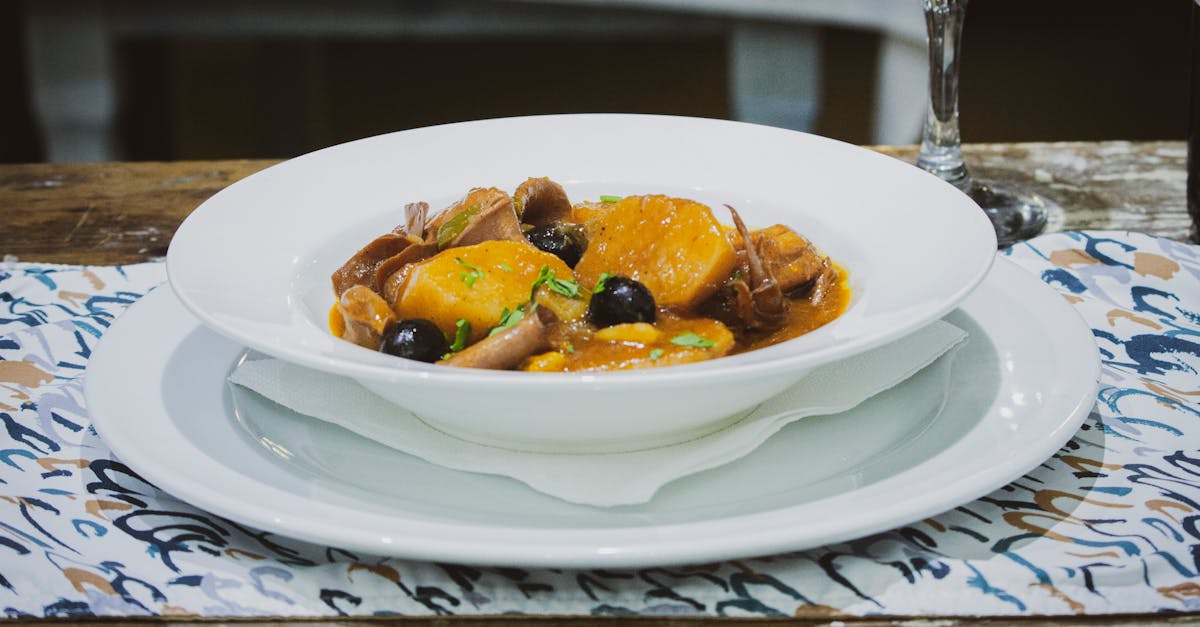
10 Must-Try Dishes in the Azores
1. Cozido das Furnas (Geothermal Stew)
Cozido das Furnas is one of the most extraordinary dishes in Europe — a traditional Portuguese cozido (mixed meat and vegetable stew) cooked underground in sealed pots heated by the geothermal energy of the Furnas volcanic caldera on São Miguel island. Local restaurants lower their metal pots — loaded with blood sausage (chouriço de sangue), smoked sausage, pork ribs, chicken, beef, blood pudding (morcela), yam, cabbage, carrots, potatoes, and other vegetables — into the ground near the fumaroles (steaming volcanic vents) of Lagoa das Furnas. The pots sit there for 5–6 hours, cooking at a steady temperature from the geothermal heat rising through the earth, until every component is perfectly tender.
The result is a stew of profound, unified depth — the various meats have all released their fats and flavors into the broth, the vegetables have absorbed the meat juices, and the whole pot has developed a complex, savory richness that slow cooking over direct heat cannot achieve. The geothermal cooking is not a marketing gimmick — the consistency of the low, steady heat and the absence of direct flame produces a genuinely different texture in both meat and vegetables than oven or stovetop cooking. The blood sausage in particular becomes extraordinarily unctuous, the casing almost dissolving into the surrounding liquid.
The most celebrated cozido das Furnas restaurant is Tony's (Rua de Baixo 15, Furnas), which has been running its underground cooking operation for decades and limits daily portions to what their pots can accommodate. Reservations (call ahead — +351 296 584 290) are strongly recommended, especially in summer. Restaurante Terra Nostra (also in Furnas, adjacent to the famous Terra Nostra park) also operates the geothermal cooking and offers a more polished dining setting. The village of Furnas itself has several restaurants operating pots in the same geothermal field.
Cozido das Furnas: €18–€28 per person at Tony's or Terra Nostra. The portion is enormous — it's designed as a midday main meal. Book by phone or arrive before noon to secure a place; both restaurants sell out every day. The experience of watching pot boys extract your meal from the steam-rising ground with large hooks before serving it is genuinely theatrical and worth experiencing for the spectacle alone, beyond the extraordinary food.
2. Lapas Grelhadas (Grilled Limpets)
Lapas — limpets, the conical shellfish that cling to volcanic rock shores throughout the Azores — are the archipelago's most beloved and culturally central food. Found on every shoreline of every island, limpets have been a dietary staple since the first settlers arrived in the 15th century, and the traditional grilling preparation has remained essentially unchanged: the whole limpet in its shell is placed directly on a very hot griddle or grill, given a generous knob of good butter, a crushed garlic clove, a squeeze of lemon, and sometimes a sprig of fresh parsley. They cook in minutes, the butter melting over the limpet flesh and forming a sauce in the shell that becomes enriched with the shellfish's own brine.
The flavor of Azorean lapas is something between a clam and a scallop — clean, intensely briny, with a slight chewiness that gives way to a tender center, and a richness from the butter that is simultaneously simple and luxurious. The butter absorbs the limpet's natural brine during cooking, creating a sauce that should be tipped directly from the shell into your mouth after you've extracted the limpet itself with a small fork. This sauce — concentrated limpet butter — is the most intense expression of Azorean sea flavor available. A plate of lapas with local bread and a glass of cold Azorean wine is one of the finest simple meals in Portugal.
Lapas are available at virtually every restaurant in the Azores, but the finest are found on the islands with the most exposed, wave-battered coastlines where the limpets grow largest and most flavorful: Terceira and São Jorge are considered to have the best. In Angra do Heroísmo (Terceira), Restaurante Lado B (Rua dos Mercadores 5) and Taberna Roberto (Rua de São João 7) serve excellent lapas. On São Miguel, the restaurants in Rabo de Peixe fishing village have excellent lapas at local prices.
A plate of lapas: €8–€18 depending on size and restaurant. As an appetizer, one plate between two people is standard. Always order with plenty of local bread for soaking up the butter sauce. Pair with Azorean white wine (the verdelho from Pico island is the regional specialty) or cold Sagres beer. The limpets should arrive sizzling and smoking — they should be eaten immediately.
3. Queijo São Jorge (São Jorge Island Cheese)
Queijo da ilha, specifically the São Jorge designation, is one of Portugal's great cheeses and one of Europe's most underrated dairy products — a semi-hard cow's milk cheese with a characteristic yellowish paste, fine irregular holes, and a flavor that develops from mild and buttery when young (four months) to piquant, complex, and slightly spicy when aged for 18 months or more. The cheese is made on the elongated, ridge-shaped island of São Jorge from the milk of the island's Flemish-descended cattle herds (Portuguese Frisians), which graze on pastures made extraordinarily lush by the island's high rainfall and Atlantic climate.
The flavor of well-aged São Jorge cheese — particularly the "velho" (old) designation, minimum six months — is extraordinary: crystalline texture from the protein clusters that form during long aging, a sharpness that builds slowly and lingers, and a complexity of dairy flavors (sweet milk, slight funkiness, butterscotch notes in the oldest examples) that places it in the company of good Comté or aged Manchego. The volcanic pastures of São Jorge, enriched with organic material from centuries of farming without pesticides, produce milk with a richness that directly translates into the cheese's flavor depth.
Buy São Jorge cheese directly on the island at the Cooperativa Agrícola de São Jorge (main cooperative dairy in Velas, São Jorge island) where you can purchase direct from production at prices significantly lower than mainland Portugal. On São Miguel, Mercado da Graça (the covered market in Ponta Delgada) has an excellent cheese selection. Throughout the Azores, quality restaurants serve São Jorge as part of their cheese course; ask specifically for "curado" (well-aged) or "velho" for the most complex flavor.
São Jorge cheese: €8–€14 per 250g at a cooperative or market. A whole small wheel (approximately 1.5kg): €40–€65. The cheese keeps well — vacuum-packed, it travels safely for several weeks. Buy the "velho" designation if available. Eaten with local honey, fresh fruit, and the excellent Pico island verdelho wine, São Jorge cheese forms the centerpiece of the finest Azorean table experience.
4. Atum dos Açores (Azorean Tuna)
The deep, warm Atlantic waters that surround the Azores are among the world's richest tuna fishing grounds, and the bigeye, albacore, and yellowfin tuna caught here are among the finest in the Atlantic. Azorean tuna fishing uses the traditional single-pole technique (pesca à cana) — sustainable, with minimal bycatch — which has made Azorean canned tuna some of the most prized in Europe, and the fresh tuna available in island restaurants something extraordinary. A fresh tuna steak from a fish that was alive in the water 24 hours earlier is so far beyond the frozen tuna of mainland restaurants that the comparison seems unfair.
Azorean restaurants prepare fresh tuna in several traditional ways: atum de escabeche (marinated with onion, vinegar, olive oil, and bay leaf — served cold), bife de atum (tuna steak grilled simply with garlic, olive oil, and herbs — always requested "mal passado," barely cooked), and atum à Azoriana (tuna cooked with onions, tomatoes, and local spices). The escabeche method preserves the tuna in its own juices and produces a preparation that improves over 24–48 hours as the flavors meld — the local version made with sashimi-quality fresh tuna is categorically different from canned escabeche.
Fresh tuna is available at most Azorean fishing-village restaurants. On São Miguel, the fishing villages of Rabo de Peixe and Ribeira Grande on the north coast have fish restaurants that get direct delivery from the harbor. On Faial island, the marina area of Horta has several waterfront restaurants with exceptional fresh tuna. The Mercado da Graça fish counter in Ponta Delgada has fresh whole tuna loins available for self-catering — a remarkable ingredient at fisherman's prices.
Fresh tuna steak at a restaurant: €16–€28. Tuna escabeche: €12–€20. Canned Azorean tuna (the exceptional Bom Petisco or Comur brands): €3–€8 per tin. The canned Azorean tuna — packed in olive oil from whole loins rather than processed scraps — makes the finest possible food souvenir from the archipelago: lightweight, shelf-stable, genuinely excellent quality, and approximately 70% cheaper than the same product in Lisbon specialty food shops.
5. Alcatra (Terceira Beef Stew in Red Wine)
Alcatra is Terceira island's most celebrated dish and one of the finest beef stews in Portuguese cooking — a long-braised preparation of tail or haunch beef (rabo, and alcatra means "rump" in Portuguese) cooked in red wine with lard, black pepper, allspice, bay, cloves, and onions in traditional clay pots called caçoilas. The clay pots are essential: they're made locally in Terceira and have a porous quality that allows slight evaporation during the long oven cooking, concentrating the braising liquid into a sauce of deep, spiced richness that is distinctly different from any French braise or Portuguese stew made in metal pots.
The beef cut used — tail or rump — has more collagen than prime cuts, and the long braising (typically 3–4 hours at low heat) converts this collagen to gelatin that makes the sauce silky and unctuous. The combination of allspice and cloves in the braising liquid gives alcatra a slightly sweet, aromatic quality reminiscent of Caribbean cooking — a flavor signature that reflects the historical maritime connections between the Azores, Brazil, and the Caribbean trade routes. Alcatra is served with sweet potato or massa sovada (Azorean sweet bread) for soaking up the extraordinary sauce.
Alcatra is Terceira's signature dish and found at most restaurants in Angra do Heroísmo. O Pescador (Rua do Galo, Angra do Heroísmo) is one of the most highly regarded, serving a traditional alcatra that is considered among Terceira's finest. Restaurante Beira Mar (Largo do Corpo Santo, Angra do Heroísmo) serves it in the beautiful setting of the UNESCO World Heritage historic city center. On weekends, Terceira's rural communal festivals (festas do Espírito Santo) serve alcatra communally — if you happen upon one, you'll eat extraordinarily well for a very modest donation.
Alcatra at a restaurant: €16–€26 per person. The portion is always substantial — one plate is a full meal. The sauce is so good that ordering extra bread (pão sovado) is worth the €1–€2 extra. Pair with a bottle of local table wine or, ideally, a Dão or Alentejo red from mainland Portugal (Azorean restaurants stock good mainland Portuguese wines at reasonable prices).
6. Sopa do Espírito Santo (Holy Spirit Soup)
Sopa do Espírito Santo — Holy Spirit soup — is the most culturally significant food in the Azores and one of the most moving food experiences available in Portugal. The soup is distributed free to anyone who appears at the Império do Espírito Santo (the small octagonal chapels that appear throughout every Azorean village) during the Festas do Espírito Santo religious celebrations that run from Easter to mid-summer. The soup itself — rich beef broth with boiled beef, torn sweet bread (massa sovada), and a scattering of fresh herbs — is deliberately simple, but the act of receiving it free from community members fulfilling a religious vow creates a context that transforms the meal into something extraordinary.
The tradition dates to the 13th-century veneration of the Holy Spirit promoted by Queen Isabel of Portugal, but in the Azores it has developed into the most intense expression of community solidarity and religious identity in the archipelago. The Impérios are maintained by fraternities that save throughout the year to fund the communal feast — whole oxen and hundreds of loaves of sweet bread are donated. The soup is distributed from enormous cauldrons to all who come, regardless of faith or origin. Sitting at a long communal table eating soup distributed by strangers as an act of religious charity is one of the most powerful cultural-food experiences available in Europe.
Festas do Espírito Santo occur throughout the Azores from Easter to late June, with the main concentrations on Terceira island (the most elaborate celebrations in the archipelago), São Miguel, and Faial. The celebrations follow the liturgical calendar — ask at your hotel or the local tourist office about the schedule on whichever island you're visiting. The entire experience is free and open to visitors who approach respectfully.
Cost: free. This is not a restaurant experience — it's a community ritual that you're invited to participate in. The appropriate response is to eat the soup with genuine appreciation, thank your hosts, and perhaps make a small voluntary donation if a collection is being taken. The soup, simple as it is, tastes unlike anything else you'll eat in the Azores because of the context in which it's given.
7. Pico Island Verdelho Wine
The verdelho wine made on the island of Pico — specifically the Pico Appellation wines produced from the unique volcanic basalt vineyards of the island's western flank — is one of the most extraordinary wines in Portugal and one of the great under-appreciated wines of Europe. The vines grow in a remarkable landscape of low-lying volcanic rock enclosures (currais), protected from the Atlantic wind by hand-built lava walls that also retain heat and reflect it onto the vines. The combination of volcanic basalt soil, Atlantic maritime climate, and the traditional verdelho grape produces wines of unique mineral intensity, vivid acidity, and a saline, almost oceanic quality that is unlike any other Portuguese white wine.
The Pico Appellation Verdelho wines are dry, medium-bodied whites with a distinctive character: golden color even when young, strong acidity, mineral notes of wet stone and chalk, and a saline finish that pairs with uncanny natural affinity with the island's lapas, fresh tuna, and shellfish. These are wines made by small-scale producers (many vineyards have only a few rows) and the total production is so limited that they're rarely seen outside the Azores — which makes drinking them on the island an experience you genuinely cannot replicate elsewhere. The Pico vineyard landscape was designated a UNESCO World Heritage cultural landscape in 2004.
Pico verdelho is available at most quality restaurants throughout the Azores. On Pico island itself, the Cooperativa Vitivinícola da Ilha do Pico (Madalena, Pico) sells directly from the cellar at producer prices. The wine museum in Madalena (Museu do Vinho) provides historical context and tastings. On São Miguel, the Mercado da Graça wine section and specialty shops in Ponta Delgada stock a good selection of island producers. Prices on-island are genuinely affordable — quality verdelho at €8–€16 per bottle.
Pico Verdelho by the bottle: €8–€18 depending on producer and vintage. By the glass at a restaurant: €4–€8. For the full appreciation, visit Pico island specifically for the wine and landscape combination — the eerie, beautiful volcanic vineyard landscape is one of the most striking visual environments in all of Portugal, and the wine tasted in situ has an additional dimension of place that adds to the experience. Take home as many bottles as your luggage allows; this wine is not available at competitive prices anywhere else.
8. Maracujá Products (Passion Fruit)
The Azores' subtropical climate produces exceptionally good passion fruit (maracujá) — the wrinkled, purple-skinned variety with intensely aromatic, slightly tart yellow pulp. Azorean passion fruit has a more concentrated, complex flavor than the tropical-grown varieties sold in mainland supermarkets, and it appears throughout the local sweet-making tradition in forms ranging from fresh juice to jam, liqueur, cakes, and ice cream. The combination of the fruit's natural acidity and tropical fragrance with dairy products — cheese, cream, ice cream — creates classic Azorean dessert combinations that are found nowhere else in Portugal.
The most popular preparations include maracujá mousse (a feather-light dessert of whipped cream and passion fruit juice, slightly tart and intensely aromatic), maracujá jam (made with whole pulp and seeds, gorgeous on toast or with São Jorge cheese), and licor de maracujá (a sweet passion fruit liqueur produced by several Azorean artisanal producers). The mousse is the definitive Azorean restaurant dessert — almost every traditional restaurant serves it, and the best versions achieve a balance of tartness and sweetness that makes them genuinely outstanding. The jam, available at every market and gift shop, is the ideal food souvenir.
Maracujá mousse at a restaurant: €4–€8. Maracujá jam: €4–€9 per jar at markets and food shops. The finest jam is from small producers who process the fruit in season (late summer to autumn) — look for jars with handwritten labels rather than printed commercial packaging. Mercado da Graça in Ponta Delgada has several stalls with excellent artisanal preserves. On São Jorge, ask at any supermarket for local-made maracujá products.
Licor de maracujá: €10–€18 per bottle. The liqueur is best chilled as a digestivo or poured over vanilla ice cream. The passion fruit's acidity also makes an excellent addition to salad dressings and marinades for grilled fish — ask at your accommodation for the kitchen to use it if you're self-catering. The overall flavor profile of Azorean maracujá is worth experiencing even if you think you already know passion fruit — the island variety is significantly more aromatic and complex.
9. Lingua de Vaca (Beef Tongue in Tomato Sauce)
Língua de vaca — beef tongue braised in tomato sauce and red wine — is one of the most traditional and beloved meat preparations in Azorean home cooking and a fixture on the menus of traditional restaurants throughout the islands. The tongue is poached first until tender (a process that takes 2–3 hours), then peeled, sliced, and braised in a second stage with tomatoes, onion, garlic, red wine, bay leaves, and local spices until the sauce is rich and the tongue has absorbed the tomato-wine flavors. The result is extraordinary: the tongue has a particularly fine-grained, silky texture unlike any other beef cut, and its natural richness is perfectly balanced by the acidity of the tomato and wine sauce.
Língua de vaca is one of those dishes that reveals a great deal about a restaurant's kitchen — it requires patience, technique, and proper sourcing (tongue from well-raised cattle is dramatically better than from intensively raised animals). In the Azores, where cattle quality is exceptional (the islands have one of the highest cattle-to-human ratios in Europe and the animals graze on extraordinarily lush pastures), the ingredient quality elevates this humble preparation into something genuinely excellent. It's served with boiled or fried potatoes, rice, and sometimes the cooking sauce enriched further with capers and olives.
Língua de vaca appears at traditional Azorean restaurants on most islands. On Terceira, O Pescador and Taberna Roberto serve it as part of a traditional menu. On São Miguel, restaurants in the villages of Nordeste and Ribeira Grande (northern São Miguel, less touristic than Ponta Delgada) feature it regularly as a prato do dia. It's consistently the best-value meat dish at traditional Azorean restaurants — ordering it over more expensive grilled meats is the experienced traveler's choice.
Língua de vaca at a restaurant: €14–€22. With accompanying vegetables and bread: €18–€28 for a complete meal. The sauce is excellent for bread-soaking — always request extra bread. This is also one of the best hangover cure dishes in the Azores, for reasons that traditional Portuguese cooking seems to instinctively understand.
10. Bolo Lêvedo de Furnas and Massa Sovada (Azorean Sweet Breads)
Azorean baked goods represent a distinct tradition within Portuguese pastry that reflects the islands' relative isolation and the development of recipes adapted to local ingredients and preserved in family kitchens across generations. The most beloved is massa sovada — a rich, sweet, brioche-like enriched bread made with eggs, butter, sugar, and sometimes a flavoring of anise or lemon, baked in round loaves with a characteristic golden sheen. It's the bread of festivals, religious celebrations, and Sunday meals — its richness and sweetness contrasting with the savoury food it accompanies at feasts. In Furnas, the bolo lêvedo is a smaller, individually portioned sweet bread that has achieved such fame it's sold in boxes as an island specialty.
Bolo lêvedo (from Furnas, though originally from Lourinhã on mainland Portugal) is lighter than massa sovada — more cake-like, with a thin, crispy golden exterior and a soft, eggy interior that's gently sweet and faintly vanilla-scented. They're eaten fresh, often with butter and local honey, and make an exceptional breakfast or afternoon treat alongside strong coffee or Azorean tea. The production in Furnas uses local eggs from free-range chickens, and the freshness makes a dramatic difference — bolos lêvedos from the village of Furnas directly are categorically better than the same product sold pre-packaged in Ponta Delgada shops.
In Furnas, Dona Amélia pastry shop (next to Tony's restaurant near the hot springs area) bakes bolos lêvedos fresh daily and is the standard source for both locals and visitors. Massa sovada is sold at bakeries throughout the islands — the best in Ponta Delgada is at Padaria Graciosense (Rua da Misericórdia) and traditional bakeries near the cathedral. For gifts, the boxed bolos lêvedos from Furnas (available at the Ponta Delgada airport duty-free) keep well for 5–7 days and travel safely.
Bolo lêvedo: €1.50–€3 each from the Furnas bakery. A box of 8–10: €12–€18. Massa sovada whole loaf: €5–€9 at a good bakery. These are the food souvenirs that Azoreans bring to relatives on the mainland — take them seriously as genuine expressions of island baking tradition that has no equivalent elsewhere in Portugal.

The Azores' Essential Food Islands
São Miguel — The Green Island: São Miguel is the largest island and the primary arrival point for most visitors. Ponta Delgada's Mercado da Graça (covered market) is the best single food destination in the archipelago — excellent fish counter, cheese selection, fresh produce, and traditional snack vendors under one roof. The volcanic Furnas area has the geothermal stew restaurants and bolo lêvedo bakeries. The northern coast fishing villages (Rabo de Peixe, Ribeira Grande) are undervisited but have excellent local fish restaurants at genuine island prices. The famous volcanic lakes of Sete Cidades and Furnas offer picnic opportunities with extraordinary scenery.
Terceira — The Cultural Capital: Terceira's UNESCO World Heritage capital, Angra do Heroísmo, has the most developed and sophisticated restaurant scene in the archipelago outside São Miguel. The city's historic center is compact and walkable, with excellent alcatra restaurants, lapas specialists, and traditional tascas serving straightforward Azorean food. Terceira also has the most elaborate Festas do Espírito Santo celebrations in the Azores (May–June) — if you're visiting at the right time, the communal soup distributions and street celebrations are the defining cultural food experience of the archipelago.
São Jorge and Pico — Cheese and Wine: These two neighboring islands form the essential gourmet destination of the Azores. São Jorge is the cheese island — take a morning ferry from Faial or Pico, visit the cooperative dairy, buy a wedge of aged cheese directly, and eat it with local wine overlooking the extraordinary sea cliffs. Pico is the wine island — the UNESCO-listed volcanic vineyard landscape of the western plain is one of the most unusual and beautiful wine regions in Europe. Together, the two islands in an afternoon ferry loop provide the Azorean food experience in its most concentrated form: extraordinary cheese, extraordinary wine, extraordinary landscape.
Practical Tips for Eating in the Azores
The Azores is one of the safest food destinations in Europe — clean water, high-quality ingredients, and careful food handling are the norm. Tap water in most islands is safe to drink but has a slightly mineral taste; bottled Água dos Açores is the local preference. The most significant practical food challenge in the Azores is the island geography: ferry schedules determine whether you can eat on a given island on a given day. Build your food itinerary around ferry times rather than the reverse. Vegetarian eating is possible but requires vigilance — most Azorean traditional dishes are meat or seafood based, and even "vegetable" soups often contain animal stock. Fresh fruit, cheese, local bread, and the genuinely good prepared vegetable sides (sautéed greens, potato dishes) provide adequate vegetarian options.
Budget guide: The Azores is significantly cheaper than mainland Portugal for equivalent quality food. A tasca lunch prato do dia: €8–€14. A traditional restaurant dinner (lapas, main fish or meat, wine): €20–€35 per person. A full cozido das Furnas experience: €18–€28. Groceries at local supermarkets (Modelo or Intermarché chains throughout the islands) are inexpensive — excellent for self-catering between restaurant meals. The most expensive eating in the Azores is at the tourist-facing restaurants near the main viewpoints and in the Ponta Delgada marina area — none of these are the best food options. The cheapest and best eating is always inland, in neighborhood tascas, and at market stalls.

