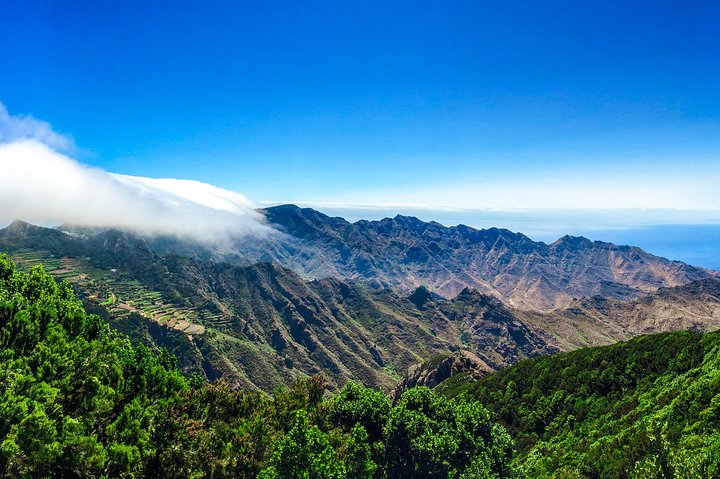
Tenerife is the Canary Islands' most dramatic destination — a volcanic island where Spain's highest peak rises 3,718 metres from subtropical forests, black sand beaches meet turquoise waters, and colonial towns preserve centuries of Atlantic trading history in their cobbled streets.

Teide National Park & La Laguna
Morning (9:00 AM): Start your exploration of Tenerife with a visit to Teide summit. Take time to absorb the atmosphere and historical significance of this landmark, which defines the character of the city. The architecture and setting reward slow, attentive observation — bring a camera and comfortable shoes for the walking ahead.
Mid-Morning (11:00 AM): Continue to lunar landscapes, one of the area's most compelling attractions. The cultural depth here is considerable, and you will want at least an hour to appreciate what is on offer. Local guides can provide invaluable context for understanding what you are seeing and its significance to the region.
Lunch (1:00 PM): Head to historic La Laguna UNESCO town for an authentic local meal. Regional cuisine here is distinctive and affordable — expect to pay €8-14 for a satisfying main course with local flavours. Ask your server for recommendations and try the house speciality, which typically features seasonal ingredients sourced from nearby producers.
Afternoon (2:30 PM): Explore neighbourhood walk, where the pace slows and the city reveals its more intimate side. This area rewards wandering without a strict plan — the best discoveries come from turning down unexpected side streets, peering into courtyards, and stopping at any cafe that catches your eye.
Evening (6:30 PM): As the light softens, find a spot for an aperitivo or early evening drink with views. Then settle in for dinner at a locally recommended restaurant where traditional recipes are prepared with care. A full dinner with wine runs €15-25 per person and represents excellent value for the quality.
Colonial Architecture & Botanical Gardens
Morning (9:00 AM): Dedicate the morning to Colonial architecture. This is one of the region's standout experiences, combining cultural significance with genuine beauty. The collections and exhibits here are thoughtfully curated and deserve at least two hours of unhurried attention. Early arrival means smaller crowds and better photographs.
Mid-Morning (11:00 AM): Walk to botanical gardens, shifting the day's pace toward exploration and discovery. The streets in this area have a character distinct from the main tourist zones — more residential, more authentic, and often more architecturally interesting. Small shops and local businesses give a genuine sense of daily life here.
Lunch (12:30 PM): Eat at dragon tree, where the food scene shows its depth. Markets and local restaurants here serve dishes that showcase regional ingredients and cooking traditions passed down through generations. Budget €8-12 for a satisfying lunch with a drink.
Afternoon (2:30 PM): Spend the afternoon at gardens and parks. This is an ideal time for a more relaxed pace — whether that means sitting in a park, browsing local shops, or visiting a gallery. The afternoon light transforms the architecture and landscape, creating ideal conditions for photography and quiet appreciation.
Evening (7:00 PM): Tonight, venture beyond the tourist centre for dinner. The best restaurants are often in residential neighbourhoods where locals eat — look for places with full tables and handwritten menus. Expect to spend €12-20 for dinner with local wine or beer, and savour the slower rhythms of evening dining culture here.
Anaga Mountains & Coastal Villages
Morning (9:00 AM): Use your final morning for Anaga Mountains, which offers a different perspective on the region. Whether this involves a short journey out of the centre or a deeper exploration of an area you passed through earlier, the change of scenery provides fresh context for everything you have seen in the previous two days.
Mid-Morning (11:00 AM): Continue to coastal villages. The views and experiences here are among the most memorable the area offers, and the timing — late morning, with the sun high and the light clear — shows everything at its best. Take your time and resist the urge to rush through to the next thing.
Lunch (12:30 PM): Settle in for a proper wine tasting. This is your last chance to sample the local cuisine, so order generously and try anything you have been meaning to taste. Local specialities run €8-15 for main courses, and the relaxed midday atmosphere encourages lingering over an extra coffee or glass of wine.
Afternoon (2:30 PM): Spend the afternoon revisiting favourite spots or exploring anything you missed. Every city and region has layers that reveal themselves only on the third day — return to the places that moved you most, or seek out the quiet corners that guidebooks overlook. The best travel memories often come from these unplanned final hours.
Evening (6:30 PM): A farewell dinner at a special restaurant caps the trip. Choose somewhere that represents the best of local cuisine and ambiance — a place where the food, setting, and service combine to create a lasting memory. Budget €20-30 for a memorable final meal with wine, and toast to a destination that deserves a return visit.
Budget Breakdown (Per Person, 3 Days)
| Category | Budget (€) | Mid-Range (€) | Luxury (€) |
|---|---|---|---|
| Accommodation (3 nights) | €60 | €180 | €500 |
| Food & Drinks | €45 | €100 | €250 |
| Transport | €15 | €35 | €70 |
| Activities & Entry Fees | €20 | €45 | €100 |
| Total 3 Days | €140 | €360 | €920 |
Neighbourhoods to Know
Tenerife is an island of dramatically different worlds, and understanding its zones before you arrive saves you from spending your holiday in the wrong one. The island divides roughly into the cosmopolitan north, the resort-heavy south, and the wild interior — each with its own personality, microclimate, and price point.
Santa Cruz de Tenerife, the island's capital in the northeast, is where Canarians actually live. The city has a serious contemporary art museum (TEA — Tenerife Espacio de las Artes, free on Sundays), a beautiful Art Nouveau market at the Mercado de Nuestra Señora de África, and the island's best restaurant scene along Calle La Marina and the Parque García Sanabria neighbourhood. Accommodation is cheaper here than in the south, and the vibe is decidedly non-touristy. The Carnaval de Santa Cruz in February is the second largest in the world after Rio, drawing over 200,000 people for street parties that run around the clock.
La Laguna, a fifteen-minute tram ride north of Santa Cruz (1.35 € single), is the island's former capital and a UNESCO World Heritage city. Its pedestrianised centre of colonial mansions and painted balconies feels more like a Canarian heritage town than a tourist attraction. The university gives it a young, lively cafe culture — the tapas bars on Calle Herradores are some of the best value on the island, with raciones around 4–7 €.
Los Cristianos and Playa de las Américas in the south are the engine room of mass tourism — high-rise hotels, all-inclusive resorts, and beaches engineered for maximum comfort. The weather here is reliably warmer and drier than the north (320 sunny days per year), which matters if your priority is guaranteed sunshine. Costa Adeje, the upmarket strip north of Playa de las Américas, has pushed strongly into the luxury segment and now rivals the Canary Islands' best for fine dining and boutique hotel design.
El Médano, on the southeastern tip, is the island's windsurfing and kitesurfing capital — a low-rise, genuinely local town where the main square fills with surfers at sundown and a meal at a harbourfront restaurant rarely tops 15 €. It is the best choice for travellers who want Canarian authenticity without driving to the north, and it sits directly below Teide's most photogenic approach road.