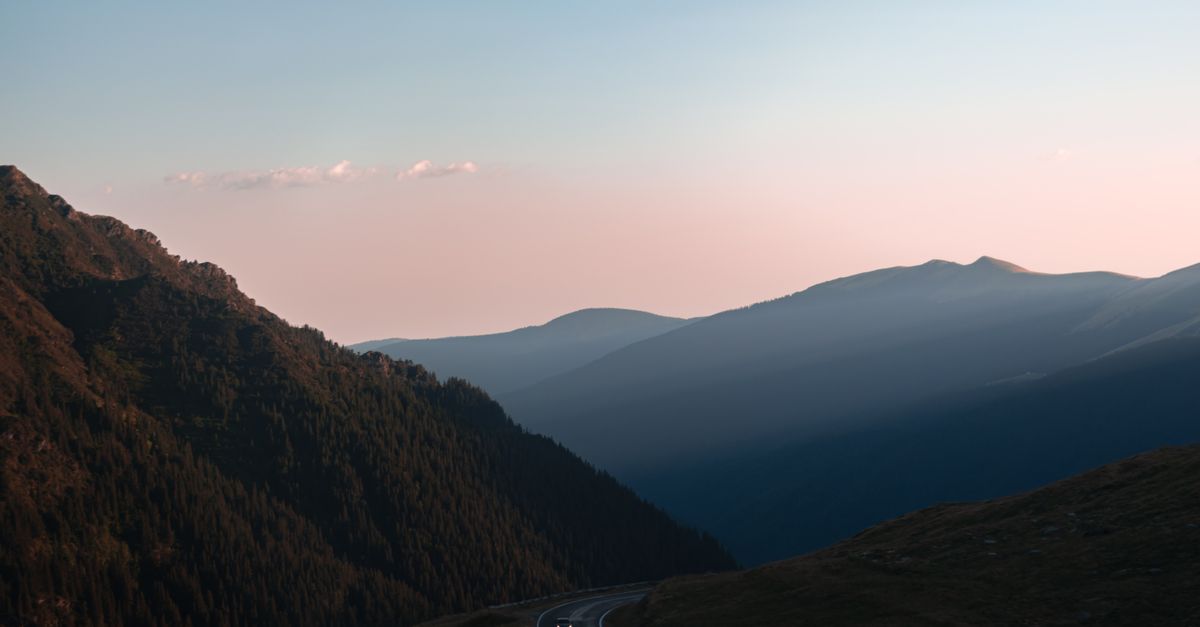
Shimla is India's most famous hill station — the former summer capital of British India perched at 2,200 meters in the Himalayan foothills. The Mall road, Christ Church, and Victorian architecture create a living colonial museum, while surrounding forests and the Kalka-Shimla toy train make this Himachal Pradesh capital an enduring mountain retreat.

Mall Road & Ridge
Morning: Walk The Mall, Shimla's traffic-free promenade lined with colonial buildings, bookshops, and cafes. Visit Christ Church (1857, free) — the second oldest church in North India with stunning stained glass windows. The Ridge, a large open space at the heart of town, offers panoramic views of snow-capped Himalayan peaks. The Gaiety Heritage Cultural Complex (1887) hosts performances in its restored Victorian theater.
Afternoon: Explore Lakkar Bazaar (Wood Market) for hand-carved wooden toys, boxes, and walking sticks — traditional Shimla crafts. Visit the Himachal State Museum (₹20) for miniature paintings, sculptures, and tribal artifacts. The Indian Institute of Advanced Study (formerly Viceregal Lodge, ₹100) is a magnificent Scottish baronial mansion where India's partition boundaries were drawn in 1947.
Evening: Dinner on The Mall. Try Shimla's street food — momos with fiery chutney (₹50-80), chai from Shimla's famous tea stalls (₹20), and the beloved Sharma Dhaba chana bhatura (₹60-100). For upscale dining, Cecil Hotel restaurant serves Continental and Indian cuisine (₹800-1,500) in an elegant colonial setting overlooking the valley.
Toy Train & Jakhoo Temple
Morning: Ride the Kalka-Shimla Railway (₹100-800 depending on class, 5-6 hours from Kalka). The UNESCO World Heritage narrow-gauge railway traverses 102 tunnels and 800+ bridges through spectacular mountain scenery. The rail-motor car (AC chair) offers the most comfortable experience. If already in Shimla, take the short hop to Barog or Summer Hill for the scenic highlights without the full journey.
Afternoon: Climb to Jakhoo Temple (2,455m, ₹100 for the pathway) dedicated to Lord Hanuman. The hilltop shrine features a 33-meter Hanuman statue — one of the world's tallest — and offers the best 360-degree view from Shimla including views of distant Himalayan snow peaks. Resident langur monkeys populate the forested path — keep food items secured and avoid feeding them.
Evening: Visit the historic Scandal Point where the Ridge meets The Mall — named after a legendary romantic scandal involving a British viceroy's daughter. Evening walk along The Mall watching the sun set behind the mountains while lights twinkle on across the hillside town is Shimla's most atmospheric daily experience. Try local apple cider or Himachali wines at a Ridge-facing cafe.
Day Trips & Nature
Morning: Day trip to Kufri (16km, ₹200-300 by taxi) for horse riding (₹300-500) through pine forests with mountain views. The Himalayan Nature Park (₹100) houses Himalayan black bears, musk deer, and pheasants. In winter (December-February), Kufri receives snowfall — rare and exciting for most Indian visitors. The Green Valley on the return road is exceptionally photogenic with deodar cedar forests.
Afternoon: Explore Shimla's heritage walks through the British-era residential areas below The Mall. The architecture ranges from Tudor-style cottages to Swiss chalets to Art Deco villas. Annandale, the former British playground for polo and cricket matches, is now a peaceful park surrounded by tall deodar trees. The Army Heritage Museum (₹50) has military artifacts and a detailed collection documenting Shimla's importance as the summer seat of colonial power.
Quick Tips
- October-November and March-May have the best clear weather for mountain views and pleasant walking temperatures. December-February brings cold and occasional snow that adds magical charm.
- Shimla is 8 hours from Delhi by Volvo bus (₹800-1,200) or 10 hours by train via Kalka. The scenic Kalka-Shimla toy train adds 5-6 hours but is a highlight in itself.
- The Mall is pedestrian-only — vehicles cannot access central Shimla. Hotels on the Ridge area are within easy walking distance of all major attractions and dining options.
Practical Information
Shimla is connected to Delhi by overnight Volvo buses (8 hours), train to Kalka then toy train (10+ hours total), and flights to nearby Jubbarhatti Airport (limited services). Within Shimla, the central area is entirely pedestrian. Elevators and escalators connect different levels of the hillside town. Taxis serve outer areas. ATMs and banks are available on The Mall. English is widely spoken in this former British capital.
Best Times to Visit & Budgeting
Shimla is pleasant from March through June and September through November. Summer (April-June) is peak domestic tourist season. Monsoon (July-August) brings heavy rain. Winter (December-February) offers snow on good years. Budget hotels from ₹800/night are available near the bus station. Heritage properties like Clarkes Hotel and Oberoi Cecil (₹5,000-20,000) offer atmospheric colonial luxury. Book well ahead for summer weekends and holiday periods.
| Travel Style | Daily Cost (₹) |
|---|---|
| Budget | ₹1,500-2,500 |
| Mid-Range | ₹3,000-6,000 |
| Luxury | ₹8,000-18,000 |
Shimla's Colonial Legacy: Architecture, History & Living Heritage
Shimla's built environment is a living archive of British India's most concentrated collection of colonial architecture outside the plains. Between 1864 and 1947, the city served as the summer capital of British India — the entire apparatus of the Raj, from Viceroy to Commander-in-Chief, relocated here each April and returned to Calcutta or Delhi in October. Understanding this history transforms a simple walk down The Mall into a reading of empire's ambitions, anxieties, and eventual dissolution.
Christ Church (1857) is the most photographed building in Shimla, but look beyond the facade: the stained glass panels were manufactured in Birmingham and installed during the height of Victorian Gothic Revival fervor, depicting Faith, Hope, Charity, Fortitude, Patience, and Humility in allegorical female figures. The Gaiety Theatre (1887) next to the church hosted amateur dramatic productions attended by Kipling, who spent formative years here — his Kim opens in the Shimla hills. Gorton Castle (1904), now the Accountant General's office, is the most extravagant Gothic Revival structure, with elaborate stone tracery and towers visible from the Christ Church forecourt.
The Indian Institute of Advanced Study (formerly Viceregal Lodge) demands at minimum an exterior visit and ideally the full guided tour (₹100, 9am-1pm and 2-5pm, closed Mondays). This 1888 Scottish baronial pile — complete with turreted towers, oriel windows, and a 27-acre formal garden — witnessed Indian history's most consequential decisions: the Simla Conferences of 1914, 1945, and 1946; Lord Mountbatten's final meetings before Partition; and the handover of power in August 1947. The library retains original Viceregal furnishings.
Day Trips from Shimla: Himalayan Villages & Retreats
Chail (45km, 1.5 hours) was built by Maharaja Bhupinder Singh of Patiala after he was banned from Shimla by the British Viceroy — the maharaja responded by building a grander summer retreat at higher elevation. The Chail Palace (now a heritage hotel, day visits permitted) sits at 2,250 meters with views over pine-forested valleys. Chail Wildlife Sanctuary protects Himalayan black bears, barking deer, and over 150 bird species. The world's highest cricket ground (2,444m, built 1893) remains in use.
Tattapani (53km, 2 hours) on the banks of the Sutlej River offers natural hot sulfur springs where thermal water (55°C) pools beside the cold mountain river. River rafting (Grade III-IV, April-June and September-October, ₹800-1,500) on the Sutlej through gorges offers one of Himachal Pradesh's best whitewater experiences. Narkanda (65km, 2.5 hours, 2,700m elevation) is Himachal's premier apple-growing belt and the starting point for the 4km climb to Hatu Peak (3,400m) — a sacred hilltop temple with 360-degree Himalayan panoramas including close views of the Shali massif.
Shimla's Food Scene: Beyond the Hotel Buffets
Shimla's culinary identity bridges Himachali mountain cooking with the cosmopolitan appetites of a former imperial capital. Himachali cuisine — rarely found in tourist restaurants but available on request in local dhabas — centres on siddu (fermented wheat bread stuffed with poppy seeds or walnuts, ₹60-100), dham (a ceremonial meal of rice, dal, rajma, curd, and boondi served on leaf plates during festivals), and chha gosht (lamb slow-cooked in yogurt and mountain herbs). The Baljees Restaurant on The Mall, operating since 1940, is Shimla's most reliable spot for both Punjabi and Continental food (₹200-600). For street food, Scandal Point vendors sell fresh corn, bhutta with chili butter and lime (₹40-60) and Himachali pickles. Wake and Bake Cafe in Old Shimla is the best modern coffee shop. Shimla's bakeries — a colonial legacy — produce excellent bread, pastries, and cakes: Maria Brothers near The Ridge and the long-standing bakeries on Lower Bazaar are morning institution stops for locals.
Where to Stay in Shimla: Colonial Heritage to Modern Comfort
Shimla's finest accommodation is inseparable from its colonial heritage. Oberoi Cecil (₹15,000-35,000) is the grandest address — a 1884 property completely restored by Oberoi Hotels with all original architectural grandeur preserved. Clarkes Hotel (₹6,000-14,000), operating since 1898, served as Kipling's base and retains original wood-panelled interiors. Woodville Palace (₹4,000-8,000), former residence of the Raja of Jubbal, is a heritage property where descendants still reside in the private wing while guests stay in converted state rooms. Budget options cluster near Lakkar Bazaar and the bus stand (₹800-2,500/night). The Ridge area properties command premium prices for proximity to the promenade and early morning views of snow-dusted peaks. Book well ahead for summer weekends and Indian holidays when Shimla's population temporarily doubles with domestic tourists from Delhi and Punjab.
Explore more Shimla travel guides →


