
Penang is Malaysia's food capital and a UNESCO World Heritage city — a compact island where colonial British architecture, Chinese clan houses, Indian temples, and Malay mosques coexist in a vibrant cultural mosaic. George Town's street art, five-foot walkways, and legendary hawker stalls make it one of Southeast Asia's most walkable and rewarding cities. Three days is perfect for eating your way through the hawker scene while absorbing the heritage.
George Town is compact — most sights are within walking distance in the heritage zone. For further distances, Grab is reliable and cheap (RM 5-15 for most trips). The free CAT bus circles the heritage zone. Scooter rentals (RM 25-35/day) are useful for reaching beaches on the island's north coast.
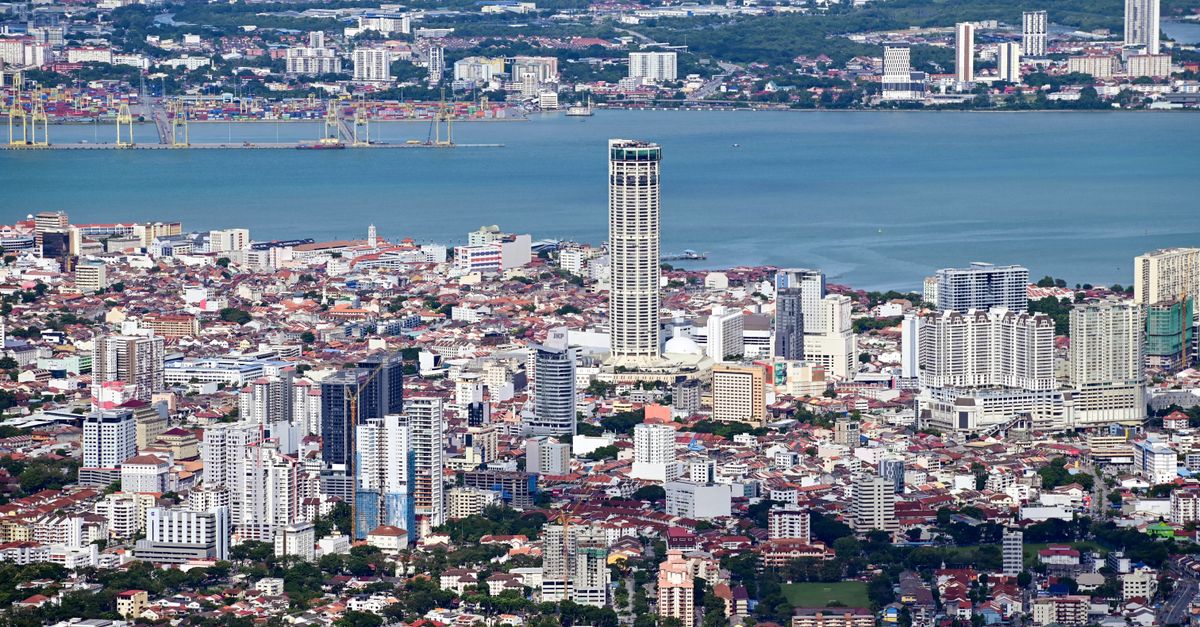
Heritage George Town — Street Art, Temples & Clan Houses
Morning (8:00 AM) — Armenian Street & Street Art: Start with Ernest Zacharevic's famous murals — "Children on a Bicycle," "Boy on a Motorbike" — scattered through George Town's heritage zone. The steel wire art installations complement the painted murals. Walk Armenian Street to Cannon Street for the densest concentration.
Mid-Morning — Khoo Kongsi: The most elaborate Chinese clan house in Malaysia (RM 10), with ornate carvings, ceramic roof ridges, and a theater stage. The Khoo clan has maintained this complex since 1851. The main hall's gold-leaf details and ceramic murals are extraordinary. Allow 45 minutes.
Afternoon — Little India & Kapitan Keling Mosque: Walk through Little India's spice-scented streets to the Kapitan Keling Mosque (free, modest dress required), the largest and oldest mosque in Penang. Continue to Sri Mahamariamman Temple, a colorful Hindu temple on the same street. This 500-meter stretch encapsulates Penang's multicultural DNA.
Evening — Gurney Drive Hawker Center: Penang's most famous hawker center fills every evening with dozens of stalls. Char kway teow (RM 7-10), Penang laksa (RM 5-8), and oyster omelette (RM 8-12) are the essentials. Eat at the plastic tables and return for seconds.
Penang Hill, Kek Lok Si & Food Trail
Morning (8:30 AM) — Penang Hill: The funicular railway (RM 30 return) climbs 833 meters in 5 minutes. Views over George Town, the Penang Bridge, and the mainland are panoramic on clear mornings. The Habitat treetop walk (RM 50) at the summit offers an elevated jungle canopy experience. Arrive early to beat the heat and crowds.
Midday — Kek Lok Si Temple: Southeast Asia's largest Buddhist temple (free grounds, pagoda RM 2) cascades down a hillside in Air Itam. The 36.5-meter bronze Guan Yin statue, seven-tier pagoda blending Chinese, Thai, and Burmese styles, and 10,000 Buddha carvings take 1-2 hours to explore.
Afternoon — Air Itam Laksa: Before leaving the area, queue at the legendary Air Itam laksa stall (RM 5) — consistently rated the best laksa in Penang. Spicy-sour mackerel broth with thick rice noodles, mint, torch ginger, and shrimp paste. The queue is long but moves fast.
Evening — Chulia Street Night Scene: George Town's backpacker street has bars, live music, and more hawker food. Love Lane and Chulia intersect in a vibrant night scene — cocktails RM 20-30, Tiger beer RM 10-15.
Beaches, Clan Jetties & Heritage Deep Dive
Morning — Clan Jetties: These Chinese waterfront villages on stilts date back 200 years. The Chew Jetty is the largest and most accessible (free). Families still live here — walk the wooden boardwalk past homes, temples, and shops built over the water.
Midday — Heritage Food Trail: Walk from Lebuh Kimberley (famous for hokkien mee and char kway teow) through Lebuh Chulia to New Lane hawker stalls. Each street specializes in different dishes. Budget RM 20-30 for a multi-course walking lunch across 3-4 stalls.
Afternoon — Batu Ferringhi Beach: A 30-minute drive to Penang's main beach strip. The water is warm but not crystal-clear (Penang is a port island). The night market along the beach road (from 6 PM) sells clothes, souvenirs, and street food. Parasailing (RM 80) and jet ski (RM 120/15 min) available.

Practical Tips
Malaysia is one of Southeast Asia's easiest countries for travelers. English is widely spoken, infrastructure is excellent, and the cultural diversity (Malay, Chinese, Indian, and indigenous communities) creates a fascinating mosaic. The Malaysian ringgit (RM) offers good value — budget RM 150-300/day for mid-range travel.
Malaysia is a Muslim-majority country with a relaxed, multicultural atmosphere. Dress modestly when visiting mosques (headscarves provided for women). Alcohol is available everywhere except in conservative rural areas. During Ramadan, non-Muslims may eat openly but should be considerate of fasting colleagues and neighbors. Malaysian hospitality is genuine and warm.
Grab (the regional ride-hailing app) is essential — it works across Malaysia for taxis, food delivery, and payments. Buy a local SIM card at the airport (RM 20-40 for 7 days with data) for navigation and booking. Malaysia's public transport varies — Kuala Lumpur has an excellent metro, but smaller cities and islands require taxis, buses, or rental vehicles.
Seasonal Highlights
Penang rewards visitors at every time of year, but the experience changes significantly by season — both in terms of weather and the festival calendar that drives much of George Town's most extraordinary spectacle. Understanding the rhythm of the year helps align a visit with Penang's most compelling events rather than arriving in the gap between them.
The George Town Festival (July-August) is Penang's premier arts and cultural event — a month-long program of theatre, dance, visual art, music, and community projects spread across heritage buildings, clan houses, and public spaces throughout the UNESCO zone. International and local artists collaborate to use the city's architecture and multicultural heritage as both backdrop and subject. Many events are free; ticketed performances sell out weeks in advance. Accommodation in George Town books solid from late June — reserve at least two months ahead if visiting during the festival.
Thaipusam (January-February, exact date varies with the Hindu calendar) is one of Malaysia's most visually dramatic festivals. Devotees carry kavadi — elaborate frameworks of steel spears piercing the skin in a state of devotional trance — in a procession from Sri Mahamariamman Temple to Nattukotai Chettiar Temple on Waterfall Road. The procession draws tens of thousands of participants and observers. Arrive by 5 AM for the departure from Mahamariamman Temple; the earliest hours have the most concentrated spiritual intensity before tourist crowds thicken.
The Chinese New Year period (January-February) transforms George Town's clan house district. Khoo Kongsi and the surrounding streets are decorated with red lanterns, lion dance troupes perform door-to-door for prosperity, and temple ceremonies run through the night. The Chingay procession — a Chinese street parade unique to Penang — features acrobats balancing enormous flags on their foreheads. Booking accommodation in December for CNY is not early enough; book in October.
Hungry Ghost Festival (seventh lunar month, typically August-September) is less a tourist event than a genuine spiritual observance — paper effigies are burned on street corners, elaborate opera performances (wayang) run on outdoor stages for the benefit of wandering spirits, and restaurants put on special banquets. Walking George Town's streets at dusk during this period, past smoking offerings and incense clouds drifting from every clan house gate, is one of the most atmospherically distinctive experiences the city offers any time of year.
Best Times to Visit & Budgeting
Timing your visit matters enormously for both weather and crowds. Peak tourist seasons bring higher prices, sold-out accommodations, and crowded attractions. Shoulder seasons (the weeks just before and after peak) often deliver the best balance — good weather, manageable crowds, and reasonable prices. Off-season travel is the cheapest but check for monsoon rains, extreme heat, or seasonal closures.
Budget planning for three days should account for accommodation (30-40% of total), food (20-25%), transport (15-20%), activities and entrance fees (15-20%), and a contingency buffer (10%). The biggest savings come from choosing accommodations wisely — a well-located mid-range hotel that eliminates taxi costs can be cheaper than a budget hotel in a remote area plus daily transport.
Travel insurance is non-negotiable. A single hospital visit in most Asian countries costs more than a year of comprehensive travel insurance (0-80 for a 2-week trip). Ensure your policy covers emergency medical evacuation — this is the expensive scenario that justifies the premium. Download your policy documents to your phone for offline access.
Currency exchange tips: ATMs generally offer better rates than airport exchange counters. Withdraw larger amounts less frequently to minimize per-transaction fees. Carry some US dollars (0-100) as universal backup — they're accepted in emergencies across most of Asia. Notify your bank of travel plans to prevent card blocks. Use a travel-specific card (Wise, Revolut) for the best exchange rates and lowest fees.
Download essential apps before arriving: Google Maps (with offline maps for your destination), Google Translate (with offline language packs), the local ride-hailing app (Grab for Southeast Asia, DiDi for China, Uber/Ola for India), and your accommodation booking confirmation. A portable battery pack (10,000-20,000 mAh) keeps your phone alive through a full day of navigation, photography, and ride-hailing.


