
Ohrid is the Jerusalem of the Balkans — a UNESCO-listed lakeside town of 365 churches (one for each day), Roman mosaics, and a medieval literary tradition that helped create the Cyrillic alphabet. The lake itself, three million years old, is one of Europe's most ancient and pristine.
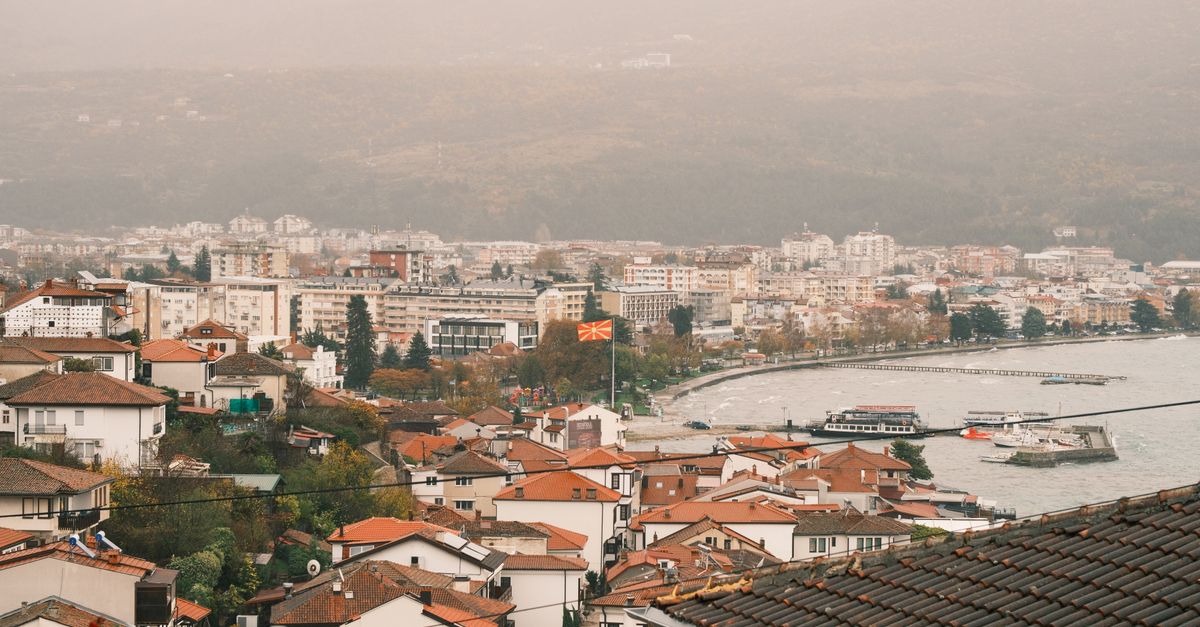
Old Town, Fortress & Lakefront
Morning (9:00 AM): Start your exploration of Ohrid with a visit to Samuel's Fortress. Take time to absorb the atmosphere and historical significance of this landmark, which defines the character of the city. The architecture and setting reward slow, attentive observation — bring a camera and comfortable shoes for the walking ahead.
Mid-Morning (11:00 AM): Continue to St. Sophia, one of the area's most compelling attractions. The cultural depth here is considerable, and you will want at least an hour to appreciate what is on offer. Local guides can provide invaluable context for understanding what you are seeing and its significance to the region.
Lunch (1:00 PM): Head to old town churches for an authentic local meal. Regional cuisine here is distinctive and affordable — expect to pay MKD8-14 for a satisfying main course with local flavours. Ask your server for recommendations and try the house speciality, which typically features seasonal ingredients sourced from nearby producers.
Afternoon (2:30 PM): Explore Ancient Theatre, where the pace slows and the city reveals its more intimate side. This area rewards wandering without a strict plan — the best discoveries come from turning down unexpected side streets, peering into courtyards, and stopping at any cafe that catches your eye.
Evening (6:30 PM): As the light softens, find a spot for an aperitivo or early evening drink with views. Then settle in for dinner at a locally recommended restaurant where traditional recipes are prepared with care. A full dinner with wine runs MKD15-25 per person and represents excellent value for the quality.
St. John Kaneo & Bay Of Bones
Morning (9:00 AM): Dedicate the morning to St. John Kaneo. This is one of the region's standout experiences, combining cultural significance with genuine beauty. The collections and exhibits here are thoughtfully curated and deserve at least two hours of unhurried attention. Early arrival means smaller crowds and better photographs.
Mid-Morning (11:00 AM): Walk to Bay of Bones, shifting the day's pace toward exploration and discovery. The streets in this area have a character distinct from the main tourist zones — more residential, more authentic, and often more architecturally interesting. Small shops and local businesses give a genuine sense of daily life here.
Lunch (12:30 PM): Eat at lake swim, where the food scene shows its depth. Markets and local restaurants here serve dishes that showcase regional ingredients and cooking traditions passed down through generations. Budget MKD8-12 for a satisfying lunch with a drink.
Afternoon (2:30 PM): Spend the afternoon at gardens and parks. This is an ideal time for a more relaxed pace — whether that means sitting in a park, browsing local shops, or visiting a gallery. The afternoon light transforms the architecture and landscape, creating ideal conditions for photography and quiet appreciation.
Evening (7:00 PM): Tonight, venture beyond the tourist centre for dinner. The best restaurants are often in residential neighbourhoods where locals eat — look for places with full tables and handwritten menus. Expect to spend MKD12-20 for dinner with local wine or beer, and savour the slower rhythms of evening dining culture here.
Boat Trip & St. Naum Monastery
Morning (9:00 AM): Use your final morning for Boat trip, which offers a different perspective on the region. Whether this involves a short journey out of the centre or a deeper exploration of an area you passed through earlier, the change of scenery provides fresh context for everything you have seen in the previous two days.
Mid-Morning (11:00 AM): Continue to St. Naum monastery. The views and experiences here are among the most memorable the area offers, and the timing — late morning, with the sun high and the light clear — shows everything at its best. Take your time and resist the urge to rush through to the next thing.
Lunch (12:30 PM): Settle in for a proper Galičica hike. This is your last chance to sample the local cuisine, so order generously and try anything you have been meaning to taste. Local specialities run MKD8-15 for main courses, and the relaxed midday atmosphere encourages lingering over an extra coffee or glass of wine.
Afternoon (2:30 PM): Spend the afternoon revisiting favourite spots or exploring anything you missed. Every city and region has layers that reveal themselves only on the third day — return to the places that moved you most, or seek out the quiet corners that guidebooks overlook. The best travel memories often come from these unplanned final hours.
Evening (6:30 PM): A farewell dinner at a special restaurant caps the trip. Choose somewhere that represents the best of local cuisine and ambiance — a place where the food, setting, and service combine to create a lasting memory. Budget MKD20-30 for a memorable final meal with wine, and toast to a destination that deserves a return visit.
Budget Breakdown (Per Person, 3 Days)
| Category | Budget (MKD) | Mid-Range (MKD) | Luxury (MKD) |
|---|---|---|---|
| Accommodation (3 nights) | MKD 1,500 | MKD 4,500 | MKD 12,000 |
| Food & Drinks | MKD 1,200 | MKD 3,000 | MKD 8,000 |
| Transport | MKD 300 | MKD 800 | MKD 2,000 |
| Activities & Entry Fees | MKD 400 | MKD 1,000 | MKD 2,500 |
| Total 3 Days | MKD 3,400 | MKD 9,300 | MKD 24,500 |
Local Culture & Etiquette
Ohrid sits at the intersection of Orthodox Christianity, Ottoman heritage, and a fiercely proud Macedonian identity, and navigating its cultural codes with respect makes an enormous difference to how warmly you are received. The town has 365 churches — one for every day of the year, according to local legend — and many remain active places of worship visited by locals daily, not just tourist attractions. When entering any church, particularly the Cathedral of Saint Sophia or the Church of St. John at Kaneo, cover your shoulders and knees; a light scarf kept in your daypack solves this in seconds. Photography is usually permitted inside, but always turn off your flash and step back if a service is in progress.
The lakefront promenade — known simply as "the Riviera" — is the social centre of Ohrid life, particularly in the evenings when three generations of the same family stroll together in a ritual that has no beginning or end time and needs no destination. Join it slowly. Do not rush. The concept of sitting at a waterfront cafe for two hours over a single Macedonian coffee (ask for "domaćo kafe" — strong, unfiltered, served in a džezva pot) and watching the lake change colour is not laziness; it is the point.
Bargaining is uncommon in restaurants and shops, but expected at the open-air market on Klimenta Ohridski Street, where vendors sell embroidered linen, handmade silver filigree jewellery, and the locally harvested Ohrid pearl — a distinctive product made from the scales of the endemic Ohrid bleak fish, not oysters. Prices here are already low by European standards (a filigree bracelet starts at around 300 MKD, roughly €5), but a friendly haggle and genuine interest in the craft is always appreciated.
Lake swimming from the public beaches and the rocky platforms below the old town churches is central to summer life in Ohrid. The lake is exceptionally clean by Balkan standards — EU water quality standards are routinely met — and locals swim from May through September. A few beaches, including Gradište and Sv. Stefan south of town, charge a small sunbed fee (200–400 MKD), but many rocky entry points are entirely free. Respect the lake by not using sunscreen immediately before swimming in the shallower areas, as it harms the endemic flora.
Macedonia runs on hospitality. If a local invites you for rakija (fruit brandy, usually grape or quince), accepting at least a symbolic sip is far more polite than declining. Meals are communal events; dishes are almost always ordered to share, and insisting on eating alone from your own plate can read as standoffish. Learn two words — "Blagodaram" (thank you) and "Živeli" (cheers) — and you will generate goodwill in every establishment you enter.


