Montreal is the great underrated value destination of North America. While Toronto and Vancouver have drifted into eye-watering expense, Montreal — Canada's second-largest city and its cultural heart — remains genuinely affordable by any international standard. The food is exceptional and cheap: poutine for CAD 13, the world's best bagels for under CAD 2, smoked meat sandwiches that justify transatlantic flights for CAD 15–18. Rent is lower, beer is cheaper, and the festival calendar runs from June through September with enormous free outdoor events that cost nothing beyond the bus fare to get there. With careful choices, budget travellers can live extremely well in Montreal on CAD 75–100 per day including accommodation. This is the guide that shows you how.
Getting There on a Budget
Montréal–Trudeau International Airport (YUL) sits 20 kilometres west of downtown in the suburb of Dorval. Unlike Vancouver, Montreal does not have a direct SkyTrain-style rapid transit connection to the airport — a fact that has frustrated the city for decades and remains unresolved. The practical solution is the 747 Express STM bus, which runs 24 hours a day, seven days a week between the airport and Berri-UQAM station in the heart of downtown. The fare is CAD 11 (payable by exact cash, a 10-trip CAD STM ticket, or OPUS card) and the journey takes 45–60 minutes depending on traffic. Stops include Guy-Concordia and several other central Metro stations, making it convenient for accommodation throughout the Plateau, downtown, and Mile End. Taxis from YUL to central Montreal cost CAD 55–70 on the meter; rideshares (Uber operates in Montreal) run slightly less, typically CAD 40–55. Neither makes budget sense for solo travellers.

Flying into Montreal cheaply from elsewhere in Canada or the US is generally more achievable than flying into Vancouver. Air Transat and Swoop both offer lower-cost fares, and Montréal's role as a major transatlantic hub means competition from Air France, Corsair, and Moroccan carriers keeps prices to Europe lower than from most North American cities. From New York, the Greyhound or FlixBus bus connection runs in the CAD 30–60 range and takes 7–8 hours. Amtrak's Adirondack train from Penn Station is a beautiful 10-hour journey for around CAD 60–90 USD, depositing you at Gare Centrale in the heart of downtown, directly above the Bonaventure Metro station.
From Toronto, the Via Rail train is a pleasant 5-hour journey for CAD 60–120 depending on advance booking, while FlixBus or Megabus can run as low as CAD 20–35 for budget-conscious travellers willing to accept a slightly longer journey time. Ottawa to Montreal by Via Rail is under two hours and frequently under CAD 40 booked in advance. Montreal is exceptionally well-connected by rail and intercity bus, and the downtown terminus location makes arrival seamless.
Budget Accommodation
Montreal's hostel and budget hotel scene is one of the best in Canada, concentrated in the Plateau-Mont-Royal, downtown, and Old Montreal areas. HI Montreal on Mackay Street in the downtown core is the flagship budget option: clean, well-run, with a bilingual (English/French) staff, communal kitchen, lounge areas, and dorms from CAD 35–50/night for HI members. It's centrally located within walking distance of the Metro and most downtown sights. The Auberge Bishop on Bishop Street (hence the name) is a smaller, quieter alternative in the same neighbourhood, with a more relaxed vibe and dorms from CAD 38–52.

M Montréal (formerly Auberge de la Fontaine) offers a step up in comfort: private rooms from around CAD 95–130 in a beautiful Victorian house on Rachel Street East facing Lafontaine Park in the Plateau. It's a genuine neighbourhood-level experience rather than a hotel-strip stay and justifies the slightly higher cost for travellers wanting privacy. The Plateau itself — centred on Saint-Laurent Boulevard and Mont-Royal Avenue — is the ideal neighbourhood for budget accommodation: walkable, full of excellent cheap restaurants and cafés, connected directly to the Metro at Mont-Royal station, and representative of the real Montreal rather than the tourist-facing version.
Airbnb and short-term furnished rooms in the Plateau, Mile End, and Rosemont neighbourhoods consistently undercut comparable spaces in Toronto and Vancouver by 30–40%. A private room in a shared apartment in Mile End runs CAD 70–90/night even during the summer festival season, and entire one-bedroom apartments can sometimes be found in the CAD 90–120 range in the shoulder season. University of Montreal (UdeM) and McGill University both open student residences to visitors in summer from around CAD 55–80/night — basic but well-located. McGill's residences in particular sit on the slopes of Mont Royal, 15 minutes' walk from downtown.
Eating Cheaply Like a Local
Montreal's food culture is one of the great pleasures of North American travel, and unlike most cities where "food culture" translates into expensive restaurants, Montreal's culinary identity is built around democratically priced institutions that have been feeding everyone from students to construction workers for generations.

Poutine is the starting point. La Banquise on Rachel Street East is the temple: open 24 hours a day, seven days a week, serving 30+ varieties of poutine (the classic is cheese curds, gravy, and fries; the additions range from bacon to pulled pork to foie gras) for CAD 13–19. The queue on weekend nights stretches down the block — go late on a weekday to avoid it. Chez Ashton (more of a chain but beloved in Quebec City and with Montreal locations) runs cheaper. Poutine trucks downtown offer variations from around CAD 10–12.
The Montreal bagel debate is mandatory cultural participation. St-Viateur Bagel on Saint-Viateur Street in Mile End and Fairmount Bagel on Fairmount Avenue have waged a semi-serious war for supremacy since the 1950s. Both bake in wood-fired ovens, both are sweeter and denser than New York bagels, and both charge roughly CAD 1.50–1.90 per bagel. Buy a half-dozen of each, eat them side by side, and form your own opinion. Smoked meat at Schwartz's Charcuterie Hébraïque on Saint-Laurent Boulevard is a Montreal institution at CAD 15–18 for the sandwich — lean or fat, your call, but the regulars order medium.
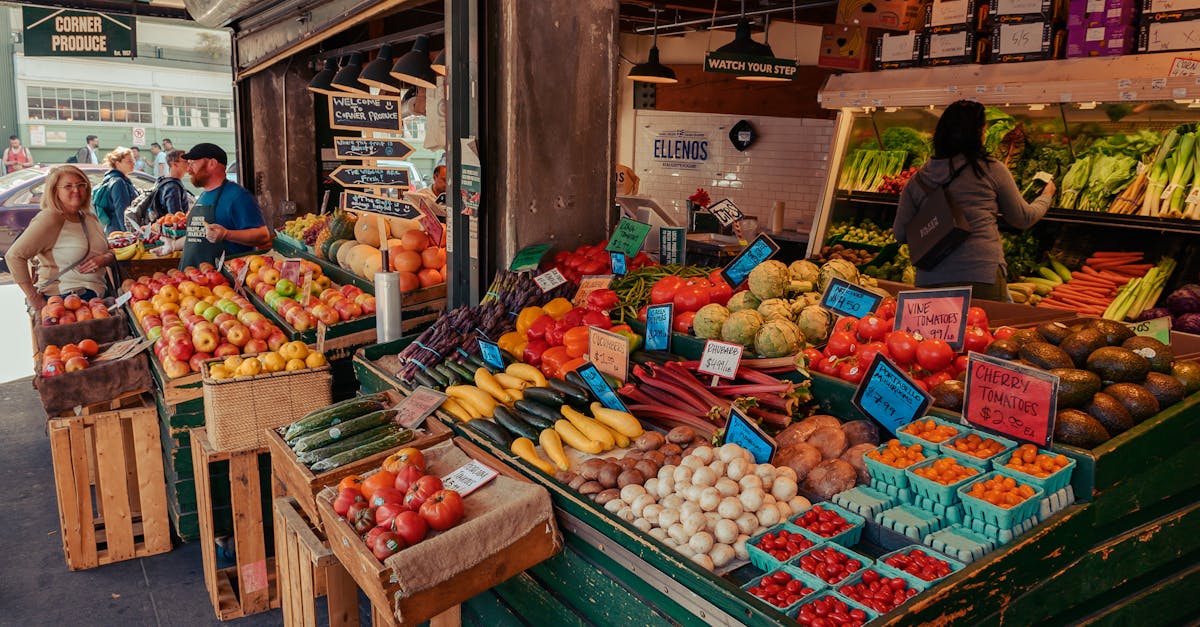
Jean-Talon Market in the Little Italy / Mile End area (Métro Jean-Talon on the Orange Line) is the city's premier public market and one of Canada's finest. Free to browse, the outdoor stalls overflow with Québec produce, maple syrup in every format, specialty cheeses, and prepared foods. The surrounding streets of Little Italy offer exceptional value Italian and Portuguese cafés — a full espresso and croissant for CAD 5–7, and lunch at any of the Portuguese spots on Dante Street for under CAD 15. Marché Atwater near Lionel-Groulx Metro is smaller but equally high-quality. For the cheapest sit-down meals in the city, look for the table d'hôte at any neighbourhood brasserie — a set-price two or three-course lunch running CAD 14–20 is common and represents extraordinary value.
Free & Low-Cost Attractions
Montreal is exceptionally generous with its free attractions. Mont Royal Park — Parc du Mont-Royal — is the city's signature public space, designed by Frederick Law Olmsted (the same landscape architect behind New York's Central Park) and offering panoramic views of the skyline, the Saint Lawrence River, and on clear days, the Adirondacks in New York State. The summit is a 30–40 minute walk from the corner of Peel and Avenue des Pins, or a 10-minute walk from the Camillien-Houde Belvedere parking area. Go at sunrise or sunset for the full effect, particularly in October when the maple trees colour the mountain in red and gold. Free, always.

The Old Port (Vieux-Port) waterfront along the Saint Lawrence is free to walk and offers some of the finest public riverfront space in North America. The historic stone buildings of Old Montreal (Vieux-Montréal) back onto it, and wandering the cobbled streets of the old city costs nothing — Place Jacques-Cartier, rue Saint-Paul, and Pointe-à-Callière archaeology museum (CAD 25, but free on the first Tuesday evening of each month) are all here. Notre-Dame Basilica charges CAD 15 for entry — expensive for a church, but the interior is genuinely spectacular, one of the most ornate Gothic Revival interiors on the continent. Worth it on a rainy day.
The Plateau's famous outdoor staircases and the street art of the Mile End are free neighbourhood galleries. The murals along Saint-Laurent Boulevard and in the alleys off Bernard Avenue represent some of the finest urban art in North America. The Musée des Beaux-Arts de Montréal (MMFA) offers free admission to its permanent collection — only ticketed exhibitions cost extra. Botanical Garden entry is CAD 22, but the surrounding Maisonneuve Park and the Olympic Park exterior are free to explore. In summer, the Festival International de Jazz de Montréal puts on hundreds of free outdoor concerts — it's one of the largest jazz festivals in the world and the majority of performances are completely free.
Getting Around on a Budget
Montreal's Société de transport de Montréal (STM) operates the Metro and a dense network of buses that cover the island effectively. A single Metro or bus fare costs CAD 3.75, and a one-day pass (CAD 11) covers unlimited trips for 24 hours. The OPUS card is the reloadable smart card equivalent of Vancouver's Compass Card — buy one at any Metro station for CAD 6 (non-refundable) and load it with individual fares or passes. The 3-day pass (CAD 21) and the weekly pass (CAD 30.50) represent the best value for visitors staying four or more days.

The Metro has four lines — Orange, Green, Yellow, and Blue — and the network covers most of the inner city efficiently. The Orange Line is the workhorse, connecting the airport bus terminus at Bonaventure, downtown, the Plateau (Mont-Royal station), Mile End (Laurier station), and Little Italy/Jean-Talon Market (Jean-Talon station). The Green Line serves Old Montreal, the East End, and connects at Berri-UQAM with the Orange Line. The Yellow Line crosses the Saint Lawrence to Longueuil on the South Shore.
Montreal is a genuinely excellent cycling city. BIXI (Montreal's bike share system, CAD 10 for a 24-hour pass or CAD 1 per 30-minute trip) has hundreds of stations throughout the island and the cycling infrastructure, particularly on the Plateau and along the Canal Lachine, is well-developed and safe. The Canal Lachine cycling path (free, runs from Old Montreal to Atwater Market and beyond) is one of the finest urban cycling routes in Canada.
Money-Saving Tips
Montreal is already North America's best-value major city for travellers, but these seven habits will push your daily spend firmly below CAD 90.
Use BYO wine restaurants consistently. Dozens of excellent Montreal restaurants operate on an apporter votre vin (BYO) licence. A CAD 12–18 bottle from the SAQ (Quebec's government liquor store) makes a mid-range dinner date feel special without the usual wine markup. Eat your main meal at lunch, not dinner. The table d'hôte lunch (typically CAD 14–20 for two or three courses) at almost any brasserie, French bistro, or neighbourhood restaurant represents the best value proposition in the city. The same restaurant charges 30–40% more for the same food at dinner. Attend free festival concerts. The Jazz Festival alone puts on 350+ free outdoor concerts over 11 days. Check the schedule and plan specific shows rather than wandering — headline shows in the outdoor stages are legitimately excellent. Buy groceries at IGA or Metro rather than eating every meal out. Breakfast in particular is easy and cheap from a grocery store — Québec cheese, local bread, and fruit from Jean-Talon Market cost a fraction of café prices. Walk the Plateau instead of taking the Metro. Rue Saint-Laurent from Sherbrooke to Mont-Royal Avenue, and any cross-street heading east or west, passes through some of the best free neighbourhood scenery in Canada. Many attractions within the Plateau and Mile End are 20–30 minutes' walk from each other. Visit the MMFA on free admission days. The permanent collection at the Montreal Museum of Fine Arts is consistently underrated and available without charge. Take the number 80 bus (Parc Avenue) instead of the Metro for a street-level tour of the Plateau from downtown to Jean-Talon Market for a single fare of CAD 3.75.


