
Koh Samui has a reputation as Thailand's second-biggest beach resort island — beaches, rooftop bars, full moon parties (that's actually Koh Phangan next door). The reputation is accurate in its way, but the island that exists behind the Chaweng Beach resort strip is considerably more interesting. Samui was a coconut-growing island for most of its history, and the plantation culture, the Chinese-Thai fishing communities, the inland forest temples, and the ring road that circumnavigates the island through villages that have never been visited by a package tour form a parallel Samui that is accessible to anyone willing to rent a scooter and explore.
This guide is for travelers who want more from Koh Samui than beach time — though the beach time is genuinely excellent and the Gulf of Thailand's eastern facing coastline (protected from the main monsoon swells) offers some of Thailand's most swimmable water year-round. The island's interior, its quiet west and north coasts, its surrounding smaller islands, and its food beyond the tourist restaurant strip reward exploration consistently.
Ten places in and around Koh Samui where the island's genuine character comes through — most of them accessible by rented scooter, most of them off the tourist map.
1. Namuang Waterfall — The One in the Forest Interior
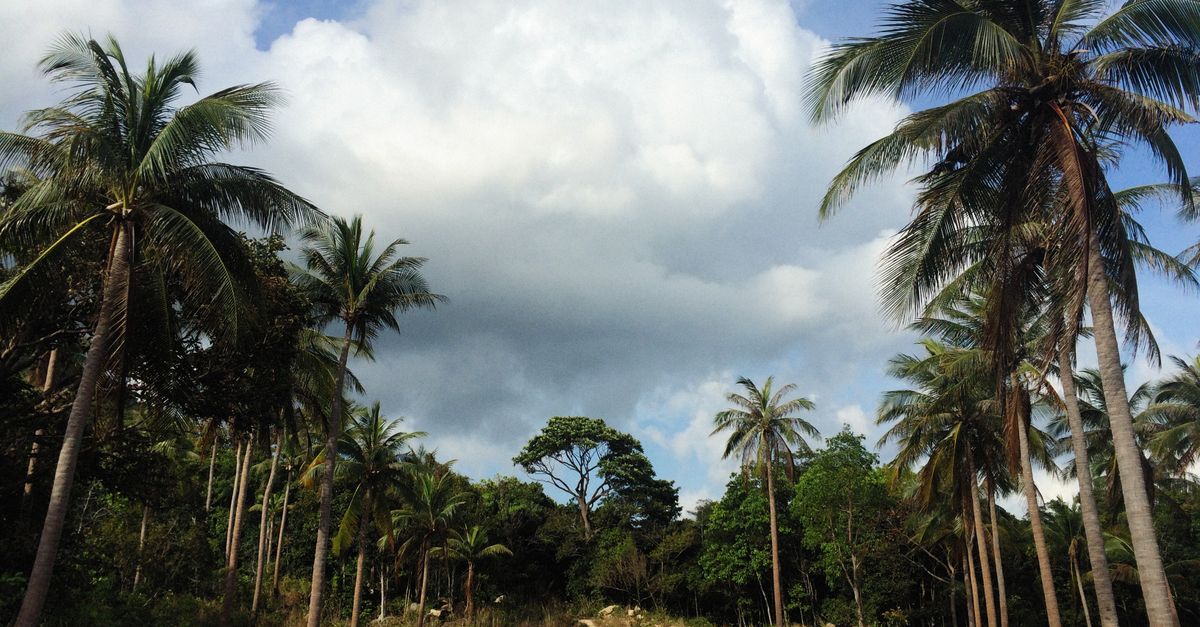
Koh Samui's interior is covered in dense tropical forest, and the road that climbs from the coastal ring road into the central hills reveals a different island: cooler, quieter, smelling of decaying leaves and orchid flowers rather than sunscreen. Namuang Waterfall (there are two — Namuang 1 and Namuang 2, with the upper fall being more dramatic) is one of the finest inland escapes on any Thai island. Namuang 2, accessible by a 1.3km forest trail from the car park of Namuang 1, descends 18 meters into a natural pool deep enough for swimming and cool enough to be genuinely refreshing even in the Thai high season. The trail passes through orchid-rich forest and the sound of water builds before the falls come into view.
The key is timing: arrive before 9am on a weekday and you will be entirely alone. After 10am the trails fill with organized tours from the beach hotels who include Namuang in their island circuits. The morning light on the falls — direct sun hitting the main cascade while the surrounding forest is still in deep shade — creates one of the finest photographic conditions on the island. The swimming pool at the base of Namuang 2 is cold enough in the early morning to require a moment's commitment before entry, and therefore all the more satisfying when you're in it.
Namuang Waterfall is in the island's interior, accessible from the Namuang Waterfall park entrance on Route 4169, approximately 11km from Nathon Pier (the ferry terminal) and 13km from Chaweng. Scooter from Chaweng takes about 20 minutes. Entry free (small parking fee of 20 THB). The Namuang 1 pool is accessible without a trail; Namuang 2 requires the 1.3km hike. Wear proper footwear — the trail is rocky and wet in sections. Bring water; there are no facilities along the trail.
The interior road system around Namuang, particularly Route 4169 south toward Hua Thanon and the Muslim fishing village, passes through the island's most unspoiled agricultural and forest landscape. The coconut plantations here produce the samui coconut (known for its distinctive sweetness) that has been farmed since the 19th century and still represents the island's agricultural identity despite the tourism economy. Fresh coconuts from roadside sellers cost 30–50 THB.
2. Hua Thanon Fishing Village — The Muslim South Coast
Hua Thanon village on Koh Samui's south coast is one of the island's oldest Muslim fishing communities — the Thai-Malay Muslim community here has maintained its fishing culture, its religious life, and its traditional food culture largely independently of the resort tourism that has colonized most of the island's coastline. The village market (active from 5am) sells the freshest southern Thai seafood at the lowest prices on the island, and the food stalls around the market serve the southern Thai Muslim breakfast (roti with yellow curry, murtabak, and biryani rice) that is different from the northern Thai food served in tourist restaurants.
The village's old temple-mosque combination — the Samui Islamic Community Development Center — and the traditional Thai-Malay houses along the main road show a architectural tradition quite different from the Chinese-Thai Buddhist design that dominates northern Samui. Walking the village in the early morning, when the prayer call from the mosque mingles with the smell of fresh fish being prepared and the sound of boat engines starting in the harbor, is one of Koh Samui's most genuinely local experiences.
Hua Thanon is on Route 4169 on the south coast, 18km from Chaweng. Scooter from Chaweng takes about 25 minutes. The market is most active 5–9am. No tourist infrastructure; all prices in Thai. The fish stalls can be navigated by pointing at what looks good and accepting the weight-based pricing (usually 100–200 THB/kg). The village's signature dish, khao yam (a southern Thai herb salad with dried fish and toasted coconut), costs 50–80 THB at the market stalls and is the best version available anywhere on the island.
The coastline east and west of Hua Thanon is largely undeveloped — small beaches without chairs or vendors, used by local fishing families. The road south along the coast from Hua Thanon toward Laem Sor (the southernmost tip of the island, with a small Buddhist pagoda on a rocky cape) passes through this undeveloped coastal landscape and has occasional beach access points that are genuinely isolated.
3. Nathon Town — The Island Capital Nobody Visits
Nathon is Koh Samui's administrative capital and main ferry port, and virtually every tourist passes through it without stopping. This is a mistake. Nathon's shophouse street along the waterfront is one of the finest surviving examples of Straits Chinese commercial architecture in the Gulf of Thailand — a series of two- and three-story shophouses with continuous covered walkways, painted in the faded pastels that indicate genuine age rather than restoration, housing businesses that have operated from the same addresses for generations: goldsmiths, Chinese medicine halls, hardware stores, and the ferry company offices whose scale hasn't changed since the 1970s.
The morning wet market behind the shophouse street (accessed through an alley between the buildings) is the best market on the island — full of produce that reflects actual island agriculture rather than the imported goods of tourist supermarkets. The coconut vendors, the fresh fish sellers with their Gulf of Thailand catch, and the morning food stalls producing kway teow (rice noodle soup), khao man gai (poached chicken rice), and the Hainanese-style breakfast that the Chinese-Thai community here has maintained unchanged for decades. A complete breakfast here costs 60–100 THB and is two or three times better than the tourist breakfast at three times the price in Chaweng.
Nathon is on the west coast, 12km from Chaweng. Scooter from Chaweng takes 20 minutes. The ferry from Surat Thani docks here; the Raja Ferry also operates from the pier. Market active 5–10am. The shophouse streets are interesting at any daylight hour; the light from 7–9am when the sun is still at an angle to illuminate the facades is the best for photography. The Nathon waterfront in the evening, when Thai families promenade along the sea wall and the fishing boats are lit in the harbor, is the island's finest free evening activity.
Nathon has the island's best value Thai food at the night market (pasar malam equivalent) that sets up along the main road Fridays and Saturdays from 6pm — southern Thai dishes at Thai prices rather than tourist prices, costing 40–80 THB for complete dishes versus the 200–400 THB in Chaweng's tourist restaurants. The quality difference is meaningful.
4. Wat Khunaram — The Mummified Monk
Wat Khunaram, on the inland road through the center of the island, is a functioning Buddhist monastery that houses the mummified remains of the revered monk Luang Pho Daeng, who passed away in 1973 and whose body (preserved in a glass case in a special pavilion) remains an important pilgrimage point for Thai Buddhist visitors. This sounds macabre but is, in practice, a dignified and moving tribute to a monk of exceptional reputation — the preservation is understood by Thai Buddhists as evidence of his spiritual attainment, and the pilgrims who arrive from across Thailand to pay their respects engage with it as an act of devotion rather than spectacle.
The temple grounds themselves are genuinely beautiful: large, well-maintained, with mature trees and a variety of temple buildings in different styles. The main bot (ordination hall) has excellent contemporary Thai Buddhist murals. The small garden at the rear of the compound, less visited than the front areas, has the contemplative quality that the tourist-facing areas sometimes lack. On Buddhist holy days (wan phra, occurring on the lunar 8th, 15th, 22nd, and last days of the lunar month), the temple fills with white-clad devotees and the sound of chanting creates a genuinely meditative atmosphere.
Wat Khunaram is on Route 4169 in the island's interior, about 12km from Chaweng and 14km from Nathon. Scooter from Chaweng takes about 15 minutes via the inland road. Free entry. Dress modestly (cover shoulders and knees). The temple is open daily from dawn; the mummified monk pavilion from 8am–5pm. The temple market outside the gates sells fresh fruit, flowers, and incense for offerings — good quality coconut palm sugar (from local farms) and raw honey at prices far below tourist shop equivalents.
The inland road between Wat Khunaram and the Namuang Waterfall passes through the island's most traditional agricultural landscape — the coconut plantation estates (suans) that are still worked by a declining number of family farmers, some using the trained macaques (ling pak) that have been used to harvest coconuts in southern Thailand for over 500 years. The sight of a trained macaque climbing 30-meter palms and selecting ripe coconuts is one of the more extraordinary traditional agricultural practices remaining in the Gulf of Thailand region.
5. Ang Thong National Marine Park by Kayak
The Ang Thong National Marine Park, 30km north of Koh Samui, is a protected archipelago of 42 islands with turquoise lagoons, limestone karst formations, and deserted beaches. It is technically famous — tour boats from Samui run day trips regularly. But the experience of the park from a tour boat (arrival with 50 other tourists, 90 minutes of organized snorkeling, departure) and the experience by kayak (paddling between islands, entering the sea caves at water level, discovering beaches accessible only from the water) are entirely different propositions. Several operators run kayak-focused tours of Ang Thong that replace the speed boat with a slower mother ship and deploy kayaks for exploration of specific areas.
The famous Emerald Lake (Thale Nai) in the center of Ko Mae Ko island — a saltwater lake inside a cliff-ringed basin, connected to the sea through subterranean channels and therefore perfectly calm while the sea outside may be rough — is most dramatic when seen from above after a 10-minute climb from the beach. The blue-green color is so intense it appears artificial. The coral garden off Ko Sam Sao (one of the smaller islands in the eastern section) is the finest reef in the park and requires a kayak to access from the beach rather than a boat. Both experiences are unavailable on standard group tours.
Day tours to Ang Thong depart from Maenam or Nathon Pier on Koh Samui, typically 7:30am–5:30pm. Standard tour: 1,500–2,000 THB including boat, park fee, and lunch. Kayak-focused tours: 2,200–3,000 THB with operators including Blue Stars and SailRock. Park entry is included in tour prices (was 300 THB/person separately). The park is open year-round but tours cancel in rough weather. Book 1–2 days in advance from Samui; same-day booking sometimes available but not reliable. The best months for calm water and clear visibility: December to May.
Overnight camping in Ang Thong National Marine Park is permitted at the ranger station on Ko Wua Talap (the park headquarters island) — bring your own tent or rent one from the park (200 THB). Staying overnight allows the park completely to yourself after the tour boats leave at 4pm and before they arrive at 10am the following morning — the experience of having 42 islands entirely to yourself is not a metaphor.
6. Mae Nam Beach — The North Coast's Quiet Secret
Mae Nam Beach, on Koh Samui's north coast, is 6km long, has a handful of genuinely good restaurants and small hotels, and receives a fraction of Chaweng's visitors. The beach faces directly north across the Gulf of Thailand toward Koh Phangan — on clear days you can see the dark hills of that island 12km away. The water on Mae Nam is calmer than the east coast, the beach is wider, and the vibe is entirely different from the resort strip: this is where people come who want a beach but not the performance of a beach. The sunset side of the island (Nathon) is 10 minutes west; the tourist zone (Chaweng) is 15 minutes east. Mae Nam has no reason to exist as a compromise; it is simply better than both for what it is.
The village of Mae Nam itself, set back from the beach, is the island's best traditional market village — a small but genuine wet market, Chinese shophouses, and the most authentic Thai restaurant cluster on the island. The Khanom chin stalls (rice noodle in fresh coconut milk curry, a distinctly southern Thai breakfast) are active 6–9am and serve the finest version of this dish available on Samui at 50–80 THB per bowl. The Mae Nam waterfront restaurants, generally on the beach road, serve seafood at prices that haven't fully adjusted to the tourist economy: grilled prawns 200–350 THB, steamed fish 250–450 THB for a whole fish depending on size.
Mae Nam is on the north coast, accessible by scooter from Chaweng (15 minutes east). The beach runs from approximately the pier area west toward Bophut. No admission fee. The central Mae Nam beach section, around the main road beach access, is the widest and most swimmable. Evening at Mae Nam (5–7pm) is particularly pleasant: the light facing west from this north-facing beach goes golden, the fishing boats visible in the channel to Koh Phangan, and the beach restaurants setting up their tables on the sand for dinner. Arrive early to claim a beachside table as the better restaurants fill quickly at sunset.
Walking from Mae Nam east along the beach road to Bophut village takes about 25 minutes and passes through the Fisherman's Village development — a strip of bars, boutiques, and restaurants in converted traditional fishing houses that is considerably more atmospheric than Chaweng's main strip and serves better cocktails at roughly the same price. The Friday night street market in Bophut is one of the island's best organized weekly events.
7. Big Buddha Temple (Wat Phra Yai) at Dawn
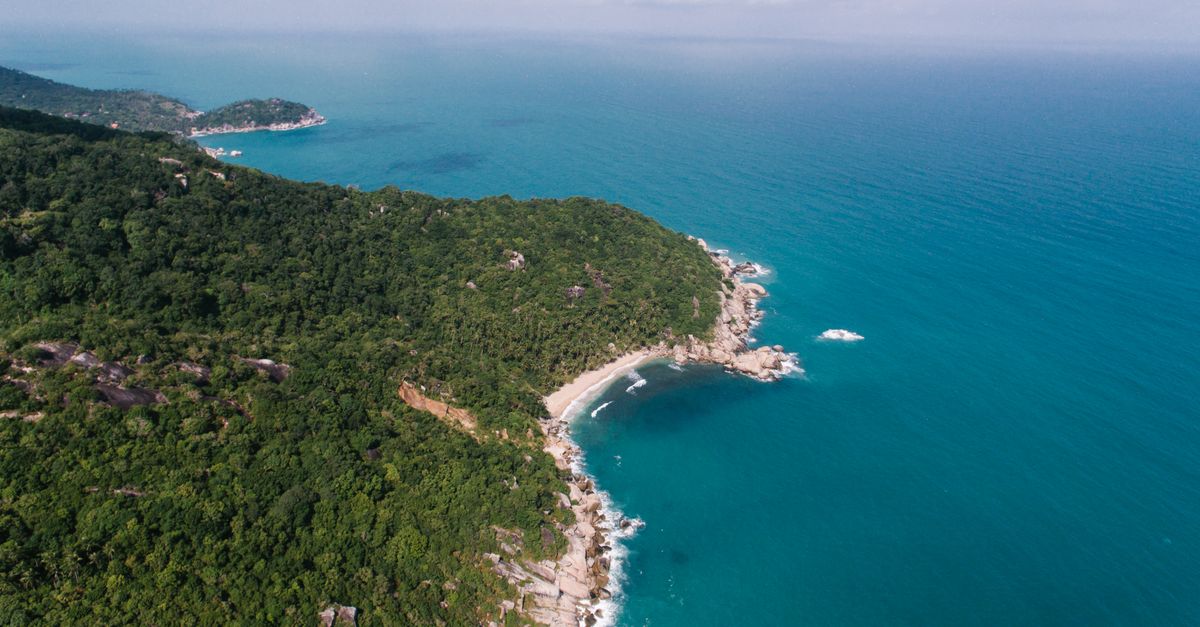
The Big Buddha, a 12-meter golden image seated on a tiny island connected to the northeast coast by a causeway, is one of Koh Samui's main landmarks and appears in every island photograph. It is heavily visited between 9am and 4pm. But at dawn, when the monks are conducting morning prayers in the temple halls adjacent to the statue, and the causeways approach is lit with a soft light and empty of the souvenir sellers who set up from 9am, the Big Buddha has the quality of serenity that large religious images achieve when their visitors are devotees rather than tourists. The sunrise reflected in the Gulf of Thailand water below the causeway, with the golden image catching the first horizontal rays from the east, is one of Samui's finest morning photographs.
The temple complex around the Big Buddha statue has several structures beyond the famous image: a collection of smaller Buddha images in the pavilion area, bell towers, and the monks' quarters where the morning ritual can be observed (not photographed) by visitors who sit quietly in the grounds. The small market at the base of the causeway staircase, selling flowers and incense for temple offerings, is operated by local Thai families rather than the tourist market vendors, and the items available reflect actual religious practice rather than souvenir production.
Wat Phra Yai (Big Buddha Temple) is on the northeastern coast near the Samui International Airport, accessible by scooter from Chaweng (15 minutes north). Free entry. Open daily 6am–8pm. Dress code enforced: covered shoulders and knees required — scarves are available to borrow at the temple entrance. The causeway approach is about 100 meters across the sea. The golden hour immediately after sunrise (approximately 6:30–7:30am) is the finest time for photography and the emptiest time for prayer. The adjacent Wat Plai Laem temple, 200m west, has an 18-armed Guanyin goddess statue over a lotus pond that is even more impressive than the Big Buddha and consistently overlooked by visitors concentrating on the more famous image.
The coastline around Big Buddha Bay has the most active fishing activity on the island's northeast coast — the bay is sheltered and the reef fish concentration is high. Several snorkeling spots are accessible by swimming from the beach on the west side of the causeway, though the water clarity is moderate rather than excellent. Early morning snorkeling (7–9am, before boat traffic begins) is the most rewarding.
8. Samui's Interior Waterfall Trail — Forest Walks
Beyond the famous Namuang falls, Koh Samui's interior has several smaller waterfalls and forest trails that see virtually no foreign visitors. The Hin Lad Waterfall, accessible from Route 4169 near Bophut on the north coast, requires a 45-minute walk through palm forest and is most dramatic in the rainy season (October–November). The Than Sadet Waterfall in the island's central forest is more remote and harder to reach without a guide but has a sequence of pools at different elevations that creates a 3-hour circular walk. The Forest Research Station road south of Namuang provides access to the island's primary forest reserve — the highest elevation section of Samui's central hills, where the vegetation changes from coconut palm to genuine tropical forest.
The bird life in Samui's inland forest is the finest on the island — considerably richer than the beach zone's scattered trees. Hornbills (both Great and Oriental Pied) nest in the large fig trees of the interior; several kingfisher species hunt the forest streams; and the brown-throated sunbird, specific to the Gulf of Thailand islands, is common in the flowering trees of the lower forest margins. The morning hours (6–8am) are the peak activity period for forest birds before the heat drives them to shade.
Hin Lad Waterfall access: from the Bophut Pier area, take the inland road south (signposted for Hin Lad) approximately 3km to the trail head. Free entry. Trail: 1 hour round trip. Best after recent rain when the falls are full. Bring water, insect repellent, and closed shoes. The Than Sadet trail requires a guide — contact Samui's ecotourism office (www.tourismsamui.com) for current operators. Full-day forest walk including guide, transport, and lunch: approximately 1,500–2,000 THB per person. The interior roads are also excellent for experienced motorbike riders wanting to explore beyond the ring road.
The coconut processing facilities visible from the inland roads are where the island's agricultural identity continues — automated dehusking machines, copra drying yards, and the small coconut oil mills that process the kernels into the oil used throughout Thai cooking. Several farms welcome visitors for an informal explanation of the process; the coconut sugar production (from the sap of palm flowers, not coconut meat) at the farms near Hua Thanon is particularly interesting and results in a product (fresh palm sugar) that has no equivalent in supermarket coconut sugar.
9. Ko Tan — The Undeveloped Offshore Island
Ko Tan (Coral Island), a tiny island 6km south of Koh Samui, has been protected from development by its status as a marine national park zone and has consequently remained in a state that Koh Samui itself resembled 40 years ago: a few small guesthouses run by fishing families, no vehicles, no loud music, excellent snorkeling in the surrounding reef, and a white sand beach that is as clean and uncrowded as any in Thailand. The island has a small community of about 200 residents and receives day trippers from Samui but no significant resort development.
The snorkeling around Ko Tan is the finest easily accessible reef diving near Koh Samui — the coral health is substantially better than around Samui itself, with hard coral coverage that has been recovering since the park designation limited damaging boat anchoring. Green sea turtles are regularly encountered around the southern tip of the island, where the seagrass beds provide their primary feeding ground. The snorkeling from the beach at the island's eastern bay is accessible to confident swimmers without a boat — wade out 20 meters and the reef begins.
Ko Tan is accessible by longtail boat from Thong Krut village on Samui's south coast (50 THB each way, 20 minutes), or by speedboat from the Nathon Pier area (more expensive). The island has two or three guesthouses in the village (600–1,200 THB/night, basic but adequate). Staying overnight allows morning and evening reef time without the day-trip crowds. No entry fee for the island. The beach BBQ that some guesthouses operate for guests in the evening (400–600 THB for fresh seafood) is among the best dining experiences near Samui. Boats back to Samui from Thong Krut run until about 5pm; last boat is important to catch.
The other small island nearby, Ko Mud Sum, is entirely uninhabited and has excellent snorkeling off its northern coast — accessible by renting a longtail boat from Ko Tan (500–800 THB for a half-day from the island's fishermen) for a self-directed reef exploration that has no other participants beyond your group.
10. Samui's Local Markets — The Ring Road Circuit
The ring road around Koh Samui (Route 4169) connects every major community on the island and passes through a series of local markets that together represent the island's actual food and social culture: the morning market in Nathon (7am, fresh produce), the fish market at Hua Thanon (6–9am, Gulf of Thailand catch), the inland market near Wat Khunaram (7–10am, agricultural produce from the coconut farms), and the evening street market in Bophut (Friday nights, 5–10pm). Doing the full circuit in order requires a full day, but segments of it are rewarding at any pace.
The specific items to find at these markets that represent authentic Samui food culture: fresh-pressed coconut oil from farm stalls (far more fragrant than refined oil, 150–250 THB/500ml), wild honey from forest bee hives collected by the traditional honey hunters of the interior (one or two stalls at the Nathon market, 300–500 THB/jar), young coconut varieties (not the orange mature drinking coconuts — the specific young green ones whose flesh has a different texture and sweetness level), and the dried salted fish (pla kem) from the Muslim fishing villages that is the foundation of southern Thai flavor.
The Thursday morning market at the Bang Po pier area on the north coast is the most peaceful and local-oriented of all the island's regular markets — it serves the west-coast villages whose residents don't drive to Nathon for the main market, and the scale is intimate enough that vendors know most of their customers by name. For a visitor, this means zero tourist infrastructure, entirely Thai-language, and the specific pleasure of a market that has no reason to be there except to serve the community it does. Breakfast at the Bang Po market from 6am: khao tom (rice porridge with salt fish), 50–70 THB, eaten at a metal table watching the Gulf of Thailand morning unfold.


