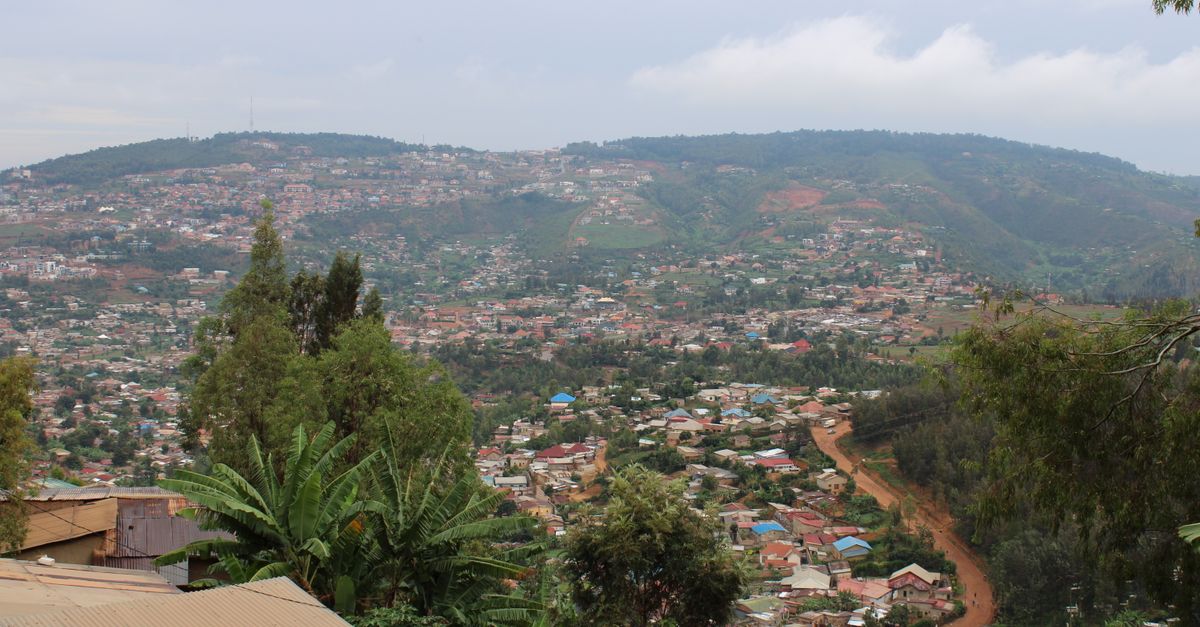
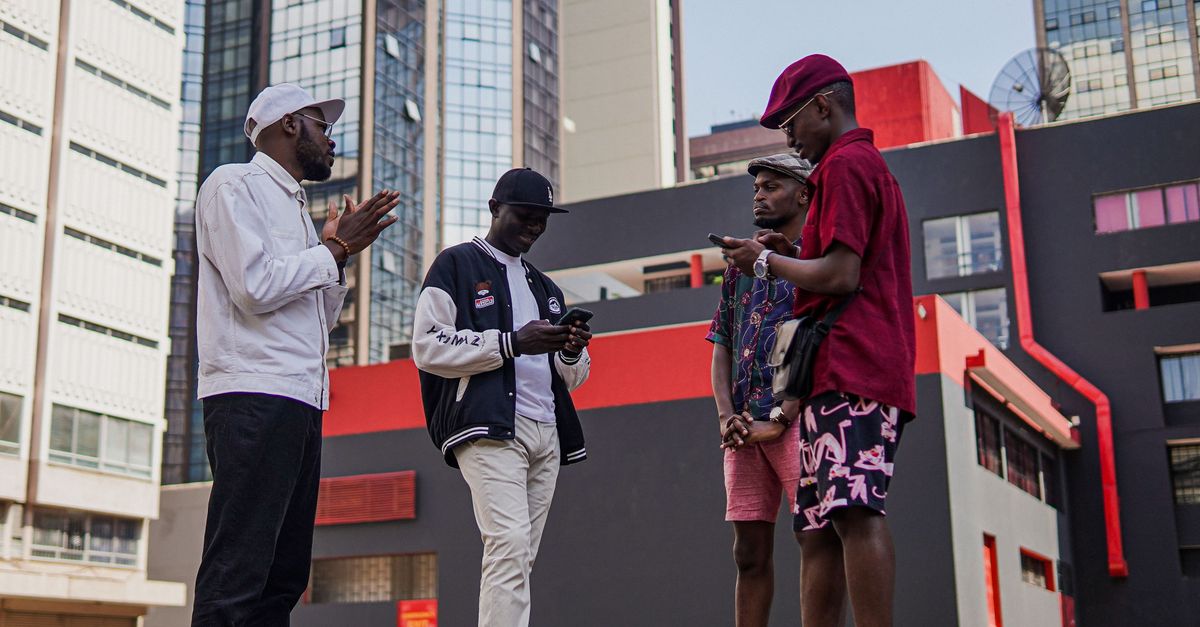
Kigali may be Africa's most unexpected urban discovery. Rwanda's capital is a city of rolling green hills, immaculately clean streets — it is genuinely the cleanest capital city in Africa, maintained by a monthly community cleaning day (Umuganda) that all citizens participate in — where boda-boda motorcycle taxis navigate traffic with choreographed precision and the ambitious skyline of a rapidly modernising economy rises above valley after valley of banana trees and red-earth terraces.
The city carries the weight of 1994's genocide heavily but wears it in specific ways: the Genocide Memorial is essential visiting, but Kigali has also consciously built forward — the city's rapid economic development, its tech sector, its design culture, and its extraordinary hospitality industry all represent a deliberate choice about what the future will look like rather than what the past was. Understanding both the weight and the forward momentum is essential to understanding the city at all.
Rwanda uses the Rwandan franc (RWF). The economy has developed rapidly and Kigali is more expensive than many African capitals — a good restaurant meal costs RWF 15,000–30,000 ($10–20 USD), and international hotel prices are comparable to European equivalents. But local food, public transport (Kigali has an efficient bus system), and market shopping remain very affordable. Kigali is the gateway to mountain gorilla trekking in Volcanoes National Park — an experience that justifies the trans-continental journey from anywhere in the world.

1. Kigali Genocide Memorial
The Kigali Genocide Memorial at Gisozi is both the most important site in Rwanda and one of the most necessary historical experiences available to any traveller in Africa. In 100 days between April and July 1994, approximately 800,000 Rwandan Tutsis and moderate Hutus were systematically murdered in a genocide that the international community — including the United Nations peacekeeping force present in the country — failed to prevent. The memorial houses the remains of over 250,000 victims in mass grave gardens, and its museum documents the genocide with a comprehensiveness, clarity, and moral seriousness that makes it among the finest human rights museums in the world.
The memorial's permanent exhibition does not spare the visitor the full horror of what happened — the testimonies, photographs, and artefacts are confronting in ways that have made many visitors unable to complete the full tour. But it does this in service of understanding rather than sensationalism, and the framing of the genocide within the broader history of ethnic manipulation under colonial and post-colonial governance is intellectually serious. The section on why the world failed to act — the UN's deliberate linguistic avoidance of the word "genocide" to avoid triggering obligations to intervene — is one of the most damning indictments of international institutional failure in the 20th century.
The memorial is in Gisozi, 3 km northwest of central Kigali. Entry is free; a RWF 5,000 donation to the memorial trust is appropriate. Open daily from 8 a.m. to 5 p.m. The guide service (free, staffed by genocide survivors and their descendants) is strongly recommended — the guided experience provides personal context that the exhibition alone cannot convey. Allow 3–4 hours minimum; many visitors require breaks. The memorial gardens, with their simple geometric grave structures above the mass burials, are maintained in a state of serene order that is both respectful and quietly devastating.
Visiting the memorial before any other Kigali activity is the right approach — it frames everything that follows, including the city's extraordinary modernisation and the deliberately forward-looking culture that Kigali projects to the world. Several survivors' organisations operate from the memorial; their micro-enterprise products (weavings, ceramics) can be purchased at the memorial gift shop, directly supporting survivor families.
2. Kimironko Market
Kigali's largest and most authentic market is in the Kimironko neighbourhood on the city's eastern side — a sprawling market of clothing, fresh produce, electronics, and household goods that operates at the intersection of Kigali's urban culture and its rural supply chains. Most of the fresh produce here arrives daily from Rwanda's extraordinarily productive volcanic soil: avocados the size of a fist, passion fruit, tree tomatoes (tamarillo), and the sweet potatoes and plantains that form the backbone of Rwandan rural diet.
The imigongo section of Kimironko Market is the most distinctive craft-shopping opportunity in Kigali: imigongo is a uniquely Rwandan art form using dried and painted cow dung mixed with ash to create geometric wall panels with raised patterns in the traditional black-and-white (or occasionally coloured) palette. The craft originates in the Eastern Province and was traditionally applied to the interior walls of royal homes. Today it is produced by a cooperative of women artists and sold as hangings, wall panels, and domestic objects. Prices range from RWF 3,000–15,000 ($2–10 USD) for individual pieces.
The market is in Kimironko, accessible by Kigali Bus Service from the city centre for RWF 300 or by moto-taxi (boda-boda) for RWF 1,000–1,500. Open daily from 6 a.m. to 6 p.m.; most active in the morning hours. The food section sells injera-adjacent Rwandan flatbreads (ubugari), fresh yoghurt in banana-leaf cups (ikivuguto), and roasted maize for RWF 200–300 — the most authentic Rwandan street food accessible in the capital. Bargaining is acceptable in the craft sections; food stalls have fixed prices.
The fabric section of Kimironko sells printed Rwandan cotton fabrics (much of it imported from Congo and East Africa but locally made garments abound) and the second-hand clothing (mitumba) that constitutes a significant proportion of East African clothing consumption. Well-organised stalls sort the mitumba by category — dresses, shirts, suits, shoes — and prices start at RWF 500–1,000 ($0.33–0.67 USD) per item. The quality varies but exceptional finds — European and American brand clothing in excellent condition — are genuinely available with patient browsing.
3. Nyamirambo Neighbourhood Walking Tour
Nyamirambo is Kigali's most characterful neighbourhood — a densely populated, predominantly Muslim community on the city's southern slopes that has been a commercial and cultural hub since the colonial era. Unlike the rest of Kigali, which has been systematically modernised and sanitised into architectural uniformity, Nyamirambo preserves a mixture of old and new, formal and informal, that makes it the most authentically urban neighbourhood in the capital. Its street food is the best in Kigali; its community life is the most openly visible.
The Nyamirambo Women's Centre, established in 2007, offers guided walking tours of the neighbourhood led by local women that have become one of Kigali's most acclaimed visitor experiences. The 3-hour tour covers the neighbourhood's food culture (with tasting stops at local restaurants and street vendors), its mosque and market, its history, and the women's stories of life in post-genocide Rwanda. Tours cost $25 USD per person, all proceeds going to the Women's Centre's microfinance and education programmes. Book through the Centre's website 24 hours in advance.
The food at Nyamirambo's local restaurants is the best argument for the neighbourhood's culinary reputation: a plate of isombe (cassava leaves cooked in palm oil) with rice and plantain at a local restaurant costs RWF 1,500–2,500 ($1–1.70 USD). The street meat stalls sell mishkaki skewers (shared with neighbouring Tanzania) for RWF 300–500 per skewer. The freshly pressed sugarcane juice vendor near the central mosque is a Nyamirambo institution; a glass costs RWF 200 ($0.13 USD) and tastes as good as anything in the city.
Nyamirambo's Muslim community maintains a distinct Swahili-influenced cultural character — evident in the architecture of the mosques, the clothing of women, and the flavour profiles of the food — that reflects the historical trade connections between Rwanda and the East African coast. The community is welcoming to respectful visitors; the Women's Centre tour is the recommended introduction, but independent exploration of the main streets during daylight hours is completely comfortable. Moto-taxis from central Kigali to Nyamirambo cost RWF 500–800.
4. Kigali's Art and Design Scene
Rwanda has made a deliberate policy investment in contemporary arts and design as a component of its economic transformation — and the results are visible in Kigali's growing number of galleries, design studios, and creative businesses. The Inema Arts Center in Kacyiru, established by brothers Emmanuel and Innocent Nkurunziza, is the most vibrant contemporary art space in the city: an open-studio complex where 20+ artists work simultaneously in the same space, producing painting, sculpture, textile, and mixed media that engages with Rwandan culture, the genocide legacy, and contemporary East African urban life.
Inema holds weekly "Art and Dance" events on Saturday evenings (RWF 5,000 entry) that combine live music, dance performances, and gallery viewing in the compound's outdoor space. The events draw Kigali's creative class, international NGO workers, and visiting travellers in a genuinely mixed and energetic social environment. Works by the Inema artists sell from RWF 50,000 upward; major paintings by senior artists reach RWF 2,000,000+. The work being produced here is serious and internationally collected.
The 1000 Hills Textile Hub in Kigali works with women's cooperatives across Rwanda to produce sustainable textile products — bags, clothing, and home goods — that incorporate traditional Rwandan weaving and beading techniques with contemporary design. The Hub showroom in Kiyovu sells the finished products at fair-trade prices and explains the supply chain from rural cooperative to urban retail. Rwandan woven baskets (agaseke) — traditional lidded storage baskets in grass and banana fibre with geometric patterns — are among the finest craft objects in Africa and available from RWF 5,000 ($3.30 USD).
Kigali Design Week (held annually in November) brings international and Rwandan designers together for exhibitions, workshops, and talks across multiple venues in the city. The event is free to attend and provides an extraordinary window into Rwanda's aspiration to become Africa's leading design nation — an ambition backed by government investment in design education at the University of Rwanda. The concentration of design talent in a city of Kigali's size is genuinely impressive by any continental standard.
5. Kigali's Specialty Coffee Scene
Rwanda produces some of the world's finest specialty coffee — fully washed, sun-dried, and processed through a network of washing stations in the volcanic highlands that have transformed Rwandan coffee from a commodity to a premium product commanding top prices from roasters in Japan, the United States, and Scandinavia. Kigali is the best place in the world to drink Rwandan coffee because it's the only place where the freshest, most recently processed lot from the highland washing stations arrives first.
Question Coffee on Avenue du Commerce is the flagships of Rwanda's specialty coffee retail scene — operated by a social enterprise that trains baristas and supports coffee farmers through a transparent direct-trade model. The coffee (predominantly single-origin, single-variety, from the Northern and Western Provinces) is brewed with filter, Aeropress, and espresso methods and served with the precision of a Tokyo coffee bar. A filter coffee costs RWF 2,000–3,000 ($1.30–2 USD) — expensive by local standards but extraordinary value for the quality.
Bourbon Coffee, one of Africa's earliest specialty coffee chains (founded in Kigali in 2006), has expanded across East Africa but maintains its best quality in its original Kigali locations. The Bourbon in Kiyovu, with its garden seating, is the most pleasant coffee environment in the city. Conversation with the baristas — almost all of them trained through the Bourbon or Question education programmes — is a direct line into Rwanda's coffee culture and its economic significance.
A day trip to a coffee washing station in the Northern Province (2 hours from Kigali near Musanze) is the most complete coffee experience available: seeing the coffee harvest, the wet processing, the drying tables, and the complex logistics of shipping green beans to international buyers. Several operators offer washing station tours as part of a Volcanoes National Park package. The coffee farmers in the Northern Province typically earn 15–20 times the commodity price for their processed beans through the specialty trade — one of the more equitable agricultural development stories in Africa.
6. Mount Kigali Sunrise Hike
The hill of Kigali (Mount Kigali) on the northwestern edge of the city offers the finest panoramic view of the capital — a 360-degree perspective across the thousand hills of Rwanda, with the modern city centre visible in the valley below and the volcanic Virunga mountains rising on the northern horizon on clear mornings. The hike to the summit takes 90 minutes from the base and is one of Kigali's most under-promoted outdoor experiences.
The trail begins in the Kimihurura neighbourhood above the diplomatic district and follows a ridge path through eucalyptus and pine forest before breaking into open grassland on the summit. Rwandan runners train on this trail daily — the country's extraordinary distance running tradition (Rwanda has multiple Olympic and world marathon champions) is partly attributed to the high-altitude training environment that these hillside routes provide. Joining the pre-dawn running community on the Kigali hill trails is one of the city's most intimate social experiences.
A local guide is recommended for the first visit (RWF 5,000–8,000 from any of the city's guesthouses) both for route-finding and for the historical context of the sites visible from the summit — including the Presidential Palace compound, the central business district's skyline, and the hills of the Bugesera district where some of the worst genocide violence occurred in 1994. The summit is accessible daily from 5 a.m.; arrive at dawn for the mist-rising-from-valleys moment that is Rwanda's signature landscape experience.
The hike can be combined with breakfast at one of the Kimihurura neighbourhood's excellent local restaurants — particularly the Nakumatt centre food court area where a full Rwandan breakfast of chips mayai, fresh passion fruit juice, and Rwandan coffee costs RWF 3,000–4,000 ($2–2.70 USD). The neighbourhood around Kimihurura also contains the highest concentration of international NGO offices in Kigali, creating a local café culture that is unusually cosmopolitan for the city's scale.
7. Lake Kivu Day Trip from Kigali
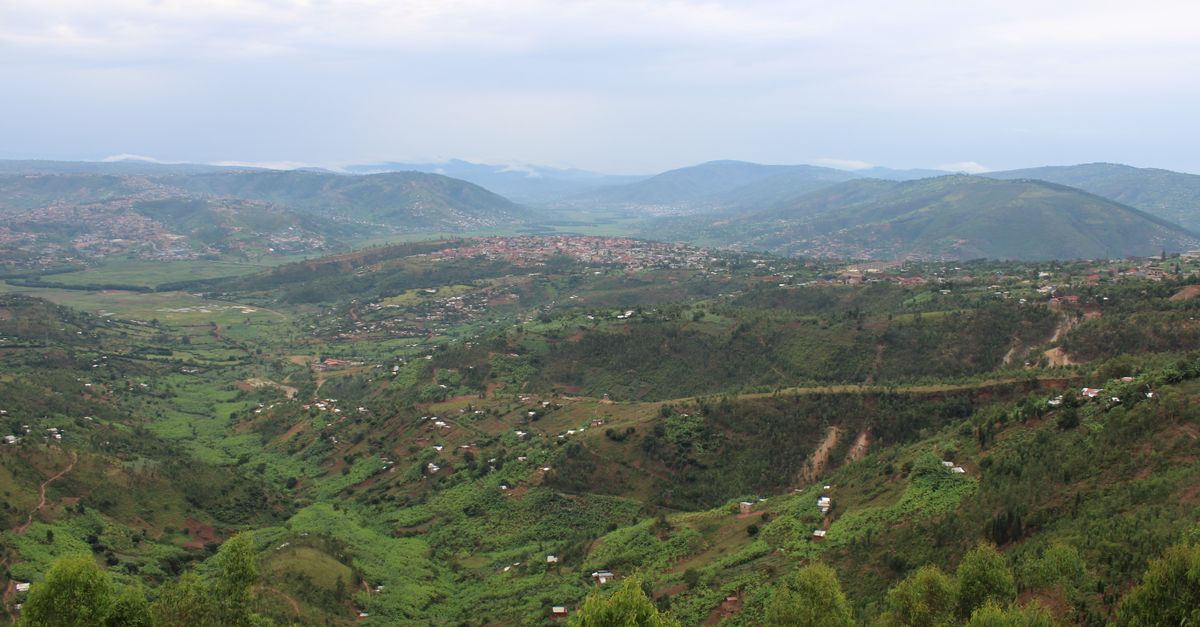
Two and a half hours west of Kigali by road, Lake Kivu is one of Africa's great Rift Valley lakes — a deep, methane-rich body of water bordered by the volcanic hills of western Rwanda and eastern DRC, surrounded by fishing villages, tea estates, and the dramatic landscape of the Albertine Rift. The lakeside town of Kibuye (Karongi) is the most visited base; Rubavu (Gisenyi) on the Congolese border has a more lively nightlife and a direct view of the smoking Nyiragongo volcano on the DRC side.
Lake Kivu's methane reserves — significant enough that a project is underway to extract the gas for Rwanda's electricity grid — create an unusual underwater chemistry that makes the lake simultaneously beautiful and ecologically complex. The swimming is excellent: clear, warm water with no bilharzia risk (the methane chemistry prevents the snail hosts of bilharzia from surviving). Several small islands in the lake — Napoleon Island near Kibuye being the most accessible — provide day-trip boat excursions with extraordinary Rift Valley scenery.
Transport from Kigali to Kibuye by bus costs RWF 2,500–3,000 ($1.70–2 USD) from the Nyabugogo bus station. Journey time is 2–2.5 hours. Accommodation in Kibuye ranges from budget guesthouses (RWF 10,000–20,000) to the mid-range Cormoran Lodge with lake views (RWF 80,000–120,000). A boat trip to Napoleon Island from Kibuye costs RWF 15,000–25,000 ($10–17 USD) per person for a half-day excursion. The island's colony of fruit bats — tens of thousands of straw-coloured fruit bats roosting in the island's fig trees — is one of the more spectacular wildlife scenes accessible by boat from Kibuye.
The tea estates above Kibuye produce some of Rwanda's finest orthodox tea — bright, clean, and intensely flavoured in the East African tradition. Estate visits are possible through the Rwanda Agriculture Board; tea plucking tours during the harvest season (March–May and October–December) are available for RWF 8,000–12,000 per person. The view from the estate terraces over Lake Kivu and the DRC border hills is one of Rwanda's most spectacular landscapes.
8. Volcanoes National Park Gorilla Trekking
Mountain gorilla trekking in the Virunga Volcanoes northwest of Kigali is one of the world's most profound wildlife encounters and the primary reason many international visitors come to Rwanda. Only 1,063 mountain gorillas survive in the world — all of them in the Virunga Mountains shared between Rwanda, Uganda, and the DRC — and a trekking permit allows a 1-hour visit with one habituated gorilla family of approximately 10–20 individuals in their natural habitat.
The permit costs $1,500 USD per person — one of the most expensive wildlife experiences on earth — but the encounter is unlike anything else in natural history tourism. Sitting 7 metres from a silverback gorilla as he watches his family feed in the volcanic forest, making direct eye contact with an animal that shares 97.7% of human DNA, is an experience that visitors consistently describe as one of the most extraordinary of their lives. The economic model — high price, limited permits, direct revenue to community — is also widely regarded as the most successful wildlife conservation financing mechanism in Africa.
Volcanoes National Park is 2.5 hours north of Kigali near Musanze (Ruhengeri). The trek begins at 7 a.m. from the park headquarters; duration ranges from 1 hour to a full day depending on where the gorilla family has moved. Book permits through the Rwanda Development Board website at least 3–6 months in advance; peak season (July–September) sells out much earlier. The park also offers golden monkey trekking (RWF 100 USD per person) as an alternative for those without gorilla permits or as an additional morning activity.
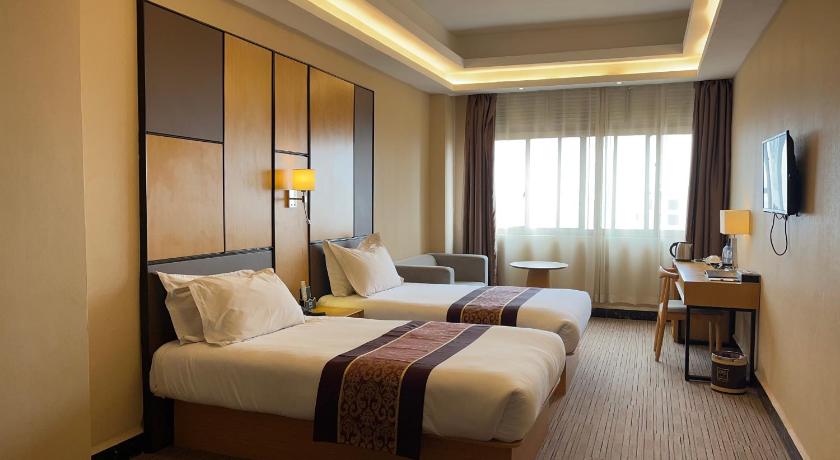
The twin towns of Musanze and Kinigi near the park entrance have a growing selection of accommodation and restaurants catering to gorilla trekkers at all price points. For budget options, several community guesthouses in Kinigi charge $30–50 USD per night. The Sabyinyo Silverback Lodge and One&Only Gorilla's Nest on the park boundary represent the ultra-luxury end. Combining the park visit with a hike up Bisoke or Karisimbi volcano adds a full second day of extraordinary Rwandan highland scenery.
9. Kigali's Street Food Circuit
Kigali's street food scene is less celebrated than that of East Africa's coastal cities but has its own distinct character rooted in the Rwandan highland agricultural tradition. The central KBS (Kigali Bus Station) area in Nyabugogo is the most concentrated street food location in the city: vendors selling brochettes (meat skewers cooked over charcoal), boiled sweet potatoes (ibirayi), fried dough (mandazi), grilled maize, and fresh avocados spread across the station forecourt from early morning to midnight.
The Rwandan brochette is the country's most iconic street food — beef, goat, or pork skewers seasoned with nothing more than salt and cooking over wood charcoal that gives them a clean, smoky flavour. A brochette costs RWF 300–500 ($0.20–0.33 USD) per stick; a satisfying meal requires 4–6 sticks with a side of fried plantain. The best brochette stalls in Kigali are concentrated around the Nyabugogo bus station, in Nyamirambo near the central mosque, and in the student areas around the University of Rwanda Gikondo campus.
Ibitoke (steamed plantain) with groundnut sauce is the most traditional Rwandan combination — sweet, starchy plantain with a complex sauce of toasted groundnuts, tomato, and onion. Available at bukateria-equivalent restaurants throughout the city for RWF 1,000–1,500. The isombe (cassava leaves cooked with palm oil and often with beans and fish added) is equally traditional and serves as the dietary staple of rural Rwanda. In Kigali, it is available at the local restaurants in Nyamirambo and Kimironko for RWF 1,500–2,500 per plate.
The weekly Kimironko Market food section (most active on Saturday mornings) sells raw ingredients for Rwandan cooking at remarkable variety: 15 varieties of dried bean, fresh papaya and mango, roasted groundnuts sold in newspaper cones, and fresh-made amashaza (a sun-dried bean snack, salted and crunchy) for RWF 200–500 per bag. The market's informal cooked food section on the northern side serves the fresh produce in prepared form by 10 a.m. — the best time to eat the morning's market bounty.
10. Butare (Huye) Museum Day Trip
Two and a half hours south of Kigali on the road to Burundi, the university city of Butare (officially renamed Huye in 2006) contains the National Museum of Rwanda — the finest ethnographic museum in East Africa and one of the most important in sub-Saharan Africa. The museum was established with Belgian technical assistance in 1989 and houses a comprehensive collection of Rwandan traditional material culture: royal drums, intore dancers' costumes, royal dynastic artefacts, traditional household objects, and an extraordinary collection of Rwandan traditional wooden objects that represent pre-colonial aesthetic achievement of the highest order.
The traditional Rwandan royal court objects — the royal throne, the ritual drums that were the material expressions of royal power, the elaborate cattle-related regalia (cattle were the primary form of wealth and status in traditional Rwanda) — provide an understanding of the sophisticated hierarchical culture that colonialism both exploited and destabilised in ways that contributed to the 1994 genocide. The museum presents this history with scholarly honesty and without the ethnic stereotyping that some earlier Belgian-authored accounts reproduced.
Butare is accessible by bus from Kigali's Nyabugogo station for RWF 2,000 ($1.30 USD) in about 2.5 hours. The museum entry costs RWF 3,000 ($2 USD). Open Tuesday to Sunday, 9 a.m. to 5 p.m. The National University of Rwanda campus around the museum is beautiful and worthy of a walking tour; the campus was established in 1963 and has been the most important institution of higher learning in Rwanda since independence. The Butare market on Saturday mornings is one of the liveliest in southern Rwanda.
The Gisagara traditional pottery cooperative near Butare produces the distinctive smooth black ceramic vessels (inzongwe) that are Rwanda's finest traditional craft. The pottery cooperative is 15 km from Butare town; a moto-taxi from Butare market costs RWF 3,000–4,000 return. The cooperative produces ceramics using a hand-building technique (no wheel) and fires using traditional open kilns, producing vessels of elegance and formal sophistication that are widely exported as premium art objects. Prices at the cooperative start from RWF 5,000 for small pieces.