
Istanbul is a city that has been attracting visitors for over two thousand years, and the main attractions — Hagia Sophia, the Blue Mosque, Topkapi Palace, the Grand Bazaar — deserve every bit of their reputation. But Istanbul is also a city of 16 million people sprawled across two continents, and the tourist trail covers a remarkably small fraction of what's here.
Beyond the Sultanahmet district where 90% of visitors spend 90% of their time, Istanbul unfolds into a vast, chaotic, magnificent patchwork of neighborhoods, each with its own history, culture, cuisine, and atmosphere. The ten places in this guide represent the Istanbul that Istanbulites love — the neighborhoods where they eat breakfast on weekends, the hillsides where they drink tea and watch the sunset, the islands where they escape the city's relentless energy, and the backstreets where the most interesting things are always happening.
None of these places are difficult to reach. Istanbul's public transport system — a combination of metro, tram, bus, ferry, and cable car — is extensive, cheap, and reliable. An Istanbulkart (reloadable transit card, ₺70 for the card plus whatever credit you load) works on everything and reduces fares to well below ₺10 per journey.
Most of these destinations are accessible within 30-45 minutes of Sultanahmet or Taksim, and the journey itself — especially the ferry rides — is often half the experience.

1. Balat — Colorful Houses, Antique Shops, and the Fener Greek Patriarchate
Balat is arguably the most photogenic neighborhood in Istanbul, and it's only recently been discovered by visitors — Istanbulites have been coming here for years. Located on the western shore of the Golden Horn, this former Jewish and Greek quarter is a hillside maze of brightly painted Ottoman-era houses in faded pinks, yellows, blues, and greens, stacked along steep cobblestoned streets that climb toward the old Byzantine walls.
The architecture is crumbling in places and immaculately restored in others, creating a visual patchwork that feels both ancient and alive. Antique shops line the main streets, selling everything from Ottoman-era coffee grinders and vintage Turkish tea glasses to communist-era propaganda posters and hand-embroidered textiles.
The cafe culture here has exploded in recent years — specialty coffee shops, artisan bakeries, and breakfast spots now occupy many of the ground-floor spaces of the historic houses, and the weekend brunch scene rivals anything in Beyoglu. Don't miss the Fener Greek Orthodox Patriarchate, the spiritual center of Eastern Orthodox Christianity, housed in a modest but historically extraordinary complex.
The Church of St. George within the patriarchate compound contains icons and relics of immense significance to the Orthodox world. The nearby Church of St. Mary of the Mongols, also known as the Bloody Church, is the only church in Istanbul that has been in continuous use since the Byzantine era and was never converted to a mosque.
To reach Balat, take bus 99A from Eminonu or walk along the Golden Horn waterfront promenade from Karakoy — the walk takes about 40 minutes and is flat and scenic. Visit on a weekday morning for the most atmospheric exploration, or on a Saturday for the full cafe and antique shop experience.
Allow at least three hours to properly explore the neighborhood on foot.
2. Pierre Loti Cable Car and Cafe — Golden Horn Views for Free
Pierre Loti is one of the finest viewpoints in Istanbul, and reaching it is half the experience. The Teleferik (cable car) runs from Eyup, at the head of the Golden Horn, up the hillside to the cafe and cemetery at the top, offering increasingly spectacular views of the Golden Horn, the old city, and the minarets of Sultanahmet as you ascend.
The cable car ride costs only the standard Istanbulkart fare — about ₺7.67 — making it one of the cheapest scenic rides in any major city. At the top, the Pierre Loti Cafe, named after the French novelist who wrote about Istanbul in the 19th century and reportedly loved this particular view, serves Turkish tea (₺25-35) and Turkish coffee (₺40-50) on a panoramic terrace overlooking the Golden Horn.
The view is especially beautiful at sunset when the water turns gold and the silhouette of the old city's mosques is backlit against the western sky. The Eyup Sultan Cemetery that surrounds the cafe is one of Istanbul's oldest and most historically significant burial grounds, with ornate Ottoman tombstones scattered among cypress trees on the hillside — it's atmospheric and peaceful to walk through.
Before or after the cable car, visit the Eyup Sultan Mosque at the base of the hill, one of the holiest sites in Istanbul and a pilgrimage destination for Muslims. The mosque complex includes several beautiful courtyards and a tradition of feeding pigeons that creates a lively, community-oriented atmosphere.
To reach Eyup, take bus 99A from Eminonu or the ferry to Eyup pier. The entire visit — mosque, cable car, cafe, and cemetery walk — takes about two to three hours.
3. Buyukada Island — Car-Free Cycling on the Sea of Marmara
Buyukada is the largest of the Princes' Islands, an archipelago in the Sea of Marmara that functions as Istanbul's escape valve — the place where Istanbulites go when the city's intensity becomes too much. The island has been car-free since the Ottoman era, and in 2020, the horse-drawn carriages that were its signature transport were also banned following animal welfare concerns.
The island is now explored on foot or by bicycle, and the quiet is remarkable — after the constant traffic noise of Istanbul, the sound of birdsong and waves is almost disorienting. Rent a bicycle at the ferry terminal (₺50-80 for a full day) and ride the 9-kilometer circuit around the island, passing through pine forests, along clifftop roads with views of the Sea of Marmara, past abandoned Greek and Armenian mansions slowly being reclaimed by vegetation, and through the small village center where Ottoman-era wooden houses line quiet streets.
The Aya Yorgi Church at the island's highest point requires a steep climb but rewards you with panoramic views of the sea, the other islands, and the Istanbul skyline in the distance. The island's waterfront is lined with fish restaurants — grilled sea bass with salad and bread costs ₺200-300, expensive by Istanbul standards but reasonable for the setting.
The ferry to Buyukada departs from Kabatas or Eminonu and takes about 90 minutes — the journey itself is spectacular, crossing the open Sea of Marmara with the Istanbul skyline receding behind you. Use your Istanbulkart for the standard ferry fare of ₺7.67.
Visit on a weekday for a peaceful experience; weekends in summer can be crowded with day-tripping Istanbulites. Allow a full day for the island.
4. Miniaturk — Turkey at 1/25 Scale
Miniaturk is a sprawling outdoor park on the shore of the Golden Horn that contains meticulously crafted 1/25 scale models of over 120 of Turkey's most significant historical and architectural landmarks. Hagia Sophia, the Selimiye Mosque, the Sumela Monastery, Mount Nemrut, the Temple of Artemis, Gobekli Tepe, the Bosphorus Bridge — all rendered in extraordinary detail, with working fountains, miniature trees, and fiber-optic lighting that illuminates the models after dark.
The park sounds like a tourist gimmick, but it's executed with genuine craftsmanship and serves as an excellent overview of Turkey's remarkable architectural heritage for visitors who won't make it beyond Istanbul. The models include landmarks from the Ottoman Empire's former territories, so you'll see replicas of buildings in Greece, Egypt, and the Balkans alongside Turkish sites.
The park also has a miniature railway, a chess garden, and several playgrounds, making it particularly good for families with children. Entry is ₺60 for adults and ₺40 for children. The park is located in Sutluce, on the north shore of the Golden Horn, and is accessible by bus from Taksim or by a short taxi ride from the Halic metro station.
Allow two to three hours for a thorough visit. The models are most impressive in the late afternoon light, and the park stays open until evening, when the illuminated miniatures create a magical effect.
If you're interested in Turkish history and architecture but have limited time in the country, Miniaturk is an unexpectedly rewarding way to see what you're missing.
5. Emirgan Park — The Tulip Festival in Spring
Turkey is where tulips originated — not the Netherlands, despite what Dutch marketing would have you believe — and every April, Emirgan Park on the European shore of the Bosphorus erupts into one of the world's most spectacular tulip displays. Over three million tulips bloom across the park's hillside gardens during the annual Istanbul Tulip Festival, creating carpets of color that stretch between mature trees and historic Ottoman pavilions.
The park itself is beautiful year-round — 47 hectares of forested hillside with three restored Ottoman-era pavilions (the Yellow, Pink, and White Pavilions) that now function as cafes and restaurants, walking paths through mature plane trees and pines, and viewpoints overlooking the Bosphorus. But in April, when the tulips bloom, it becomes transcendent.
The festival is free — there's no entry charge for the park — and the tulip displays are professionally designed and maintained by the Istanbul Metropolitan Municipality. The Yellow Pavilion cafe serves Turkish breakfast on weekends (₺150-200 per person for a full spread) with views over the tulip gardens that justify every lira.
Outside of tulip season, Emirgan Park remains one of Istanbul's best green spaces for a quiet walk, a picnic, or an escape from the city noise. The park is on the Bosphorus coast road and accessible by bus from Taksim (buses 25E or 22) — the ride takes about 30 minutes depending on traffic.
Visit on a weekday morning during tulip season for the most peaceful experience; weekends draw enormous crowds.
6. Ciragan Palace Waterfront Walk
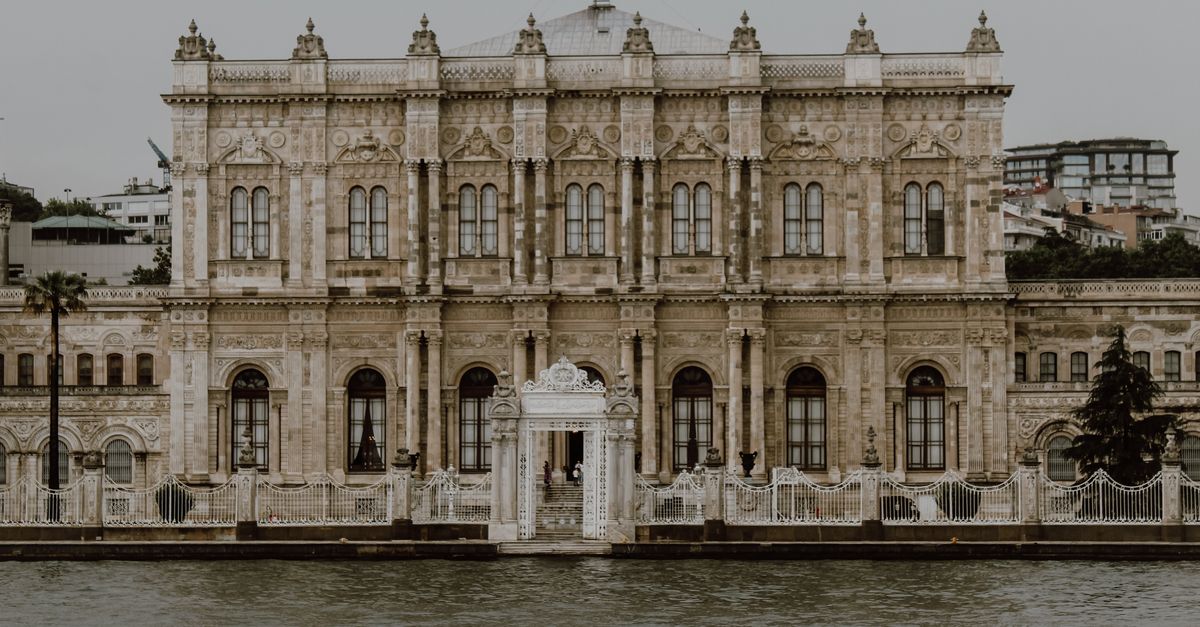
The Ciragan Palace, a former Ottoman imperial residence on the Bosphorus waterfront in Besiktas, is now a Kempinski luxury hotel and far beyond most travel budgets for an overnight stay. But the waterfront promenade alongside the palace is public, free, and one of the most pleasant walks in Istanbul.
The path runs along the Bosphorus between Ortakoy and Besiktas, with the ornate marble facade of the palace on one side and the waters of the strait on the other, with views across to the Asian shore. The promenade is popular with joggers, families, and couples in the evening, and the atmosphere is relaxed and local.
The palace itself is a stunning example of late Ottoman architecture — built in 1867 and partially destroyed by fire in 1910, it was restored in the 1990s to serve as a hotel, and the exterior marble work and the ornamental gates are worth admiring even from outside. The adjacent Yildiz Park, the former private garden of Sultan Abdulhamid II, climbs the hillside behind the palace and offers shaded walking paths, a porcelain factory museum, and a hilltop cafe with panoramic Bosphorus views.
The waterfront walk is easily combined with a visit to Ortakoy (see below) — start at Ortakoy mosque and walk east along the Bosphorus toward Besiktas, passing the Ciragan Palace en route. The total walk takes about 30-40 minutes at a leisurely pace and is flat and paved throughout.
Bus routes from Taksim to Besiktas or Ortakoy are frequent, or take the tram to Kabatas and walk west along the shore.
7. Karakoy and Galata — Street Art, Specialty Coffee, and the Best Baklava in Istanbul
Karakoy and the adjacent Galata neighborhood have undergone one of the most dramatic transformations in Istanbul over the past decade, evolving from a slightly rough portside district into the city's creative and culinary epicenter while retaining enough grit and character to avoid feeling sanitized. The streets climbing from the Karakoy waterfront toward the Galata Tower are lined with street art — large-scale murals, stencil work, and paste-ups that change regularly and reflect the political and cultural energy of contemporary Istanbul.
The specialty coffee scene here is the best in the city: Kronotrop, Coffeetopia, and MOC are all within walking distance of each other, and each takes coffee as seriously as any Melbourne or Scandinavian roaster. But the single essential stop in Karakoy is Karakoy Gulluoglu, a baklava institution that has been operating since 1949 and produces what many consider the finest baklava in Istanbul — which, given the competition, makes it a contender for the best in the world.
Their pistachio baklava (₺40-60 per portion) is thin, crisp, buttery, and saturated with just enough syrup to be sweet without being cloying. The queue at Gulluoglu is constant, but it moves fast and the baklava is boxed and handed over with assembly-line efficiency.
The neighborhood is also home to the Istanbul Modern art museum (₺120 entry), relocated to a striking new building on the waterfront, and several independent galleries in converted warehouses. Karakoy is directly accessible by tram (Karakoy stop on the T1 line) and is a natural starting point for walking up the steep streets to the Galata Tower, which offers 360-degree views of the city for ₺130.
The neighborhood is best explored on foot in the afternoon and evening, when the cafes, galleries, and restaurants are all open.

8. Princes' Islands Ferry — The Journey Is the Destination
Even if you don't have time for a full day on Buyukada, the ferry ride to the Princes' Islands and back is one of Istanbul's finest experiences in its own right. The large IDO ferries depart from Kabatas (on the European side) and cross the open Sea of Marmara, passing the Asian shore suburbs, Kadikoy, and the smaller islands before reaching Buyukada.
The journey takes about 90 minutes each way, and the upper deck of the ferry offers continuously changing panoramic views of the city, the Bosphorus entrance, and the open sea. The ferry has a small cafeteria selling tea (₺15-20), simit (sesame bread rings, ₺10), and sandwiches.
Seagulls follow the ferry in large numbers, and feeding them simit from the deck is a beloved Istanbul tradition. The fare is just ₺7.67 each way with an Istanbulkart. You can ride to Buyukada and back without getting off (the ferry pauses at each island stop for a few minutes), making this a three-hour scenic cruise for under ₺20 total.
If you want to stop, the smaller islands — Kinaliada, Burgazada, and Heybeliada — are less touristed than Buyukada and have their own distinct characters. Heybeliada has a beautiful hilltop monastery and quieter beaches.
Kinaliada is the closest to the city and has a more local, residential feel. Ferries run approximately every hour in summer and less frequently in winter — check the IDO timetable.
The morning ferry is the quietest; the sunset return ferry is the most atmospheric.

9. Kariye Museum (Chora Church) — Byzantine Mosaics Beyond Compare
The Kariye Museum, housed in the former Church of the Holy Saviour in Chora, contains what many art historians consider the finest surviving Byzantine mosaics and frescoes in the world — surpassing even those of Hagia Sophia in their detail, preservation, and artistic sophistication. The church, located in the Edirnekapi neighborhood near the old land walls, dates to the 11th century, though the extraordinary interior decoration was added in the early 14th century.
The mosaics in the inner and outer narthex depict scenes from the lives of Christ and the Virgin Mary with a vividness and humanity that feels startlingly modern — the faces express real emotion, the compositions are dynamic, and the use of gold tesserae creates a luminous, otherworldly atmosphere. The parecclesion (side chapel) contains frescoes depicting the Last Judgment and the Anastasis (Christ's descent into Hell to rescue the righteous dead) that are among the most powerful works of art in Istanbul.
The Kariye is located away from the main tourist district, which means it receives far fewer visitors than Hagia Sophia despite containing work of comparable or greater artistic merit. Getting there requires a bus ride from Eminonu or Taksim (bus 28, 87, or 38E to Edirnekapi), followed by a short walk through a pleasant neighborhood of wooden Ottoman houses.
The area around the church has several small restaurants and tea houses, and the nearby Theodosian Walls — the massive 5th-century land walls that protected Constantinople for a thousand years — are worth walking along for their sheer monumental presence. Allow at least an hour for the mosaics; bring binoculars if you have them, as many of the finest details are in the upper registers of the walls and ceilings.
Check current opening status before visiting, as the building has undergone periods of closure for restoration.

10. Ortakoy Mosque and Waffle Street
Ortakoy is a compact waterfront neighborhood at the European foot of the Bosphorus Bridge, centered around a small mosque that has one of the most photographed settings in Istanbul. The Ortakoy Mosque (Buyuk Mecidiye Camii) is a baroque-style Ottoman mosque built in 1856, and its position directly on the Bosphorus waterfront, with the bridge soaring behind it, creates an image that appears on every Istanbul postcard and Instagram feed.
The mosque is small and free to enter, and the interior is bright and ornate with large windows overlooking the water. But the real attraction of Ortakoy, especially in the evening, is the waffle street — a strip of vendors along the waterfront square selling kumpir (loaded baked potatoes, ₺60-80) and the famous Ortakoy waffles (₺40-50), which are stuffed with combinations of Nutella, fruit, cream, pistachio, and white chocolate and eaten while walking along the Bosphorus.
The quality of the waffles varies between vendors, but the atmosphere — standing by the water, eating a warm waffle, watching the ferry traffic on the Bosphorus and the lights of the bridge overhead — is universally excellent. The Ortakoy weekend market, held on the streets behind the mosque, sells handmade jewelry, clothing, art, and crafts from local vendors.
The neighborhood is also home to several good fish restaurants and meyhanes (traditional Turkish taverns serving meze and raki). Ortakoy is accessible by bus from Taksim (buses 25E, 40, or 42T) or Besiktas, or by a pleasant 20-minute walk along the Bosphorus promenade from Besiktas.
Visit in the early evening for the best atmosphere — the mosque is illuminated after dark, the waffle vendors are in full swing, and the Bosphorus reflects the bridge lights. Combine with the Ciragan Palace waterfront walk for a memorable evening stroll.
The complete Istanbul food guide — kebabs, meze, and the best street food in Europe The perfect 5-day Istanbul itinerary for first-time visitors Explore all Istanbul travel guides and recommendations


