
There is no point in pretending: Ibiza is expensive. The island that gave the world superclub culture, celebrity DJs earning half a million euros per night, and hotel rooms that cost more per night than a week in Bali has no particular interest in being affordable. A single cocktail at Pacha's terrace bar costs €18-22. Club entry to Amnesia on a peak Saturday in August runs €60-80. A sun lounger at a beach club in Talamanca can cost €40 just to put your body down. This is all real and unavoidable if you are chasing the world's most famous electronic music experience at its peak intensity in the height of summer. But Ibiza has another face — genuinely beautiful beaches that cost nothing to lie on, a UNESCO-listed Old Town with centuries of layered history, a countercultural hippie market tradition that predates the clubs by decades, and a quieter agricultural interior where whitewashed farmhouses sit among fig trees and the island's original character survives intact. Budget Ibiza requires strategy, flexible timing, and the willingness to enjoy what the island actually is rather than only what it is marketed to be.
Getting There on a Budget
Ibiza Airport (IBZ) is served by a strong network of low-cost carriers — Ryanair, Vueling, easyJet, and Volotea all operate routes from major European cities. The fundamental rule of budget flying to Ibiza is the same as Mallorca but with even higher peak-season price spikes: booking in July and August means accepting that flights will cost two to three times what shoulder season fares command. A flight from London Gatwick to Ibiza in May might cost €40-70 one way; the same route in the third week of August regularly runs €150-250.
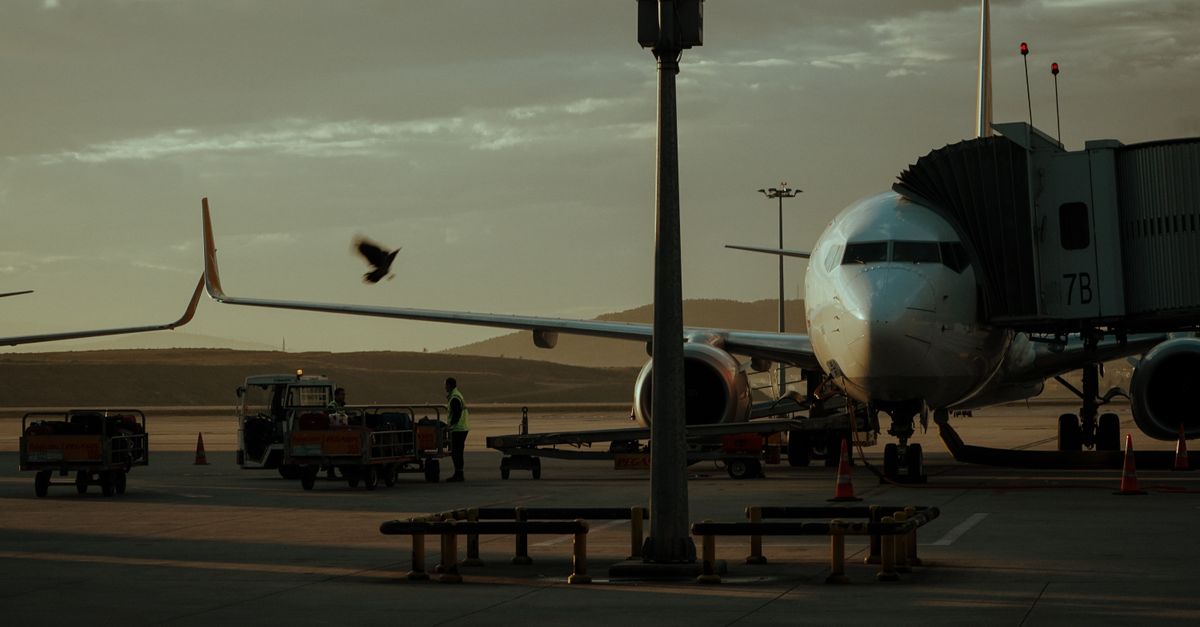
May, June, September, and early October are the budget windows. June is increasingly popular with club-goers chasing opening parties (which are often the biggest and most reasonably priced events of the season), and September delivers warm seas, thinner crowds, and lower prices across the board. October is quieter still — some venues close but the beaches are calm, accommodation prices drop sharply, and the island reveals its genuine agricultural soul in the weekly markets and village fiestas that summer tourists never see.
Ferry connections to Ibiza from mainland Spain and from Mallorca offer an alternative to flying. Baleària and Trasmediterránea run services from Valencia (6-8 hours, from €40 per person in a seat) and Barcelona (8-9 hours, from €50). Day ferries arrive with good views of the island approach; overnight ferries save a night's accommodation if you book a cabin (€80-110 extra). The inter-island ferry from Palma to Ibiza runs several times weekly (2.5-3.5 hours, from €35-50) and is an excellent option for combining both islands on a single trip.
If your priority is the clubs, be aware that the main season runs from the first week of June to the end of September, with the biggest events concentrated in July and August. Outside this window, most superclubs are dark. Pacha and a few others occasionally run winter events, but the full Ibiza clubbing experience requires peak-season presence — and a corresponding peak-season budget.
Budget Accommodation
Ibiza's accommodation market is ruthlessly demand-driven. A hostel dorm bed that costs €20 in May will cost €55-70 in August. A budget hotel double that runs €65 in September hits €180 in the height of summer. This is not an exaggeration — Ibiza operates some of the highest accommodation price premiums of any European destination, and the gap between shoulder and peak pricing is wider here than virtually anywhere else in Spain.

Hostal Entresol (Carrer de la Verge, Ibiza Town/Eivissa) is one of the island's few genuinely budget-priced options in a central location — a simple, clean hostal on a whitewashed lane in the Sa Penya neighborhood below the old city walls. Double rooms run €55-75 in shoulder season, rising to €120-150 in August. Book as far ahead as possible for summer stays.
Sant Antoni de Portmany (San Antonio) is the budget traveler's most realistic base for summer visits. The town has the island's highest concentration of budget hotels and package holiday accommodations, with two-star hotels starting at €60-80 per double in July versus €150+ for comparable rooms in Ibiza Town. The Hostal Residencia Sol y Brilla and several other family-run hostals on and near Calle Ramón y Cajal offer clean, basic doubles from €55-70 in shoulder season. Sant Antoni has a mixed reputation due to its British party tourist culture, but the Sunset Strip along the western seafront is genuinely beautiful in the evening and the sunsets over the water are among Europe's finest.
For a quieter, more local experience, the town of Santa Eulària des Riu on the east coast has small hotels and hostals from €60-90 per double in shoulder season — cheaper than Ibiza Town and significantly calmer than Sant Antoni. It is 25 minutes by bus from Ibiza Town and has a pleasant marina, good local restaurants, and access to the quieter north coast beaches.
An increasingly popular budget alternative is renting a room or apartment through Airbnb or similar platforms in the island's interior villages — Santa Gertrudis de Fruitera, Sant Joan de Labritja, or Sant Miquel de Balansat. Prices here are 30-40% lower than the coast, the island character is authentic, and a scooter or moped hire of €25-35 per day gives independent access to all the beaches.
Eating Cheaply Like a Local
Ibiza's food scene is sharply bifurcated between tourist-facing establishments charging premium prices and a local infrastructure that remains genuinely affordable if you know where to find it. The tourist restaurant markup in Ibiza Town's Marina and along the seafront promenade is the most extreme in the Balearics — a simple plate of grilled fish that costs €14 at a backstreet restaurant costs €28-35 at a waterfront terrace.

For breakfast, the Mercado Viejo (Old Market) on Plaça de la Constitució in Ibiza Town has a small permanent food hall with a working café serving coffee and pastries for €1.50-3. The surrounding streets below the Dalt Vila walls have half a dozen local cafés where a full Spanish breakfast — coffee, orange juice, toast with tomato and olive oil — costs €4-6. Avoid any café within direct sight of the marina for the morning meal.
The menú del día operates in Ibiza just as elsewhere in Spain, though with a higher price floor than the mainland — expect €12-15 for a proper three-course lunch with wine rather than the €10-13 common in Palma or Barcelona. The best options are in Santa Eulària, where local restaurant trade is significant, and in the inland village of Sant Miquel, where the Bar Restaurant Can Cosmi serves a three-course local lunch for €11-13 to a clientele of farmers and tradespeople rather than tourists. In Ibiza Town, the streets behind the bus station — Carrer d'Aragó and surrounding lanes — have working tapas bars where a plate of croquetas costs €3-4 and a glass of house wine €2.50.
Can Pilot (Sant Jordi de ses Salines, near the racecourse) is a local institution serving huge portions of grilled meats at prices well below anything in Ibiza Town — a mixed grill for two with wine costs €35-45 total. Bar Costa in Santa Gertrudis de Fruitera is famous for its enormous bocadillos (sandwiches) and tapas served to a clientele of local artists, farmers, and residents who have used this bar as their living room for decades. A bocadillo with jamón runs €5-7.
Supermarkets are your essential budget ally. Mercadona has branches in Ibiza Town and Sant Antoni — buy drinks here (beer €1-1.50, wine €4-7 per bottle) for pre-loading before clubs or for beach picnics. The supermarket bakery section stocks local pastries and bread at genuinely low prices. Budget travelers with apartment access should plan at least half their meals around supermarket cooking.
Free & Low-Cost Attractions
Ibiza's natural attractions are almost entirely free, and they are magnificent. The island's beaches rank among the most beautiful in the Mediterranean, and the majority charge nothing for access beyond a few euros for parking in summer.

Las Salinas beach (Platja de ses Salines) on the south coast is Ibiza's most famous free beach — a long curve of pale sand backed by salt flats and a UNESCO-protected natural park. The beach itself is free; the beach clubs (Jockey Club, Ses Salines) charge €35-50 for a sun lounger. Take your own towel and sit on the section of beach without infrastructure — it is equally beautiful. The salt flats behind the beach are a working salt production facility and wildlife refuge; flamingos are visible in the warmer months. Entry to the natural park on foot is free.
Cala Conta (Cala Compte) on the west coast is widely considered Ibiza's most photogenic beach — a series of small sandy coves with brilliant turquoise water and dramatic rock formations. Parking costs €5-8 in summer; arriving by bicycle or the bus line from Sant Antoni saves this cost. The beach has no entry charge and the water quality is exceptional.
Dalt Vila — the fortified Old Town of Ibiza, a UNESCO World Heritage Site — is free to walk through. The winding lanes within the 16th-century walls pass the Cathedral of Santa Maria (free to enter), the Ibiza Castle, and the Archaeological Museum (€2.40). The rampart walls themselves offer some of the best views in the western Mediterranean: the port below, the mainland Spanish coast on a clear day, and the dramatic rock silhouette of Es Vedrà — the legendary islet off the southwest coast — visible on the horizon. The Es Vedrà viewpoint at Torre des Savinar is reached via a 20-minute walk from a small car park near Sant Josep and costs nothing.
Las Dalias Hippie Market in Sant Carles de Peralta is one of the most famous outdoor markets in Europe. Free to enter every Saturday (and Tuesday and Thursday evenings in summer), it sprawls through a garden complex selling handmade jewelry, textiles, clothing, and food from local and international artisans. The market has been running since 1984 and is one of the few places on the island that feels genuinely connected to Ibiza's pre-club hippie heritage. The food stalls sell good falafel, fresh fruit, and local cheese at fair prices.
Getting Around on a Budget
Ibiza is a small island — roughly 40 kilometers long and 20 wide — but public transport is limited outside the main corridors, and the most desirable beaches and villages require either a car, a moped, or a willingness to walk from bus stops.

The main bus network operated by Autocares Voramar/Discordance runs services from Ibiza Town's main bus station (Avinguda Isidor Macabich) to the main tourist areas. Key routes: Line L10 to Sant Antoni (€4, 25 minutes, runs frequently in summer), Line L24 to the airport and on to Ibiza Town (€4, 30 minutes from the airport), Line L11 to Platja d'en Bossa (€2.50, 15 minutes), and Line L12 to Santa Eulària (€3, 25 minutes). Night bus services run until 3-4 AM in summer on the main resort routes, which is crucial for clubbers — the Disco Bus (Line N1 and N2) runs from Ibiza Town and Sant Antoni to the main club zone after midnight for €4 per journey.
From the airport, Bus L10 to Sant Antoni costs €4 and takes about 20 minutes. Bus L24 to Ibiza Town costs €4 and takes about 30 minutes with a stop at the port. Taxis from the airport to Ibiza Town cost €15-20 for the 7-kilometer journey and are metered.
Moped and scooter hire is the most popular and practical way for budget travelers to explore independently. Rental from shops in Ibiza Town and Sant Antoni costs €25-35 per day for a 50cc scooter (no special license required for EU visitors with a driving license) and €35-50 for a 125cc. A full driving license is required in Spain for all powered two-wheelers regardless of engine size. Helmets are legally required and always provided. This unlocks the entire island including remote beaches and inland villages that buses don't serve.
Money-Saving Tips
Surviving Ibiza on a budget requires both tactical frugality and honest acknowledgment of where the line is. The following strategies make a genuine difference without sacrificing the experiences that make Ibiza worth visiting.
Travel in June or September. June means opening parties, warm weather, swimmable sea, and prices that are 30-50% lower than August across accommodation and transport. September delivers closing parties (legendary in their own right), fewer tourists, and a gentler version of the island that many seasoned visitors actually prefer. Both months retain the full Ibiza experience at significantly lower cost.
Choose one or two big club nights for your entire trip, not every night. A single night at Ushuaïa (€50-70 entry, €20 drinks minimum) absorbed well into a week of free beach days, sunset walks, and cheap local restaurants is a memorable and financially sustainable experience. Five consecutive nights of clubbing at Ibiza prices is economically catastrophic for all but the most generously resourced travelers.
Pre-drink at supermarket prices before going out. Alcohol is taxed at standard Spanish rates in supermarkets — a bottle of decent wine costs €5-8, beer €1-1.50, spirits €12-18 for a litre. The same products in clubs cost six to ten times more. An hour of pre-loading at your accommodation before heading out is standard practice among experienced Ibiza visitors and saves €20-30 per night.
Eat your main meal at lunch. The menú del día structure means a three-course lunch costs €12-15 while an equivalent dinner costs €25-35 at the same restaurant. Restructure your day around a big local lunch and a light supermarket or bakery dinner.
Use the Disco Bus religiously. At €4 per journey versus €15-30 for a taxi after a club night, regular use of the night bus saves €20-50 across a week's clubbing trips. The bus also runs back to accommodation from the club zone as it empties, meaning a 4-6 AM return is entirely feasible.
Attend Las Dalias market on Saturday. Free entry, genuine local character, good cheap food, and a window into the Ibiza that preceded the superclub era. The artisan stalls are legitimately interesting and the atmosphere on a warm Saturday evening is one of the best free experiences on the island.
Book the ferry to Formentera on a Tuesday or Wednesday. The same day trip that costs €35 on a weekend peak-season crossing can be booked for €25 midweek with Mediterránea Pitiusa or Trasmapi. Avoid the Saturday high-season crossing if possible — prices spike and the boat fills with day-trippers from the resort hotels.


