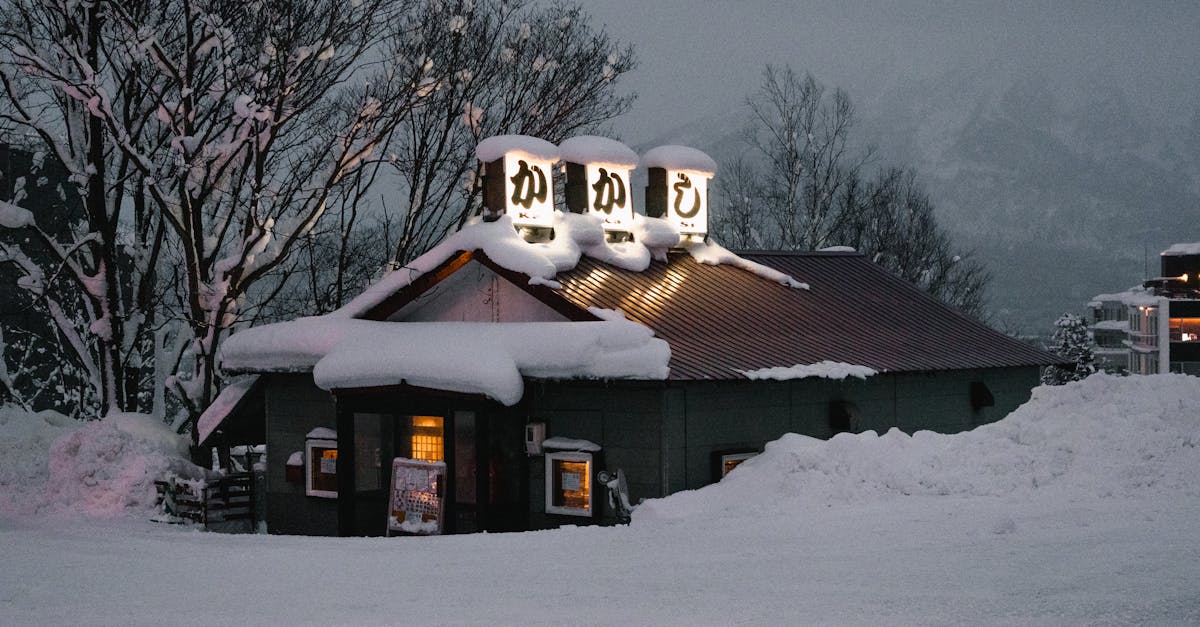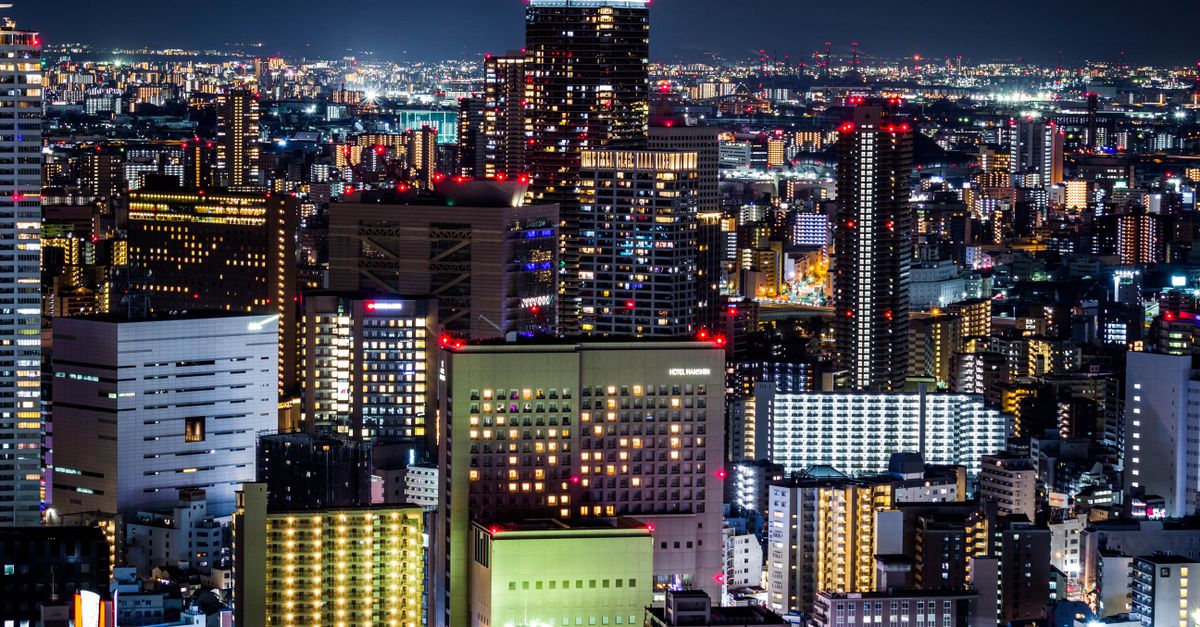
Hokkaido is Japan's northern frontier — a land of powder snow, volcanic hot springs, lavender fields, and seafood so fresh it defines the island's identity. From Sapporo's urban energy to Furano's pastoral beauty and Otaru's nostalgic canals, three days reveal Hokkaido's seasonal magic and culinary richness.

Sapporo City Exploration
Morning: Start at Nijo Market, Sapporo's seafood hub since 1903. Sample uni (sea urchin), crab legs, and melon slices from vendors (¥500-2,000 per item). The market's 60+ stalls offer the freshest Hokkaido produce available anywhere in the city. Walk to the Clock Tower and Former Hokkaido Government Building, two handsome Meiji-era landmarks within easy walking distance of the market area.
Afternoon: Explore Odori Park, the green spine of central Sapporo stretching 1.5 kilometers between the TV Tower and the city archives museum. Visit the Sapporo TV Tower observation deck (¥1,000) for sweeping panoramic city views extending to the surrounding mountains. Head to Tanukikoji Shopping Arcade for souvenirs — Hokkaido's famous Royce chocolate, white chocolate treats, and cheese tarts make perfect gifts to carry home.
Evening: Dinner in the Susukino entertainment district, the largest nightlife area north of Tokyo. Try Sapporo's signature miso ramen at Ramen Alley — Ganso Sapporo Ramen Yokocho has 17 tiny shops (¥800-1,200 per bowl) each with their own rich broth recipe. Alternatively, feast on Genghis Khan grilled lamb at Daruma (¥1,500-2,500 per person), a unique Hokkaido barbecue tradition.
Otaru Canal Town & Coastal Charm
Morning: Take the JR train to Otaru (35 minutes, ¥750). The historic canal district with its gas-lit stone warehouses feels like stepping back into the Meiji era when Otaru was Hokkaido's financial capital. Walk along the canal lined with old brick and stone buildings, then visit the Otaru Music Box Museum — the largest in Asia with 25,000 antique and modern pieces displayed across multiple atmospheric floors.
Afternoon: Lunch at Otaru's famous sushi street — Masazushi or Otaru Masazushi serve exceptional nigiri sets (¥2,000-4,000) with the day's freshest catch brought directly from the Sea of Japan fishing boats. Visit LeTAO for their signature double fromage cheesecake (¥1,800), widely considered Hokkaido's most beloved dessert. The Sakaimachi shopping street nearby offers artisan glass workshops and craft beer.
Evening: Return to Sapporo for dinner at the Sapporo Beer Garden in the historic red-brick brewery building dating to 1890. The all-you-can-eat Genghis Khan grilled lamb plus all-you-can-drink Sapporo draft beer deal (¥5,000, 100 minutes) is legendary among both tourists and locals. The adjacent museum tour is free and traces the brewery's storied history since 1877 through original equipment and memorabilia.
Nature & Hot Springs
Morning: Day trip to Jozankei Onsen (50 minutes by bus, ¥800). This valley hot spring town nestled in a forested gorge has been welcoming bathers since 1866. Try a public foot bath (free) along the Toyohira River or pay for a full onsen bathing experience at Hoheikyo Onsen (¥1,000) with its stunning outdoor rock pools. The autumn leaves here are spectacular in October, drawing nature lovers from across Hokkaido.
Afternoon: Visit Moerenuma Park, designed by sculptor Isamu Noguchi — a massive art-meets-nature installation covering 189 hectares of former waste land transformed into sculpted hills and geometric forms. The glass pyramid Hidamari building and artificial mountain Moere-yama are photogenic year-round. Alternatively, head to Shiroi Koibito Park (¥800) to watch Hokkaido's iconic white chocolate cookie being made on the factory line and decorate your own.
Quick Tips
- Get a Hokkaido Rail Pass (3-day ¥16,500) if traveling beyond Sapporo — it covers unlimited JR trains across the island including limited express services to Hakodate, Asahikawa, and Obihiro.
- Hokkaido's best seasons are February for the Sapporo Snow Festival with massive ice sculptures and July-August for lavender and flower fields in Furano and Biei's patchwork hills.
- IC cards (Kitaca or Suica) work on Sapporo subway, buses, and convenience stores — load ¥3,000-5,000 on arrival at the airport or station for seamless daily travel throughout the city.
Practical Information
Hokkaido is well-connected by domestic flights (New Chitose Airport) and the Hokkaido Shinkansen from Tokyo to Hakodate. Sapporo's subway, bus, and JR train network covers the city efficiently. English signage is common at stations and tourist areas. Convenience stores (Seicomart is Hokkaido's local chain) have ATMs accepting international cards and sell excellent ready-made meals. Tap water is safe throughout Japan. Carry cash for smaller establishments — many traditional shops and ramen bars remain cash-only despite increasing card acceptance.
Best Times to Visit & Budgeting
Peak seasons are winter (December-February) for skiing at Niseko, Furano, and Rusutsu, and summer (July-August) for flower fields, festivals, and pleasant hiking weather. Spring (April-May) brings cherry blossoms later than mainland Japan, while autumn (September-October) offers stunning foliage across the island. Budget travelers can save significantly by eating at convenience stores and using Hokkaido Rail Pass for regional transport. Accommodation ranges from ¥3,000 capsule hotels to ¥30,000+ luxury ryokan with kaiseki dinners and private onsen.
| Travel Style | Daily Cost (¥) |
|---|---|
| Budget | ¥8,000-12,000 |
| Mid-Range | ¥15,000-25,000 |
| Luxury | ¥40,000-80,000 |
Day Trips from Sapporo
Sapporo sits at the centre of a web of Hokkaido's most iconic landscapes, all reachable in under two hours by JR rail or highway bus. The island is vast — roughly the size of the Irish Republic — but the key experiences are surprisingly concentrated, making ambitious single-day excursions entirely practical.
Furano and Biei, two hours northeast by limited express, define the image of Hokkaido that fills every travel brochure. From late June through early August, the rolling patchwork hills around Biei turn purple, white, and gold with lavender, baby's breath, and sunflowers. Farm Tomita in Furano (free entry) is the oldest and most photographed lavender estate, operating since 1958. Arrive at opening (8am) for soft morning light and before the tour buses clog the access road. Biei's Blue Pond — a uniquely coloured man-made reservoir filled with aluminium hydroxide-tinted groundwater — glows an eerie cobalt regardless of the season. A one-day Furano-Biei Norokko tourist train (late June to mid-October, seat reservation ¥840) runs through the fields in both directions.
Niseko, 90 minutes southwest by highway bus (¥2,200 one-way), is primarily known as Japan's greatest powder ski resort, but the summer version is equally compelling. Rafting on the Shiribetsu River, cycling the foothills of Mount Yotei (Hokkaido's perfect volcanic cone), and soaking in outdoor onsen baths at Niseko Higashiyama with direct volcano views make it a superb warm-season escape as well. The Grand Hirafu area has a lively pedestrian village with excellent restaurants far above the usual ski-resort standard.
Shikotsu-Toya National Park (1 hour south, ¥1,800-2,200 by direct bus) contains two volcano-ringed lakes that couldn't feel more different. Lake Toya is ringed by low resort hotels, pleasure boats, and a dramatic mid-lake volcanic island that erupted as recently as 2000. Lake Shikotsu is wilder, deeper, and strikingly clear — one of Japan's most transparent lakes — with hiking trails ascending the cinder cone volcano Tarumae (1,041m) for crater-rim views over both the lake and the Pacific coast. The national park's day-onsen circuit (multiple facilities, ¥600-900 each) makes a restorative reward after the hike.
Hakodate, two hours south by JR limited express (¥6,680 one-way, or covered by the Hokkaido Rail Pass), rewards an overnight stay rather than a rushed day trip. The city's 19th-century Western-style merchant houses, night views from Mount Hakodate ranked among Japan's top three city panoramas, and the enormous morning fish market (open 5am) justify the journey. The Goryokaku star-shaped Western fortress is another Hakodate landmark that captures Japan's transition into the modern era.
Explore more Hokkaido travel guides →