
Victoria Falls is a destination that requires more decisions than most travellers expect. You're choosing between two countries before you even land — Zimbabwe's Victoria Falls town or Zambia's Livingstone — and that decision shapes airport, accommodation, dinner, and which side of the falls you'll see first. You're also choosing between two seasons that produce dramatically different experiences: the high-water months of February through May, when the spray is so heavy you can't see the falls clearly but the volume is overwhelming, and the low-water months of September through December, when the rock structure is visible and photography is possible but the eastern section runs almost dry. First-timers who don't research these trade-offs often arrive disappointed because the trip didn't match the postcards. This guide walks you through visa logistics, airport transfers, neighbourhood choice, cultural context, and the most common first-timer mistakes — including the wet/dry season miscalculation that ruins more Falls trips than any other single factor. Prices are quoted in USD throughout because both Zimbabwe and Zambia run their tourist economies on dollars regardless of the local currency.
Before You Arrive
Visa logic is the single most important pre-trip decision. Most Western, Commonwealth, and African nationalities are eligible for the KAZA UniVisa: USD 50 cash on arrival at either Victoria Falls (Zimbabwe) or Livingstone (Zambia) airports or land borders, valid 30 days for unlimited entries between Zambia and Zimbabwe plus same-day visits to Botswana via the Kazungula border. This is the visa you want. Single-entry Zimbabwe visas (USD 30 to 55 depending on nationality) and Zambia visas (USD 25 to 50) cost roughly the same individually but lock you into one country. Confirm KAZA eligibility for your nationality on the latest country list before flying — a small number of nationalities including India, Pakistan, and several Asian countries are not currently eligible and need single-country visas instead.

Yellow fever vaccination is required if arriving from a yellow-fever risk country (Zambia and Zimbabwe themselves are not classified as risk countries, but transit through Kenya, Ethiopia, or Tanzania triggers the requirement). Bring your yellow card. Malaria prophylaxis is strongly recommended for both countries — the Zambezi valley sits at low altitude and risk is real year-round, with peaks in the wet season. Speak to a travel doctor at least four to six weeks before departure. Routine boosters (typhoid, hepatitis A, tetanus, COVID, polio) are sensible.
Currency works simply because both countries quote tourist prices in USD. Zimbabwe's official currency situation has changed several times and dollarisation is in active use; Zambia's kwacha is stable but tourists pay in dollars. Bring USD bills printed after 2013, in good condition, no tears or marks. Older or damaged bills are routinely refused — this is enforced more strictly here than almost anywhere else in Africa. Bring a mix of denominations including small bills (USD 1, 5, 10, 20) for park entries, taxis, and tips. ATMs exist in both Vic Falls town and Livingstone but withdraw fees, daily limits (often USD 100 to 200), and unreliability mean you should treat them as backup not primary funding. Both countries are safe for tourists by African standards, with the usual cautions about petty theft on long-distance buses and after-dark walks.
Getting from the Airport
Victoria Falls Airport (VFA) is on the Zimbabwean side, 22 kilometres south of Vic Falls town. Most accommodations arrange shuttle transfers for USD 15 to 25 per person, often free for guests booking three nights or more. The airport taxi rank charges USD 25 to 35 for a private transfer to town, posted on a board inside arrivals. The shared shuttle (Wild Horizons or Adventure Zone, USD 15) leaves after each flight arrival and drops at major hotels and backpackers in turn.
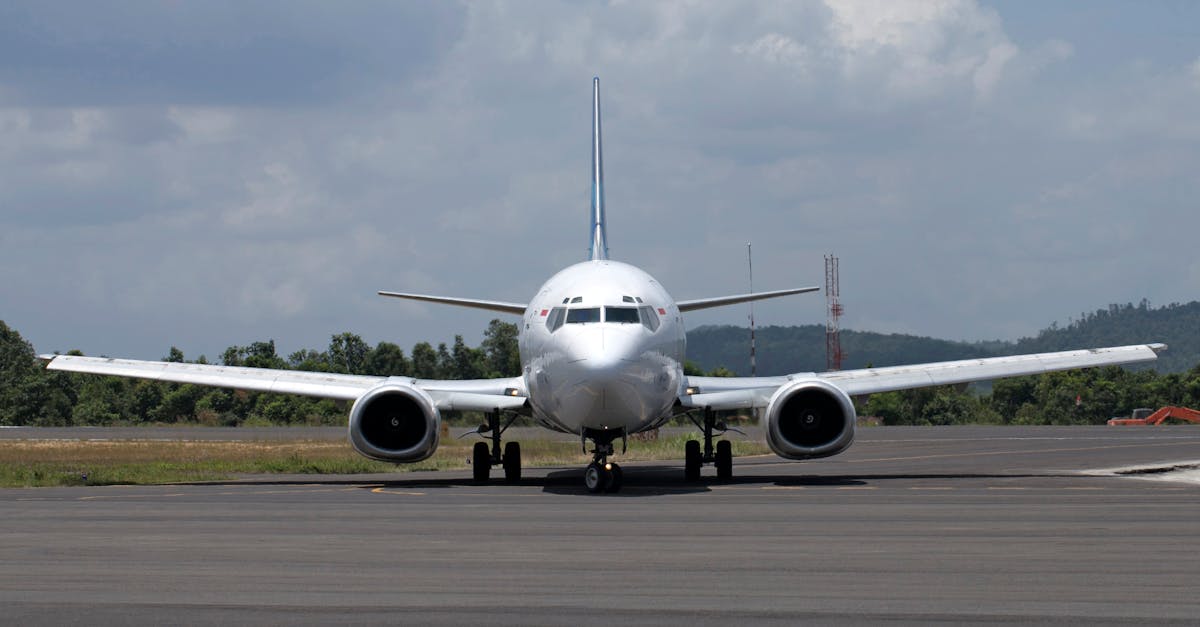
Harry Mwanga Nkumbula International Airport (LVI) in Livingstone is much closer to town — just 6 kilometres — and transfers are correspondingly cheaper. Shared shuttles run USD 10 to 15, private taxis USD 20 to 30. Jollyboys, Fawlty Towers, and most other backpackers offer free or low-cost airport pickup if you book ahead by email or WhatsApp.
If you've flown into one country and want to base yourself in the other, the easiest play is to take the free or low-cost shuttle to your booked accommodation, then cross the bridge later as a separate day trip. Trying to airport-to-airport in a single hop with luggage involves taxi, immigration, bridge walk, immigration again, and another taxi — possible but unpleasant after a long flight.
Tipping is expected: USD 1 to 2 for shuttle drivers, USD 2 to 5 for private-taxi drivers who help with bags. Confirm the price before getting in, in writing if possible. Most international flights into both airports land mid-morning to early afternoon — pleasant for daytime arrivals — but late-night arrivals do happen on Ethiopian and Kenya Airways routings. Confirm pickup with your accommodation in writing if your flight lands after dark.
Getting Around the City
Victoria Falls town is genuinely walkable. The town centre, park entrance, craft market, restaurants, and most backpackers fit within a 25-minute walk end-to-end. Use this layout to your advantage. Walking lets you wander into the Big Tree, the craft market, and the bridge approach naturally rather than scheduling them as separate trips. After dark, switch to taxis (USD 3 to 5 within town) — wildlife enters the town routinely, and elephants on the unlit edges are a real consideration even in the high street.

Livingstone is more spread out and requires either shared minibuses (USD 0.50 to 1, running along Mosi-oa-Tunya Road) or backpacker shuttles (USD 3 to 5 to the park) or taxis (USD 5 to 15 within town and to the park). The town centre is walkable but the 10 kilometres to the park entrance is not, especially with park-day gear in midday heat.
Crossing the bridge between countries is the defining experience of getting around here. The bridge walk takes 15 to 20 minutes one way including viewpoint stops, and the full border process (exit immigration, walk, enter immigration) takes 60 to 90 minutes. Carry your passport and your KAZA visa stamp at all times. Shared minibuses (USD 1 to 2) connect both borders to town centres on either side, and walk-in immigration has been streamlined for KAZA visitors.
For longer trips — Chobe day trips, Hwange safaris, transfers to Bulawayo or Lusaka — book through your backpacker's activity desk or operators like Wild Horizons, Shearwater, and Bushtracks. Independent transport options (rental car, self-drive) exist but add up quickly compared to shared tour transport for the standard sights.
Where to Base Yourself
The Vic Falls town versus Livingstone choice is the defining first-timer decision. They're 12 kilometres apart but offer very different experiences, and the right choice depends on your priorities and budget.

Victoria Falls town (Zimbabwe) is more compact, more walkable, more tourism-developed, and closer to the most photographed sections of the falls. The town centre, park entrance, restaurants, and main backpackers all sit within walking distance. Trade-offs: accommodation runs 15 to 25 percent more expensive than Livingstone equivalents, and the town has a more polished, slightly sanitised feel. Backpackers (Shoestrings, Vic Falls Backpackers) sit at USD 10 to 15 dorms; mid-range guesthouses (PaMuzinda, Pamusha) run USD 40 to 70 doubles; safari-lodge complexes (Lokuthula, Victoria Falls Safari Lodge) start at USD 90 to 250+ per night.
Livingstone (Zambia) is bigger, less manicured, and has a more functional African town feel — markets, taxis, daily life beyond tourism. The park is further from town centre, but the Zambian-side viewpoints (Knife-Edge Bridge, Eastern Cataract) offer the closest legal access to the falling water. Accommodation runs cheaper across categories: Jollyboys and Fawlty Towers at USD 11 to 15 dorms, mid-range guesthouses (Olga's, Zambezi Waterfront) at USD 50 to 90 doubles, premium options (Royal Livingstone, Tongabezi) at USD 250 to 800+ per night.
For first-timers, the practical answer is to base yourself in Vic Falls town for ease and walkability if your budget allows, or Livingstone if cost matters more than convenience. Travellers with five or more nights should split: three nights one side, two the other. The KAZA UniVisa makes the switch friction-free.
Local Culture & Etiquette
Both Zimbabwe and Zambia run substantial tipping economies, and understanding this is essential to navigating the destination respectfully. Tour guides, drivers, porters, lodge staff, restaurant servers, and activity operators all rely on tips as a meaningful share of income. Standard rates: 10 to 15 percent on restaurant bills; USD 5 to 10 per person per day for safari guides; USD 2 to 5 for park rangers who go beyond the standard route; USD 5 to 10 for activity instructors (rafting, bungee, helicopter pilots) at the end of the experience. Tipping in USD is universal and welcomed.

Zimbabwe in particular has lived through profound economic disruption over the past twenty years — hyperinflation, currency collapse, currency reintroduction, dollarisation, and recurring shortages. Most Zimbabweans you meet in the tourism sector are educated, multilingual, and managing complex personal economic situations behind warm professional service. Engage thoughtfully. Don't make jokes about Zimbabwean money or the Mugabe era; it's not your story to be flippant about. Don't assume locals support or oppose the current government. Don't photograph government buildings, military, or police. Both countries enforce these rules.
Modesty in dress is appreciated outside resort grounds — knee-length shorts and covered shoulders for women in town and on public transport, no sleeveless shirts for men in restaurants. Greetings matter: "Mhoro" or "Makadii" in Shona (Zimbabwe), "Muli bwanji" in Nyanja (Zambia), or simply a clear "Good morning, how are you?" in English. Don't launch into requests or transactions without the greeting first; it reads as rude.
At the falls themselves, treat the rainforest paths with care — these are working ecosystems, baboons are aggressive around food, and warthogs charge if cornered. Photography of locals requires permission. A smile, a gesture toward your camera, and waiting for a clear yes is the right approach. Don't photograph children without parental consent.
Common Mistakes to Avoid
1. Skipping the wet/dry season research. The Falls in February-April have so much spray that you can't see the rock structure clearly — you experience the volume, the noise, and the rainbow, but not the postcard view. The Falls in October-December have visible rock and good photography but the eastern (Zambian) section can run almost dry. Choose your season based on which experience you want, and bring a waterproof phone case if visiting in spray season.
2. Not getting the KAZA UniVisa upfront. Many travellers arrive with single-entry Zimbabwe visas because they didn't realise the KAZA option existed, then discover at the bridge that they can't return without paying for a second visa. The KAZA UniVisa is the first thing you should ask for at immigration if you're eligible.
3. Treating Vic Falls town and Livingstone as identical. They aren't. Different sides of the falls, different vibes, different price points. Travellers who pick blindly often regret missing the other side. Even a half-day walk across the bridge to see both is worth the immigration friction.
4. Booking every activity through your accommodation desk without comparing. Backpackers earn commissions from activity operators. Walking ten minutes to compare quotes at Shearwater's main office, Wild Horizons, and Bushtracks frequently saves USD 10 to 30 per person on rafting, helicopter flips, or sunset cruises. The desks are convenient; the operators are cheaper.
5. Underestimating the white-water rafting. Shearwater's full-day Zambezi rafting (USD 130 to 170) covers some of the most serious commercial rapids in the world — Class V at high water. The walk down to the river and back up is a 30-minute hike on rough stone. Travellers expecting a gentle float trip get a serious adrenaline workout. Confirm the rapid grades and physical requirements before booking, and choose the half-day option if you have any hesitation.
6. Carrying old or damaged USD bills. Bills printed before 2013, bills with tears, bills with pen marks, and bills missing security strips are routinely refused at park entries, taxi ranks, and lodges. Bring clean, recent USD only. This rule is enforced more strictly here than in any other African destination.
7. Skipping malaria prophylaxis because the brochure didn't emphasise it. The Zambezi valley is low altitude and malaria is present year-round, with peak risk in wet season. Tourism marketing downplays this. Speak to a travel doctor, take prophylaxis as prescribed, and bring repellent containing DEET for evenings on the riverbank. Falls trips are not a malaria-free destination, regardless of how the safari brochures present them.


