Reykjavik is unlike any other capital city in the world. Home to just 140,000 people, it sits on a peninsula jutting into the North Atlantic, surrounded by geothermal valleys, lava fields, and the ever-present possibility of the Northern Lights. Coming here for the first time is less like visiting a European city and more like arriving at the edge of the planet — the air is different, the light is different, and the scale of the natural world pressing in from every direction is genuinely humbling. This guide covers everything a first-time visitor needs to know to arrive smoothly, navigate confidently, and avoid the expensive mistakes that catch so many newcomers off guard.
Before You Arrive
Iceland is a member of the Schengen Area but not the European Union. Most nationalities — including citizens of the US, Canada, Australia, New Zealand, the UK, and all EU countries — can enter Iceland visa-free for up to 90 days within any 180-day period under the Schengen agreement. Citizens of other countries should check entry requirements at utl.is (the Directorate of Immigration) well in advance of travel. For those requiring a Schengen visa, Iceland accepts applications through its embassy system or in some cases through other Schengen countries' embassies.

Iceland's currency is the Icelandic Króna (ISK). As of 2025, 1 USD buys approximately ISK 138, 1 EUR buys approximately ISK 150, and 1 GBP buys approximately ISK 175. Iceland is almost entirely cashless — you can use contactless payment at the smallest bakery, the remotest petrol station, and the most rural guesthouse. You don't need to carry ISK cash as a matter of routine, but having ISK 2,000–3,000 on hand for the Kolaportið flea market (cash only), public transport vending machines, or emergency situations is sensible. ATMs at Keflavík Airport are reliable and dispense ISK; Arion Bank and Íslandsbanki have the most ATMs across the city.
A local SIM card is worth having for navigation, aurora forecasts, and weather apps — all of which are essential during an Iceland trip. Nova and Síminn both offer tourist SIM cards at Keflavík Airport for ISK 2,000–3,500, including data allowances of 10–20GB that cover a week's navigation and streaming. Alternatively, international eSIM providers like Airalo offer Iceland data packages that activate before you land.
The most critical pre-departure decision for many visitors is timing. The Northern Lights are visible from mid-September through late March — you need darkness (Iceland has near-24-hour daylight in June and July), clear skies, and solar activity. The aurora forecast at vedur.is is the most reliable tool; a KP index of 3 or above with clear skies means a genuine chance of a display. The midnight sun (May–August) is a different kind of magic — long golden evenings that stretch past 11 PM in June, perfect for hiking, cycling, and photography. Both phenomena are extraordinary; decide which you're more drawn to and time your trip accordingly.
Getting from the Airport
Keflavík International Airport (IATA code KEF) lies 50 kilometres southwest of Reykjavik on the Reykjanes Peninsula — a dramatic volcanic landscape that serves as an excellent introduction to Icelandic terrain. The transfer into the city takes 45–60 minutes and offers three primary options.

The Flybus operated by BSÍ is the standard choice for most independent travelers. Buses depart 30–40 minutes after each major international arrival and run to the BSÍ Bus Terminal in central Reykjavik. The standard one-way fare is ISK 4,800 and you arrive at the central terminal, from which it's a short taxi or city bus ride to your accommodation. The Flybus Plus upgrade (ISK 5,800) adds a direct hotel drop-off service covering most central guesthouses and hostels — the extra ISK 1,000 is worthwhile if you're carrying heavy luggage, arriving late at night, or have no idea where you're going. Tickets can be booked at re.is before travel; the same price applies at the airport counter.
The Airport Direct minibus service (also operated by RE) offers door-to-door service to your specific accommodation for ISK 6,200–7,000 per person and takes slightly longer due to multiple stops. For travelers with awkward addresses or early-morning arrivals, this removes all logistical complexity.
Taxis from KEF to central Reykjavik cost ISK 18,000–25,000 — roughly four to five times the Flybus fare. For a solo traveler this is a significant overspend. For a group of four splitting the cost, it becomes ISK 4,500–6,250 per person, which is competitive with the Flybus Plus. Hreyfill and BSR taxis are metered and reliable; both have desks in the arrivals hall.
If you're hiring a car for your Iceland trip, picking it up at the airport and driving directly into Reykjavik is the most practical approach — KEF has desks for all major rental companies (Europcar, Hertz, Geysir, Lagoon Car Rental) directly in arrivals. The Ring Road starts essentially outside the terminal.
Getting Around
Central Reykjavik is eminently walkable. The core attractions — Hallgrímskirkja, Laugavegur shopping street, the Old Harbour, Harpa Concert Hall, and most restaurants and cafés — are contained within a 2-kilometre radius. For a visitor staying in the centre, a morning spent walking between landmarks covers more ground than a day of bus-hopping in a larger city.

The Strætó city bus network covers greater Reykjavik and the Capital Region. Single-ride fare is ISK 560 (exact fare or contactless card — no change given). A day pass costs ISK 1,680. Route 14 runs between downtown and the Laugardalur geothermal pool complex; Route 15 extends further east toward the domestic airport and Oddsson Hostel. The Strætó app provides real-time tracking, timetables, and mobile ticketing — download it before you arrive. Buses run from around 6:30 AM to midnight on weekdays, with reduced weekend services.
For day trips beyond the Capital Region — the Golden Circle, the South Coast, the Snæfellsnes Peninsula — a rental car transforms your possibilities. Basic economy cars start at ISK 8,000–15,000 per day through local agencies like Geysir or Lagoon Car Rental; international chains (Hertz, Europcar) are typically 20–30% more expensive. Note that Icelandic roads, particularly the F-roads (mountain tracks), legally require a 4WD vehicle and are often impassable or forbidden for standard cars. Always check road conditions at road.is before setting out.
Organized day tours from BSÍ Bus Terminal cover the Golden Circle (ISK 9,000–12,000), South Coast waterfalls (ISK 11,000–14,000), and the Snæfellsnes Peninsula (ISK 14,000–17,000). For solo travelers or those without a car, these offer the only practical way to reach the country's most iconic landscapes.
Where to Base Yourself
Reykjavik is small enough that location matters less than in larger capitals — nothing is far from anything else. But three distinct areas suit different types of traveler.
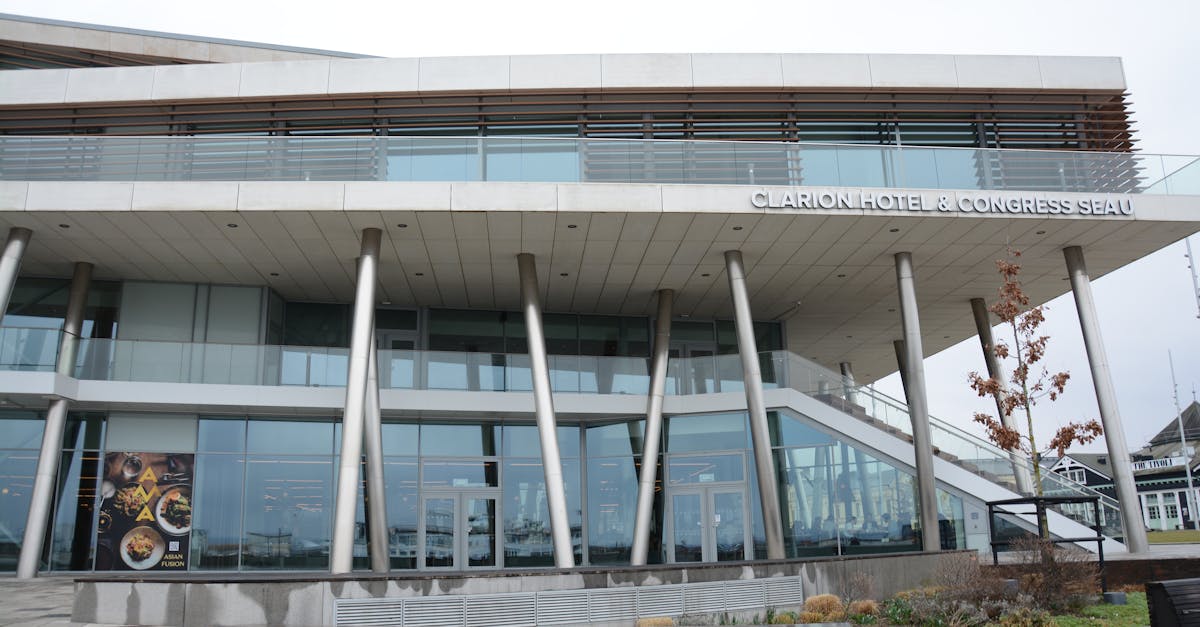
The 101 District (Downtown / Miðborg) is the heart of the city — Laugavegur, Skólavörðustígur, the Old Harbour, and all the main cultural institutions are within easy walking distance. This is where the nightlife, the independent boutiques, the best cafés, and the highest concentration of tourist infrastructure are found. Hotels and guesthouses in this area run ISK 22,000–40,000 per night for a double room; hostel dorms at Loft Hostel and Kex Hostel cost ISK 6,500–9,000. The 101 district is the right base for a first visit — you can reach everything without transport.
The Old Harbour (Grandi District), just northwest of downtown, has transformed in recent years from a working fishing port into one of the city's most interesting creative neighborhoods. The Marshall House gallery, the Whales of Iceland exhibition, Hlemmur Mathöll street food hall, and some of Reykjavik's best design studios are here. Accommodation is slightly cheaper than the 101 — guesthouses from ISK 18,000–28,000 per night — and it's still walkable to downtown. Kex Hostel sits at the boundary between Grandi and the 101.
Laugardalur, east of the centre on the other side of the domestic airport, is a quieter, more residential area centred on Iceland's finest geothermal pool complex. Guesthouses here cost ISK 14,000–22,000 per night — meaningfully cheaper than the 101. It's connected to the centre by bus routes 14 and 15 (15–20 minutes). The right choice for travelers who prioritize value, quieter surroundings, or who plan to spend serious time at the outdoor pools.
Local Culture & Etiquette
Icelanders are famously independent, self-reliant, and egalitarian. The country has no hereditary aristocracy, a strong tradition of consensus-based governance, and a culture that genuinely values work-life balance and personal space. Understanding a few cultural norms will help you feel less like a tourist and more like a guest.

The geothermal pool is a social institution. Icelanders use the communal hot pots (heitir pottar) the way other cultures use the pub or the coffee house — it's where conversations happen, friendships deepen, and local knowledge is exchanged. The etiquette is straightforward: shower thoroughly without a swimsuit before entering any pool area (there are shower attendants who enforce this), be reasonably quiet in the hot pots, and don't bring your phone into the water. Visitors who follow these rules are universally welcomed; those who don't are firmly redirected.
Icelanders don't do small talk in the way that many cultures do. A direct question gets a direct answer; silence between acquaintances is comfortable and expected. Don't read coldness into what is simply a different cultural register. Once a conversation starts properly, Icelanders are warm, curious, and often remarkably candid. The country regularly tops global happiness surveys for good reason — life is genuinely good here, and most people are pleased to share it.
Tipping is not a traditional Icelandic custom. Service staff are paid fair wages and do not depend on tips to supplement income. You won't cause offence by not tipping, and you won't receive exceptional service in exchange for a generous tip. That said, rounding up a bill or leaving ISK 500–1,000 after a particularly good restaurant experience is appreciated and increasingly common as the industry aligns with European norms. Tipping taxi drivers is rare.
Environmental respect is deeply felt. Iceland's nature is both the country's primary asset and the thing Icelanders care most fiercely about protecting. Never walk off marked paths on sensitive vegetation (the fragile moss that carpets the lava fields can take 100 years to recover from a single footstep). Follow Leave No Trace principles rigorously — pack out all waste, don't light fires except in designated areas, and follow all National Park regulations without exception.
Common Mistakes to Avoid
Underestimating the cost. Iceland is not just "a bit expensive" — it is one of the three most expensive countries in the world for day-to-day spending. Travelers who budget based on Western European averages routinely find themselves overspending by 40–60%. Build your budget around ISK 20,000–28,000 per day minimum for a backpacker-style trip (hostel dorm, self-catered meals, a few paid attractions), and ISK 35,000–55,000 per day for a comfortable mid-range experience. Arriving without a realistic financial plan leads to stress, curtailed activities, and early departures.
Trusting only one weather forecast. Iceland's weather is genuinely unpredictable and changes dramatically across short distances. A clear morning in Reykjavik can coincide with a storm on the South Coast. Always cross-reference vedur.is with safetravel.is before heading out on any day trip, and take weather warnings seriously — roads close, waterfalls flood, and the conditions that look manageable from a warm café can be genuinely dangerous on exposed hillsides.
Chasing the Northern Lights without a plan. First-timers often stand in Reykjavik's light-polluted streets wondering why they can't see the aurora. The city's ambient light drowns out all but the strongest displays. To reliably see the Lights, you need to drive at least 30–40 minutes from the city to a dark location. Check the aurora forecast at vedur.is (you need KP 3+ and clear skies), drive to Þingvellir, the Reykjanes Peninsula coast, or the road toward Hvolsvöllur, and turn off your headlights when you park. Your eyes need 15–20 minutes to dark-adapt.
Going to the Blue Lagoon without booking ahead. The Blue Lagoon — Iceland's most famous geothermal attraction, 20 minutes from KEF Airport — must be pre-booked online at bluelagoon.com. Entry costs ISK 10,000–15,000 depending on package, and it sells out weeks in advance during summer. Turning up without a reservation means turning back. Book before you buy your flights if you plan to visit.
Renting a 2WD car and attempting mountain roads. F-roads (mountain tracks, designated by an F prefix on maps) are legally restricted to 4WD vehicles with high ground clearance. Driving a standard 2WD car on F-roads voids your rental insurance, risks stranding your vehicle in a river crossing, and can result in a fine. Stick to the Ring Road (Route 1) and paved secondary roads with a standard car, or upgrade to a 4WD if mountain access is your plan.
Overpacking the itinerary. Iceland's landscapes take time to absorb. The common first-timer mistake is building a punishing schedule — Golden Circle on day one, South Coast on day two, whale watching on day three, Snæfellsnes on day four — and ending the trip exhausted without remembering a single specific moment. Build in half-days with no plan. Stop when a landscape moves you. Iceland's scale and beauty are best experienced slowly, not ticked off a list.
Forgetting to dress in waterproof layers. The famous Icelandic wind plus unexpected rain is a genuinely unpleasant combination if you're caught in a cotton hoodie. Pack a waterproof outer shell, a mid-layer fleece, and moisture-wicking base layers for every season. June in Reykjavik averages 13°C with regular rain; January averages 2°C with wind chill that makes it feel much colder. Thermal base layers are essential October–April. Cheap waterproofs from outdoor discount chains are sold on Laugavegur if you arrive underprepared.