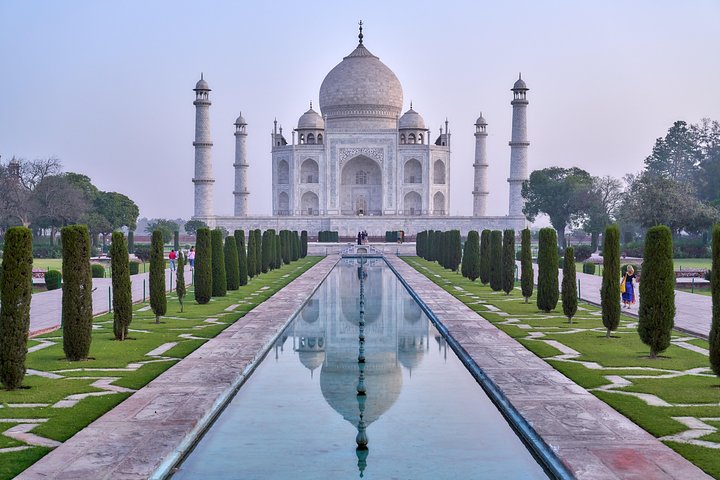
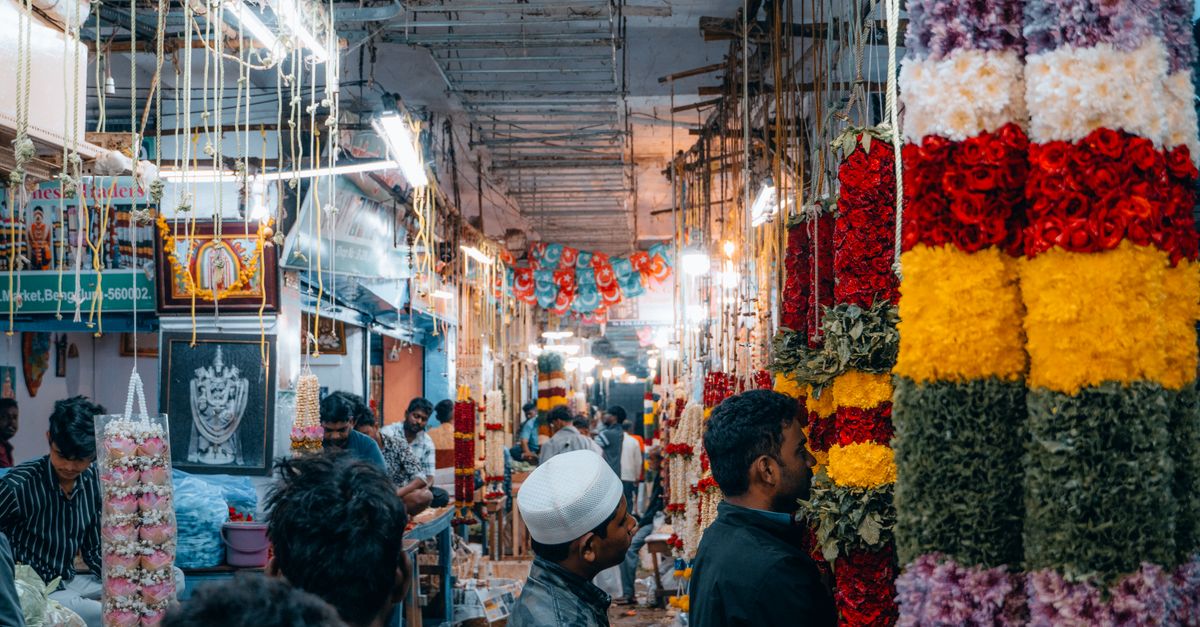
Hyderabad disorients first-time visitors in the best possible way. One hour you are standing inside a 16th-century fort that once housed the world's most productive diamond mine; three hours later you are eating biryani at a restaurant whose recipe has barely changed since the Nizam's royal kitchens perfected it in the 1850s; and by evening you are watching the city's tech-corridor skyline reflect in a lake that was artificially created in 1563. This is the City of Pearls — a place where the layers of history, cuisine, and culture run so deep that even a week barely scratches the surface. This guide gives you the framework to approach it with confidence from the moment you land.
Before You Arrive
Citizens of most nationalities require a visa to enter India. The Indian e-Visa is the standard route — apply at indianvisaonline.gov.in at least 5 business days before travel (10 days recommended). Tourist e-Visas are available for 30 days, 90 days, or 1 year, with double or multiple entry options, at USD 25–80 depending on nationality. The process is entirely online: fill the form, upload a passport photo and scan, pay the fee, and receive the Electronic Travel Authorisation (ETA) by email. Print it or download it to your phone — immigration at Hyderabad airport will check it on arrival.

Currency is the Indian Rupee (₹). ATMs from HDFC, ICICI, SBI, and Axis Bank are available in the airport arrivals hall and throughout the city. On arrival, withdraw ₹5,000–8,000 — cash is required for auto-rickshaws, small restaurants, temple donations, and bazaar shopping in the old city. The forex desk in the arrivals hall offers reasonable rates for USD and EUR; avoid the "instant exchange" kiosks in the departures area or near tourist sites, which typically offer 5–8% less than the interbank rate.
The Hyderabad climate is more temperate than Chennai but still genuinely hot. Summers (March–May) regularly hit 40–42°C; monsoon (June–September) brings humidity and occasional flooding; winter (November–February) is the optimal tourist window, with daytime temperatures of 22–30°C and pleasantly cool evenings. The Telangana rainy season brings intense but usually brief downpours — carry a compact umbrella or raincoat if visiting June through September.
Buy an Indian SIM card at the airport immediately after clearing customs. Jio, Airtel, and Vi booths are in the arrivals hall. A prepaid tourist plan with 1.5GB daily data costs ₹300–400 for 28 days. Jio has the best price-to-coverage ratio; Airtel is marginally better in rural Telangana if you plan to travel beyond the city. You need your passport and a photocopy of your visa or entry stamp for activation. Indian SIM cards are among the cheapest in the world — there is no reason to rely on international roaming for a visit of more than 48 hours.
Getting from the Airport
Rajiv Gandhi International Airport (HYD) is located at Shamshabad, approximately 22 kilometres south of the city centre. The terminal is modern, well-organised, and bilingual (Telugu and English). After clearing customs and baggage claim, you have several transfer options with very different cost profiles.

The TSRTC Airport Express Bus (Route 5) is the cheapest option — ₹110 to MGBS (Mahatma Gandhi Bus Station) in the city centre, with stops at Mehdipatnam, Toli Chowki, and Nampally. The journey takes 50–70 minutes depending on traffic. Buses depart every 20–30 minutes from the bus stand immediately outside the arrivals exit. This is the route most informed budget travellers use; the buses are air-conditioned and the fare is fixed.
The Hyderabad Metro does not currently reach the airport directly — the nearest station is Raidurg (Hitec City), approximately 15 kilometres from the terminal. However, TSRTC runs a dedicated connecting bus from the airport to Raidurg station (₹90, 30–40 minutes), from where you can take the metro Blue Line inward (₹30–50). The combined fare is ₹120–140 and the total journey time is 70–90 minutes — slightly slower than a taxi but significantly cheaper.
Prepaid taxis are available at the official taxi counter inside the arrivals hall, with fixed fares to different city zones: approximately ₹600–800 to Banjara Hills or Abids, ₹700–900 to Secunderabad, and ₹750–1,000 to Hitech City. Pay at the counter, collect your receipt, and follow the porter to your assigned vehicle. Do not accept offers from private drivers inside the terminal who approach before the counter — these are unlicensed operators charging 2–3 times the metered rate.
Ola and Uber are available for pickup from the designated app-cab zone outside arrivals (follow the blue signs). Fares range ₹450–700 to most city areas. Book as soon as you clear customs — the queue for the app-cab zone moves quickly and the service is reliable. Surge pricing applies during peak hours and monsoon rain; if the quoted fare seems high, wait 10 minutes and retry.
Getting Around
Hyderabad's size — it sprawls across 650 square kilometres — initially seems daunting, but the transport network is more comprehensive than most first-time visitors expect. Understanding which tool to use for which journey makes the city immediately more navigable.

The Hyderabad Metro Rail (HMR) is the backbone of city transport. Three lines cover the most-visited corridors: the Red Line (Miyapur to L.B. Nagar, passing through Ameerpet and Nampally), the Blue Line (Nagole to Raidurg via Ameerpet and Hitech City), and the Green Line (JBS to MGBS via Secunderabad). Fares are ₹10–60 per journey. Trains are air-conditioned, punctual, and safe at all hours (6 AM–10 PM). The Charminar station on the Red Line is the key stop for old-city sightseeing. Buy a stored-value card (₹100 refundable deposit) at any station for faster boarding.
Ola and Uber fill the gaps where the metro does not reach — Golconda Fort, Qutb Shahi Tombs, the pearl bazaars, and most guesthouses in Abids or Toli Chowki. Fares are ₹80–200 for most tourist destinations. Both apps work reliably across Hyderabad, including the old city, though lane-level navigation in the narrow old-city streets occasionally requires the driver to call you for directions.
TSRTC city buses cover the entire metropolitan area for ₹10–30 per journey. Useful routes include the 49K (Secunderabad to Charminar), the 5 (city centre to Hitech City), and the 65G (Nampally to Golconda). Buses are not air-conditioned and are crowded during rush hours, but for budget-conscious travellers willing to navigate the route network, they are perfectly adequate.
Auto-rickshaws are abundant and useful for short distances in the old city where larger vehicles cannot navigate the narrow lanes. Hyderabad's autos have meters but drivers frequently prefer to negotiate with tourists. A 2-kilometre trip should be ₹40–70 by meter; quoted fares are often ₹100–150. Use Ola Auto for metered rides without negotiation — it operates in Hyderabad and removes the price-setting friction entirely.
Where to Base Yourself
Your choice of base in Hyderabad affects not just transport costs but the fundamental character of your visit. The city's geography splits cleanly between the historic old city in the south and the modern residential and commercial districts in the northwest.

Banjara Hills and Jubilee Hills are the optimal base for most first-time visitors — upscale residential neighbourhoods with excellent mid-range hotels, good restaurant variety, reliable Ola/Uber availability, and easy metro access to both the old city and Hitech City. Hotels range from ₹2,000 (budget) to ₹8,000 (comfortable mid-range). The tree-lined roads and relative quiet make this a more pleasant place to return to after an intense day in the bazaars than the chaotic Abids area. Zostel Hyderabad (hostel, ₹600–750 dorms) is also here.
Secunderabad, the twin city to the north, suits travellers arriving or departing by train from Secunderabad station (which handles more trains than the central Hyderabad/Nampally station). Budget hotels within 500 metres of the station start at ₹900–1,400. The neighbourhood is less atmospheric than Banjara Hills but extremely practical — direct metro access to the old city takes 25–30 minutes. The cantonment area around Secunderabad has a distinctively different colonial-era street layout from the rest of the city.
Old City (Abids, Nampally, Charminar vicinity) is for travellers who want total immersion in Hyderabadi history and culture — waking up to the sound of the morning azaan from nearby mosques, walking to Charminar in 15 minutes, and eating Irani chai breakfast at Nimrah Cafe at 7 AM. Budget guesthouses in this area start at ₹700–1,200. The neighbourhood is dense, noisy, and alive at all hours; it rewards adventurous travellers but can overwhelm those not accustomed to the intensity of Indian old-city environments. Not recommended for first-time India visitors unless you have backpacker experience.
Gachibowli and HITEC City are the right base only if your primary purpose in Hyderabad is business or tech-campus visits. The area has excellent hotels and easy access to the IT corridor but requires 40–60 minutes of transport to reach Charminar or Golconda. For pure leisure travel, the distance from the historical core is a meaningful inconvenience.
Local Culture and Etiquette
Hyderabad's cultural personality is a singular fusion of the Nawabi (Nizam-era aristocratic) tradition, South Indian Telugu culture, and a large Urdu-speaking Muslim community that gives the old city much of its distinct character. Understanding which etiquette applies in which part of the city is the key to moving between them gracefully.

Old city mosque and religious site protocol is strictly observed. The Mecca Masjid adjacent to Charminar is one of India's largest mosques — non-Muslims may enter the outer courtyard but not the prayer hall during prayer times (five times daily, including the significant Friday noon prayer). Dress modestly without exception: shoulders covered, legs below the knee covered for all genders. Women should carry a headscarf for mosque visits. Remove shoes at mosque entrances. Photography inside the prayer hall is prohibited; the external architecture and the courtyard are photographable.
The Nawabi etiquette tradition of Hyderabad's Muslim old city reflects centuries of sophisticated court culture. Hyderabadis take enormous pride in their language (the Hyderabadi Urdu dialect is famous across India for its distinctive cadence and courtesy formulas), their cuisine, and their hospitality. The greeting Adaab (with a slight bow and right hand raised to the forehead) is the traditional old-city salutation — using it, even imperfectly, is received with genuine warmth. Elderly residents of the old city appreciate visitors who show curiosity about their cultural heritage rather than treating it as a photographic backdrop.
Food culture in Hyderabad is bifurcated in a way that can confuse first-time visitors. The old city is overwhelmingly non-vegetarian (biryani, haleem, kebabs, paya) and the food culture around Charminar is rooted in Muslim culinary tradition — alcohol is not sold in the old city area, and most restaurants are closed from dawn to sunset during Ramadan. The new city (Banjara Hills, Jubilee Hills) has a much broader food culture including excellent vegetarian and international options. Do not expect a comprehensive vegetarian menu at Shadab or Shah Ghouse; do not expect biryani at a T. Nagar-style pure-veg restaurant. Match the restaurant to the food tradition.
Bargaining in the bazaars is expected and structured. In Laad Bazaar (bangles) and Pathergatti (pearls), the first quoted price is routinely 30–50% above the settled price. Open with a counter at 60% of the asking price, move to 70–80% over a few minutes of polite exchange, and walk away if the price is still above your target — the vendor will usually call you back. Do not bargain aggressively for small-value items (under ₹100) where the stakes are minimal. Pearl dealers in Pathergatti prefer discussing price privately rather than loudly; follow their lead.
Common Mistakes to Avoid
Going to Paradise Biryani as your only biryani experience. Paradise is famous, but it is the most tourist-facing biryani restaurant in the city — portions are generous, the name is iconic, and it makes a fine first meal. The mistake is treating it as definitive. Hyderabad's truly authoritative biryani culture lives at Shadab, Cafe Bahar, Shah Ghouse, and Hotel Nayab — less famous externally, more trusted locally. Budget at least one biryani lunch at a non-Paradise venue to taste the difference.
Visiting Golconda Fort in the afternoon. The fort requires 45–60 minutes of uphill walking on exposed stone paths. Afternoon visits from March through October are brutally hot, and the 2–5 PM window is when tour groups from Ramoji Film City arrive and the paths are most crowded. Arrive at 8 AM on any day, or 9 AM on winter mornings — the fort in the early light, before the heat and crowds build, is a completely different and far superior experience.
Assuming Hindi is the preferred language. Hyderabad sits in the Telangana state where Telugu is the primary language and Urdu is the second language of the old city. Hindi is understood but is not the local tongue the way it is in Delhi or Varanasi. In the old city, Urdu greetings are preferred; in Banjara Hills and Hitech City, English works everywhere. Attempting Telugu — even just Dhanyavaadalu (thank you) — is met with far more warmth than defaulting to Hindi.
Eating haleem outside Hyderabad before trying it in Hyderabad. Haleem is made everywhere in India, but Hyderabadi haleem (slow-cooked mutton and wheat for 8–12 hours) is a GI (Geographical Indication) protected dish — legally only haleem made in Hyderabad can carry that name. Other versions are imitations at best. At Pista House or Shah Ghouse, you eat something that has no equivalent anywhere else. If your itinerary includes Hyderabad, hold off on haleem until you arrive.
Neglecting the Salar Jung Museum. Many first-time visitors spend time only at Charminar and Golconda and skip the Salar Jung entirely. This is a significant miss. The museum (₹500 for foreigners) holds one of the world's largest private art collections — Mughal miniatures, jade weapons, marble sculptures, manuscripts, and the famous Veiled Rebecca (a marble sculpture so technically perfect that the veil appears translucent). Allow a minimum of 2 hours, ideally a half-day.
Underestimating the distance between old city and new city. Charminar to Banjara Hills is 12–15 kilometres on roads that are frequently congested. First-time visitors who plan to visit Charminar, then Hitech City, then Golconda in a single day routinely spend half that day in traffic. Group geographically: old city sites (Charminar, Mecca Masjid, Salar Jung, Laad Bazaar) on one day; western sites (Golconda, Qutb Shahi Tombs) on another; Hussain Sagar and Banjara Hills on a third.
Skipping the evening Charminar experience. Charminar in the morning is impressive. Charminar at 8 PM — when the monument is lit, the surrounding bazaars are operating at full intensity, the smell of Irani chai and kebab smoke fills the lanes, and hundreds of locals are out shopping and eating — is one of India's truly great urban spectacles. Do not leave Hyderabad without experiencing the old city at night at least once.