
Bodrum does not ease you in gently. You arrive to the castle rising above a marina full of sailing yachts, to streets perfumed simultaneously with jasmine and grilling fish, to a town that has been attracting poets, artists, and Turkish intellectuals since Cevat Şakir Kabaağaçlı — the writer known as Halikarnas Balıkçısı, the Fisherman of Halicarnassus — settled here in the 1920s and declared it the most beautiful place on earth. He was not wrong. But Bodrum is also a destination where first-time visitors frequently find themselves paying three times what they should for food and accommodation, missing the cultural depth beneath the resort surface, or booking themselves into July when the town is at its most crowded and expensive. Arriving informed is the difference between experiencing the authentic Aegean town that residents love and experiencing an expensive package-holiday resort that happens to have a very good castle.
Before You Arrive
The entry requirement for Turkey is the e-Visa, obtained at evisa.gov.tr before departure. Citizens of approximately 100 countries — including the USA (USD 100), UK (USD 100), Australia (USD 50–60), Canada (USD 50–60), and most EU nationals (USD 50–60) — are eligible. The application takes 10–15 minutes online and is typically approved within hours. The e-Visa grants a 90-day stay within any 180-day period. Apply a minimum of 24–48 hours before travel; last-minute applications at the airport are possible but create unnecessary stress. Use only the official .gov.tr website — third-party services charge a markup of USD 30–80 for identical processing.

Turkey's currency is the Turkish Lira (TRY). The lira has experienced significant inflation in recent years and the exchange rate fluctuates — check a live currency site or your banking app for the current rate before departure. Cash is important in Bodrum: market vendors, dolmuş (shared minibus), smaller restaurants, and beach bar tabs often require TRY. ATMs are plentiful in Bodrum town centre and at the airport, but machine limits are typically TRY 2,000–3,000 per transaction. The best exchange rates are at independent döviz (currency exchange) offices in town, not at airport exchange counters. Plan to carry TRY 500–1,000 in cash for typical daily expenses, topping up from ATMs as needed.
For mobile connectivity, purchase a tourist SIM on arrival at Bodrum–Milas Airport or from a telecoms shop in Bodrum town. Turkcell, Vodafone Turkey, and Türk Telekom all sell tourist packages at approximately TRY 300–600 (USD 9–18) for 20–30GB of data valid 30 days. Register with your passport at the point of sale — Turkish law requires ID registration. Turkcell and Vodafone both have strong coverage across the Bodrum peninsula; coverage in remote coves accessible by boat is the main gap. An eSIM from a global provider (Airalo, Holafly) is a viable alternative at similar pricing if your phone supports it.
The Blue Voyage gulet charter is Bodrum's signature luxury experience — a 4–7 day sailing cruise aboard a traditional wooden gulet yacht, departing from Bodrum marina and covering the hidden coves, villages, and ancient sites of the Aegean coast toward Marmaris, Datça, or Fethiye. Private charters cost USD 2,000–5,000 for the whole boat per week; group tour berths (sharing with other travellers) are available from USD 400–600 per person per week including all meals and captain/crew. If the Blue Voyage is on your agenda, book at least 6–8 weeks ahead in peak season — quality vessels with departure dates in July and August book out far in advance. The gulet experience from Bodrum is qualitatively different from the equivalent in Croatia or Greece: the style is more relaxed, the food is exceptional (Turkish breakfast, fresh mezze, grilled fish), and the coves are genuinely less crowded than comparable Mediterranean alternatives.
Getting from the Airport
Bodrum–Milas Airport (BJV) is 36 kilometres from Bodrum town, with a journey time of approximately 30–35 minutes to the town centre in normal traffic, extending to 45–60 minutes in peak July–August congestion.

The Havas airport shuttle (TRY 80–120 per person) is the established budget transfer from BJV to Bodrum otogar (bus station), which is in the town centre adjacent to the bazaar and a 15-minute walk from the main harbour. Havas buses depart approximately 30–45 minutes after each flight arrival. The service is reliable and comfortable; the single disadvantage is the potential wait if your flight is early among several arrivals. Purchase tickets at the Havas desk in the arrivals hall — no advance booking required. From the otogar, the castle area and main hotel districts are walkable; Gümbet (the budget beach district) requires a further TRY 10–15 dolmuş.
Official metered taxis from BJV to Bodrum town centre cost TRY 200–300 in shoulder season and TRY 250–350 in peak summer. For a couple splitting the cost, the difference over the Havas shuttle is modest; for a solo traveller, the shuttle is clearly the value option. Pre-booked transfer services (booked through your hotel or a transfer company online) typically cost TRY 300–500 for a private car with door-to-door service, which makes sense for groups or families with significant luggage.
If arriving by overnight bus from Istanbul or direct bus from Izmir, you arrive at Bodrum otogar directly — the bus station is in the town centre, and the castle, bazaar, and main accommodation areas are all within 15 minutes on foot. This is a logistically simpler arrival than the airport transfer and positions you immediately in the heart of the destination.
For travellers arriving at Izmir Adnan Menderes Airport (ADB) on international flights, the transfer to Bodrum is a 3.5–4 hour journey by bus — take the Havas shuttle from the airport to Izmir's main otogar (TRY 60, 30 minutes) and board a Bodrum-bound bus from there (TRY 200–300, 3.5 hours). This routing makes sense when Izmir flights are significantly cheaper than direct Bodrum connections.
Getting Around
Bodrum is simultaneously a compact walkable town and an extended peninsula with beaches, villages, and resorts spread across 30 kilometres of coastline. Understanding when to walk, when to take a dolmuş, and when a scooter is worth the daily hire cost makes the difference between a fluid visit and one dominated by transport decisions.

The dolmuş network from Bodrum otogar is the backbone of peninsula transport. Routes run to Gümbet (TRY 10–15, 10 min), Bitez (TRY 15–20, 20 min), Türkbükü (TRY 30–40, 45 min), Yalıkavak (TRY 30–40, 40 min), and Gümüşlük (TRY 20–25, 25 min). In peak season (June–September), dolmuş departures are every 15–30 minutes for the main routes; October onwards they become hourly or less frequent on some routes. The dolmuş is the reliable, cheap, and locally used transport for everything within the peninsula. Always carry TRY coins and small notes — most dolmuş drivers prefer cash payment.
Within Bodrum town itself, the main sightseeing area — castle, marina, bazaar, Mausoleum ruins — is entirely walkable in 30 minutes end-to-end. The old town streets, particularly around the bazaar and the streets climbing above the harbour, are best experienced on foot. The waterfront pedestrian zone along the marina is also car-free. Save dolmuş fares for inter-town movement; walking within Bodrum town is always faster than waiting for a minibus.
Scooter rental (TRY 500–800 per day) transforms peninsula exploration. The roads between Bodrum, Gümüşlük, Yalıkavak, and the northern peninsula villages are well-surfaced and relatively quiet outside of peak hours. A scooter allows stopping at any beach cove, viewpoint, or fishing village on impulse — the flexibility that no dolmuş timetable can provide. Bring a driving licence (Turkish authorities technically require a motorcycle licence category, enforcement varies), wear the provided helmet, and budget for a fuel fill-up (TRY 80–120 per day with normal use).
Where to Base Yourself
The Bodrum peninsula has several distinct bases, each attracting a different traveller profile. Understanding the character of each area before booking prevents the most common mismatch: paying Türkbükü prices when you actually want Gümbet, or booking Gümbet when what you actually need is central Bodrum's cultural access.
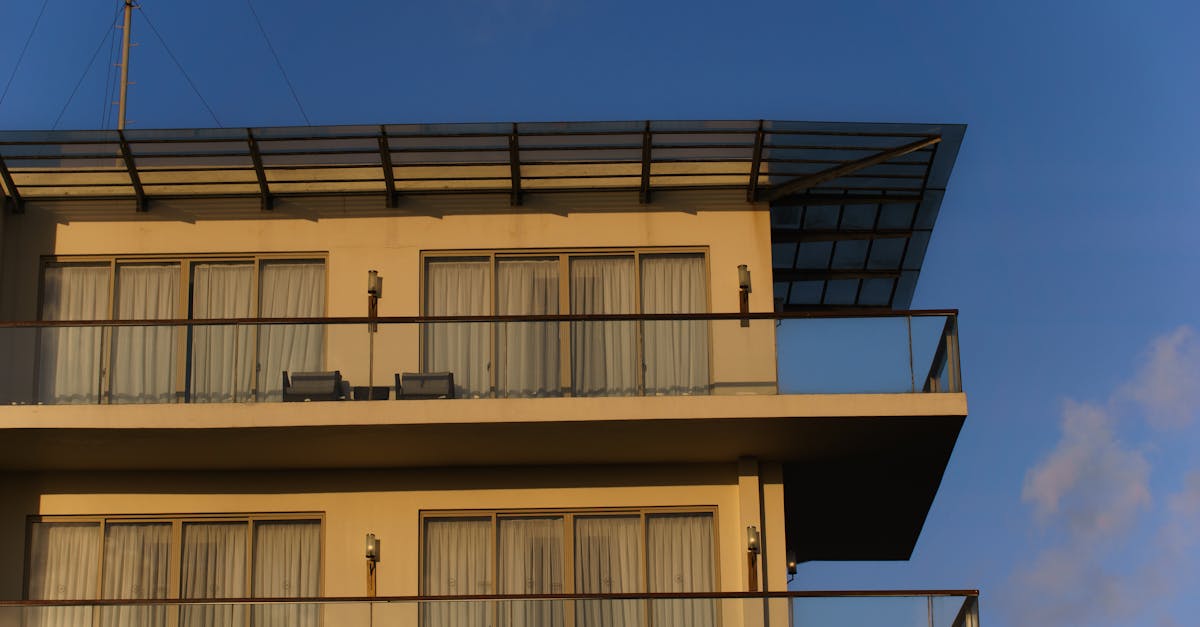
Bodrum Town is the correct base for first-time visitors who want the full Bodrum experience — the castle, the bazaar, the marina, the fish market, the intellectual café culture that distinguishes this town from a generic beach resort. The area immediately behind the bazaar and the streets climbing toward the amphitheatre are the most atmospheric residential districts, with a mix of traditional whitewashed stone houses and boutique accommodation. Central Bodrum is loud at night in peak season — the bar street (Bar Sokak) runs until 4am in summer. If noise is an issue, choose accommodation on the quieter northern or western edges of the town centre.
Gümbet, 3 kilometres west of central Bodrum on a gentle bay, is the budget traveller's base: the widest selection of affordable pansiyons and small hotels at 30–50% below central Bodrum prices, a long flat beach with more free public sand than the town beaches, and a dolmuş connection to the castle and bazaar that takes 10–15 minutes. The atmosphere is more package-holiday and less characterful than central Bodrum — the architecture is functional rather than beautiful — but the savings over a week are substantial and the beach is genuinely good.
Türkbükü, on the northern peninsula (45 minutes from central Bodrum by dolmuş), is Bodrum's upscale resort area — the Turkish Riviera equivalent of Saint-Tropez, where celebrity residents, Istanbul's fashion industry, and the internationally wealthy assemble each August. The bay is sheltered and beautiful; the accommodation starts at TRY 3,000–5,000 per night for basic doubles in peak season. Türkbükü is not a first-timer budget base; it is a day-trip destination from Bodrum town, reaching it by dolmuş in the morning, swimming from the beach, eating at one of the fish restaurants (expensive but excellent), and returning by afternoon dolmuş.
Local Culture & Etiquette
Bodrum has a cultural duality that makes it unlike any other Turkish resort. The town has been an intellectual and artistic centre since the mid-20th century — the Fisherman of Halicarnassus attracted a circle of writers, painters, and bohemian figures that established a tradition of literary culture that persists in the many independent bookshops, photography galleries, and arts festivals that continue today. Simultaneously, Bodrum hosts Turkey's most cosmopolitan party scene, with beach clubs and bars that attract an Istanbul-based social scene that is as secular, fashion-conscious, and expensive as anything in Europe. Both versions are authentically Bodrum.

The bazaar culture requires specific navigation skills. Bodrum's covered bazaar is a genuine working market — silversmiths, spice vendors, and leather workshops alongside the tourist souvenir shops. Prices are negotiable at souvenir stalls, leather goods, and silver jewellery. The accepted practice is to examine items, ask the price, and offer 20–30% below — the vendor will counter, you will meet in the middle, and both parties leave without awkwardness. Do not negotiate extensively, agree on a price, and then decline to buy: this wastes the vendor's time and creates genuine offence. Only negotiate if you intend to purchase at a mutually agreeable price.
Bodrum is one of the most socially liberal places in Turkey — the interaction between tourists and locals is relaxed, alcohol is widely available, beachwear is entirely normal on the waterfront and beach areas, and the town has a long history of welcoming visitors of all backgrounds. The cultural caveats that apply more strictly in central Anatolia — conservative dress away from tourist areas, careful navigation of religious sensitivities — are less pressing here. That said, the villages of the Bodrum peninsula's interior remain traditionally observant: covered shoulders when visiting the mosque in Bitez or entering the mosque courtyard in Ortakent is courteous and expected.
Turkish hospitality conventions apply here as everywhere: accepting a glass of çay (tea) from a shop owner or restaurateur creates no obligation to purchase; declining repeatedly is rude by local standards; and offering payment for the tea is an insult. The correct response to offered çay is to sit, drink, enjoy a few minutes of conversation, and depart gracefully whether or not a purchase occurs. This social form is genuine, not a sales technique, and visitors who engage with it rather than evading it find it one of the most enjoyable cultural textures of Turkish travel.
Tipping at restaurants is appreciated but not obligatory — 10% on the bill is standard and generous. Many restaurants add a servis ücreti (service charge) automatically to tourist-facing bills; check before tipping additionally. At bars and beach clubs, round up to the nearest TRY 50 on drinks tabs. Dolmuş drivers do not receive tips. Hotel staff who assist with luggage, local guides, and boat crews on gulet charters appreciate TRY 100–200 at the end of service.
Common Mistakes to Avoid
Visiting in July or August without a full advance booking. Bodrum in peak summer is one of the most expensive destinations in Turkey — accommodation prices are 40–60% above shoulder-season rates, beach clubs require minimum spends of TRY 1,000–2,000, and the marina waterfront restaurants can charge TRY 800–1,500 per person for dinner. More practically, quality accommodation is fully booked by May for July and August arrivals. Arriving in peak summer without a confirmed booking risks either sleeping in Gümbet's remaining rooms at inflated prices or making a 3-hour journey back to Izmir. Book everything 8–10 weeks ahead for July–August travel.
Paying for a private gulet charter as a couple. A private wooden gulet comfortably holds 8–12 people; chartered for two, the per-person cost for a 4-night cruise reaches USD 1,500–2,500 — genuinely expensive and wasteful. The correct option for couples and solo travellers is the group gulet booking, where you purchase individual berths on a shared-vessel departure at USD 400–600 per person including all meals. The group departure boats mix independent travellers and have a social atmosphere that the private charter cannot replicate. Request boats with a maximum of 12–14 passengers to ensure a quality experience; avoid the "flotilla" group tours with 20+ people across multiple vessels.
Missing the Bodrum Castle Museum by assuming it is just another castle. First-time visitors to Bodrum frequently walk past the castle, take photos from the waterfront, and move on without entering. The Museum of Underwater Archaeology inside the castle contains the only display in the world dedicated entirely to ancient shipwrecks and their cargo — the Uluburun Bronze Age vessel, the Glass Wreck from the 11th century, and the Cape Gelidonya shipwreck are all represented with extraordinary artefacts. Budget 3–4 hours, go on a weekday morning, and do not leave Bodrum without seeing it.
Drinking at the Bar Sokak strip without a budget plan. Bodrum's famous bar street (Bar Sokak) concentrates a dozen loud, tourist-oriented bars within 200 metres of each other. Cocktail prices here start at TRY 200–350; cover charges of TRY 100–200 apply at some venues on busy nights. A night on Bar Sokak for two people consuming moderately costs TRY 1,000–1,800. This is fine once as an experience; as a daily activity it is a quick way to exhaust a travel budget. The alternative — drinking Turkish wine or raki at a waterfront lokanta for TRY 100–150 per bottle — is both cheaper and more culturally authentic.
Underestimating the distance between peninsula destinations. The map of the Bodrum peninsula looks compact; the reality of getting from central Bodrum to Yalıkavak on the northwest coast involves 40 kilometres of peninsula road and takes 40–60 minutes by dolmuş. Planning to visit Türkbükü in the morning, Gümüşlük at noon, and return to Bodrum town for an evening castle visit requires 2.5–3 hours of transit. Build realistic transport time into multi-destination day plans.
Booking beach club days without checking the minimum spend policy. The major beach clubs on the Bodrum peninsula — Salmakis, Kuum, and the Türkbükü operations — operate minimum spend policies of TRY 1,500–3,000 per person per day in peak season, which must be consumed in food and drink from the club menu. These policies are not always clearly stated on websites and can be a significant budget shock on arrival. Confirm the minimum spend policy by direct message or phone before booking any beach club day.
Ignoring the early-morning fishing village version of Bodrum. The Bodrum waterfront before 8am — the fishermen returning to the small boat harbour on the eastern side of the castle, the fish market operating from carts on the wharf, the cafés serving the morning catch before the tourist restaurants open — is qualitatively different from the midday tourist experience. This early-morning fishing town atmosphere is the version that the Fisherman of Halicarnassus wrote about, and it disappears completely by 10am when the cruise passengers arrive. Set an alarm once, walk to the eastern harbour by 7am, and watch the morning catch being sorted and sold. It costs nothing and reveals the authentic Bodrum that exists beneath the resort surface.


