
Accra is one of West Africa's most accessible capitals for first-time visitors — English is the official language, the people are famously welcoming, and the city's tourism infrastructure has matured significantly over the past decade. That said, this is still West Africa, and travelers who arrive with East African or Southeast Asian assumptions tend to stumble in the first few days. Accra has its own logic, its own pace, and a few non-negotiable health and safety realities that deserve respect.
This guide covers the practical essentials for a first trip: what to do before you fly, how to navigate the airport, where to base yourself, and the cultural codes that smooth interactions. Get these right and Accra opens up generously. Get them wrong and the city can feel harder than it needs to be. The goal is not to manage Accra — it is to meet it on terms that work for both of you.
Before You Arrive
Visa: Most nationalities need a visa to enter Ghana, and you should arrange this before you fly. The Ghana Immigration Service offers an e-visa system that costs USD 60-100 depending on your nationality and processing speed. Apply at least two weeks before your trip through the official portal. Some travelers report visa-on-arrival being granted at Kotoka, but this is not guaranteed and not worth the gamble — being denied entry is a real possibility. Avoid third-party visa agents charging USD 200+, which are often either scams or simply middlemen overcharging for the same e-visa form.

Yellow fever vaccination is mandatory. You will be denied entry without a valid yellow fever certificate, full stop. Get vaccinated at least ten days before travel — the certificate is valid for life. Carry the yellow card with your passport.
Malaria is real in Accra. This is the single most-ignored health risk for first-time visitors. Take antimalarial prophylaxis (atovaquone-proguanil, doxycycline, or mefloquine — consult a travel doctor 4-6 weeks before departure). Pack DEET-based insect repellent and use it religiously between dusk and dawn. Sleep under a mosquito net if your accommodation provides one. The disease can be deadly, and most visitor cases come from travelers who skipped prophylaxis because "Accra is the city, it'll be fine." It is not fine.
Currency: Ghana uses the Ghanaian cedi (GHS), and the cedi has been volatile against the dollar for years. Check current rates close to your departure. ATMs at the airport and major banks dispense cedis with international cards — withdrawals work best with Stanbic, Ecobank, and Standard Chartered. Bring USD or EUR cash as backup; some hotels and tour operators prefer hard currency for large transactions.
Vaccinations beyond yellow fever: Hepatitis A, typhoid, and tetanus boosters are standard recommendations. Consider rabies pre-exposure if you plan to travel rurally. Pack a small medical kit with rehydration salts, anti-diarrheals, and any prescription medications in original packaging.
Travel insurance is non-negotiable. Medical evacuation from Accra to Europe costs USD 50,000+ if needed, and the local hospitals, while improving, are not at the standard most travelers expect. World Nomads, SafetyWing, and IMG Global all cover Ghana adequately.
Getting from the Airport
Kotoka International Airport (ACC) sits about 10 km from central Accra and the airport-to-city transfer is one of the smoother experiences in West Africa, provided you stick to known options. Terminal 3 is modern and efficient, immigration is straightforward, and SIM card vendors and ATMs are inside the arrivals hall.

Bolt and Uber both operate at Kotoka. Walk past the terminal taxi touts to the designated rideshare pickup area (signposted, usually 50 meters from the main exit). A ride to Osu, Cantonments, or Airport Residential runs GHS 50-90, to East Legon GHS 70-120, depending on traffic and time of day. This is the easiest and safest option for first-timers — you have a record of the trip, the price is fixed in-app, and there is no negotiation.
Airport taxis at the official rank run GHS 80-150 to most central neighborhoods. Negotiate the price before getting in and confirm it covers all passengers and luggage. Drivers occasionally try to add fees on arrival — agree the full price upfront.
Pre-arranged hotel transfers are worth it for late arrivals (after 10 PM) or if it is your first trip to West Africa. Most mid-range hotels and Airbnbs will arrange a driver for GHS 100-180 — confirm by email before flying. The driver waits with a name placard at the arrivals exit.
Avoid unmarked taxis and anyone who approaches you inside the terminal offering rides. Walk out, head to the official taxi rank or the rideshare zone, and stick to those.
Getting Around the City
Accra's transport ecosystem rewards visitors who match the right mode to the right situation. For first-timers, Bolt and Uber are the easiest default — both apps work reliably, drivers are generally professional, and rides across central Accra run GHS 25-60. Use in-app payment to avoid cash disputes, and always check the license plate matches the app before getting in. Surge pricing kicks in during rush hour (7-9 AM and 5-7 PM) and on Friday and Saturday nights.

Tro-tros are the local minibuses that handle the bulk of Accra's commuting. Fares run GHS 3-8 per ride. They are crowded, hot, and disorienting if you do not know the routes — but they are also one of the most authentic ways to experience the city. Try one or two rides between major hubs (Circle, Kaneshie, 37) once you have your bearings. Ask the mate where the tro-tro is going before you board.
Shared taxis sit between tro-tros and Uber in cost and comfort — GHS 5-15 per seat for set routes. Faster than tro-tros, less private than Uber.
Walking is fine in Osu, Cantonments, and Airport Residential during daylight, less advisable after dark. Sidewalks are inconsistent and storm drains are a real tripping hazard at night.
Renting a car is not recommended for first-time visitors. Traffic is chaotic, road conditions vary wildly, and accidents are common. Hire a driver instead — full-day driver rates run GHS 400-700 plus fuel.
Where to Base Yourself
Where you stay shapes your Accra experience more than any other single decision. The city sprawls, traffic is heavy at peak hours, and a poorly chosen base can cost you 90 minutes a day in commute time. Four neighborhoods stand out for first-time visitors.

Osu is the default tourist base for good reason. Oxford Street runs the length of the neighborhood with restaurants, bars, banks, and shops, and most attractions are 15-25 minutes by Uber. Mid-range hotels run GHS 600-1,200 per night, guesthouses GHS 250-450, and short-term apartments GHS 400-900. The trade-off is noise — Osu does not sleep early, and the strip can be loud until 2 AM. Choose accommodation a few streets back from Oxford Street if you want to actually sleep.
Cantonments is the leafy diplomatic neighborhood — quieter, safer-feeling, with embassies and upscale residential streets. Hotels run GHS 800-1,800 per night, with Villa Monticello and Movenpick at the higher end. Good for travelers who want calm but still want easy Uber access to the city center. Less restaurant variety than Osu.
East Legon sits further from downtown but offers the newest hotels, best restaurants, and growing nightlife scene. Rates range from GHS 450 (guesthouses) to GHS 2,000+ (boutique hotels). Uber to Osu or Jamestown runs 25-40 minutes depending on traffic.
Airport Residential is convenient if you have early flights or short layovers. Hotels GHS 700-1,500. Limited dining options — most travelers Uber to Osu or East Legon for meals.
Local Culture & Etiquette
Ghanaians are famously warm, and the social codes of Accra reward visitors who slow down and engage. A few practices smooth interactions and signal genuine respect.
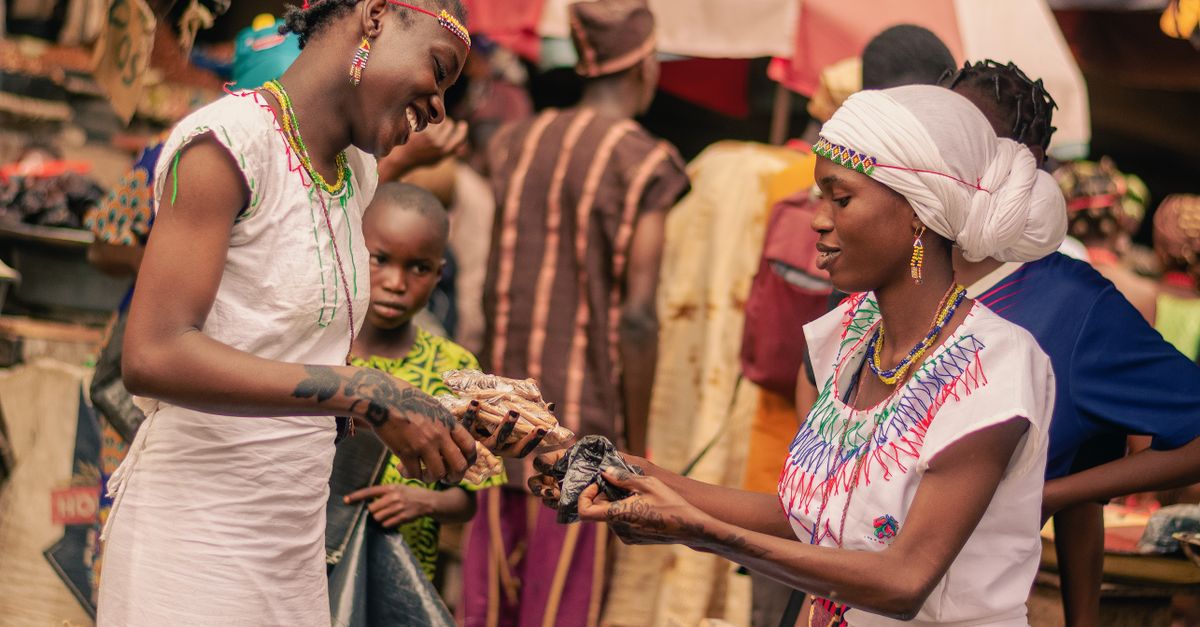
Greetings matter. Always greet before asking a question or making a request — "Good morning, how are you?" before "How much is this?" Skipping the greeting reads as rude in a way that few cultures match. The handshake is firm and held longer than Western norms; in some contexts a finger snap follows the release.
Use your right hand. Eating, giving, receiving, pointing — the right hand is for all of these. The left hand is considered unclean. If you are left-handed and pass something with your left, a quick apology smooths it over.
Dress modestly. Ghana is more conservative than visitors expect, particularly outside Osu's nightlife strip. Shorts and tank tops are fine on the beach, less so in markets, churches, and government buildings. Women should bring a light scarf for shoulders.
Photography requires permission. Ask before photographing people, particularly in markets, religious settings, and rural areas. A small tip (GHS 5-20) is sometimes expected. Photographing government buildings, military installations, and the airport is illegal — your phone can be confiscated.
Pace yourself. Ghanaian time runs slower than the schedules visitors arrive with. Meetings start late, deliveries take longer, and rushing tends to backfire. Bring a book, build buffer time into your day, and let the rhythm of the city set the tempo.
Tipping is appreciated but not strictly expected. 10% at restaurants if service was good, GHS 10-30 for hotel staff, GHS 20-50 for guides. Round up taxi fares.
Religion is central to public life. Sundays bring church services that block traffic and quiet the city. Be respectful around religious gatherings — both Christian and Muslim communities are visible and active in Accra.
Common Mistakes to Avoid
1. Drinking tap water or ice from unverified sources. This is the single most common cause of illness for first-time visitors. Stick to sealed bottled water or sachet water (pure water sold in plastic sleeves for GHS 0.50-1). Brush your teeth with bottled water for the first few days. Be cautious with ice in drinks at smaller establishments — at upscale hotels and restaurants it is generally fine, but better safe than spending three days in your room.
2. Skipping malaria prophylaxis. "It's just the city" is the famous last words. Accra has malaria cases year-round. Take your medication on the prescribed schedule, before, during, and after the trip.
3. Carrying large amounts of cash. Accra is generally safer than its reputation suggests, but petty theft does happen, particularly in crowded markets and on tro-tros. Carry the cash you need for the day and leave the rest in your accommodation safe.
4. Booking accommodation in the wrong neighborhood. Choosing a "great deal" in an outlying area like Madina or Achimota can mean two-hour daily commutes. Stay in Osu, Cantonments, East Legon, or Airport Residential for your first trip.
5. Underestimating traffic. Accra traffic is brutal between 7-9 AM and 4-7 PM. A 6 km journey can take 90 minutes. Plan accordingly — never schedule airport runs without a 90-minute buffer.
6. Negotiating poorly or not at all. Markets, taxis, and craft stalls expect negotiation. Paying the first quoted price marks you as a soft target and inflates prices for everyone after. Counter at 40-60% of the opening offer with a smile.
7. Ignoring currency volatility. The cedi has been losing ground against the dollar for years. If your trip is more than two weeks, exchange or withdraw money in tranches rather than all at once — rates can shift 5-10% in a fortnight.


