Abu Dhabi First-Timer Guide: Arrival, Transport & Cultural Tips
Abu Dhabi is one of the easiest cities in the Middle East for first-time visitors. It's safe, clean, well-organized, and English-speaking. But a few cultural nuances and logistical details can trip up newcomers — mosque dress codes, alcohol laws, Ramadan etiquette, and a public transport system that's excellent once you understand it.
This guide covers everything you need to know before your first visit to the UAE capital.

Getting to the City
From Zayed International Airport (AUH)
Abu Dhabi's airport is on the mainland, approximately 30 km from the city center. The new Midfield Terminal (opened 2023) handles most international flights. Three transport options connect the airport to downtown.
Taxi: metered, available 24/7 at the arrivals exit. AED 6 flag fall from the airport, then AED 1.82/km. Total to central Abu Dhabi: AED 65-85. Journey time: 25-40 minutes depending on traffic. Clean, air-conditioned, and reliable — the simplest option.
Bus: Route A1 connects the airport to Abu Dhabi Central Bus Station. Fare AED 4 with Hafilat card, AED 5 cash. Runs every 30-40 minutes from 5:30 AM to midnight. Journey time: 45-60 minutes. The bus stops near most downtown hotels.
Ride-hailing: Careem and Uber operate from the airport. Prices are similar to or slightly below metered taxis. Upfront pricing removes meter anxiety. Download both apps before arrival.
From Dubai
Many travelers fly into Dubai and transit to Abu Dhabi. Bus E101 from Dubai's Ibn Battuta station to Abu Dhabi Central Bus Station costs AED 25 and takes 2 hours. Runs every 20-30 minutes. Alternatively, taxi costs AED 250-350 one way (1.5 hours via E11 highway).
Getting Around Abu Dhabi
Public Buses
Abu Dhabi's Darb bus network is clean, air-conditioned, and covers most tourist areas. Routes connect downtown to Yas Island, Saadiyat Island, Mina Zayed, and the Corniche. Google Maps shows real-time bus schedules and stops. Buses run from approximately 5:30 AM to 11:30 PM, with reduced weekend schedules.
Key routes for tourists: A1 (airport to city), 190 (downtown to Yas Island), 94 (Saadiyat Island loop). Bus stops have shelters with air conditioning — essential during summer months.
Taxis
Metered and honest. Flag fall AED 5 (AED 6 from airport), AED 1.82/km. Minimum fare AED 12. Late-night surcharge (midnight to 6 AM) adds AED 1.50 to flag fall. All taxis accept cards and cash. Drivers speak basic English. For addresses, show your hotel on Google Maps — it's easier than explaining street names.
Walking & Cycling
The Corniche is fully walkable with shaded sections. The Careem Bike network has docking stations along the Corniche and in key areas — AED 20 per hour, AED 50 for a day pass. From October to April, walking between downtown attractions is pleasant. From May to September, limit outdoor walking to early morning and evening — midday temperatures hit 45°C+.
Sheikh Zayed Mosque: What You Need to Know
The mosque is Abu Dhabi's number-one attraction and the one place where dress code is non-negotiable. Here's the detail that matters.
Dress Code
Men: long trousers (no shorts), shirts that cover shoulders. Women: loose-fitting clothing covering arms and legs, headscarf covering hair. Tight or transparent clothing is not permitted. Free abayas and sheila (head coverings) are available at the entrance — no need to buy your own unless you want a souvenir.
Shoes are removed before entering prayer halls but kept on in courtyards. Socks are provided if you're barefoot. The marble floors get extremely hot in summer — socks are practical as well as required.
Photography
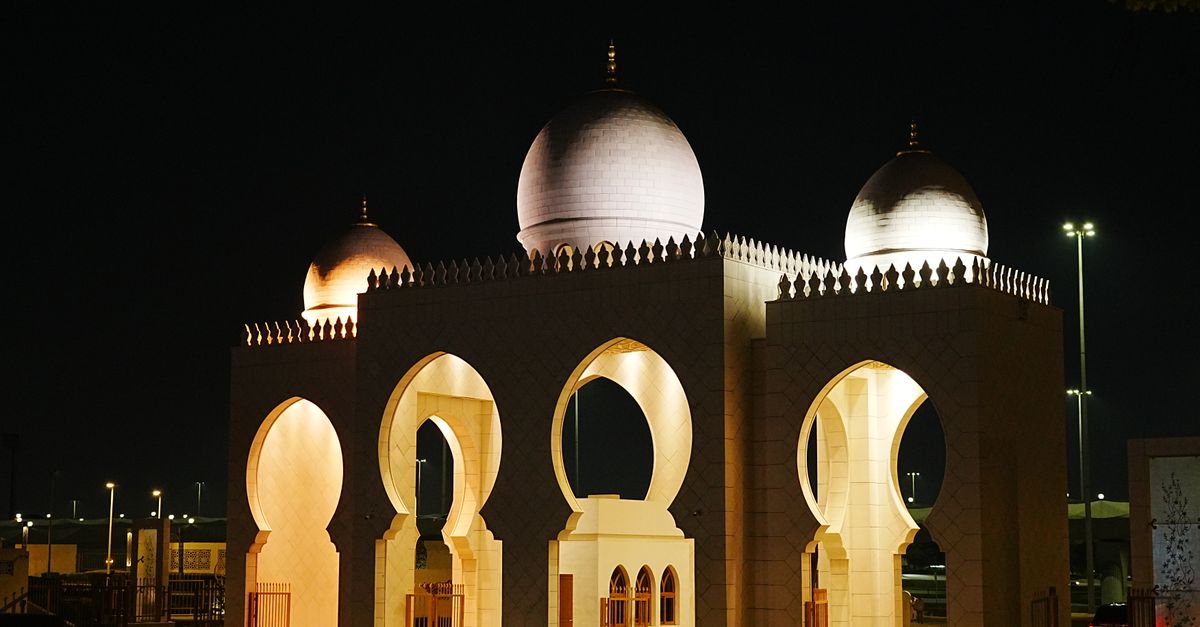
Permitted throughout the mosque complex except during prayer times in the main prayer hall. Tripods are allowed. The most photographed angle is from the reflecting pools on the north side. Professional photography and commercial shoots require a permit.

Cultural Rules & Etiquette
Alcohol
Alcohol is legal in Abu Dhabi but regulated. It's served at licensed venues — primarily hotels, bars, and restaurants with liquor licenses. You cannot drink in public spaces, on beaches, or in parks. Drinking and driving is zero tolerance — any alcohol in your system means arrest. Alcohol is available at select stores (African + Eastern, MMI) with an alcohol license, though enforcement has relaxed for tourists.
Public Behavior
Public displays of affection beyond hand-holding are frowned upon and technically illegal. Dress modestly in public — swimwear is for beaches and pools only. Photographing people (especially women) without permission is offensive and can result in complaints. Swearing in public is a fineable offense.
These rules sound strict but enforcement is light for respectful tourists. Common sense and basic courtesy cover 99% of situations. Abu Dhabi is genuinely welcoming to visitors — the regulations exist to maintain public comfort, not to intimidate.
Ramadan
During the holy month of Ramadan (dates shift annually based on the lunar calendar), eating, drinking, smoking, and chewing gum in public during daylight hours is prohibited — this applies to non-Muslims too. Restaurants either close during the day or serve behind screens. Many hotels serve meals in private areas for non-fasting guests.
After sunset, the city transforms. Iftar (breaking fast) meals are served at virtually every restaurant, often as lavish buffets (AED 150-250 at hotels). The atmosphere is festive and communal. If you're visiting during Ramadan, embrace the iftar culture — it's an extraordinary cultural experience.
Weather & Packing
October to April
The comfortable season. Daytime: 20-30°C, evenings: 15-20°C. Light layers for air-conditioned interiors (malls and museums are cold). Sunscreen, sunglasses, and a hat for outdoor sightseeing. A light jacket for desert evenings — temperatures drop significantly after sunset.
May to September
Extreme heat: 40-48°C with high humidity. Outdoor activities are limited to early morning (before 9 AM) and evening (after 6 PM). Indoor attractions are fully comfortable. Carry water at all times. Heat exhaustion is a real risk — hydrate aggressively and recognize symptoms (dizziness, nausea, rapid pulse).
Practical Essentials
| Essential | Details |
|---|---|
| Currency | UAE Dirham (AED). 1 USD = ~3.67 AED (fixed peg). Cards accepted widely. |
| SIM Card | Etisalat or du tourist SIM: AED 55-75 at airport or shops. Includes data. |
| Power | UK-style 3-pin plugs (Type G). Bring an adapter. |
| Tipping | Not expected but appreciated. 10% at sit-down restaurants. AED 5-10 for taxi. |
| Emergency | Police: 999. Ambulance: 998. Tourist police are helpful and English-speaking. |
| Visa | Most nationalities get visa on arrival (30-90 days). Check before travel. |

First Day Checklist
Arrive, get a Hafilat card at the airport or bus station. Check into your hotel. Buy a local SIM if needed. Visit Sheikh Zayed Mosque (arrive 90 minutes before sunset for the day-to-night light transition). Walk the Corniche. Eat shawarma at a Hamdan Street cafeteria. Day one is done, and Abu Dhabi already feels familiar.
Abu Dhabi is a city that runs like clockwork. The infrastructure is immaculate, English is spoken everywhere, and the locals are genuinely hospitable. Your biggest challenge won't be navigating the culture — it'll be deciding how to fill your days when everything looks this good.
Follow our 3-day Abu Dhabi itinerary for a structured plan, or check the budget guide for detailed spending advice.