
Doha has transformed from a sleepy pearl-diving port into a futuristic Gulf capital — home to the world-class Museum of Islamic Art, the restored Souq Waqif, and a skyline of ambitious architecture. Three days reveals a city that takes its culture seriously despite (or perhaps because of) its rapid development. The 2022 World Cup infrastructure — stadiums, metro, hotels — has made the city far more accessible to visitors.

Museum of Islamic Art, Souq Waqif & Corniche
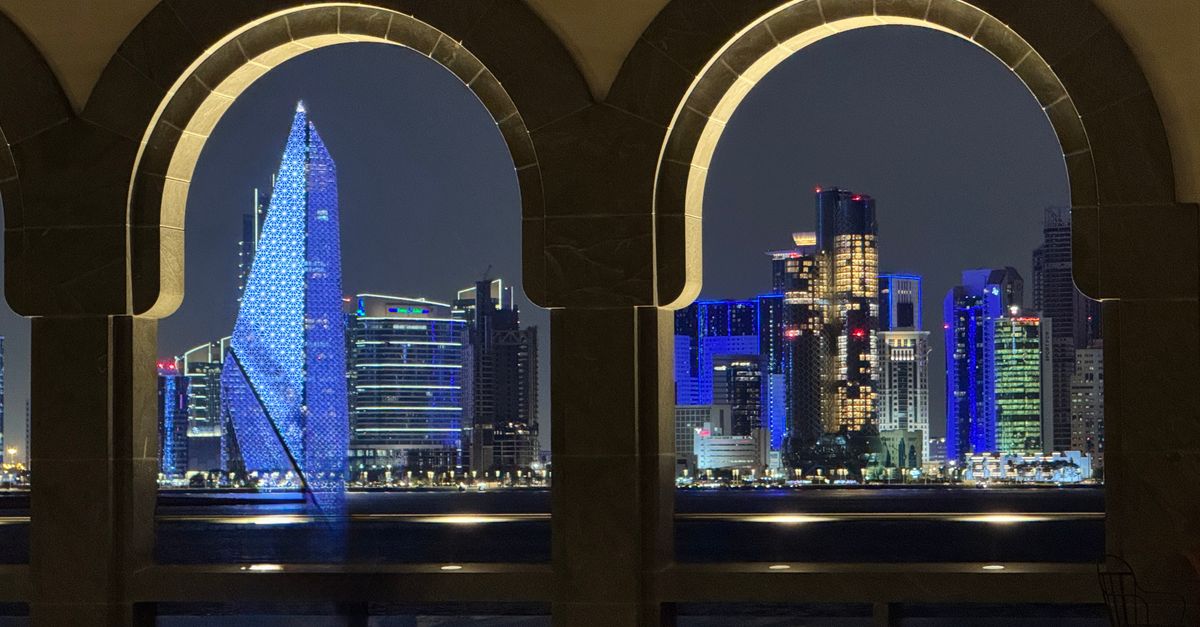
Morning — Museum of Islamic Art: I.M. Pei's masterpiece (free entry) on a purpose-built island houses 1,400 years of Islamic art — from Fatimid ceramics to Mughal jewelry to Ottoman textiles. The building's geometric form and harbor views are as impressive as the collection. Allow 2-3 hours. The museum park has stunning skyline views.
Midday — Souq Waqif: Doha's restored traditional market (free) has been trading since the early 1900s. Navigate the labyrinthine lanes of spice shops, falcon sellers (Qatar's national bird), traditional garment stores, and art galleries. The architecture is deliberately rustic — stone, wood, and bamboo, contrasting with the glass skyline behind.
Afternoon — Al Corniche: Walk the 7-kilometer waterfront promenade from the Museum of Islamic Art to the West Bay skyline. The dhow harbor has traditional boats offering 1-hour cruises (QAR 80-150) with skyline views. The best views are from the dhow at sunset.
Evening — Souq Waqif Dinner: The souq's restaurants serve Lebanese, Qatari, and Iranian cuisine. Damasca One for Syrian food (QAR 30-60), Bandar Aden for Yemeni (QAR 25-50), and Al Shurfa for rooftop Arabic dining (QAR 40-80). The atmosphere after dark — lanterns, shisha smoke, falcon shops — is uniquely Arabian.
Desert Safari & Cultural Quarter
Morning-Afternoon — Desert Safari: Half-day desert excursions (QAR 200-400/person) include dune bashing in 4WDs, camel riding, sandboarding, and visiting the Inland Sea (Khor Al Adaid) — a UNESCO site where the desert meets the sea at the Saudi border. Full-day trips include lunch. Book through hotels or agencies — avoid the cheapest operators.
Evening — Katara Cultural Village: This purpose-built cultural district (free to walk around) has galleries, an amphitheater, a stunning mosque, and a beach. The photography galleries and occasional live performances are worth checking. Dinner at Sukar Pasha for Turkish with sea views (QAR 50-90) or Yasmine Palace for lavish Lebanese (QAR 60-120).
National Museum, Pearl & Departure
Morning — National Museum of Qatar: Jean Nouvel's stunning "desert rose" building (QAR 50) tells Qatar's story from geological formation to modern state through immersive galleries. The architecture alone justifies the visit. The 1.5-kilometer gallery sequence is the world's most ambitious museum experience. Allow 2-3 hours.
Midday — The Pearl-Qatar: This artificial island development has Riviera-style architecture, marinas, luxury shopping, and waterfront dining. It's Dubai-lite — less overwhelming, more walkable. Lunch at one of the Porto Arabia restaurants (QAR 40-100). The Venetian-style canals are photogenic.
Afternoon — Msheireb Downtown: Qatar's newest heritage district — historic Qatari houses restored as museums (Msheireb Museums, QAR 50 combined). Four renovated buildings tell stories of slavery, oil, and Qatari domestic life. The surrounding streets have Doha's most interesting contemporary architecture.
Local Culture & Etiquette in Doha
Qatar is one of the most socially conservative countries in the Gulf — and simultaneously one of the most outwardly welcoming to visitors. The key is understanding which contexts carry genuine weight and which are flexible. Getting this calibration right means you will move through Doha with ease rather than anxiety.
Dress is the most immediately visible marker. In the Souq Waqif and the mosque districts, covering shoulders and knees is genuinely expected and enforced — not aggressively, but you will be turned away from certain establishments without a cover-up. At The Pearl-Qatar, City Center Mall, and most hotel precincts, the standard is noticeably more relaxed. Carry a lightweight shawl or long-sleeved layer to move between contexts without planning around them. Swimwear stays at the pool and beach — it is not appropriate in any public commercial space.
During Ramadan — which falls in a different Gregorian month each year due to the Islamic lunar calendar — eating, drinking, and smoking in public spaces during daylight hours is illegal, not merely discouraged. This applies to non-Muslims. Restaurants that serve non-Muslims during Ramadan days operate behind covered windows or in hotel settings. After iftar (the sunset meal), Doha erupts in social energy that is extraordinary to witness: families fill the Souq Waqif until 2 AM, street stalls appear everywhere, and the city shifts to a fundamentally different rhythm. Visiting during Ramadan is not a hardship — it is a genuinely different experience.
Photography requires judgment. Photographing Qatari nationals — particularly women — without permission is deeply offensive and potentially illegal. The Souq Waqif is tolerant of general market photography but pointed telephoto shots of faces are not welcome. Government buildings, military installations, and the Amiri Diwan (the royal palace area) must not be photographed. The Museum of Islamic Art and Katara Cultural Village are photo-friendly and provide excellent material without any of these concerns.
Public displays of affection between couples — including hand-holding between unmarried couples — are technically illegal and socially unwelcome in conservative spaces. Hotel lobbies, malls, and The Pearl operate with significantly more tolerance. Same-sex relationships are illegal in Qatar; LGBTQ+ travelers should exercise discretion throughout.
Qatar is genuinely generous in its hospitality. If invited into a Qatari home or a traditional meeting (majlis), remove shoes at the door, accept the first round of qahwa (cardamom-spiced Arabic coffee) with your right hand, and signal you have had enough by gently rotating your cup. Refusing food or drink entirely can be read as offense; accepting and eating a little communicates respect. Punctuality is less critical than in Northern European business culture — arriving 15-30 minutes after the stated time is the practical norm in social settings.
Practical Tips
Qatar punches above its weight culturally — the museums (MIA, National Museum) are world-class, and the restored Souq Waqif provides genuine Arabian atmosphere. The Qatari riyal (QAR) is pegged to the US dollar (1 USD = 3.65 QAR). Budget QAR 300-600/day for mid-range travel. The 2022 World Cup infrastructure upgraded hotels, transport, and tourist facilities significantly.
Alcohol in Qatar is available only at licensed hotel bars and restaurants — not at shops, supermarkets, or non-licensed establishments. Importing alcohol is prohibited. Public intoxication is illegal. This is not a dry country in practice (hotel bars are abundant) but be aware of the restrictions. During Ramadan, eating, drinking, and smoking in public during daylight hours is illegal — restaurant hours change dramatically.
The Doha Metro (3 lines, QAR 2-6/ride) opened in 2019 and is modern, clean, and efficient. Buy a Karwa smartcard at any station. Uber and Careem work well for taxis. The city is too spread out and too hot for comfortable walking except in the Souq Waqif area and along the Corniche. Qatar's extreme summer heat (June-September, 45°C+) makes outdoor activity dangerous — visit October-April for comfortable temperatures.
Best Times to Visit & Budgeting
Timing your visit matters enormously for both weather and crowds. Peak tourist seasons bring higher prices, sold-out accommodations, and crowded attractions. Shoulder seasons (the weeks just before and after peak) often deliver the best balance — good weather, manageable crowds, and reasonable prices. Off-season travel is the cheapest but check for monsoon rains, extreme heat, or seasonal closures.
Budget planning for three days should account for accommodation (30-40% of total), food (20-25%), transport (15-20%), activities and entrance fees (15-20%), and a contingency buffer (10%). The biggest savings come from choosing accommodations wisely — a well-located mid-range hotel that eliminates taxi costs can be cheaper than a budget hotel in a remote area plus daily transport.
Travel insurance is non-negotiable. A single hospital visit in most Asian countries costs more than a year of comprehensive travel insurance (0-80 for a 2-week trip). Ensure your policy covers emergency medical evacuation — this is the expensive scenario that justifies the premium. Download your policy documents to your phone for offline access.
Currency exchange tips: ATMs generally offer better rates than airport exchange counters. Withdraw larger amounts less frequently to minimize per-transaction fees. Carry some US dollars (0-100) as universal backup — they're accepted in emergencies across most of Asia. Notify your bank of travel plans to prevent card blocks. Use a travel-specific card (Wise, Revolut) for the best exchange rates and lowest fees.
Download essential apps before arriving: Google Maps (with offline maps for your destination), Google Translate (with offline language packs), the local ride-hailing app (Grab for Southeast Asia, DiDi for China, Uber/Ola for India), and your accommodation booking confirmation. A portable battery pack (10,000-20,000 mAh) keeps your phone alive through a full day of navigation, photography, and ride-hailing.


