Chiang Mai on a Budget: How to Spend ฿600-1,000 Per Day
Chiang Mai is the cheapest major city in Thailand for travelers. The combination of low accommodation costs, ฿40 khao soi, ฿30 songthaew rides, and dozens of free temples makes it possible to live well on ฿600-1,000 per day — roughly $17-28 USD.
This guide breaks down every expense category so you know exactly where your baht goes.
Accommodation: ฿200-500 Per Night
Chiang Mai's hostel scene is exceptional. Dorm beds in the Old City start at ฿150-250, with clean, air-conditioned rooms, free WiFi, and social common areas. Top budget picks include Stamps Backpackers and Hug Hostel, both inside the moat walls.
Private rooms at guesthouses run ฿400-600 for a double with air conditioning and private bathroom. During low season (June-September), prices drop 30-40%. Many guesthouses offer weekly rates with additional discounts — ask at reception if staying five nights or more.
Food: ฿120-250 Per Day
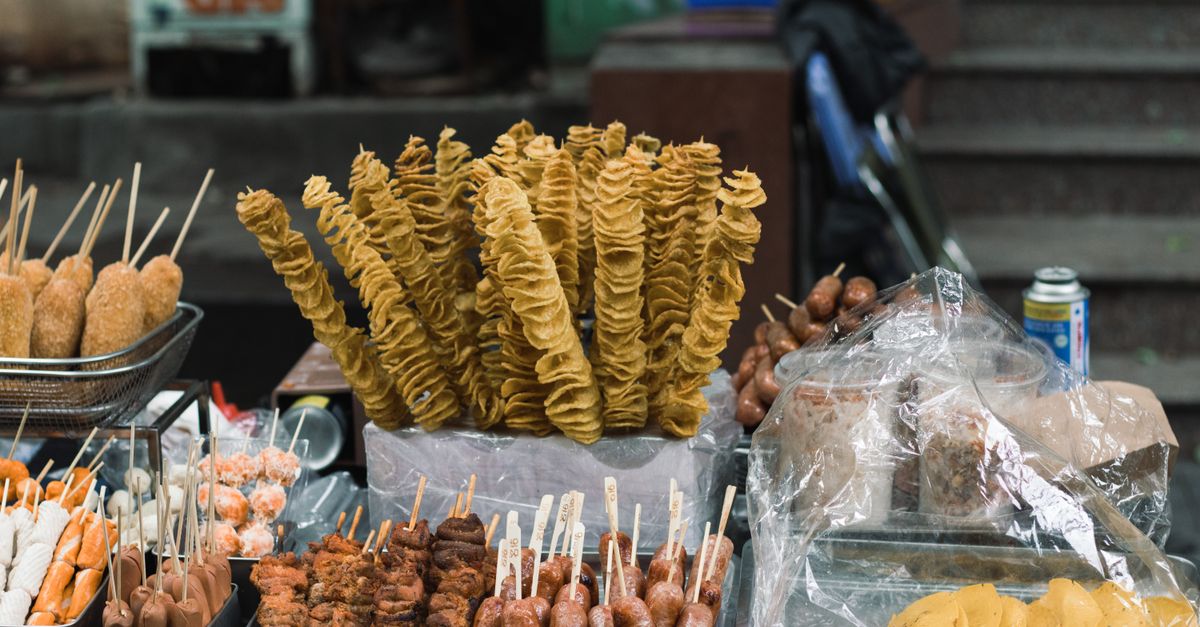
Chiang Mai street food prices are the lowest in Thailand. Here's what a typical budget food day costs:
| Meal | What to Eat | Cost (฿) |
|---|---|---|
| Breakfast | Jok (rice porridge) from street cart | 25-35 |
| Lunch | Khao soi at local shop | 40-50 |
| Snack | Fresh fruit + mango sticky rice | 30-50 |
| Dinner | Night market grazing (3-4 items) | 80-120 |
| Daily Total | 175-255 |
The cheapest meals are at the rice-and-curry shops in the Old City and around Warorot Market. Point at two or three pre-made dishes, get them over rice for ฿35-50. These shops cater to local workers and monks, so they open early (7 AM) and close by 2 PM.

7-Eleven hack: toasted sandwiches (฿25-35), onigiri rice balls (฿25), and microwave meals (฿35-50) make decent ultra-cheap options when you need a quick fill. Not glamorous, but the prices are fixed and the quality is consistent.
Transport: ฿30-100 Per Day
Walking covers most Old City needs. The moat walls form a square roughly 1.5 km on each side, so no temple or restaurant inside the Old City is more than a 20-minute walk from any other.
For trips outside the Old City, the red songthaew (shared pickup truck) system is your budget lifeline. These red trucks cruise the main roads constantly. Flag one down, tell the driver where you're going, and pay ฿30-40 when you arrive. They function as a hop-on, hop-off bus system and cover most of the city.
Grab works well in Chiang Mai, with rides typically costing ฿60-150 within the city. Use it for late-night returns or trips to specific addresses that songthaews don't pass. The Doi Suthep shared songthaew costs ฿60 per person from the Old City zoo entrance.
Activities: ฿0-300 Per Day
Chiang Mai's biggest budget advantage is its abundance of free and nearly-free activities. Over 30 temples inside the Old City charge no entry fee — only Wat Phra Singh (฿40) and a few others charge a nominal amount.
Free activities include walking the Old City walls, exploring Warorot Market, browsing the Sunday and Saturday Walking Street Markets (free entry, pay only for food), monk chat sessions at Wat Chedi Luang, and watching sunset from the east bank of the Mae Ping River.

Paid activities worth the splurge include a cooking class (฿800-1,000 including market tour and full meal), Doi Suthep temple visit (฿30 entry plus ฿60 songthaew), and a meditation session at various temples (฿100-300 donation).
What to Skip
Tiger Kingdom charges ฿800-1,300 to pose with sedated tigers. Skip it — the tigers are drugged, and the operation is widely condemned by animal welfare organizations.
Zipline adventure parks cost ฿2,000-3,500. They're fun but destroy a daily budget. If you want adventure, hike the Monk's Trail to Wat Pha Lat temple instead — it's free and far more rewarding.
Overpriced "authentic hill tribe village" tours (฿1,500-2,500) often take you to staged communities that exist solely for tourist visits. If you're genuinely interested in hill tribe culture, visit the Tribal Museum (฿100) in Ratchamangkhla Park for an honest, well-curated introduction.
Full Daily Budget Breakdown
| Category | Shoestring (฿) | Comfortable Budget (฿) |
|---|---|---|
| Accommodation | 150-250 (dorm) | 400-600 (private) |
| Food | 120-180 | 200-300 |
| Transport | 0-50 (walk/bike) | 60-150 |
| Activities | 0-50 | 100-200 |
| Miscellaneous | 30 | 50 |
| Daily Total | ฿300-560 | ฿810-1,300 |
Money Tips
Withdraw cash from ATMs at Bangkok Bank or Kasikorn Bank — they charge ฿220 per foreign transaction regardless of amount, so take out ฿10,000+ at once. Exchange booths on Loi Kroh Road offer better rates than the airport by 3-5%.
Cash is king in Chiang Mai. Street food, songthaews, markets, and most local restaurants are cash-only. Only hotels, Nimman's trendy cafes, and chain restaurants accept cards reliably.

Seasonal Savings
Peak season (November-February) has the best weather but highest prices. The sweet spot is October or early November when prices are still low-season but smoke haze from burning season has cleared. June through September is genuine low season — afternoon rain showers are common but mornings are clear, crowds are minimal, and guesthouse prices hit their lowest.
Avoid visiting during Songkran (mid-April) unless you enjoy water fights — accommodation prices triple and everything books out months ahead.
Free Entertainment
Chiang Mai's temple festivals are free public celebrations with music, food stalls, and cultural performances. Check locally for upcoming events — nearly every week features a festival at one temple or another during peak season. The Loy Krathong festival (November full moon) is particularly spectacular, with thousands of floating lanterns released into the sky from multiple locations across the city.
Live music at the Night Bazaar and Sunday Walking Street is free. Street performers, traditional Thai musicians, and local bands play nightly. Bring a mat, buy a ฿25 smoothie from a nearby vendor, and enjoy the show without spending a single baht on cover charges.
Explore Chiang Mai's cheapest eats Essential tips for first-time visitors Discover Chiang Mai's hidden gems