Buenos Aires — 3-Day Itinerary
3-Day Itinerary

Buenos Aires in 3 Days — The Perfect Itinerary

Buenos Aires is the most European city in South America — wide boulevards, Belle Epoque...

🌎 Buenos Aires, AR 📖 7 min read 📅 3-day trip 💰 Mid-range budget Updated Jul 2026

3-Day Buenos Aires Itinerary: Tango, Steak & South American Paris

Buenos Aires is the most European city in South America — wide boulevards, Belle Epoque architecture, cafe culture, and a population that considers a three-hour dinner a reasonable pace. But underneath the European veneer, Buenos Aires is fiercely Argentine: passionate about football, obsessed with meat, and dancing tango at 2 AM on a Tuesday.

Three days covers the essential neighborhoods from the colorful tenements of La Boca to the elegant avenues of Recoleta, with enough time for a proper asado, a tango show, and the riverside modernity of Puerto Madero.

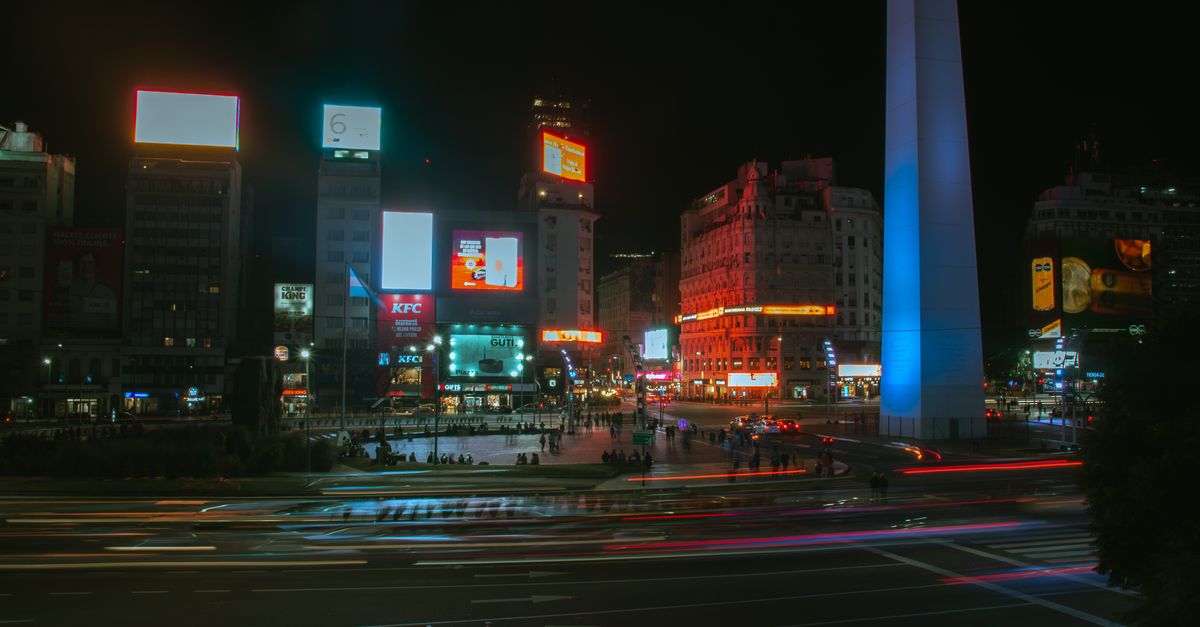
Buenos Aires wide boulevard with historic buildings and obelisk monument in the distance
Avenida 9 de Julio — the widest avenue in the world, with the Obelisco rising at its center. Buenos Aires announces itself with scale.
Day 1

San Telmo, La Boca & Plaza de Mayo

Morning: San Telmo (9:00 AM - 12:30 PM)

Start in San Telmo, Buenos Aires' oldest residential neighborhood. Colonial buildings line cobblestone streets, antique shops occupy every other storefront, and tango music drifts from open doorways. On Sundays, the Feria de San Telmo transforms Calle Defensa into a 10-block street market selling antiques, leather goods, and mate gourds.

Walk south along Defensa, stopping at Mercado de San Telmo — a 1897 iron-and-glass market building housing food stalls, antique dealers, and coffee roasters. Breakfast here: a medialuna (Argentine croissant) and cafe con leche at one of the counter bars costs ARS 3,000-5,000 ($3-5).

Afternoon: La Boca (1:00 PM - 4:00 PM)

La Boca is a 20-minute walk south from San Telmo. The famous Caminito — a short pedestrian street of brightly painted corrugated metal houses — is pure tourist spectacle, but it's worth seeing once. Tango dancers perform for tips, artists sell paintings, and the colors photograph brilliantly. Stay on the main tourist blocks — La Boca beyond Caminito is not a safe walking neighborhood.

La Bombonera, the legendary stadium of Boca Juniors football club, sits two blocks from Caminito. Stadium tours (ARS 8,000 / $8) include the museum and a walk through the stands. If you can score a match ticket (ARS 15,000-50,000 / $15-50 through official channels), a Boca Juniors home game is one of the most intense sporting experiences on Earth.

Lunch at El Obrero in La Boca — a legendary neighborhood restaurant with football memorabilia covering every surface. Bife de chorizo (sirloin steak) with fries and wine costs ARS 18,000-25,000 ($18-25). Cash only.

Evening: Plaza de Mayo & Microcentro (5:00 PM - 9:00 PM)

Head north to Plaza de Mayo, the political heart of Argentina. The Casa Rosada (Pink House) where presidents govern, the Cabildo (colonial town hall), and the Metropolitan Cathedral where Pope Francis served as Archbishop before the Vatican. Free guided tours of Casa Rosada run weekends (book online at casarosada.gob.ar).

Walk up pedestrian Calle Florida for shopping and street performers, then onto Avenida de Mayo toward Congress — this boulevard is lined with ornate theaters, cafes, and the Art Nouveau Palacio Barolo (tower tours ARS 6,000 / $6 with views across the city).

Dinner Timing: Argentines eat dinner late — restaurants rarely fill before 9:30 PM. Arriving at 8 PM means eating alone. The upside: you'll never feel rushed. A proper Argentine dinner lasts 2-3 hours minimum.
Day 2

Recoleta, Palermo & MALBA

Morning: Recoleta (9:00 AM - 12:30 PM)

Recoleta is Buenos Aires at its most Parisian — wide avenues, French-style mansions, manicured parks, and the Recoleta Cemetery (free entry), where Argentine presidents, Nobel laureates, and Eva Peron are buried in elaborate mausoleums. The cemetery is a city of the dead with 4,700 vaults arranged in streets and avenues — architecturally stunning and deeply atmospheric.

Find Eva Peron's tomb (look for the crowds and fresh flowers — always fresh flowers). The Duarte family vault is modest by cemetery standards, which somehow makes it more moving. Allow 1-2 hours to wander the marble avenues.

Ornate mausoleums and tombs in Recoleta Cemetery Buenos Aires with crosses and statues
Recoleta Cemetery — 4,700 mausoleums housing Argentina's most famous citizens, including Eva Peron. Free entry, unforgettable atmosphere.

Afternoon: MALBA & Palermo (1:00 PM - 6:00 PM)

MALBA (Museo de Arte Latinoamericano de Buenos Aires) is Argentina's premier modern art museum. The collection includes Frida Kahlo, Diego Rivera, and Tarsila do Amaral alongside contemporary Argentine artists. Entry is ARS 6,000 ($6), half-price on Wednesdays. The museum building itself — angular glass and stone — is architecturally striking.

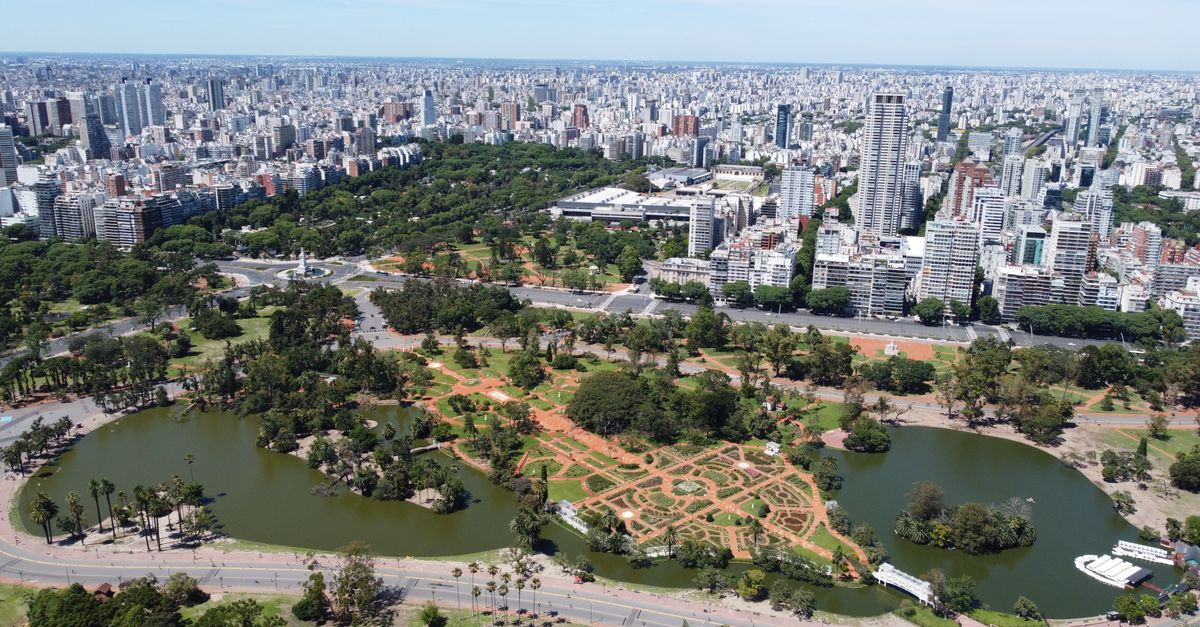
Walk into Palermo, the city's largest barrio. Palermo Soho (centered on Plaza Serrano) is the boutique shopping and cafe district. Palermo Hollywood (named for its film studios) has trendy restaurants and bars. The Bosques de Palermo (Palermo Woods) offer lakes, rose gardens, and the Jardin Japones (ARS 4,000 / $4) — a peaceful Japanese garden with koi ponds and tea house.

Lunch at Don Julio in Palermo — regularly ranked among the world's best steakhouses. Expect a wait unless you arrive at noon. The entraña (skirt steak) and ojo de bife (ribeye) are legendary, aged in-house. Two people with wine: ARS 60,000-90,000 ($60-90). For budget steak, any Palermo parrilla serves quality bife de chorizo for ARS 12,000-18,000 ($12-18).

Evening: Palermo Bars (8:00 PM onwards)

Palermo has Buenos Aires' best cocktail scene. Floreria Atlantico (enter through the flower shop — the bar is underground) regularly ranks among the world's best bars. Cocktails ARS 8,000-12,000 ($8-12). For something more casual, the bars around Plaza Serrano offer sidewalk tables, beer, and people-watching.

Day 3

Tango, Puerto Madero & Farewell Asado

Morning: Tango Lesson (10:00 AM - 12:00 PM)

Take a beginner tango class — most studios in San Telmo and Palermo offer drop-in group lessons for ARS 5,000-8,000 ($5-8). DNI Tango and La Catedral are established schools with English-speaking instructors. You'll learn basic steps, the embrace, and enough to attempt a milonga (social tango dance) later. No partner or experience needed.

Afternoon: Puerto Madero (12:30 PM - 4:00 PM)

Puerto Madero is the renovated port district — converted red-brick warehouses now house restaurants and offices along a yacht-lined waterfront. The Puente de la Mujer (Woman's Bridge), a rotating pedestrian bridge by Santiago Calatrava, is the landmark photo. The Reserva Ecologica Costanera Sur at the district's eastern edge is a nature reserve with walking trails, birds, and river views — free entry.

Lunch at Cabana Las Lilas or any of the waterfront parrillas — Puerto Madero is pricier than other neighborhoods (expect ARS 25,000-40,000 / $25-40 per person), but the setting is beautiful on sunny days.

Evening: Tango Show (8:00 PM - 11:00 PM)

A professional tango show is the quintessential Buenos Aires evening. Cafe de los Angelitos and El Viejo Almacen offer dinner-and-show packages (ARS 40,000-80,000 / $40-80) with live orchestra and world-class dancers. For a more authentic (and cheaper) experience, attend a milonga — Salon Canning on Monday nights or La Viruta in Palermo are legendary. Entry ARS 5,000-8,000 ($5-8).

Tango dancers performing in a dimly lit Buenos Aires venue with dramatic lighting
Professional tango — Buenos Aires' gift to world culture. The milongas (social dances) are where the real magic happens, not the tourist shows.
Milonga Etiquette: At traditional milongas, partners are invited with a nod or eye contact (the cabeceo) — not a verbal ask. Watch the room for a few songs before attempting to dance. Nobody expects tourists to be experts, but knowing the basic steps from a morning class shows respect.

Essential Buenos Aires Information

Item Cost (ARS) Cost (USD)
SUBE Card (transit) ARS 3,000 + load $3 + fares
Subte (metro) ride ARS 650 $0.65
Bus ride ARS 450-650 $0.45-0.65
Cafe con leche + medialunas ARS 3,000-5,000 $3-5
Bife de chorizo (steak dinner) ARS 12,000-25,000 $12-25
Tango show (show only) ARS 25,000-50,000 $25-50

Three days reveals Buenos Aires' essential character — the European elegance, the Argentine passion, the late nights, and the world's best beef. For deeper exploration, add a day trip to Colonia del Sacramento across the river in Uruguay or the Tigre Delta north of the city.

JC
JustCheckin Editorial Team
Researched, written, and verified by travel experts. Last updated Jul 18, 2026.
COMPLETE BUENOS AIRES TRAVEL GUIDE

Everything you need for Buenos Aires

Daily Budget — Buenos Aires

Typical traveller costs · All figures in USD

🎒
$2,500
Budget/day
🏨
$5,000
Mid-range/day
$15,000
Luxury/day

💱 Argentine Peso (ARS) - 1 USD = 250 ARS

Culture & Etiquette

👗
Dress Code
Buenos Aires is a cosmopolitan city, but it's still a good idea to dress modestly when visiting churches or attending cultural events. For men, a suit and tie is not necessary, but a button-down shirt and dress pants are recommended. For women, a dress or a skirt that falls below the knee is a good rule of thumb. Avoid revealing clothing, especially in more conservative neighborhoods like San Telmo.
🤝
Local Customs
Argentines are known for their warm hospitality, but there are a few customs to keep in mind. When greeting someone, use two kisses on the cheek, one on each side. When dining, it's customary to wait for the host to start eating before you begin. Tipping is not expected but is appreciated for good service. Also, be prepared for loud conversations and lively debates, as Argentines are known for their passion and love of discussion.
⚠️
Watch Out For
Beware of pickpocketing in crowded areas like Plaza de Mayo and the subway. Be cautious of overly friendly strangers who may be trying to distract you while an accomplice steals your belongings. Also, be wary of taxi scams, where the driver may take you on a longer route to increase the fare. Always use a licensed taxi or ride-sharing service, and make sure the meter is on.
Dos & Don'ts
When interacting with locals, use formal titles like 'señor' or 'señora' until you're invited to use first names. Avoid public displays of affection, as this is generally frowned upon in Argentina. When dining, keep your hands visible on the table and avoid eating with your left hand. Also, be respectful of siesta time, which is typically from 2-4 pm.
👩
Solo Female Safety
As with any major city, solo female travelers should take normal precautions to stay safe. Avoid walking alone at night, especially in dimly lit areas. Use a reputable taxi or ride-sharing service, and always sit in the back seat. Also, be mindful of your belongings and keep an eye on your drinks at bars and restaurants.
🏳️‍🌈
LGBTQ+ Notes
Argentina is a relatively LGBTQ+-friendly country, with many gay bars and clubs in the city. However, it's still a good idea to be discreet, especially in more conservative neighborhoods. The country has a strong tradition of LGBTQ+ activism and has made significant progress in recent years, including legalizing same-sex marriage in 2010.
📷
Photography
Be respectful of private property and avoid taking photos of people without their permission. Also, be aware that some areas, like the Casa Rosada presidential palace, may have specific rules or restrictions for photography. Avoid taking photos of military or government buildings, as this may be seen as suspicious. Finally, be mindful of your surroundings and avoid taking photos in areas that may be considered sensitive or restricted.

Getting Around Buenos Aires

✈️
Airport Transfer
From Ezeiza International Airport (EZE), take a taxi or Uber for approximately ARS 400-600 (~ USD 5-8) to the city center. From Aeroparque Jorge Newbery (AEP), take a taxi or bus (Line 33) for approximately ARS 100-200 (~ USD 1.50-3) to the city center.
🚇
Public Transport
Buenos Aires has an extensive metro system (Subte) with six lines, as well as buses and a tram system (Tren de la Costa). You can buy a SUBE card for convenient travel.
📱
Taxi & Ride Apps
Use apps like Uber, Cabify, or EasyTaxi for safe and affordable taxi rides. You can also hail a taxi on the street, but be aware that prices may be higher.
🛵
Rental Tips
Renting a car is not recommended due to heavy traffic and parking challenges. However, you can rent a bike or scooter for a day, with prices starting from ARS 200-300 (~ USD 3-5).
🗺️
Getting Around
Download the Google Maps app or use a local map to navigate the city. Be aware that traffic in Buenos Aires can be heavy, especially during rush hour, so plan your route accordingly.

Frequently Asked Questions

Tap water in Buenos Aires is generally safe to drink, but it's recommended to stick to bottled or filtered water to avoid any potential stomach issues. Many restaurants and cafes also provide filtered water for customers.
The best SIM card for tourists in Buenos Aires is Claro or Movistar, which offer affordable data plans and good coverage. You can purchase a prepaid SIM card at a local store or at the airport.
Buenos Aires has an extensive public transportation system, including buses, subways, and trains. You can purchase a SUBE card, which can be refilled and reused, to pay for fares. You can also use cash, but it's not recommended.
Tipping in Buenos Aires is generally around 10% in restaurants and bars, and 5-10 pesos for taxi drivers. However, it's not expected in cafes or street food stalls.
Bargaining is common at markets in Buenos Aires, especially for souvenirs and clothing. Start with a lower price and be prepared to walk away if you don't like the price. However, be respectful and polite during the negotiation.
Buenos Aires is generally a safe city, but petty theft and pickpocketing can occur in crowded areas and tourist hotspots. Be mindful of your belongings, especially in areas like Plaza de Mayo and Recoleta.
Be cautious of scams targeting tourists, such as fake taxi drivers or street performers. Always use licensed taxis and be wary of overly friendly strangers. Also, be careful when exchanging money or using ATMs.
In Buenos Aires, it's customary to greet people with a kiss on the cheek, and to use formal titles like 'señor' or 'señora' until you're invited to use first names. Also, be mindful of mealtime etiquette, such as not starting to eat until everyone has been served.
Buenos Aires has an extensive public transportation system, including buses, subways, and trains. You can also use ride-hailing apps like Uber or taxi services. Additionally, many neighborhoods are walkable, and bike-sharing services are available.
The cost of living in Buenos Aires can be relatively low, especially when it comes to food and accommodation. However, prices can vary depending on the neighborhood and the type of accommodation. It's recommended to budget around 1,500-2,000 pesos per day for a tourist.
✨ Jiai — Travel AI Open Full →
Hi! I'm **Jiai**. Ask me about hotels, flights, activities or budgets for any destination.
✈️

You're on a roll!

Enter your email for unlimited Jiai access + personalised travel deals.

No spam. Unsubscribe anytime.