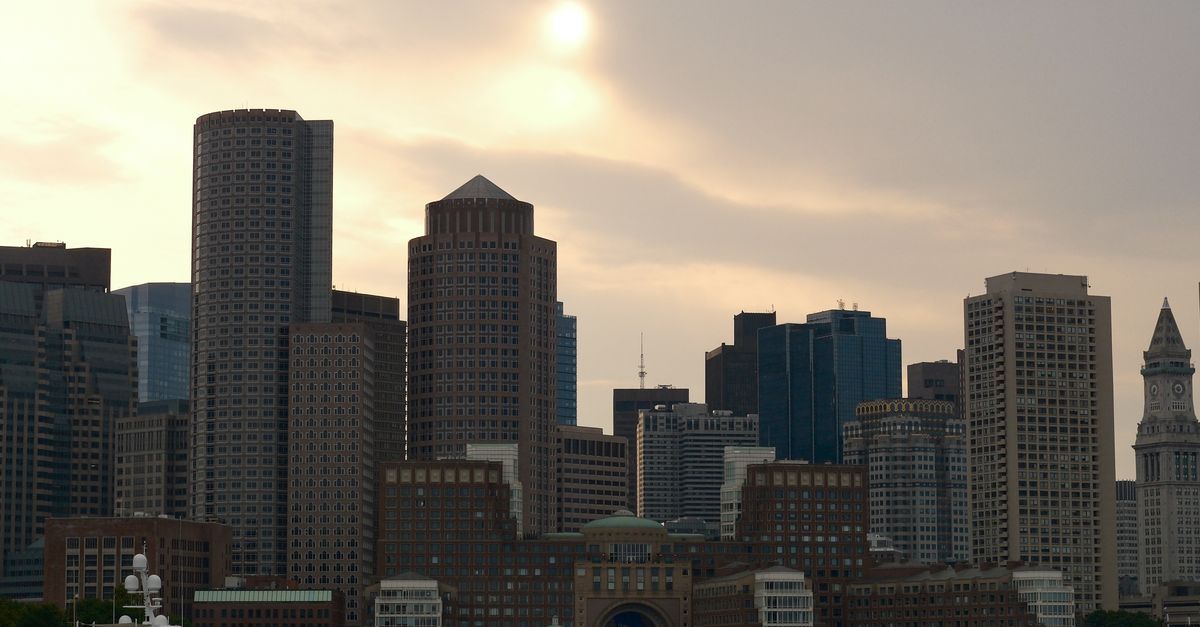
Boston's tourist narrative is the Freedom Trail, Fenway Park, the Harvard campus, and the lobster roll. All of these are worth doing once, but they represent a particular, flattened version of a city that is genuinely complex: a 400-year-old settlement layered with immigrant communities, an extraordinary concentration of cultural institutions, and neighborhoods that have each produced distinct music, food, and political cultures. The tourists cluster in a remarkably small area; the rest of Boston is left to the people who actually live there.
This guide is for travelers willing to cross a neighborhood boundary or two, take the Orange Line south of downtown, or eat somewhere that doesn't have a lobster sign in the window. Boston rewards departure from the tourist circuit with excellent dim sum in Chinatown, one of the best contemporary art museums in America (free on Sundays), Dorchester's Vietnamese restaurant corridor, and parkland designed by the same person who created Central Park.
Boston's T — the MBTA subway — is old, occasionally unreliable, but serviceable for exploring beyond the tourist zone. A CharlieCard (reusable, available at stations) costs $2.40 per ride. Most of the city's hidden-gems experiences are 15–25 minutes by T from the Freedom Trail.

1. Jamaica Plain's Arnold Arboretum
The Arnold Arboretum of Harvard University — 281 acres of landscape in Jamaica Plain, administered by Harvard but owned by the City of Boston — is one of the greatest collections of trees and shrubs in the Western Hemisphere, and one of the best free outdoor experiences in any American city. It was designed by Frederick Law Olmsted as part of his Emerald Necklace park system (his greatest achievement alongside Central Park), and the landscape itself — rolling hills, ponds, and sweeping lawns planted with specimen trees from around the world — is a work of art as well as a living botanical collection. In May, the lilac collection blooms in a spectacle that draws the entire city; in fall, the foliage is extraordinary.
The arboretum sits within the Emerald Necklace, a 7-mile chain of parks designed by Olmsted connecting the Charles River Esplanade to Franklin Park. Walking or cycling the full Necklace is one of Boston's premier outdoor experiences and is almost never mentioned in standard travel guides.
Take the Orange Line to Forest Hills station — the arboretum entrance is a 5-minute walk. Open daily from sunrise to sunset. Free entry; the Hunnewell Building visitor center has maps and natural history programming. Spring (late April–May) for bloom peak; October for fall foliage; winter visits offer stark, beautiful landscapes with no crowds.
Free. Budget nothing except transit ($2.40 each way on the T). The surrounding Jamaica Plain neighborhood is excellent for lunch: Centre Street has excellent independent restaurants including restaurants from the neighborhood's substantial Latinx community. Ten Tables on Centre Street ($30–45 dinner) is one of Boston's most consistent neighborhood restaurants.
2. Chinatown's After-Hours Food Scene
Boston's Chinatown — a compact but dense few blocks south of Downtown Crossing — is one of the oldest and most functional Chinese neighborhoods on the East Coast, and the restaurant scene operates on a schedule that suits nobody's tourist itinerary: the best dim sum is Sunday morning starting at 8am; the best late-night food is after midnight, when the Cantonese and Taiwanese spots serve the kitchen workers and night-shift community who need meals at 2am. Gourmet Dumpling House on Beach Street, Hei La Moon for dim sum, and Taiwan Café for Taiwanese lunch specials are consistently the neighborhood's most locally validated options.
Boston's Chinatown has survived extraordinary pressure from three directions: downtown development, the Big Dig highway project, and the expansion of the medical complex. The community's ability to maintain a viable neighborhood under these conditions is remarkable and should be honored by visitors choosing to eat in the neighborhood rather than the adjacent, tourist-marketed South End.
Walk south from Downtown Crossing on Washington Street, turn right on Beach Street — you're in Chinatown. The neighborhood is compact enough to explore entirely on foot. Best times: Sunday morning (dim sum), weekday lunch (best value), or late night after 10pm.
Budget $15–20 for dim sum. Lunch specials at most restaurants run $12–15. Late night options often cheaper. The New Saigon on Harrison Avenue is technically Vietnamese but serves Vietnamese-Chinese dishes that are exceptional value ($10–15 per person).
3. The Institute of Contemporary Art
The Institute of Contemporary Art on Boston's Fan Pier in the Seaport District is one of the finest contemporary art museum buildings in the United States — a cantilevered glass structure by Diller Scofidio + Renfro that projects over the harbor — and its collection and programming consistently rank it among the top contemporary art institutions on the East Coast. It draws a fraction of the visitors of the Museum of Fine Arts. Thursday evenings are free for all visitors; the museum is also free for visitors under 25 with a library card, a policy that reflects a genuine commitment to local community access.
The ICA moved to the Seaport in 2006 from its previous location near Kenmore Square and has been the anchor cultural institution in a neighborhood that has developed rapidly since. The building's harbor views are spectacular; the rotating installations often use the harbor setting in ways that no other museum setting could replicate.
Take the Silver Line SL2 from South Station to the Courthouse stop, walk five minutes to the Fan Pier. Or walk 20 minutes from Downtown Crossing through the South End. Open Tuesday–Sunday 10am–5pm, Thursday 10am–9pm. Admission $25 adults; free Thursday evenings 5–9pm.
Admission $25, or free Thursday 5–9pm. Allow 1.5–2 hours. The Seaport neighborhood has excellent lunch options: Island Creek Oyster Bar ($25–40) and Row 34 ($30–50) for seafood-focused meals with genuine Boston character.
4. Dorchester's Vietnamese Restaurant Strip
Fields Corner in Dorchester — a neighborhood that most Boston tourists never visit despite being 20 minutes from downtown on the Red Line — is the center of Boston's Vietnamese American community and hosts one of New England's best concentrations of Vietnamese restaurants. Pho Hoa on Dorchester Avenue is open 24 hours; Ba Le Sandwich offers banh mi that will recalibrate your understanding of what the sandwich should be; Xinh Xinh in Chinatown's edge of the neighborhood does excellent Northern Vietnamese cooking. The Fields Corner MBTA station is the organizing center, with Vietnamese grocery stores, pho houses, and bakeries clustered on Dorchester Avenue within easy walking distance.
Dorchester is Boston's largest neighborhood and most diverse — Vietnamese, Irish, Caribbean, Cape Verdean, and Haitian communities share the neighborhood's geography in ways that produce a street-level cultural landscape unlike anything in the more touristed inner neighborhoods. The main commercial streets (Dorchester Avenue, Adams Street) are worth walking even without a specific food destination.
Take the Red Line to Fields Corner station. Walk north and south along Dorchester Avenue from the station. Weekend visits are busiest and most active. Weekday mornings at the pho houses are calm and contemplative.
Budget $12–18 for a complete pho meal. Banh mi at Ba Le: $5–7. Vietnamese bakery items at numerous spots: $2–5 each. The grocery stores sell Southeast Asian produce and packaged goods at prices well below specialty markets in the city center.
5. The Boston Athenaeum
The Boston Athenaeum at 10½ Beacon Street is a private membership library founded in 1807 that is also open to non-members for gallery visits and a limited number of reading room tours. The building itself — a Palladian design from 1847 on five floors — is among the most beautiful interior spaces in Boston: vaulted reading rooms, original Venetian blinds, book stacks rising three stories, and a collection that includes books from George Washington's personal library. Temporary gallery exhibitions on the lower floors are free and consistently excellent. If you have any interest in libraries as spaces, this is essential.
The Athenaeum's collection is privately held and not easily accessible, but the building's public programs — including free gallery exhibitions and occasional reading room tours — provide access to one of New England's finest interiors. Membership provides full reading room access for about $200/year; a guest pass ($10) is available for day visits.
Located on Beacon Street adjacent to the State House, walkable from Park Street T station on the Green or Red Line. Gallery exhibitions: free, open Monday–Saturday. Reading room tours: check the Athenaeum website for dates and registration ($10 suggested donation).
Gallery visits free. Reading room tour approximately $10. Allow 45 minutes to 1 hour for a gallery visit and building exploration. Combine with the nearby Massachusetts State House (free tours, extraordinary legislature chamber interior) and Boston Common.
6. Allston's DIY Music Scene
Allston, the neighborhood just west of Fenway along Commonwealth Avenue and Brighton Avenue, has been Boston's rock and underground music neighborhood since the 1980s — the rehearsal studios, the clubs (Great Scott, Midway Café), and the punk and indie scene that produced Mission of Burma, Pixies (who formed at UMass Amherst but rehearsed here), and dozens of subsequent bands. Great Scott on Harvard Avenue is the anchor venue: 200-person capacity, all-ages many shows, booking that remains genuinely adventurous. The neighborhood is currently undergoing development pressure, making this the time to see what remains before it's further transformed.
Allston's identity as a student neighborhood (Boston University is adjacent) combined with its historically cheap rents produced an infrastructure of rehearsal spaces, instrument shops, and small venues that sustained a music scene over decades. The Allston Christmas tradition — when students moving out leave furniture and possessions on the street in early September, creating a city-wide free market — reflects the neighborhood's distinctive character.
Take the B Green Line to the Harvard Avenue stop in Allston. Walk Harvard Avenue north toward Brighton Avenue — the venue cluster, record stores (Mystery Train Records), and late-night restaurants are within five blocks. Check Great Scott's calendar at greatscottboston.com for show listings.
Great Scott shows typically $10–20. Record shopping at Mystery Train: variable. Late-night food: Sunset Cantina and Lone Star Taco Bar on Harvard Avenue both serve until midnight. Budget $50–70 for a full evening including show, drinks, and food.
7. East Boston's Immigrant Waterfront
East Boston — across the inner harbor from downtown, connected by a short MBTA Blue Line ride or a free ferry from Long Wharf — has been the entry point for Boston's immigrant communities for 150 years: Italian, Irish, and now primarily Central American, particularly Salvadoran. The main commercial streets (Maverick Square, Bennington Street, Chelsea Street) have pupuserías, mercados, and restaurants serving the neighborhood's Salvadoran community with quality and prices that are dramatically different from the tourist waterfront neighborhoods. The harbor views back toward downtown from the East Boston Harborwalk are among the best in the city.
East Boston's identity as an immigrant neighborhood has been complicated by the development of luxury waterfront condominiums along its harbor edge in the 2010s, creating a socioeconomic tension that is visible in the landscape. The Harborwalk on the harbor side of the neighborhood offers a clear illustration of this juxtaposition.
Take the Blue Line to Maverick station — the commercial streets radiate from there. The free Inner Harbor Ferry from Long Wharf (runs every 20–30 minutes) provides a scenic alternative. Walk east on Meridian Street or north on Bennington Street from Maverick Square for the best of the commercial district.
Budget $10–15 for a meal of pupusas, tamales, or Salvadoran sandwiches. The East Boston Harborwalk is free. Combine with a visit to the Constitution Beach at the northern end of the neighborhood — free, uncrowded, with views of Logan Airport planes passing overhead at remarkably close range.
8. The Museum of Fine Arts' Less-Visited Galleries
The Museum of Fine Arts Boston is one of the greatest art museums in North America, and most visitors see 10–15% of it before exhausting themselves on the European and Impressionist galleries. The MFA's collections of ancient Egyptian art, Japanese art (one of the finest outside Japan), and American decorative arts are each world-class and each significantly undervisited by a tourist population that rushes to the Monets and Sargents. The Egyptian rooms alone — with mummies, artifacts from Harvard-MFA excavations, and objects spanning 3,000 years — would sustain a major museum in any other city. Spend time with the galleries that aren't on the official highlights list.
The MFA's building is itself worth attention: the original 1909 Beaux-Arts building by Guy Lowell has been expanded several times, most recently with a contemporary Art of the Americas wing by Norman Foster. The transitions between architectural periods produce unexpected spaces worth noticing.
Take the Green E Line to Museum of Fine Arts station. Open Monday–Tuesday and Saturday–Sunday 10am–5pm, Wednesday–Friday 10am–10pm. Admission $27 adults; free for members and Massachusetts residents on Wednesday evenings after 4pm.
Admission $27 (free Wednesday 4–10pm for Massachusetts residents). Allow a full 4+ hours for a thorough visit. The MFA café is good but pricey ($15–20 for lunch); the Fenway neighborhood nearby has cheaper options on Peterborough Street.
9. Cambridge's Inman Square and the Neighborhood Beyond Harvard
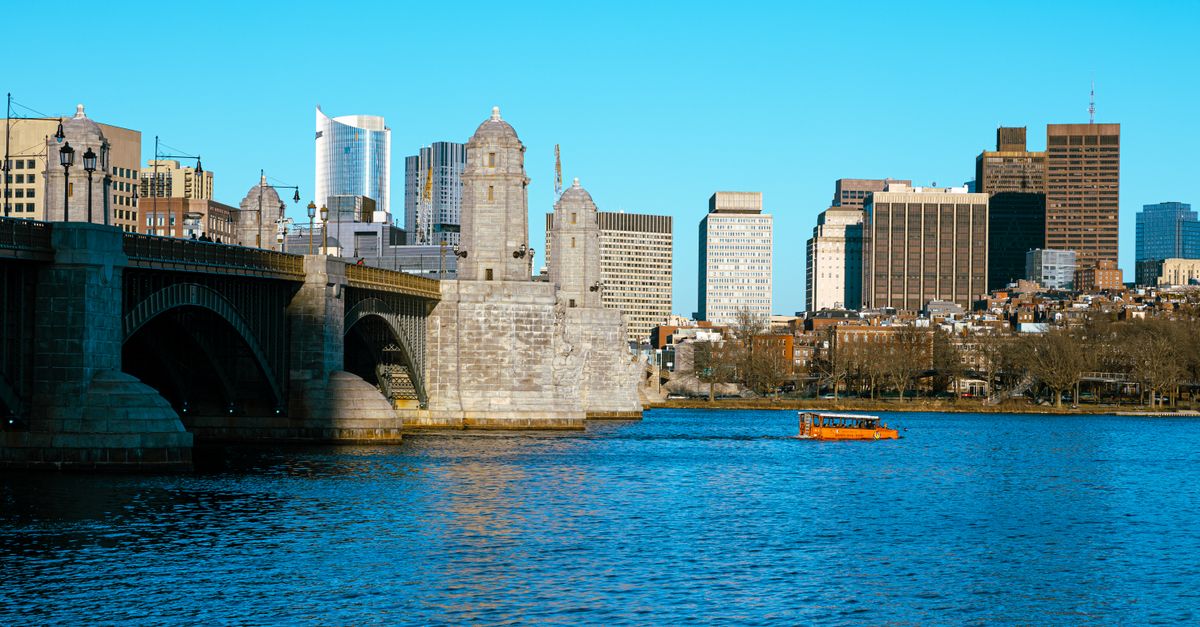
Harvard Square is famous; Central Square is known to Boston music fans; Inman Square — roughly equidistant between the two on Cambridge Street — is primarily a Cambridge neighborhood commercial center without a tourist profile, and therefore excellent. The East Coast Grill was one of the country's pioneering American regional restaurants; its successor culture in the square includes Oleana (exceptional eastern Mediterranean, $40–55 per person), Tupelo (Southern-influenced, $20–30), and a dense cluster of independent cafés and wine bars. The surrounding residential streets contain some of Cambridge's finest Victorian architecture.
Cambridge's identity as a university city creates neighborhoods with educated, demanding consumer bases — which means the independent restaurants and shops that survive are genuinely good. Inman Square has less student energy than Harvard or Central Squares, which makes it more pleasant to explore on a weekday afternoon.
Take the Red Line to Central Square, walk north on Hampshire Street to Inman Square (15 minutes). Or take the 69 bus from Harvard Square directly to Inman. The square is at the intersection of Cambridge Street and Hampshire/Beacon Street.
Budget $25–45 for dinner at Oleana (reservations essential). More casual options in the square run $15–25. Coffee at 1369 Coffee House (an Inman Square institution) is $4–6. Combine with a walk through the surrounding Porter Square neighborhood if time allows.
10. Roslindale Square's Neighborhood Renaissance
Roslindale Square — on the Needham Line commuter rail and the Orange Line's Forest Hills station bus network — has experienced a quiet restaurant and small-business renaissance in the past decade. What was a declining suburban neighborhood commercial center is now anchored by Birch Street, where Forest Hills Coffee, Fornax Bread, and a cluster of independent restaurants serve a neighborhood that has retained demographic diversity as it's gentrified. The square itself, with its Art Deco Roslindale Substation building converted to a community event space, provides an unusual urban quality for what is technically one of Boston's outer neighborhoods.
Roslindale's position adjacent to Forest Hills and the Arnold Arboretum makes it a natural endpoint for an Emerald Necklace walk or bike ride. The neighborhood has an active farmers market (Saturday mornings, late May through November) that is one of the best in the Boston area.
Take the Orange Line to Forest Hills, then bus 36 or 37 to Roslindale Square. Or take the Needham commuter rail line from Back Bay Station to Roslindale Village stop (30 minutes). The square is centered on South Street and Belgrade Avenue.
Budget $10–15 for breakfast at Fornax Bread or Forest Hills Coffee. Dinner options run $20–35 per person. Combine with the Arnold Arboretum (5 minutes walk) for a half-day nature and neighborhood experience. The Roslindale Farmers Market (Saturday 9am–1pm) offers excellent local produce and prepared foods.