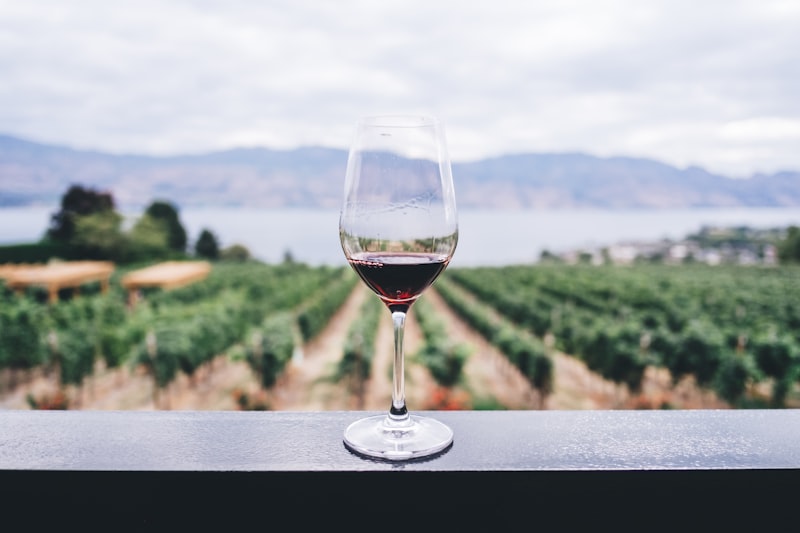
Napa Valley produces extraordinary wine and extraordinary crowds. For the wine traveller who wants cellar doors without queues, tastings without influencers, and a bottle of something remarkable at a third of the price, the world's best-kept wine secrets are waiting.
Douro Valley, Portugal
The Douro Valley is where port wine was born, and the terraced vineyards climbing the schist cliffs above the Douro River are among the most dramatic wine landscapes on earth. A UNESCO World Heritage Site since 2001, the valley also produces world-class dry red wines from Touriga Nacional.
The best way to experience it: rent a quinta (estate) for two nights, take the historic Linha do Douro train from Porto, and book a private tasting at Quinta do Crasto or Quinta do Vale Meao. Expect to pay €8–€20 for tastings that would cost €50+ in Napa.
Priorat, Spain
Two hours south of Barcelona in Catalonia, Priorat produces some of Spain's most powerful and complex wines from Garnacha and Carignan grapes grown in black slate soils. The village of Gratallops is the epicentre — boutique producers like Clos Mogador and Alvaro Palacios work on a scale that encourages genuine producer visits and conversation.
The greatest wine experiences happen not in the most famous regions but in the ones where the winemaker still pours your glass and asks what you think.
Wachau, Austria
The Wachau is a 36-kilometre stretch of the Danube between Melk and Krems in Lower Austria, producing Gruner Veltliner and Riesling wines that rank among Europe's finest. The Smaragd classification designates the valley's richest, most age-worthy examples.
The region is best explored by cycling along the Danube — the EuroVelo 6 route passes directly through the vineyards. Stop at Domane Wachau in Durnstein for a tasting flight.
Franschhoek, South Africa
The Cape Winelands — Stellenbosch, Paarl, and particularly Franschhoek — combine exceptional wine with some of the world's most beautiful mountain scenery. The Franschhoek Wine Tram connects 26 estates via a hop-on, hop-off system. Estates like Babylonstoren, Boekenhoutskloof, and La Motte offer outstanding wines at prices international visitors find extraordinary.
Georgia: The Birthplace of Wine
Archaeological evidence suggests wine was first made in the Caucasus region of modern Georgia 8,000 years ago. The country's traditional qvevri method — fermenting wine in buried clay vessels — produces amber wines with a nutty, oxidative complexity that defies easy description.
The Kakheti region in eastern Georgia is the heart of Georgian wine. Visit Pheasant's Tears winery for a qvevri tasting lunch, or the Natural Wine Cellar in Tbilisi to understand the full range of what Georgian producers are creating.
Mendoza, Argentina
Mendoza at the foot of the Andes produces Malbec wines with no equal outside Argentina. The altitude (800–1,500 metres above sea level) gives the wines their distinctive freshness despite intense sunshine. The Lujan de Cuyo and Uco Valley sub-regions offer estates with extraordinary views of snow-capped Aconcagua.
Planning Your Wine Trip
- Always book cellar door visits in advance — serious producers limit tastings to maintain quality
- Ask about library tastings of older vintages — many estates offer these for a modest additional fee
- Shoulder seasons are best: harvest energy in March–April (Southern Hemisphere) or September–October (Northern Hemisphere)
- Bring an empty bag — most regions allow wine export without restriction
The world's great wine regions reward curiosity and patience. The best bottles are not always behind the most famous labels. More food and drink guides on JustCheckin.

Comments (0)
No comments yet. Be the first to share your thoughts!
Sign In