Istanbul is the only city in the world that straddles two continents, and that geographic fact shapes everything — the food, the architecture, the people, and the extraordinary tension between tradition and modernity that pulses through every neighbourhood.
The Historic Peninsula: Where Empires Collide
Start every Istanbul visit on the Historic Peninsula (Sultanahmet). The Hagia Sophia, built in 537 AD as a cathedral, converted to a mosque, then a museum, and back to a mosque in 2020, is the single most important building on earth for understanding the sweep of human history. Arrive at opening time to walk the nave before the crowds arrive.
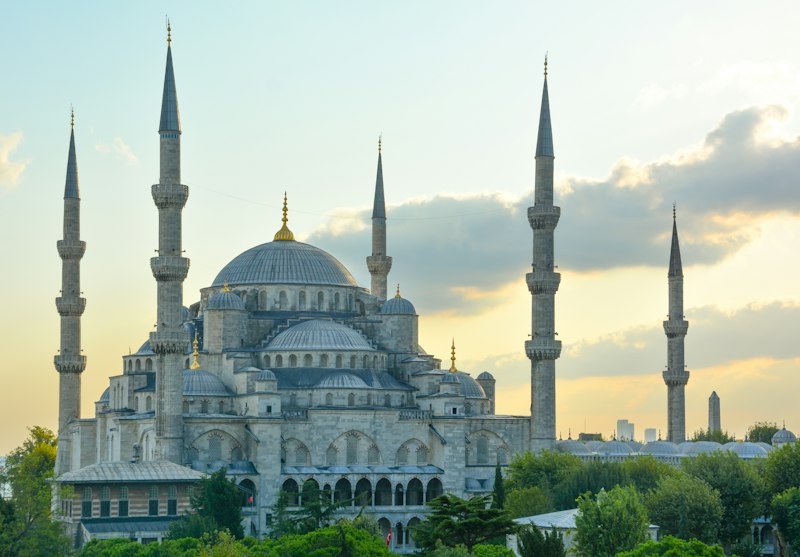
Directly opposite stands the Blue Mosque, its six minarets causing a small diplomatic scandal when it was built in 1616. Both are free to enter; modest dress is required. Between them, the Hippodrome was once the beating heart of Constantinople, and the Egyptian Obelisk standing there since 1500 BC still commands attention.
Beneath the streets, the Basilica Cistern holds 336 columns and two Medusa heads repurposed as column bases — one upside down, one sideways. The reason remains one of history's small mysteries.
The Grand Bazaar and Spice Market
The Grand Bazaar (Kapalicarsi) has 4,000 shops across 61 covered streets and has operated continuously since 1461. It sounds overwhelming, and it is — but in the best possible way. The key is to ignore the tourist-facing stalls at the main entrances and walk deeper, where goldsmiths, leather workers, and textile merchants operate as they have for centuries.
The Egyptian Spice Bazaar near the waterfront is smaller and more focused. The mountain of dried fruits, Turkish delight, and spice blends makes it one of the most photogenic markets in the world. Buy saffron, sumac, and rose water to bring home.
Istanbul does not ask you to choose between East and West. It shows you what a civilisation looks like when it absorbs both, then adds something entirely its own.
Crossing the Bosphorus
Take the public ferry (not the tourist boat) from Eminonu to Uskudar on the Asian side. The crossing takes 20 minutes and costs less than a dollar. From Uskudar, walk up to Camlica Hill for panoramic views of the entire city, two continents spread before you.
The Asian side of Istanbul — Kadikoy in particular — has the city's best street food and a more relaxed, bohemian atmosphere. The Moda neighbourhood is where young Istanbulites spend their evenings at wine bars and live music venues.
Food: The World's Most Underrated Cuisine
Istanbul's food scene is one of the world's best-kept secrets. Essential experiences include:
- Balik ekmek — grilled mackerel sandwiches served from boats moored at the Galata Bridge
- Simit — sesame-crusted bread rings, the true breakfast of Istanbul
- Iskender kebap — doner over flatbread, drowned in tomato sauce and browned butter
- Meyhane dining — the Turkish tavern tradition of raki, meze, and grilled fish lasting four hours
- Turkish breakfast — the elaborate spread of olives, cheeses, eggs, and jams that makes brunch feel inadequate
Best Neighbourhoods to Explore
Beyoglu and Karakoy are Istanbul's creative core, centred on Istiklal Avenue and the backstreets around the Galata Tower. Balat is the city's oldest Jewish neighbourhood, now home to colourful painted houses and excellent coffee shops. Nisantasi is where Istanbul's fashion crowd shops and dines.
Practical Tips
- Visa: Most nationalities need an e-Visa, obtainable online before travel
- Currency: Turkish Lira; carry cash for markets and street food
- Transport: The Istanbulkart covers all metro, tram, and ferry lines
- Best time: April–May and September–October for mild weather and smaller crowds
Istanbul demands more than a long weekend. Give it at least five days, and it will give you back something that changes the way you think about cities. Explore Istanbul on JustCheckin.

Comments (0)
No comments yet. Be the first to share your thoughts!
Sign In